Reviewed · TOKYO FOOD TOURS
Tokyo Ginza Authentic Food Tour (Izakaya Hopping by local guide)
Tokyo’s best food experiences often happen behind an unmarked door, below the train tracks, or in a narrow izakaya where the menu changes with the market. This small-group Ginza tour gives you a practical way into that world, with local guide Ryo leading you through three food stops and several glasses of Japanese drink.
In This Article
- Key points at a glance
- Why Ginza is a good place for an izakaya evening
- First stop: seafood and sake in Yurakucho
- A quick Ginza crossing photo stop
- Second stop: Wagyu barbecue with a lighter approach
- Ginza Corridor Street and the everyday cooking of obanzai
- The railway-track izakaya finish
- What the four drinks add to the value
- Why the six-person limit matters
- Dietary needs, age rules, and comfort
- Booking ahead and cancellation terms
- Who should book this evening
- FAQ
- How long does the Tokyo Ginza Authentic Food Tour last?
- What time does the tour start?
- Where does the tour begin?
- Where does the tour end?
- How many people can join?
- How many dishes and drinks are included?
- What kinds of food are served?
- Can dietary restrictions be accommodated?
- Can I cancel for a refund?
- Should you book it?
I like the balance of fresh seafood, Wagyu, and home-style obanzai cooking, rather than one long meal built around a single dish. I also like the group limit of six, which gives you room to ask questions and lets Ryo share local stories without shouting across a crowded room. The main drawback is the price, $175 per person, and the need to be over 21, so this is better for adults who want a full evening of food and drinks than for families or budget diners.
Key points at a glance

- Three distinct food stops: Seafood in Yurakucho, Wagyu barbecue in Ginza, and Kyoto-style obanzai dishes near Ginza Corridor Street.
- A generous tasting menu: The evening includes 8 to 10 dishes and four drinks, including sake.
- A very small group: No more than six people join the tour, making conversation with guide Ryo easier.
- A useful Tokyo orientation: The route includes Ginza’s main crossing, the SEIKO clock tower area, and an izakaya alley under the train tracks.
- Food with local context: Ryo explains izakaya customs, Japanese food culture, and the places locals use after work.
- Best for adult food lovers: You need to be over 21, and extra food or drinks cost more.
Why Ginza is a good place for an izakaya evening

Ginza is known for polished department stores, grand shopping streets, and expensive restaurants. Yet the district also has small drinking spots and practical neighborhood eateries tucked into buildings, corridors, and spaces beneath the railway tracks.
That contrast is the point of this experience. You are not simply taken to one famous restaurant and served a fixed dinner. Instead, you move between different styles of Japanese cooking, seeing how an evening meal can unfold across several modest places.
The 5:00 pm start works well. You begin before the night gets too late, and the timing fits the after-work rhythm that gives izakayas their character. The tour lasts about three to four hours, so you finish around the time many people are settling into their evening plans.
I would not treat this as a sightseeing tour with food added on. The food is the main event. The short photography stop at Ginza Mitsukoshi and the SEIKO clock tower gives you a quick visual pause, but most of the evening is spent eating, drinking, and moving between restaurants.
A few more Tokyo tours and experiences worth a look


First stop: seafood and sake in Yurakucho
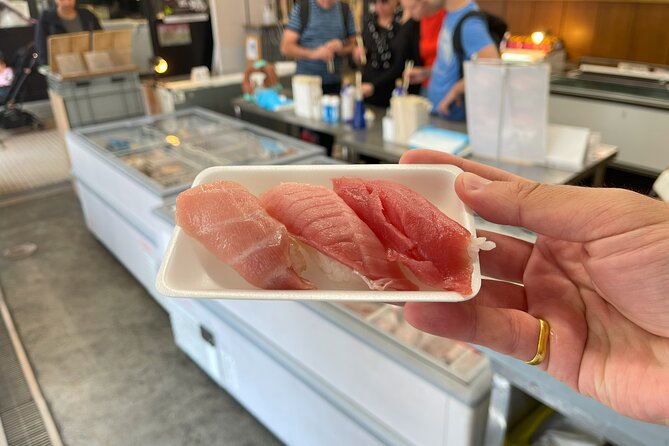
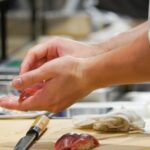
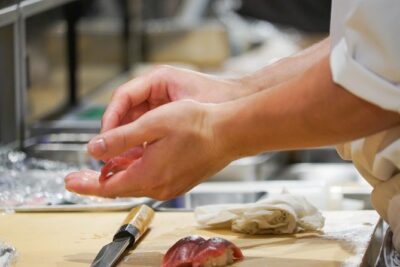
The evening begins at a Yurakucho eatery focused on fresh fish and Japanese sake. The seafood comes from Tsukiji Market, and the menu changes according to what the owner obtains that day.
That changing menu is a real advantage if you want food that reflects the market rather than a standard tourist menu. It also means you should not expect to know every dish in advance. Ryo’s role matters here, since he can explain what arrives and how it fits into Japanese dining customs.
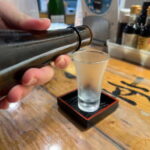
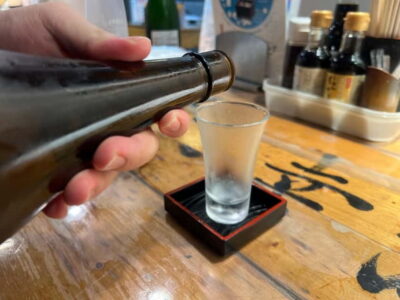
This first stop lasts about an hour and sets the tone for the rest of the evening. You will have several seafood dishes and drinks, with sake from different parts of Japan included among the tastings. Beer is also part of the drinking experience mentioned by the tour’s past participants.
I like beginning with fish because it gives you a clear sense of Japanese attention to freshness and simple preparation. The limitation is that the exact seafood selection cannot be promised, since it depends on the owner’s daily purchases. If you have strong allergies, you should contact the provider in advance, but the tour does not promise an allergy-free meal.
A quick Ginza crossing photo stop

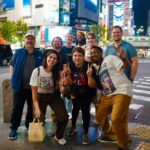
After the first meal, the route pauses at Ginza Mitsukoshi for about ten minutes. The photo point is near the main Ginza crossing, behind the SEIKO clock tower.
This is a short stop, not a full sightseeing visit. It gives you a recognizable Ginza image and breaks up the food portion of the tour without taking much time away from the restaurants.
The admission cost is listed as not included, but this is a public street photo stop rather than a ticketed attraction. The practical value is orientation. If you are new to Ginza, the crossing helps you understand where you are before the group moves into its next restaurant.
Second stop: Wagyu barbecue with a lighter approach

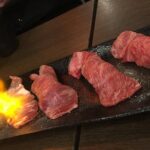
The second food stop focuses on Japanese Wagyu barbecue. The tasting includes Wagyu tongue, Wagyu beef loin, and a fresh lemon cocktail.
For many people, this will be the evening’s most anticipated stop. Wagyu can be rich and heavy when served as a large steak, but the barbecue format lets you try smaller portions and compare different cuts. The tour description specifically points to the lighter feel of the preparation, which matters when you still have another restaurant ahead.
Wagyu tongue is a useful inclusion because it is different from the beef most visitors first seek out in Japan. The loin offers a more familiar comparison, while the lemon cocktail adds acidity after the richness of the meat.
This stop also shows why a progressive food tour can work better than a single large dinner. You are tasting rather than filling up on one dish. Still, portion sizes and exact preparations may vary, and additional food or drinks are not included in the price.
Ginza Corridor Street and the everyday cooking of obanzai

The last main restaurant is near Ginza Corridor Street and specializes in obanzai. This is a home-style cooking method associated with Kyoto, built around everyday side dishes, simple seasoning, and the natural taste of the ingredients.
After seafood and grilled beef, obanzai provides a welcome change. I like this part of the route because it broadens the picture of Japanese food beyond sushi, ramen, and premium beef. These dishes are connected to ordinary home cooking, so the meal feels less like a parade of luxury items.
The restaurant stop lasts about an hour. You can expect more small dishes and another drink as part of the four-drink total for the evening. The tour includes 8 to 10 dishes overall, though the exact breakdown is not fixed.
Obanzai may be the least familiar stop for some people, which is precisely why a guide helps. Ryo can explain what you are eating and why the dishes fit into Japanese food culture. If you prefer dramatic presentation or one famous specialty, this stop may feel quieter. If you want a broader look at how Japanese people eat day to day, it adds useful range.
A few more Tokyo tours and experiences worth a look

The railway-track izakaya finish

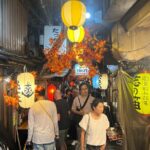
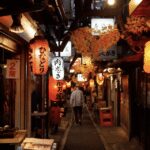
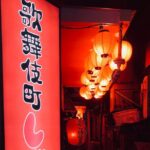
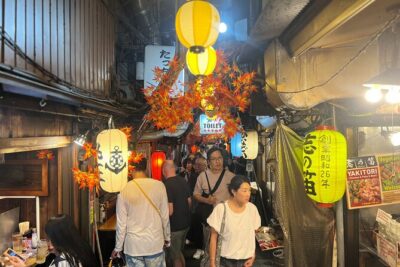
Before the tour ends, the route makes a stop at a narrow izakaya alley beneath the train tracks. The small drinking spots are described as hidden away but open around the clock, giving you a glimpse of a very different Ginza setting.
This is not presented as one of the three main included food stops. Think of it as an optional final look at the kind of place you might not locate on your own. You can stay for extra time after the formal tour, but any additional food or drinks are at your own expense.
I consider this a strong finishing touch because it brings the evening back to the everyday drinking culture that defines an izakaya. The polished Ginza streets are only part of the district. Under the tracks, the mood is more compact and informal.
The tour finishes at the last restaurant, Ginza Karin, at 7-chome in Ginza. Ryo will help direct you to a subway station or toward a nearby hotel. That assistance is useful after several drinks, especially if Ginza is unfamiliar to you.
What the four drinks add to the value

The $175 price includes four drinks along with 8 to 10 dishes. Sake is part of the selection, and beer is also mentioned as an option experienced during the food route.
That inclusion improves the value for someone who would otherwise order several drinks at each stop. You are not paying only for plates of food. You are also paying for the guide, the restaurant coordination, the route between places, and the chance to taste drinks that may be difficult to choose on your own.
The price is still not low. If you eat small portions, avoid alcohol, or already know Ginza well, you may find it hard to justify. The tour makes more sense if you value access and explanation, and if you would probably spend an evening ordering several dishes and drinks anyway.
You should also budget for anything beyond the included tastings. Extra food and drinks are not covered. Since the route has three restaurants, you should avoid arriving after a large meal, but the exact portion sizes are not stated.
Why the six-person limit matters

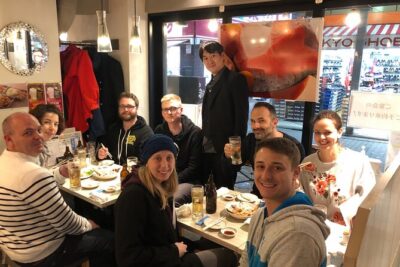
The group maximum is six people. That is one of the strongest practical features of the tour.
Small restaurants can be awkward with a large group. A six-person limit makes it easier to fit into compact seating areas, hear explanations, and ask Ryo about ingredients or etiquette. It also gives the evening a more personal feel than a coach-style food outing.
Ryo is described as both a local foodie guide and a photographer. The photographs are a useful extra, especially during the Ginza crossing stop, though the supplied details do not specify how many photos you receive or how they are delivered.
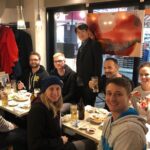
The personal element is important here. The most praised part of the experience is not simply the amount of food. It is the combination of local places, personal stories, and information about Tokyo’s food culture. Past participants have singled out Ryo’s kindness, trustworthiness, and ability to make the evening feel special.
Dietary needs, age rules, and comfort
You must be over 21 to join. That rule makes sense for a tour with four alcoholic drinks, but it excludes younger visitors and families.
Vegetarian, vegan, and gluten-free adjustments may be possible if you give advance notice when booking. The provider makes an effort to compensate at other stops if one restaurant cannot offer a suitable substitute.
You should be realistic about the limits. The food is prepared in kitchens that are not controlled by the tour company, so an allergy-free meal cannot be guaranteed. Some restaurants may also lack a workable replacement. Anyone with a serious allergy should treat this as a potential concern rather than assuming the menu can be fully changed.
Most people can participate, and the meeting points are near public transportation. You meet at the 7-Eleven Yūrakuchō Ekimae, at 2-chome 8 in Yurakucho. The tour ends at Ginza Karin, not back at the starting point, so keep your evening plans flexible.
Booking ahead and cancellation terms
The tour is booked about 59 days ahead on average, which suggests that planning early is sensible, especially if you want a particular date. The small group limit means there are only six places on each departure.
You receive confirmation at booking, and the ticket is mobile, so you do not need to arrange a paper voucher. Free cancellation is available if you cancel at least 24 hours before the 5:00 pm start time. Cancellations or changes made inside that window are not refunded or accepted.
Who should book this evening
I would recommend this tour to an adult who wants a guided introduction to izakayas and prefers several smaller food experiences to one formal restaurant meal. It also suits first-time visitors who want help finding low-key places in central Tokyo without spending an evening guessing at menus.
It is particularly useful for food-focused visitors who have already seen the major sights and want local context. The seafood, Wagyu, and obanzai sequence gives you a wide sample in one night, while Ryo’s stories help connect the dishes to Japanese dining habits.
I would hesitate if you are on a tight budget, do not drink alcohol, have strict dietary requirements, or want a guaranteed menu. The tour is also not ideal if your main goal is a long sightseeing walk, since the Ginza photo stop is brief and the schedule centers on eating.
FAQ
How long does the Tokyo Ginza Authentic Food Tour last?
The experience lasts approximately three to four hours.
What time does the tour start?
The tour starts at 5:00 pm.
Where does the tour begin?
You meet at the 7-Eleven Yūrakuchō Ekimae in Yurakucho, Tokyo.
Where does the tour end?
The tour finishes at Ginza Karin in Ginza. The guide can help you find a subway station or directions toward a nearby hotel.
How many people can join?
The maximum group size is six people.
How many dishes and drinks are included?
The tour includes approximately 8 to 10 dishes and four drinks, including sake.
What kinds of food are served?
The route includes fresh seafood, Wagyu tongue, Wagyu beef loin, other Japanese dishes, and obanzai-style home cooking.
Can dietary restrictions be accommodated?
Vegetarian, vegan, gluten-free, and some other dietary requests may be adjusted with advance notice. An allergy-free meal cannot be guaranteed, and some stops may not have a suitable substitute.
Can I cancel for a refund?
Yes. You can cancel for a full refund up to 24 hours before the local start time. Cancellations or changes made less than 24 hours in advance are not accepted or refunded.
Should you book it?
Book this tour if you want a guided, adult-only evening that moves from seafood and sake to Wagyu barbecue and everyday obanzai cooking. The six-person limit, four included drinks, and local access make the $175 price easier to justify for serious food lovers.
Skip it if you want a cheap meal, a fixed menu, or guaranteed allergy-safe substitutions. For the right diner, though, this is a smart way to see a less obvious side of Ginza and learn how the city’s after-work food culture works.
More Bar Hopping & Izakaya Tours in Tokyo
More Tokyo Food Tours in Tokyo
More Ginza Tours in Tokyo


More tours in Tokyo we've reviewed












Tokyo Food Tours, compared.
 ★ 5.0Tokyo: Shinjuku Food Tour (13 Dishes at 4 Local Eateries)From $86
 ★ 4.9Tokyo: Shinjuku Food Tour (13 Dishes and 4 Eateries)From $97
 ★ 5.0Tokyo Night Foodie Tour in Shinjuku – Seasonal Sushi, Wagyu BeefFrom $111
 ★ 5.0Eat and Drink Like a Local: Tokyo Ueno Food Tour-Taverns&RamenFrom $95
 ★ 5.0Tokyo: Shibuya Food Tour (13 dishes and 4 Eateries)From $77
Tokyo: Shinjuku Food Tour – 15 Dishes, 3 Drinks, 4 EateriesFrom $723 hours
★ 5.0Tokyo: Shibuya Food Tour (13 dishes and 4 Eateries)From $77
Tokyo: Shinjuku Food Tour – 15 Dishes, 3 Drinks, 4 EateriesFrom $723 hours