Reviewed · GUIDED
Private Day Tour in Tokyo with Government-Licensed Guide
Tokyo can feel like several cities stitched together by train lines. This private tour helps you get oriented fast, with guide Hiro leading you through the Metro and shaping the day around your interests. You can focus on old temples, modern neighborhoods, food, shopping, or a mix of all four.
In This Article
- Key points to know before booking
- Why this makes a strong first day in Tokyo
- Meiji Jingu: a quiet start beside Harajuku
- Takeshita Street: Harajuku’s youthful side
- Shibuya Sky and the famous crossing
- Tokyo Tower and Zojo-ji: two landmarks, one useful pairing
- Tsukiji Outer Market: Tokyo through food
- The Imperial Palace: a limited but worthwhile stop
- Tokyo Skytree and Asakusa
- Kappabashi Street: an offbeat final choice
- What six hours really allows
- The Metro lesson is part of the value
- Price, extra costs, and overall value
- Who should choose this private Tokyo tour
- Booking and cancellation details
- Should you book it?
- FAQ
- How long is the private Tokyo tour?
- Where does the tour begin and end?
- Is transportation included?
- How many sights can I visit?
- Are entrance tickets included?
- Is lunch included?
- Can I cancel for a full refund?
I like the one-to-one format, which lets you slow down at a shrine, skip an observation deck, or change course when the day calls for it. I also like that the tour teaches you how to use Tokyo’s public transportation, a skill that can save time and money for the rest of your stay.
The main catch is simple: six hours is not enough for all 12 listed stops. The experience includes a customized choice of three or four sites, while transport, lunch, and admission to paid attractions cost extra. Plan your priorities before you meet.
Key points to know before booking

- Guide Hiro focuses on practical Tokyo skills, including subway routes, station navigation, cultural customs, and local restaurant suggestions.
- You choose three or four main sights, rather than racing through every location in the sample itinerary.
- The tour begins and ends at Shibuya Scramble Square, a useful base near Shibuya Crossing and Shibuya Sky.
- The day can mix old and new Tokyo, from Meiji Jingu and Senso-ji to Takeshita Street, Tsukiji, and Tokyo Tower.
- Paid attractions are optional, so you do not pay for an observation deck you do not want to visit.
- The price is $108.99 per person, before Metro fares, lunch, and entrance tickets.
Why this makes a strong first day in Tokyo
A private guide is most useful in Tokyo before you understand the city’s scale. Stations can be large, neighborhoods can feel far apart, and a short ride may involve confusing signs or several levels of walking. Hiro’s role is not just to point at famous buildings. He helps you move through the city with less guesswork.
The tour is especially useful if you want a broad first look but do not want a fixed group schedule. You can tell Hiro that your family prefers temples and food, or that your teenagers want fashion districts and city views. The day can then balance those interests instead of following a rigid sightseeing script.
Hiro’s English is described as clear, and his guiding style includes explanations of Japanese customs, history, and everyday life. That matters at places such as Meiji Jingu and Senso-ji, where knowing how to behave at a shrine or temple adds meaning to the visit.
The format also suits a short stay. After six hours, you should have a better sense of which areas deserve a return visit. Hiro also gives recommendations for restaurants, shopping, and activities you can pursue after the tour.
Other guided tours in Tokyo
Meiji Jingu: a quiet start beside Harajuku

Meiji Jingu is dedicated to Emperor Meiji and Empress Shoken. Its setting near busy Harajuku makes the change in atmosphere striking. You move from one of Tokyo’s most energetic youth districts into a shrine precinct where the focus is ceremony, space, and respect.
The planned visit lasts about 40 minutes, and admission is free. Hiro can explain shrine customs as you go, including the basic etiquette that first-time visitors often want to understand but may hesitate to ask about.
This is one of the best choices for a first day because it gives you cultural context before you spend time in Tokyo’s shopping and entertainment districts. The limitation is time. Forty minutes offers an introduction, not a slow exploration of every path and shrine building.
Takeshita Street: Harajuku’s youthful side
Takeshita Street is a short stop, listed at about 20 minutes, but it changes the tone completely. Harajuku is linked with teenage fashion, unusual styles, and youth culture. The street also gives you an easy look at the commercial side of modern Tokyo.
No admission fee is required, though you will have plenty of chances to spend money in shops and food outlets. If you are touring with children or teenagers, this is a useful counterweight to the more formal shrine visits. One family with several children found the guide especially helpful at choosing shops that younger members could enjoy.
Do not expect a detailed shopping session in 20 minutes. Treat this as a quick orientation, then return later if you want to browse seriously.
Shibuya Sky and the famous crossing

Shibuya Sky is an open-air observation deck on top of Shibuya Scramble Square. The visit is planned for about 40 minutes, with admission listed at 2,700 yen for adults. You pay this separately, so decide in advance if the view is worth adding to your budget.
The nearby Shibuya Crossing takes about 10 minutes and is free. Seven crossroads meet here, and traffic stops in all directions before pedestrians stream across. It is a brief stop, but it gives you one of Tokyo’s most recognizable city scenes.
Starting at Shibuya Scramble Square makes this part of the day particularly convenient. Still, Shibuya Sky and the crossing are not the same experience. The crossing is about street-level movement and spectacle. Shibuya Sky is about seeing the city from above. If you want to control costs, you can enjoy the crossing and skip the paid deck.
Tokyo Tower and Zojo-ji: two landmarks, one useful pairing

Tokyo Tower was completed in 1958 and became a symbol of Tokyo’s postwar recovery. It remains one of the city’s easiest landmarks to recognize, and the observation decks offer a classic high-level view. The planned stop lasts about 40 minutes, with adult admission to the observation decks listed at 1,500 yen.
Next door, Zojo-ji Temple provides a very different setting. The temple grounds include the mausoleum of the Tokugawa family, connecting the site with the rulers who shaped Edo, the former name of Tokyo. A visit takes about 20 minutes and is free.
I like this pairing because it places modern Tokyo beside its older religious and political past. You can see the tower, then walk into temple grounds without spending another long stretch on public transportation. If you already plan to visit Shibuya Sky or Tokyo Skytree, though, paying for another tower may feel unnecessary.
Other private tours in Tokyo

Tsukiji Outer Market: Tokyo through food

The Tsukiji stop lasts about an hour and focuses on the outer market, where seafood sellers and food shops serve professional kitchens as well as the public. It is a good choice if eating is one of your main reasons for visiting Japan.
The market visit itself is free, but lunch is not included. Hiro has taken groups to a sushi restaurant in the area, and his food suggestions are one of the practical strengths of this tour. You can ask for help choosing lunch rather than losing time trying to decode menus or find a place that suits your group.
Keep in mind that Tsukiji is primarily a market district, not a single paid attraction. The experience depends on browsing, looking, and eating. An hour gives you a useful taste, but not a leisurely meal followed by extensive shopping.
The Imperial Palace: a limited but worthwhile stop

The Imperial Palace occupies the former site of Edo Castle. Most of the palace grounds are closed to the public, while the East Gardens open on select days. The planned visit lasts about 40 minutes and does not require an admission ticket for the listed stop.
This is a good choice if you want a central Tokyo landmark tied to the city’s political past. It is less satisfying if you expect to walk freely through the entire palace complex. Ask Hiro about the day’s access before making it the main focus of your tour.
One useful feature of a private guide is flexibility. In hot weather, one family changed its plans around a palace and Tsukiji visit, and the guide adjusted to the group’s needs. Tokyo’s heat and humidity can make a long outdoor route tiring, so a private schedule is valuable here.
Tokyo Skytree and Asakusa

Tokyo Skytree is the city’s television broadcasting tower and a major landmark in the Sumida area. Its observation decks cost 2,100 yen for adults on weekdays and 2,300 yen on holidays. The listed stop lasts about 40 minutes.
Asakusa, nearby, offers a more traditional atmosphere with shops, restaurants, and Senso-ji Temple. The neighborhood stop is about 10 minutes, while Senso-ji receives about 30 minutes. Both are free to visit unless you decide to buy food or souvenirs.
Senso-ji is one of Tokyo’s most colorful and popular Buddhist temples. Its origin story begins in 628, when two fishermen found a statue of Kannon in the nearby river. Hiro can provide the cultural background and explain temple customs, making the visit more than a quick photograph.
The drawback is that Skytree, Asakusa, and Senso-ji can easily fill much of the six-hour day. Choose this combination if you want eastern Tokyo and traditional sights. Do not expect to add it to a western Tokyo route that already includes Harajuku, Shibuya, and Tokyo Tower.
Kappabashi Street: an offbeat final choice
Kappabashi Street is a useful option for shoppers who want something different from standard souvenirs. Its stores sell kitchen equipment and paper supplies used by restaurants. The famous plastic food displays in shop windows are a fun detail and make the street easy to understand even if you do not read Japanese.
The planned visit is only about 10 minutes, so this is best treated as a quick introduction. If you cook, collect tableware, or want unusual gifts, ask to spend more time here. Since the tour allows customization, this is the kind of stop that can replace a major paid attraction for the right group.
What six hours really allows
The experience lists a wide range of possible stops, but the included service specifies a customized walking tour of three or four sites. That distinction is important. You are not buying a full checklist of Meiji Jingu, Takeshita Street, Shibuya, Tokyo Tower, Tsukiji, the palace, Skytree, and Asakusa in one day.
Tokyo’s train travel and station walking take time. So do photographs, food, shopping, and explanations. A sensible plan might be:
- Meiji Jingu, Takeshita Street, Shibuya Crossing, and Shibuya Sky
- Tokyo Tower, Zojo-ji, Tsukiji, and the Imperial Palace
- Tokyo Skytree, Asakusa, Senso-ji, and Kappabashi Street
Even these groupings require judgment. Paid observation decks can slow the schedule, and lunch takes a real part of the day. I would choose three major areas and let smaller nearby stops fill the gaps.
The Metro lesson is part of the value
Transportation is not included. A 24-hour Metro Pass costs 900 yen for an adult and 450 yen for a child, though the right ticket depends on your route and the services you use. The tour begins at Shibuya Scramble Square and ends at the same meeting point.
At first glance, paying separately for transport may seem inconvenient. In practice, learning the Metro with a local guide can be one of the most useful parts of the day. Hiro has helped people learn routes, find elevators, and manage station stairs. That can make a real difference if you have physical limitations or are traveling with tired children.
The tour uses public transportation as part of the experience. One family used a chartered taxi instead, which made the day more comfortable in rainy weather, but that cost is separate and should be arranged independently. If you prefer taxis, ask about the plan and budget before the tour.
Price, extra costs, and overall value
The base price is $108.99 per person. That covers a licensed local guide and a private six-hour experience for your group. It does not cover lunch, Metro fares, or entrance tickets.
The possible paid additions are:
- Shibuya Sky: 2,700 yen for adults
- Tokyo Tower observation decks: 1,500 yen for adults
- Tokyo Skytree observation decks: 2,100 yen on weekdays or 2,300 yen on holidays for adults
- Metro Pass: 900 yen for adults or 450 yen for children
The value depends on how much help you need. If you already know Tokyo well, can read the transport system, and enjoy planning routes, the price may feel high. If this is your first day in Japan, the guide’s time, local advice, language help, and route planning can justify the cost.
Group discounts are offered, and the private format becomes more reasonable when shared by a family or small group. You also avoid paying for every attraction simply because it appears on a fixed tour route.
Who should choose this private Tokyo tour
I would recommend it most strongly for first-time visitors, families with mixed interests, and anyone who wants a calm introduction before exploring alone. It also suits people who want cultural sites explained in plain English rather than simply photographed.
Families benefit from the flexible pace. Hiro has guided groups with children from age four through teenagers, adjusting the day to include shops, food, and sights that different ages could enjoy. He has also worked around physical limitations by locating elevators and reducing unnecessary station stairs.
This is less suitable for someone who wants a slow, specialist tour of one neighborhood. It is also not ideal if you want to enter every observation deck or spend hours shopping. The six-hour format rewards clear priorities.
Booking and cancellation details
Confirmation is sent within 48 hours, subject to availability. The activity is private, so only your group participates, and service animals are allowed.
You can cancel for a full refund up to 24 hours before the start time. Cancellations or changes made within 24 hours are not accepted for a refund. The meeting point is Shibuya Scramble Square, and the tour returns there.
Should you book it?
Book this tour if you want to learn Tokyo while seeing it, not just move from one photo stop to the next. Guide Hiro’s strengths are clear: flexible planning, strong English, cultural explanations, subway help, restaurant advice, and attention to the needs of families and people with limited mobility.
Skip it if you prefer independent wandering or already have a precise Tokyo route. For everyone else, especially on a first full day, the private format can save you from wasted station time and help you build a better plan for the rest of your trip. Send your top interests before the tour, choose three or four realistic sites, and treat the paid towers as optional extras rather than obligations.
FAQ
How long is the private Tokyo tour?
The tour lasts approximately six hours.
Where does the tour begin and end?
It begins at Shibuya Scramble Square, at 2-chōme-24-12 Shibuya, Tokyo, and ends back at the same meeting point.
Is transportation included?
No. Transportation fees are separate. A 24-hour Metro Pass is listed at 900 yen for adults and 450 yen for children.
How many sights can I visit?
The included tour is customizable around three or four sites from the available list. The full list contains more places than can realistically fit into six hours.
Are entrance tickets included?
No. Entry to Shibuya Sky, Tokyo Tower observation decks, Tokyo Skytree observation decks, and any additional facility is paid separately.
Is lunch included?
No. Lunch is not included. The guide can provide restaurant suggestions, including sushi options in the Tsukiji area.
Can I cancel for a full refund?
Yes. You must cancel at least 24 hours before the local start time for a full refund. Cancellations or changes made less than 24 hours before the start time are not accepted.
More Private Tours in Tokyo
More Guided Tours in Tokyo
More tours in Tokyo we've reviewed












Guided, compared.
 ★ 5.0Tokyo 6hr Private Tour with Government-Licensed GuideFrom $155
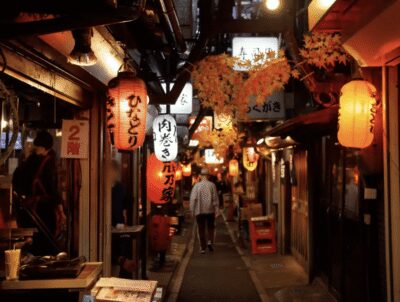 ★ 4.9Tokyo: Shinjuku Local Bar and Izakaya Guided Walking TourFrom $343 hours
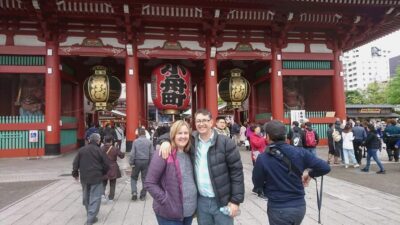 ★ 4.8Tokyo: Private City Highlights Tour with Local GuideFrom $1064 - 8 hours
 ★ 4.9Tokyo: Tsukiji Fish Market Guided Walking TourFrom $222 hours
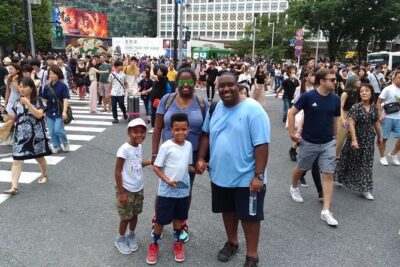 ★ 5.0Tokyo 4hr Private Tour with Government-Licensed GuideFrom $109
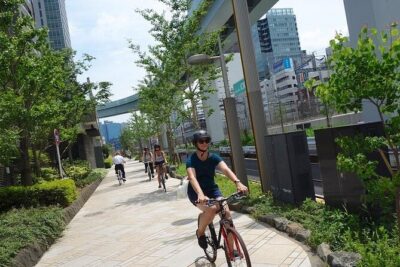 ★ 5.0Tokyo Guided Small-Group Biking TourFrom $106