Reviewed · TOKYO
IKEBANA experience
Ikebana here is more than a flower-arranging class. Hiromi welcomes you into her home studio near Toritsu-daigaku Station, where a traditional Japanese room, tatami flooring, and garden give the lesson a real sense of place. She teaches in clear English, demonstrates first, then lets you create your own arrangement.
In This Article
- Key points to know before you book
- A quiet introduction to ikebana in Tokyo
- What happens during the 90-minute lesson
- Why Hiromi’s teaching style suits beginners
- The home studio and Japanese room
- A good choice for couples, families, and children
- How much value do you get for $115.31?
- Getting there and planning your visit
- Who will get the most from this ikebana class?
- Small details that make the class memorable
- Should you book Hiromi’s ikebana experience?
- FAQ
- Where does the ikebana experience take place?
- How long does the class last?
- Is the class taught in English?
- Is this a private activity?
- What happens during the ikebana lesson?
- Are matcha and Japanese sweets included?
- Is the activity suitable for children?
- Can I cancel for a refund?
I like the calm, personal setting, and I like that Hiromi leaves room for your own ideas instead of asking you to copy her work exactly. The matcha and wagashi served afterward are a lovely extra, especially in the tatami room. The main consideration is the price: at $115.31 per person for about 90 minutes, this is a special occasion activity rather than a cheap craft class.
Key points to know before you book

- Private instruction with Hiromi: Only your group takes part, so the pace and advice can be adjusted to your experience.
- A real Tokyo home setting: You visit a Japanese house and see its tatami room, garden, and traditional neighborhood near Toritsu-daigaku.
- A gentle beginner-friendly format: Hiromi demonstrates with a textbook, explains how to cut and place the flowers, then guides your own arrangement.
- English teaching: The class is conducted in English, and Hiromi is described as patient, fluent, and easy to understand.
- Matcha and wagashi afterward: If the timing works, you can enjoy green tea and Japanese sweets in the tatami room.
- Suitable for families and couples: Children, adults, and several generations have taken part, with freestyle options available.
A quiet introduction to ikebana in Tokyo
Tokyo can be noisy, crowded, and fast. This class offers a useful change of rhythm. Instead of rushing between major sights, you spend about an hour and a half paying attention to stems, lines, empty space, and the shape of a small arrangement.
You meet at Toritsu-daigaku Station, at 1-chōme-5-1 Nakane in Meguro City. From there, the experience takes place at the same location, so you do not need to plan a second drop-off point or find your way across town afterward.
The setting matters. You are not simply sitting in a modern classroom with flowers on a table. You enter a private Japanese home and see a traditional-style room and garden. That does not turn the activity into a formal tea ceremony or a historical house visit, but it gives the lesson a more personal connection to daily Japanese culture.
Hiromi teaches in English and begins with an example. She uses a textbook as a guide, explains the basic approach, and shows how to cut and place the flowers. Then you work on your own arrangement while she watches and offers help.
That order works well for beginners. You get enough instruction to avoid feeling lost, but you are not kept on the sidelines for the whole lesson. You make the piece yourself, which is the part you are most likely to remember.
If you're still narrowing it down, here are other tours in Tokyo we've reviewed.


What happens during the 90-minute lesson

The class starts with an introduction to ikebana and its background. The exact amount of history depends on your questions and interests, but the experience is designed to teach the foundations rather than rush straight into decoration.
Hiromi first creates a sample arrangement while referring to the textbook. Watch how she handles the stems and how she decides where each element belongs. One useful point from the class format is that ikebana is not about filling a container with as many flowers as possible. The beauty comes from line, form, space, and the relationship between the flowers and water.
After the demonstration, you make your own arrangement. Hiromi helps with the practical parts, including cutting the flowers properly, and then gives comments or makes small revisions when useful. This is a good balance for a first lesson. You have guidance, but you also get to make choices.
That freedom is especially helpful if you already enjoy flowers or want to create something less formal. You can ask to start with the basics, or use the textbook to explore an arrangement in your own way. The class is not presented as a rigid performance where there is only one acceptable result.
At the end, you can take a photo of your work. That simple step matters, since an ikebana arrangement is temporary. The flowers may not travel well, but a photograph lets you keep a record of what you made.
The lesson generally lasts about 1 hour and 30 minutes. That is enough time for an introduction, demonstration, practice, and feedback without taking half a day from your Tokyo plans. If you are hoping for a long, formal study of ikebana, this will feel short. For a first encounter, the timing is sensible.
Why Hiromi’s teaching style suits beginners
The strongest feature of this experience is the teaching. Hiromi is patient, friendly, and comfortable speaking English. That removes one of the main worries many visitors have when booking a hands-on activity in Japan: not being able to follow the instructions.
The lesson also has a relaxed feel. Hiromi demonstrates carefully and then gives you time to work. Several class details point to a teacher who does not simply take over when your arrangement looks different from the sample. She offers comments and revisions while leaving room for your creativity.
That approach works for people who are nervous about art classes. You do not need to arrive with drawing skills or previous ikebana experience. The point is to learn how the arrangement is built and to understand why each placement matters.
It also works for people who already have some interest in flowers. You can ask questions about Tokyo, Japanese culture, or the art itself. If you want to continue after returning home, supplies may be available for purchase, giving you a way to keep practicing.
I would still keep expectations sensible. A 90-minute lesson cannot teach every school, form, or rule of ikebana. You will learn a foundation and make one arrangement, not complete professional training.
The home studio and Japanese room

The home setting gives this class a different character from a standard tourist workshop. The Japanese-style room provides the traditional backdrop, and the garden adds another visual link to flowers and the seasons.
The tatami room is also where the optional tea service may take place. Sitting with matcha and a Japanese sweet after the arrangement creates a natural pause. You have time to look at what you made, ask questions, and enjoy the room rather than rushing out as soon as the practical work ends.
This part depends on time. Matcha and wagashi are offered if the schedule allows, so you should not book the class solely as a tea ceremony. Tea ceremony basics can also be explained if you are interested, but the main subject remains ikebana.
That distinction is important. If your priority is a full tea ceremony, choose an activity designed around tea. If you want a flower lesson with a small taste of tea culture afterward, this arrangement makes sense.
The home visit also means the experience feels intimate. It is a private activity for your own group, not a large class. Couples, families, and small groups can share the lesson without being placed with strangers.
A good choice for couples, families, and children

Couples can treat this as a quiet shared activity during a busy Tokyo trip. Each person creates an arrangement, so you can compare your choices without competing for the teacher’s attention.
It also suits families. The class has worked for a mother and daughter, a husband and son, and groups spanning three generations. A three-year-old was able to enjoy a freestyle approach, which suggests that younger children can take part when the lesson is adjusted to their attention span.
Still, children need supervision around scissors, flowers, and water. The activity is not described as a dedicated children’s program, so parents should decide if their child will enjoy a calm lesson lasting around 90 minutes.
The flexibility is useful for mixed-age groups. One person may want basic instruction, while another may prefer to make more personal choices. Hiromi can comment on each arrangement individually because the booking is private.
Solo visitors can also fit comfortably into the format. One student received help with a scheduling conflict and was able to make an arrangement she felt proud of. That personal attention is easier to provide in a one-group lesson than in a busy workshop.



How much value do you get for $115.31?

At $115.31 per person, the cost is high for a 90-minute activity. If you are measuring value only by time or by the price of flowers, there are cheaper craft classes in Tokyo.
The better comparison is what the fee includes in practical terms: private instruction, English guidance, a visit to a Japanese home, the use of a traditional room, and the chance to make your own arrangement. Matcha and wagashi may be included when there is time, adding to the cultural side of the visit.
You are also paying for the setting and the personal attention. Hiromi does not simply explain a technique to a room full of people and send everyone away. She demonstrates, watches your work, comments on it, and helps refine it.
I would book this if you value an intimate cultural activity and want to leave with a skill you can try at home. I would skip it if you mainly want a low-cost souvenir or a long sightseeing tour.
The price may make more sense for a couple or family who wants one memorable activity rather than several quick stops. Since the class is private, you are not paying for a large group experience with limited contact.
Getting there and planning your visit

The meeting point is near Toritsu-daigaku Station in Meguro City. The activity begins and ends there, which makes it easier to fit into a day of Tokyo sightseeing.
You receive confirmation when you book, and the mobile ticket is convenient for a city where you may already be carrying train information, restaurant bookings, and attraction tickets on your phone. The location is near public transportation, but the supplied details do not give a walking time from the station, so allow a little extra time to locate the meeting point.
The experience is best planned as a calm block in your schedule. Avoid placing it between two tightly timed reservations. You may want a few minutes before the class to find the station exit and settle in, especially if you are unfamiliar with Meguro City.
The activity requires good weather. If poor weather causes cancellation, you are offered another date or a full refund. A minimum group size also applies, and if that requirement is not met, you are offered a different date or experience or a full refund.
You can cancel for a full refund up to 24 hours before the start time. Changes or cancellations inside that 24-hour window are not accepted and are not refunded, so check your Tokyo plans before booking.
Who will get the most from this ikebana class?

This is a strong match for you if:
- You want to meet a local instructor in a private setting.
- You prefer hands-on culture to a quick photo stop.
- You are curious about Japanese flowers, design, or tea.
- You want English instruction.
- You are traveling as a couple, family, or small private group.
- You like the idea of continuing a creative hobby at home.
It is also a good choice if Tokyo sightseeing has left you tired. The slow pace, careful cutting, and focus on simple forms can feel restorative without requiring a full day away from the city.
You may want another activity if you need a strict, formal lesson in a particular ikebana school. The format is introductory and flexible, and the emphasis is on creating your own arrangement with guidance.
You should also consider your group’s comfort with a private home visit. That is part of the appeal, but it is different from meeting in a public studio or hotel. The setting is personal, quiet, and connected to the instructor’s daily life.
Small details that make the class memorable
The best part of the experience is the connection between the lesson and the place. You learn to notice line and space in the arrangement, then sit in a room designed around simplicity and proportion.
The matcha service adds a pleasant closing ritual. Wagashi, or Japanese sweets, gives you a taste of a traditional pairing without turning the whole class into a formal ceremony.
The class can also help you see Japanese culture in a less staged way. You are not only looking at a display in a museum. You are learning how to handle flowers, hearing about the tradition, and entering a home where Japanese-style rooms and a garden are part of the surroundings.
I also like that the lesson does not end when you leave Tokyo. If you purchase supplies, you can try making arrangements at home. The work is temporary, but the method can stay with you.
Should you book Hiromi’s ikebana experience?
Book it if you want a personal, peaceful introduction to Japanese flower arranging and are comfortable paying a premium for private English instruction in a home setting. Hiromi’s patience, clear teaching, and willingness to support your own ideas are the main reasons to choose it.
The experience is especially suitable for first-time students, couples, families, and anyone who wants a cultural memory that is quieter than Tokyo’s major sights. Just remember that matcha is offered if time permits, and the class is an ikebana lesson first, not a full tea ceremony.
At $115.31, this is not the bargain activity on your itinerary. It is a focused cultural experience with a personal setting and a finished arrangement to photograph. If that sounds like the kind of Tokyo memory you want, the price can be justified.
FAQ
Where does the ikebana experience take place?
The meeting point is near Toritsu-daigaku Station at 1-chōme-5-1 Nakane, Meguro City, Tokyo 152-0031, Japan. The activity ends back at the meeting point.
How long does the class last?
The experience lasts approximately 1 hour and 30 minutes.
Is the class taught in English?
Yes. Hiromi teaches the lesson in English and explains the demonstration and flower-arranging process.
Is this a private activity?
Yes. Only your group participates in the activity.
What happens during the ikebana lesson?
Hiromi makes a sample arrangement while using a textbook, explains the process, and then has you create your own arrangement. She can comment on or revise your work before you take a photo.
Are matcha and Japanese sweets included?
If there is time after the lesson, Japanese sweets and matcha are offered. Basic tea ceremony instruction may also be available if you are interested.
Is the activity suitable for children?
Most travelers can participate, and the class has accommodated children and groups of several generations. Younger children can take part in a freestyle approach, but parents should supervise them during the hands-on work.
Can I cancel for a refund?
You can cancel up to 24 hours before the experience start time for a full refund. Cancellations or changes made less than 24 hours in advance are not accepted or refunded. If poor weather or an unmet minimum group size cancels the activity, you are offered another date or a full refund.
More tours in Tokyo we've reviewed












Tokyo, compared.
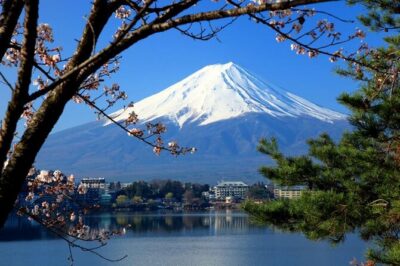 ★ 5.0Mt Fuji and Hakone 1-Day Bus Tour Return by Bullet TrainFrom $163
 ★ 5.01-Day Tokyo Bus TourFrom $129
 ★ 4.6Tokyo: teamLab Planets TOKYO Digital Art Museum Entry TicketFrom $251 day
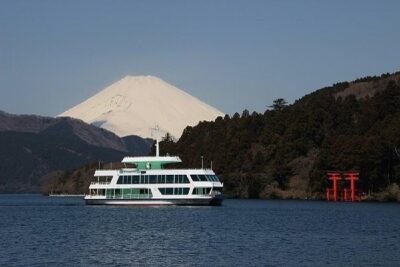 ★ 4.0Mt Fuji & Hakone Cruise, Drum Show Bullet Train 1 Day from TokyoFrom $149
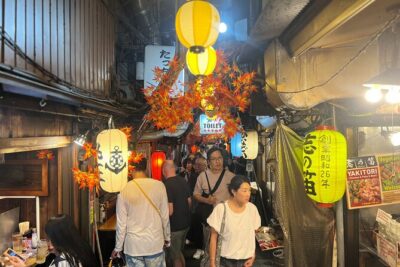 ★ 5.0Tokyo: Shinjuku Food Tour (13 Dishes at 4 Local Eateries)From $86
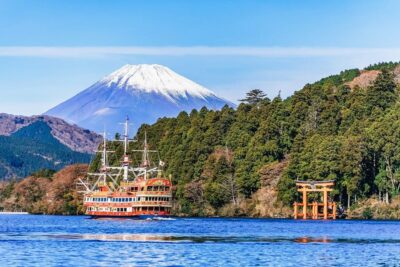 ★ 4.4Tokyo Mt Fuji 5th St & Hakone Cruise Bus Tour w/Bullet TrainFrom $15410 hours