Reviewed · TEA CEREMONY & MATCHA
Matcha Experience with of Japanese Tea Tasting in Tokyo
The best part of this Tokyo experience is that tea is treated as a crop, a craft, and a daily pleasure, not just a green drink in a pretty bowl. Chisei, a former Kyoto tea farmer, explains how cultivation and processing change the flavor, then guides you through several teas. I like the five-person limit and the homemade sweets from Rina. The only drawback is that 90 minutes goes quickly when so many teas are on the table.
In This Article
- Key points at a glance
- Why this tea class is different from ordering matcha in Tokyo
- Meeting Chisei and Rina at Kotobuki
- A seasonal welcome drink starts the tasting
- Six Japanese teas, six different ways to read the leaf
- Japanese black tea and Rina’s homemade sweets
- Making ousucha with a bamboo whisk
- What the $57.98 price covers
- Who should book this experience?
- Timing, access, and cancellation
- My verdict on this Tokyo matcha class
- FAQ
- Where does the matcha experience take place?
- How long does the experience last?
- How many people can join?
- Which teas are included?
- Are matcha lattes included?
- Are snacks included?
- Do I get to make matcha myself?
- What is the cancellation policy?
I also like that you do not need to arrive as a matcha fan. You taste sencha, kabusecha, Gyokuro, hojicha, genmaicha, Japanese black tea, matcha, and latte versions, so you can compare delicate, roasted, grassy, sweet, and fuller flavors. This is a class rather than a formal tea ceremony, and that makes it friendly and practical, though anyone seeking a grand temple setting may find the urban meeting place modest.
Key points at a glance

- Former Kyoto tea farmer Chisei leads the lesson: You get first-hand explanations of growing and processing tea.
- Seven or more tea styles in one sitting: Compare sencha, kabusecha, Gyokuro, deep-steamed sencha, genmaicha, hojicha, Japanese black tea, and matcha.
- You make your own ousucha: A bamboo whisk lesson gives you a skill to repeat at home.
- Rina’s homemade sweets add a personal touch: Tea is paired with handmade treats, and tea leaves may also be served with ponzu.
- Small group, short format: The experience lasts about 90 minutes and accepts no more than five people.
- Good value for serious tasters: At $57.98 per person, the price covers multiple teas, matcha, lattes, sweets, and instruction.
Why this tea class is different from ordering matcha in Tokyo

You can order matcha all over Tokyo. That usually tells you little about where the tea came from or why one cup tastes sweet while another tastes sharp or roasted. This experience gives you the missing background.
Chisei grew tea in Kyoto for six years before becoming a practicing pharmacist. That combination matters. He can explain tea in plain terms, but he also brings the viewpoint of someone who worked with the plant itself. You learn that different Japanese teas come from related leaves, yet their cultivation and processing create very different drinks.
The lesson includes images and diagrams to explain those differences. That helps because tea names can blur together after a few days in Japan. Instead of trying to remember isolated definitions, you connect each tea to its leaf shape, color, fragrance, preparation, and taste.
The class is also hands-on. You do not simply watch Chisei prepare tea. Near the end, you use a bamboo whisk to make ousucha, the thinner style of matcha commonly served in a casual tea setting. You leave knowing the basic method, rather than only having photographed someone else doing it.
A few more Tokyo tours and experiences worth a look

Meeting Chisei and Rina at Kotobuki
The meeting point is matcha tripJapan, located on the second floor of the Henn Na Hotel at 3-19-8 Kotobuki in Tokyo’s Taito City. The class takes place in the Sports Bar Leaf area. It is near public transportation, and the activity finishes at the same point.
This is useful to know before booking. You are not heading to a famous garden or a traditional tea house. The setting is a practical urban venue, so the focus stays on the tea and teaching. If you want architecture, ceremony costumes, or a staged cultural performance, this is not that kind of outing.
The small group makes the format work. With a maximum of five people, you can ask questions without waiting behind a large tour group. Chisei has been praised for patiently answering questions and encouraging curiosity, while Rina helps create the warm, home-style feel through her sweets and conversation.
English is available. Specific comments describe both hosts as easy to understand, and Chisei’s diagrams help carry the lesson even when tea vocabulary is new to you.
A seasonal welcome drink starts the tasting
The session begins with a seasonal welcome drink. While you enjoy it, the hosts explain the Japanese teas that will appear during the class.
This first drink gives you a gentle start before the tasting becomes more detailed. It also sets up an important idea: Japanese tea is not one flavor or one brewing method. The goal is to pay attention to color, leaf shape, fragrance, and taste.
You do not need a trained palate. A useful approach is to notice simple contrasts. Is the tea light or full? Does it taste fresh, roasted, sweet, grassy, or nutty? Does the aroma arrive before the flavor? These basic observations are enough to make the later comparisons more interesting.
The pace is fairly quick. Six teas are compared in the next part, so this is not a slow, meditative ceremony with long pauses between every cup. If you enjoy asking many questions, use the small group to do so, but keep in mind that the class has several tasting stages to cover.
Six Japanese teas, six different ways to read the leaf
The central tasting compares sencha, kabusecha, Gyokuro, deep-steamed sencha, genmaicha, and hojicha. The tea is prepared in ways intended to show each style at its best.
You first look at the tea leaves, including their color and shape. Then the hosts prepare the tea for you to examine by sight, aroma, and flavor. This order is helpful because it turns each cup into a small lesson instead of a parade of drinks.
Sencha is the familiar reference point for many people. From there, kabusecha and Gyokuro show how shading affects Japanese green tea. Deep-steamed sencha brings another processing difference, while genmaicha adds toasted brown rice character. Hojicha, made from roasted tea, gives you a much warmer, less grassy profile.
You may also get the chance to eat tea leaves with ponzu. That unusual detail helps explain that the leaf is not merely a disposable brewing ingredient. It is a small, memorable taste of how tea can appear in food as well as in a cup.
The benefit of this sequence is comparison. A single cup can be pleasant, but several styles tasted side by side give you a better sense of what you actually like. You might discover that you prefer the savory depth of Gyokuro, the toastiness of genmaicha, or the gentle roast of hojicha over the grassy flavor often associated with matcha.
Japanese black tea and Rina’s homemade sweets
After the green tea comparison, the session moves to Japanese black tea with homemade sweets. This is a welcome change in both color and flavor, and it shows that Japan produces more than green tea.
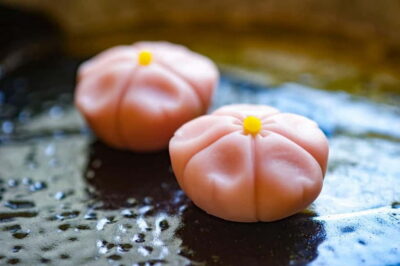
Rina prepares the sweets, which are one of the most warmly praised parts of the experience. The pairing is not an afterthought. The hosts select a Japanese black tea that works with the treats, giving you a chance to see how tea changes when tasted alongside something sweet.
The sweets also make the class feel personal. You are not being handed a factory-wrapped snack between demonstrations. The homemade element brings a little family hospitality to what could otherwise be a technical tasting.
If you have allergies, mention them before or at the start of the session. Chisei has been careful to ask about allergy conditions, but the supplied details do not list specific ingredients or promise a particular substitute. That makes an early conversation the sensible choice.




Making ousucha with a bamboo whisk

The matcha-making lesson comes at the end, after your palate has already encountered several tea styles. This is a smart order. You have context for matcha instead of treating it as an isolated trend drink.
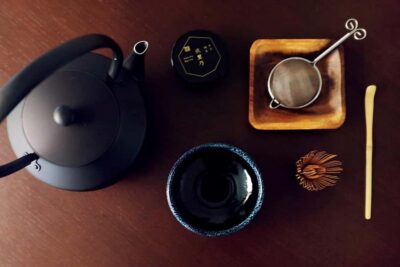
You make ousucha with a bamboo whisk. The hosts show you how to handle the whisk and prepare the tea, then you try it yourself. The lesson is designed for general visitors, so you do not need previous experience with a chasen or tea ceremony technique.
The practical value is clear. Once you understand the basic steps, you can repeat the process at home. That is more useful than a purely ceremonial demonstration, especially if you purchase matcha or a bowl during your time in Japan.
The class includes two types of matcha, plus three kinds of matcha latte and a hojicha latte. The exact order of those drinks is not fully specified, but you should expect more than one way to taste matcha. The latte options are particularly useful for people who find straight matcha too strong or bitter.
Keep in mind that the experience is not a full formal chanoyu ceremony. You are learning the fundamentals and tasting tea in an approachable setting. That is a strength for most first-time visitors, but a limitation for anyone looking for strict etiquette, elaborate ritual, or a long traditional performance.
What the $57.98 price covers

At $57.98 per person, this is not the cheapest drink stop in Tokyo. It is also not priced like a long sightseeing tour. You are paying for a compact lesson, several tastings, homemade sweets, and access to hosts who can explain the tea beyond a menu description.
The value is strongest if you would otherwise buy several different teas, attend a matcha demonstration, and look for a separate tasting. Seven tea varieties are included, along with two matcha types and latte preparations. The class also gives you a method you can use after returning home.
The five-person limit adds value because the session can respond to your questions. A large demonstration may be cheaper, but it cannot offer the same amount of direct contact with the instructor. If you are curious about farming, shading, roasting, or brewing, this format gives you room to ask.
The value is weaker if you only want a quick matcha drink or a photo opportunity. This is a learning experience. You should be ready to taste several cups and listen to explanations about cultivation and processing.
Who should book this experience?
I would recommend it to first-time matcha drinkers, tea fans, and visitors who want a quieter activity between Tokyo’s major sights. It also suits couples, friends, and solo participants who like small classes and direct conversation.
You do not need to know the difference between sencha and Gyokuro before arriving. In fact, beginners may get the most from the side-by-side tasting because the contrasts become clear as you go.
Experienced tea drinkers can also find plenty to enjoy, especially in the range of preparation styles and the chance to ask a former tea farmer detailed questions. One point to remember: the hosts describe this as a class for general visitors, not a commercial consultation or wholesale meeting. If your purpose is business-related, contact the provider before booking.
The experience is not ideal if you dislike tea, cannot consume caffeine, or want a large-scale cultural show. The supplied details do not state caffeine-free options or a complete ingredient list, so ask ahead if either issue matters to you.
Timing, access, and cancellation
The experience lasts about one hour and 30 minutes. That makes it easy to fit into a Tokyo day, but do not expect a leisurely half-day workshop. The schedule is full: welcome drink, six-tea comparison, Japanese black tea with sweets, matcha preparation, and latte tasting.
A mobile ticket is provided, and confirmation is received at booking. The meeting point is near public transportation. Service animals are allowed.
You can cancel for a full refund up to 24 hours before the local start time. Changes or cancellations made inside that 24-hour window are not accepted for a refund. Check your meeting details carefully because the activity begins and ends at the same Tokyo location.
My verdict on this Tokyo matcha class
Book this experience if you want to understand why Japanese tea tastes different from cup to cup, not simply drink a fashionable matcha latte. Chisei’s farming background gives the lesson substance, while Rina’s sweets and the small group keep it friendly.
The strongest reason to go is the combination of tasting and instruction. You compare six Japanese teas, try black tea and matcha in several forms, eat homemade sweets, and make your own ousucha. The main caution is the tight 90-minute schedule and plain urban venue.
At $57.98, I consider it a fair buy for anyone who values practical teaching and a broad tasting. It is especially worth booking early if you want the five-person format, since the small capacity is part of what makes the class personal.
FAQ
Where does the matcha experience take place?
It meets at matcha tripJapan, 111-0042 Tokyo, Taito City, Kotobuki, 3-chōme 19-8, on the second floor of the Henn Na Hotel in Sports Bar Leaf.
How long does the experience last?
The class lasts approximately one hour and 30 minutes.
How many people can join?
The activity has a maximum of five participants.
Which teas are included?
The tasting includes sencha, kabusecha, Gyokuro, deep-steamed sencha, genmaicha, hojicha, Japanese black tea, and matcha. The supplied details describe the program as serving seven varieties, while the schedule lists eight tea styles including matcha.
Are matcha lattes included?
Yes. The experience includes three kinds of matcha latte and a hojicha latte, along with two types of matcha.
Are snacks included?
Yes. Homemade sweets are served with Japanese black tea. Tea leaves with ponzu may also be part of the tasting.
Do I get to make matcha myself?
Yes. You make ousucha with a bamboo tea whisk during the final part of the class.
What is the cancellation policy?
You can cancel at least 24 hours before the local start time for a full refund. Cancellations or changes made less than 24 hours before the start are not refunded or accepted.
More Tea Ceremony & Matcha in Tokyo


More tours in Tokyo we've reviewed












Tea Ceremony & Matcha, compared.
 ★ 5.0Matcha Making Class in Tokyo with Authentic Japanese Sweets SetFrom $21
 ★ 5.0Kimono Tea Ceremony at Tokyo, Asakusa MaikoyaFrom $55
 ★ 5.0Tokyo: Traditional Tea Ceremony with a Tea MasterFrom $381 hour
 ★ 4.5Dynamic Tokyo: Tokyo Tower, Tea Experience, Bay Cruise Day TourFrom $99
 ★ 4.9Tokyo: Matcha Making Experience with Mochi Sweets in AsakusaFrom $221 hour
 ★ 4.7Tokyo: Matcha and Kimono ExperienceFrom $57