Reviewed · ASAKUSA TOURS
Tokyo Tours in Spanish (Asakusa – Skytree Tower- Akihabara)
Tokyo can feel like three cities at once, and this Spanish-language tour gives you a friendly guide through three very different sides of it: traditional Asakusa, the modern Tokyo Skytree area, and electronic Akihabara. I like the eight-hour length and the small groups, limited to 10 people. You have time to ask questions instead of being pushed from stop to stop.
In This Article
- Key points to know before booking
- A full day across old Tokyo and electric Tokyo
- Starting in the hotel lobby or at a meeting point
- Asakusa: a traditional opening to the day
- Tokyo Skytree: a modern view with extra costs
- Akihabara: electronics, shopping, and pop culture
- What the Spanish-speaking guide adds
- Is $103 a fair price?
- Group size, pace, and comfort
- Who will get the most from this experience?
- Should you book this Tokyo tour in Spanish?
- FAQ
- Where does the tour begin?
- Is hotel pickup guaranteed?
- What language does the guide speak?
- How long does the tour last?
- What neighborhoods are included?
- Is transportation included?
- Are food and drinks included?
- Are temple or Skytree viewpoint tickets included?
I also like that guides such as Beto, Ana, and Huit focus on culture, religion, daily life, and practical tips, not just photo stops. The main catch is cost control: transportation, meals, and admission fees are extra, and the tour involves plenty of walking.
Key points to know before booking
- Spanish from start to finish: You have a live Spanish-speaking guide throughout the day, useful when Tokyo signs, transport, and customs feel confusing.
- Three distinct Tokyo areas: Asakusa offers old Tokyo atmosphere, Skytree brings big city views, and Akihabara delivers arcades, electronics, and pop culture.
- Eight hours in a group of 10 or fewer: This is a full day, not a quick orientation walk.
- Local transport is part of the experience: Trains and other city transport are used, but you pay those fares separately.
- Experienced local guides: The guides have more than 15 years living in Japan, with Beto, Ana, and Huit specifically praised by name.
- Flexible meeting arrangements: The day begins in a hotel lobby when pickup is arranged, or at a meeting point for a group.
A full day across old Tokyo and electric Tokyo
The appeal here is contrast. Asakusa, Tokyo Skytree, and Akihabara sit in the same broad part of the city, but they give you three very different impressions of Japan. In one day, you move from temple traditions to a record-breaking tower district and then into Tokyo’s electronics and anime center.
That variety makes the tour useful early in your stay. You get a first look at how Tokyo layers old customs, modern engineering, shopping, religion, and popular culture side by side. You also have a Spanish-speaking guide to explain what you are seeing instead of leaving you to decode it alone.
The pace is likely to feel active. The stated duration is eight hours, and the tour is designed as a walking experience supported by local transportation. Wear comfortable shoes, carry water, and expect the day to include time on your feet.
The exact order of stops can vary, and the information provided does not promise a fixed list of minor sights within each neighborhood. Think of the named districts as the backbone of the day, with the guide explaining the details and helping you move through Tokyo without getting lost.
A few more Tokyo tours and experiences worth a look


Starting in the hotel lobby or at a meeting point
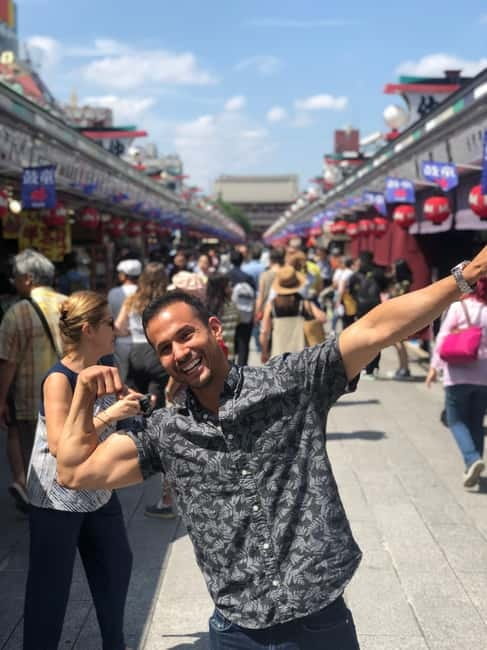
The tour begins in a hotel lobby when that arrangement is available. For group departures, you may instead use a designated meeting point. Confirm the exact starting instructions when you book, especially if you are staying outside the central parts of Tokyo.
This setup is helpful for first-time visitors. Tokyo’s stations can be large, crowded, and confusing, and a guide who meets you at the hotel can remove one stressful decision from the morning. The tradeoff is that pickup is not described as universal, so you should not assume every booking includes door-to-door collection.
The guide then uses local transportation with you. Those fares are not included in the $103 price, but using the city’s own transport gives you a more useful sense of how Tokyo works than riding in a private vehicle from sight to sight.
That also means you should budget for transport during the day. The amount is not specified, so the final cost depends on the routes used and the number of rides.
Asakusa: a traditional opening to the day
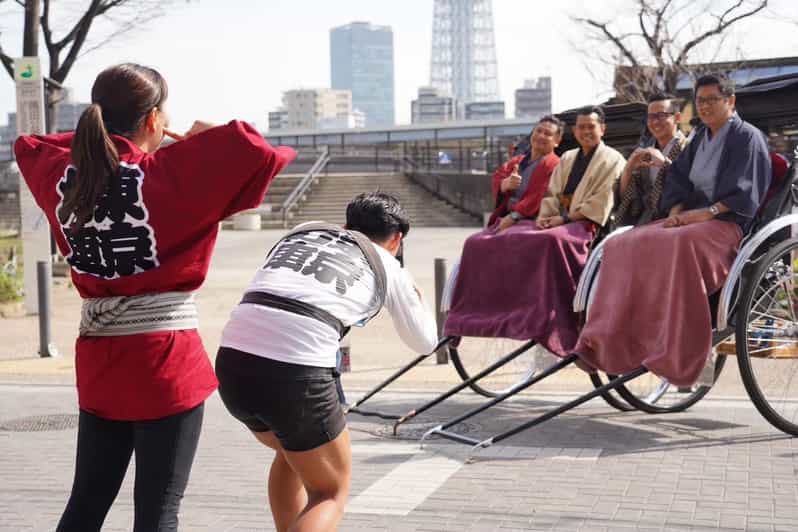
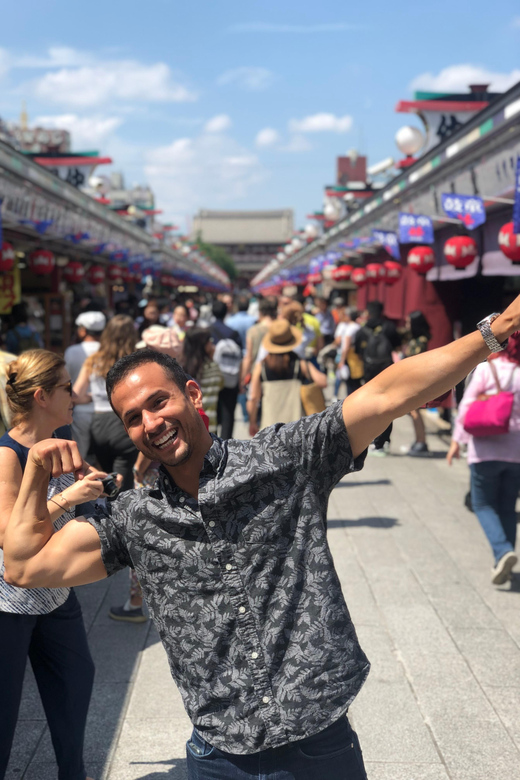
Asakusa is the natural place to begin a Tokyo introduction because it connects the city you may picture from old photographs with the enormous modern capital around it. The focus here is not simply taking a temple photo. Your guide is expected to explain culture, traditions, religion, and everyday life, which can make the area easier to understand.
A Spanish explanation matters in a place where etiquette and religious customs may not be obvious. You can ask why visitors behave a certain way, what a ritual means, or how a religious site fits into Japanese life. The guide’s role is especially useful if you want context rather than a fast walk past landmarks.
Asakusa can also be one of the more approachable parts of Tokyo for a first visit. The atmosphere is more readable than the maze of a major railway station, and the area gives you a clear starting point for learning how Japanese religious and cultural spaces work.
Do not expect every minute to be spent indoors or at a formal attraction. This is a walking tour, and temple entry fees are not included. If the guide suggests entering a paid site, you will need to pay separately. The supplied information does not specify which temple admissions, if any, are part of the route.
Tokyo Skytree: a modern view with extra costs
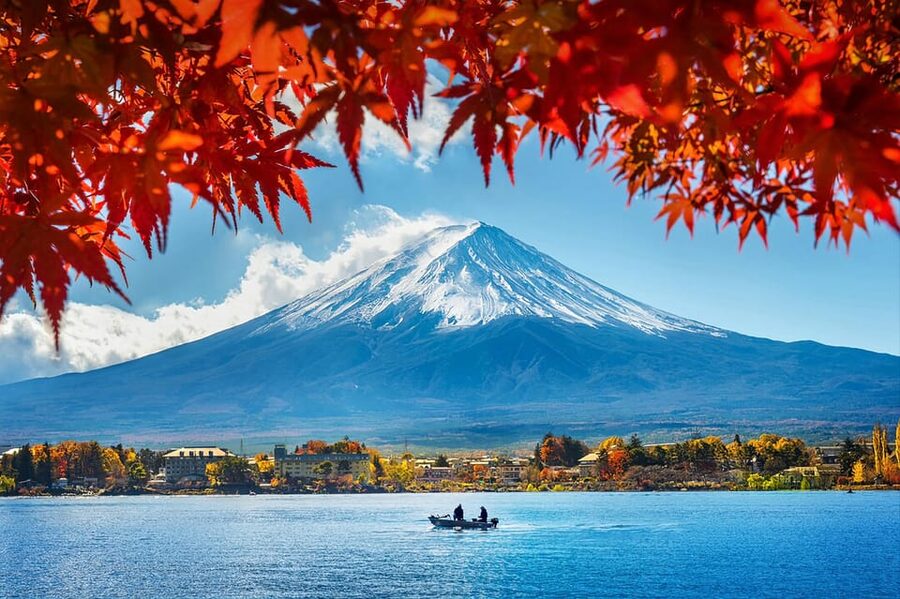
The Tokyo Skytree portion shifts the mood from tradition to engineering and city scale. The tower is one of Tokyo’s most recognizable modern sights, and the surrounding district gives you a different way to understand the city’s size.
The important practical point is that viewpoint admission is not included. The tour may take you to the Skytree area, but entering a paid observation level costs extra. If you are watching your budget, ask before the day begins whether your chosen plan includes an admission stop or only an exterior visit and explanation.
That distinction matters. Some people want a high city view and are happy to pay for it. Others would rather spend the money on food or shopping. Since this tour already costs $103 per person, knowing what is and is not included will help you avoid surprises.
The guide can still add value even if you skip the paid viewpoint. You can get help understanding the area, take photographs, and learn how this modern landmark fits into Tokyo. The exact view experience depends on whether you purchase entry and on the day’s conditions, neither of which is guaranteed by the supplied details.
Akihabara: electronics, shopping, and pop culture
Akihabara brings the sharpest change in atmosphere. It is associated with electronics, games, anime, manga, and Tokyo’s technology-driven popular culture. The day’s shopping element appears to be flexible, since one account specifically describes time spent shopping and visiting Instagram-friendly places.
That makes Akihabara a good match if you want help finding the parts of Tokyo that are hard to interpret on your own. A local Spanish-speaking guide can help you understand what different shops and streets are known for, while also pointing out photo locations that may not be obvious from a standard guidebook.
The shopping focus has a practical downside: your experience can change a lot depending on your interests. Someone fascinated by electronics or Japanese pop culture may wish for more time here. Someone mainly interested in temples and history may find the district less compelling.
The tour description does not promise shopping discounts, specific stores, or included purchases. Food and drink are also not included, so plan to pay for any meal or snack during the day. Your guide may know places that solo visitors do not find easily, but the provided details do not name a restaurant or guarantee a particular stop.
A few more Tokyo tours and experiences worth a look




What the Spanish-speaking guide adds
The strongest reason to choose this tour is not simply seeing three neighborhoods. It is having a guide who can explain what you are seeing in Spanish and help you function in a huge city.
The guides are described as having more than 15 years living in Japan. That length of local experience can be useful for questions about customs, religious practice, daily life, and transportation. It also supports the tour’s promise to show you places that an independent visitor may miss, although the exact extra stops are not listed.
The named guides give the experience a more personal identity. Beto is praised for explaining Tokyo’s neighborhoods, culture, traditions, religion, and way of life. Ana is described as friendly and clear in her explanations. Huit is remembered for warm treatment and a fun day.
The feedback is unusually consistent. The tour currently has a 5.0 rating from 11 posted bookings, with repeated praise for kindness, explanations, and help before and during the outing. One visitor also received useful tips for the rest of a Japan trip, which is a good reason to schedule this tour near the beginning of your holiday.
You should still understand the limits. A guide can make Tokyo easier to read, but the service does not include private transport, meals, or all attraction tickets. You are paying mainly for the guide’s time, Spanish communication, route support, and cultural explanation.
Is $103 a fair price?
At $103 per person, the value depends on how much help you want. For eight hours with a live Spanish-speaking guide and a group capped at 10, the price can make sense for a first full day in Tokyo. The guide’s local experience may save you time and reduce the effort of planning routes between three districts.
The value is weaker if you already speak Japanese, feel comfortable using Tokyo’s transport system, and prefer to set your own pace. You could visit the neighborhoods independently and then spend only on transportation, food, and admissions.
Remember to add the costs that are left out:
- City transportation
- Food and drinks
- Entry fees for viewpoints or temples
The tour does not charge extra if the day runs longer, according to the stated terms. That is a useful promise, although you should not build your schedule around an extension unless the guide confirms it.
The reserve-now, pay-later option also helps if your plans are still moving. You can hold a place without paying today, and cancellation is allowed up to 24 hours before departure for a full refund.
Group size, pace, and comfort
A maximum of 10 participants is small enough for questions and personal attention, while still keeping the price below that of a fully private tour. The actual feel will depend on how many people book, but the limit should make it easier to hear the guide and stay together.
This is not a vehicle-based sightseeing day. The description clearly calls it a walking tour and asks you to wear comfortable shoes. Tokyo’s scale means that even short-looking routes can involve stations, crossings, platforms, and long stretches on foot.
The tour is said to suit people of all ages, but comfort and stamina still matter. If someone in your group has difficulty walking for several hours, ask for more details before booking. No specific accessibility plan is provided.
Because the day uses local transport, you are also learning a practical travel skill. Your guide can help you understand the city’s movement patterns, but you will still be walking and riding with the public rather than being carried between attractions.
Who will get the most from this experience?
I would choose this tour for a first-time Tokyo visitor who wants a broad introduction without spending a day worrying about language, routes, and cultural mistakes. It is particularly well suited to Spanish-speaking families, couples, and small groups who want explanations in their own language.
It also fits people arriving in Japan with limited time. Asakusa, Skytree, and Akihabara are not interchangeable, so the day gives you several useful reference points for planning the rest of your stay.
The tour may be less suitable for repeat Tokyo visitors with a detailed personal plan. If you already know these neighborhoods and want long, unhurried time in one museum, shop, or viewpoint, the fixed full-day structure may feel restrictive.
You should also decide how much independent exploration you want. The guide handles much of the day’s direction, which is a benefit when Tokyo feels intimidating. It gives you less control than building your own route, but it can help you see more with fewer wrong turns.
Should you book this Tokyo tour in Spanish?
Book it if you want an eight-hour introduction to Tokyo with Spanish explanations, local transport support, and a guide who can connect temples, city views, shopping, religion, and daily life. The strong rating, repeated praise for guide warmth, and specific positive comments about Beto, Ana, and Huit make the human side of the experience its clearest strength.
Before committing, budget for transport, food, and any temple or Skytree admission. Confirm the meeting point, ask which Tour 1, 2, or 3 option you want, and check whether the plan includes a hotel pickup or a group meeting point.
For an independent visitor who values freedom above guidance, $103 may feel high. For a Spanish-speaking visitor who wants to get oriented quickly and understand Tokyo without language stress, it is a sensible way to spend one full day.
FAQ
Where does the tour begin?
The tour begins at a hotel lobby when pickup is arranged. If there is a group departure, you may instead meet at a designated meeting point.
Is hotel pickup guaranteed?
No. The information says that sometimes you will be picked up in the hotel lobby, while group tours may use a meeting point. Confirm the arrangement when booking.
What language does the guide speak?
The live guide speaks Spanish, and Spanish service is provided throughout the tour.
How long does the tour last?
The standard tour lasts eight hours. The stated terms say that an extension does not carry an extra charge.
What neighborhoods are included?
The experience is titled around Asakusa, Tokyo Skytree, and Akihabara. The exact order and smaller stops are not specified.
Is transportation included?
No. The tour uses local transportation, but city transportation costs are paid separately.
Are food and drinks included?
No. You pay separately for all food and drinks during the day.
Are temple or Skytree viewpoint tickets included?
No. Entrance fees to viewpoints or temples are not included in the tour price.
More Tickets & Passes in Tokyo


More Akihabara & Anime Tours in Tokyo
More Asakusa Tours in Tokyo
More tours in Tokyo we've reviewed





Asakusa Tours, compared.
 ★ 4.8Tokyo: Japanese Dance Cabaret Theater Asakusa-Kaguwa TicketFrom $492 hours
 ★ 4.7Tokyo: Meiji Shrine, Asakusa, Skytree Bus Tour and CruiseFrom $12210 hours
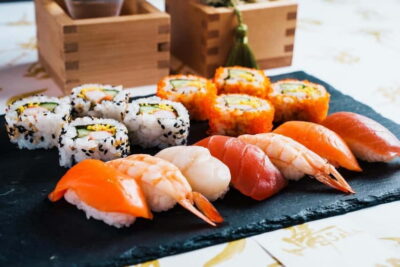 ★ 4.9Tokyo: Roll and Authentic Sushi Making Class in AsakusaFrom $581h 40m
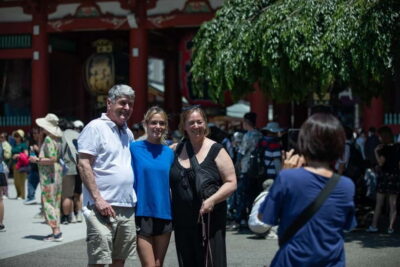 ★ 4.8Tokyo: Asakusa Walking Tour with Sensoji Temple VisitFrom $222 hours
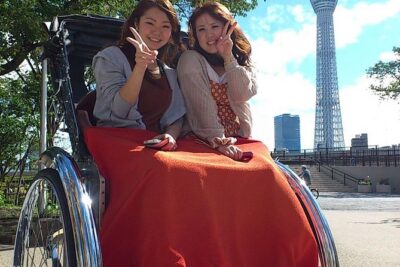 ★ 5.0Tokyo Asakusa Rickshaw TourFrom $42
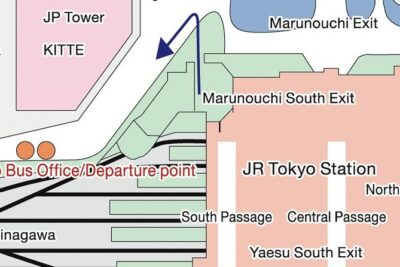 ★ 4.5Tokyo Panoramic 1 Day: Meiji Shrine, Asakusa, Odaiba and SKYTREE®From $85