Reviewed · GUIDED
Tokyo: Private Guided Tour with Hotel Pickup and Drop-off
Tokyo is a city where an ancient temple, a neon shopping street, and a futuristic waterfront can all fit into one day. This private tour gives you a car, a guide, and the freedom to shape the day around your group, rather than follow a fixed route. Guides including Ali, Usman, and Zei have been praised for adjusting plans, taking family photos, and making room for personal interests.
In This Article
- Key points at a glance
- Why a private car changes your Tokyo day
- Tsukiji Outer Market: start with Tokyo on a plate
- Senso-ji and Asakusa: Tokyo’s most rewarding old quarter
- Tokyo Skytree: a view with a time cost
- Meiji Shrine and Harajuku: two sides of one neighborhood
- Shibuya: the famous crossing and more
- The Imperial Palace: a peaceful pause with limits
- Odaiba: futuristic Tokyo at day’s end
- What the guides add to the day
- Making the flexible route work
- Comfort, access, and the fine print
- Who should book this Tokyo tour?
- Should you book it?
- FAQ
- How much does the private Tokyo tour cost?
- Is hotel pickup and drop-off included?
- Can I customize the sightseeing route?
- Which languages are available?
- Does the guide stay with me at every attraction?
- Are Wi-Fi and drinks included?
I like the hotel pickup and drop-off, which saves you from learning several train lines before breakfast. I also like the flexible pace: you can spend longer at Senso-ji, stop for snacks at Tsukiji, or add a place that matters to your family. The main drawback is that Tokyo traffic and parking can eat into sightseeing time, and the full list of stops may feel rushed if you linger everywhere.
Key points at a glance
- A private vehicle for up to six people: A practical choice for families, couples, and small groups who want to stay together.
- A route shaped around your interests: You can request major sights, shopping, food stops, photo locations, or extra places.
- Tokyo’s old and new in one day: The route can connect Tsukiji, Asakusa, Meiji Shrine, Shibuya, Skytree, and Odaiba.
- Guides who help with more than directions: Ali, Usman, Zei, Seiko, Mac, and others have been praised for cultural explanations, photos, and patient assistance.
- Wi-Fi and drinks in the vehicle: Useful during a long day of crossing Tokyo and taking breaks between walks.
- Best for a first look at Tokyo: You see a wide spread of districts quickly, then return later to your favorites by train or on foot.
Why a private car changes your Tokyo day
Tokyo’s public transport is excellent, but the city can still be tiring to connect. A temple in Asakusa, a shrine near Harajuku, a market in Tsukiji, and a view from Skytree are not next-door neighbors. On trains, you must handle transfers, crowded platforms, station exits, and the small but real challenge of knowing which street entrance is closest to your destination.
A private vehicle removes much of that work. You are collected at your hotel in Tokyo or a nearby area, then driven between districts while your guide helps set the rhythm. The air-conditioned car also gives you a place to rest during hot weather. One family specifically appreciated being able to take breaks in the car, while another group adjusted the start time to avoid the hottest part of the day.
This is not a chauffeur service with no walking. You still walk through temple grounds, shrine paths, markets, shopping streets, and public squares. The car simply handles the long jumps across the city. Ask your guide to use driving time for orientation, then save your energy for the places you care about most.
The vehicle is particularly useful for a group of four to six. At $461 per group, the price works out to about $77 per person for six people, before food and admission fees. For two people, it is a much more expensive way to see Tokyo than the train. For a family or group that values comfort, time, and one shared vehicle, the calculation is better.
Other guided tours in Tokyo
Tsukiji Outer Market: start with Tokyo on a plate
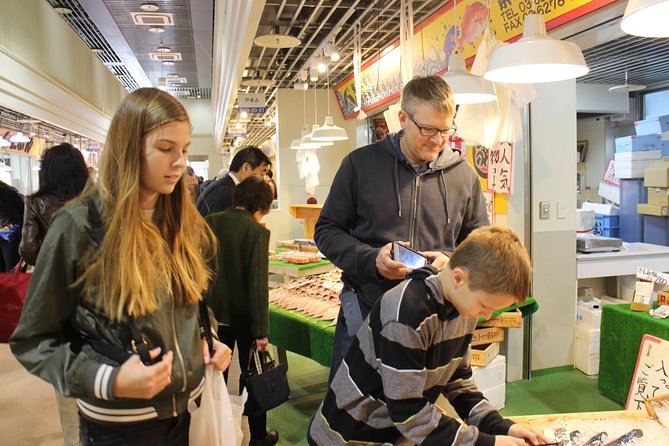
Tsukiji Outer Market is a lively opening stop, especially if you begin early enough to catch its food-shop energy. You have about 45 minutes here for shopping and sightseeing, so think of it as a short tasting stop rather than a full market expedition.
This is a good place to ask your guide for help choosing a snack or finding a suitable lunch. The tour price does not include food, so bring a payment method and decide in advance how much time you want to spend eating. If your group includes children, people with food allergies, or anyone who does not eat seafood, tell the guide before the day begins.
The market can be crowded, and its narrow lanes are not ideal for a slow, relaxed stroll with large bags. Still, it gives you an immediate sense of Tokyo’s food culture. I would use this stop for one or two carefully chosen bites, then keep moving unless the market is a central reason for booking the tour.
Senso-ji and Asakusa: Tokyo’s most rewarding old quarter
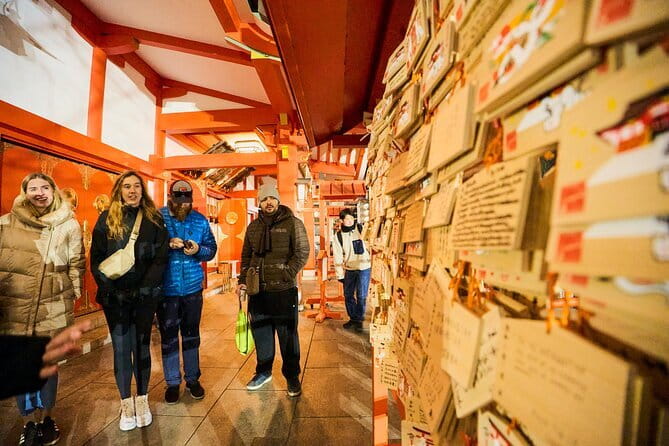
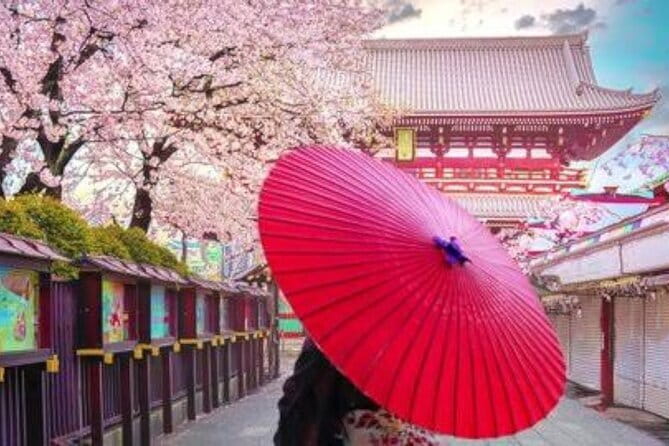
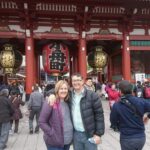
Senso-ji is one of the strongest stops on this route. You get roughly an hour for a guided visit, photographs, and time along Nakamise Shopping Street. The temple grounds offer a sharp change from Tokyo’s office towers and traffic, with traditional gates, incense, devotional customs, and rows of small shops.
Your guide can explain how to behave at a shrine or temple, including basic customs and rituals. That help matters because Japanese religious sites are active places of worship, not simply backdrops for photographs. Take a moment to watch what people do before copying the ritual, and ask questions rather than treating the visit as a quick photo stop.
Nakamise is also a useful place for small gifts and traditional snacks. The trade-off is that it can be crowded, and one hour passes quickly. If shopping is important to you, request extra time here and consider dropping a less essential stop later.
Tokyo Skytree: a view with a time cost
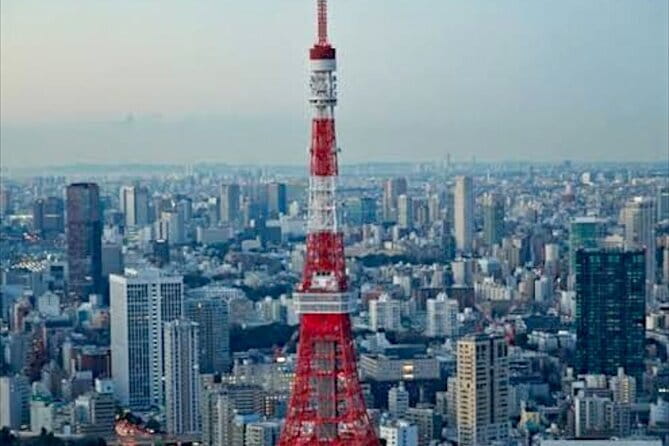
Skytree gives you a high view over the city and a useful sense of Tokyo’s scale. The planned stop lasts about an hour and includes walking, a guided visit, and photographs. Admission is not included, so check the current ticket cost before committing your group to the observation levels.
The tower can involve queues. One family found waiting time increased when an elevator broke, which is a reminder that a private vehicle cannot solve every delay. If the view is a top priority, tell the guide early and allow enough time. If you mainly want a picture of the tower, you can save money and time by viewing it from outside.
This is also one of the stops where the guide may not accompany you through every part of the attraction. You receive context and directions, then explore certain areas on your own. That arrangement is worth understanding before you book because a private tour does not mean the guide walks beside you at every ticketed site.
Meiji Shrine and Harajuku: two sides of one neighborhood
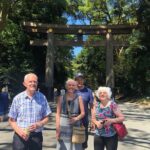
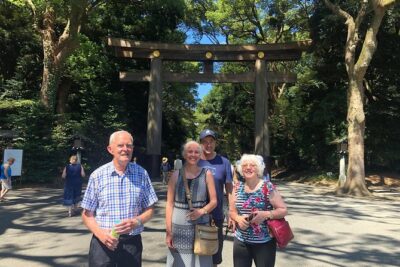
Meiji Shrine offers a calmer hour among trees near the center of Tokyo. The walk to the shrine is part of the experience, so comfortable shoes matter. Your guide can explain the difference between shrine customs and temple customs, along with the cultural role of the site.
The route then moves toward Harajuku, where the mood changes to fashion, youth culture, and shopping. The published plan allows about an hour here, but the exact use of that time depends on your interests. You might want photos and a short walk, or you may prefer shops and treats.
I like having both stops together because they show Tokyo’s range without requiring a separate day. The drawback is walking. Even with a car, you cover ground on foot, and the day becomes tiring if you expect a full shrine visit, serious shopping, and several other long stops.
Other private tours in Tokyo

Shibuya: the famous crossing and more

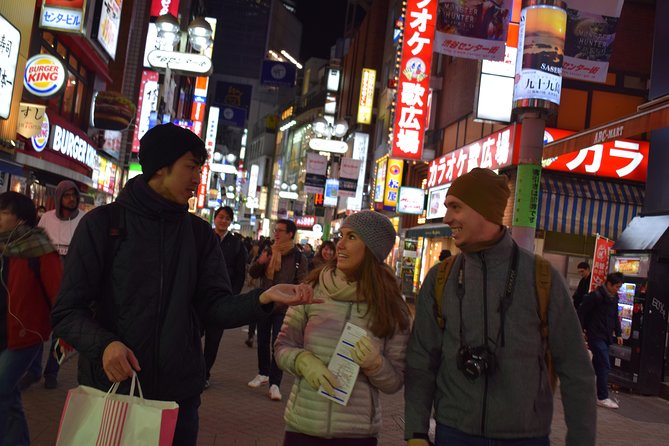
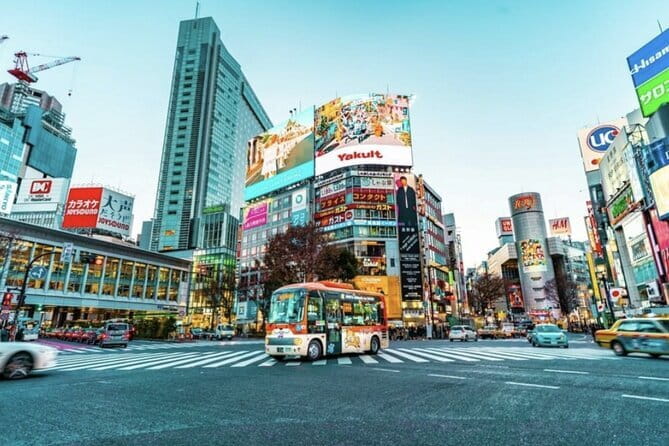
Shibuya is the city’s great rush of movement, with its famous crossing, department stores, fashion shops, and giant screens. The tour allows around an hour for photographs, shopping, and walking. Your guide can point out suitable viewing spots and help the group meet again after independent exploring.
This is a good stop for teenagers and first-time visitors who want the classic Tokyo scene. Several guides have also helped families find specific shops or souvenirs, which can save time in a district designed to keep you browsing.
Do not expect to understand Shibuya in one hour. The crossing is quick, while the surrounding streets can absorb an entire afternoon. Use the private tour to get your bearings, take photographs, and identify places to return to later by train.
The Imperial Palace: a peaceful pause with limits
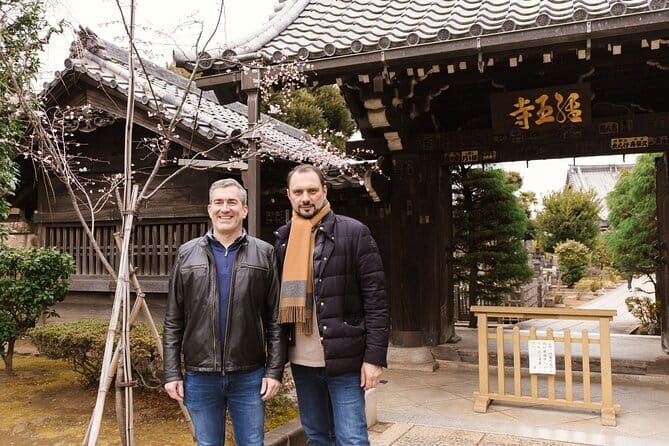
The Imperial Palace area gives the day a quieter break. You have about an hour for a guided visit and photographs, but access depends on which areas are open. The guide can provide background and point out the best available sights, yet may not stay with you at every part of the grounds.
This stop works well if your group wants open space and a change from shopping districts. It is less useful if you expect a detailed palace interior visit. Confirm what you will actually enter on your chosen date, and do not treat the hour as a guarantee of access to every section.
Because Tokyo’s central roads can be slow, the palace can also function as a sensible reset between busier districts. You can walk, take photos, and let the guide explain the setting without the pressure of a shopping list.
Odaiba: futuristic Tokyo at day’s end
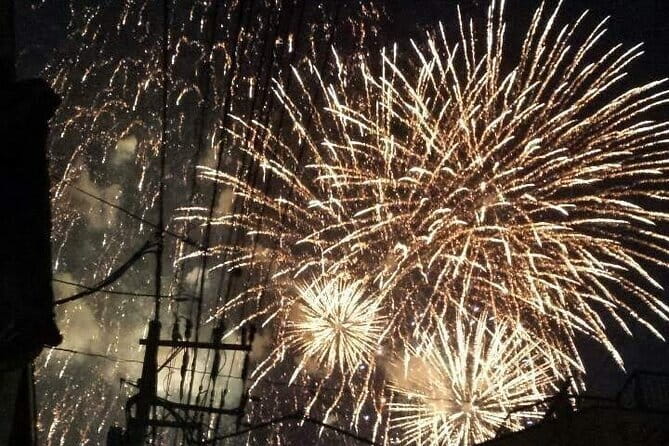
Odaiba brings the tour to Tokyo Bay and a more modern side of the city. The planned stop lasts about an hour, with time for photos, walking, and a guided visit. It is a useful contrast after temples, shrines, markets, and older neighborhoods.
The waterfront is spread out, so your guide’s vehicle helps you cover more than you would comfortably manage on foot. The exact appeal depends on your group. Some people will enjoy the open views and modern structures, while others may prefer using that hour for Akihabara, Ginza, Tokyo Tower, or an added food stop.
Because the tour is private, you can request a change. Several groups used their flexibility to add Akihabara for anime and electronics, Ginza for a particular shop, or other personal stops. Do this before the day starts if possible. A last-minute change may be possible, but traffic and opening hours still control what can fit.
What the guides add to the day
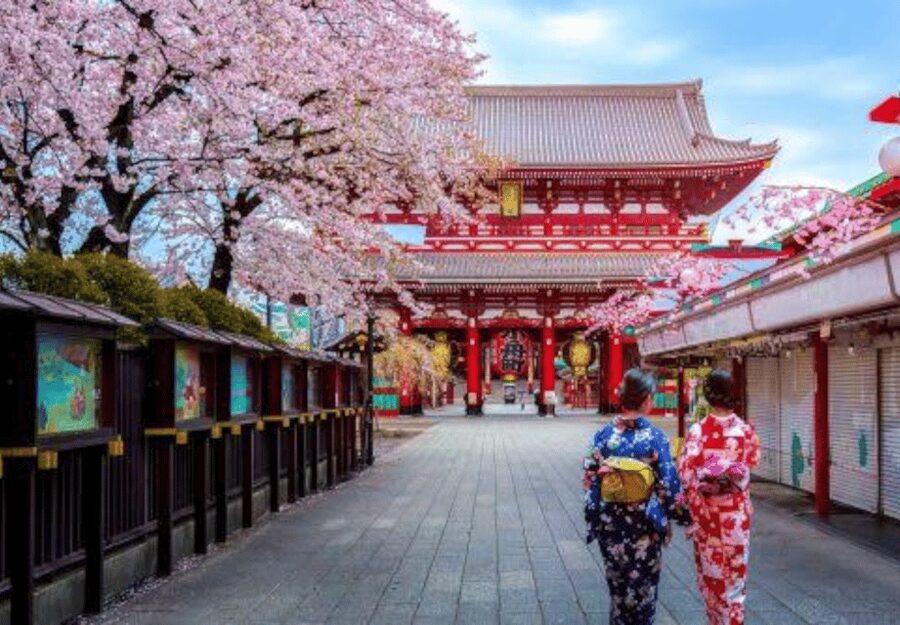
The guide is the difference between a car transfer and a useful city introduction. English and Japanese are available, and the strongest feedback centers on clear communication, cultural explanations, patience, and flexibility.
Ali has been praised for planning a sensible order, suggesting places to eat, helping with photos, and adapting the day to families. Usman is noted for strong English, early arrival, calm communication, and willingness to adjust plans. Zei, also referred to as Seiko in some bookings, has been praised for excellent English, humor, cultural knowledge, and even in-car karaoke.
Other named guides include Vikki, Mac, Waqas, Adele, Sarfy, and David. The experience can vary by guide, so send your interests when you reserve and ask whether a preferred guide is available. Do not assume that every guide will offer the same extras. Karaoke, additional stops, or help with a particular purchase depend on the person and the time available.
A small but valuable detail is the help with photographs. Guides have taken family pictures, found good angles, and helped groups capture moments without handing a phone to a stranger. One guide even helped a family recover a phone left at a stop. That is not a promised service, but it shows why a patient guide can matter during a long day.
Making the flexible route work
The route lists nine sightseeing areas, but you should not feel obliged to complete every one in equal depth. Tsukiji, Senso-ji, Skytree, Meiji Shrine, the palace, Shibuya, Harajuku, and Odaiba already create a full day, and the driving between them takes time.
Before pickup, make three lists:
- Places you must see
- Places you would like to see
- Places you will skip without regret
Tell the guide about food restrictions, shopping goals, children’s interests, walking limits, and any attraction that requires admission. This lets the driver-guide suggest a sensible order. Sunday may bring lighter traffic, though no day removes Tokyo’s congestion completely.
Be realistic about ticketed attractions. Entry fees are separate, and queues can reduce time at later stops. If Skytree is essential, protect that time. If you mainly want broad city coverage, consider using more stops from the outside and saving admissions for another day.
Wi-Fi onboard and drinks are included, which makes the vehicle a practical base. Food and shopping are not included, so budget separately. The guide may suggest places to eat, but your meal choices remain your responsibility.
Comfort, access, and the fine print
The tour is described as wheelchair accessible, yet it is also marked as unsuitable for people with mobility impairments. That is a real inconsistency. Contact the provider before booking and explain the exact mobility needs of everyone in your group, including walking distance, steps, transfers, and access at each attraction.
The guide may not accompany you inside or around every stop, including Skytree, Roppongi Hills, and parts of the Imperial Palace. Parking can take time, and the guide may ask you to wait while the vehicle is positioned. This is normal for a car tour in a dense city, but it helps to know that pickup at each stop is not always instant.
Cancellation is free up to 24 hours before the start for a full refund. You can also reserve now and pay later, which is useful when your Tokyo plans are still changing.
Who should book this Tokyo tour?
I would choose this for a family, a cruise passenger with only one day in Tokyo, or a group of up to six that wants an efficient first look. It is especially useful if you do not want to manage trains, if your group has mixed ages, or if everyone has a different priority.
It is less suitable for a couple on a tight budget, a serious museum visitor, or anyone who prefers to spend half a day in one neighborhood. Tokyo’s train system is cheaper and often faster in the center. A private car gives you comfort and coverage, not unlimited time or instant movement.
Should you book it?
Book this tour if your goal is to see many sides of Tokyo in one day with minimal planning. The strongest value comes from the private vehicle, hotel pickup, flexible timing, and the guide’s ability to adjust the route. Ask for a clear plan that protects your top two or three sights, and treat the remaining stops as optional.
Skip it if you want slow neighborhood exploration or a low-cost day built around public transport. For a first Tokyo visit, a family group, or a short stay, this is a practical way to get oriented, collect a strong set of memories, and decide where to return on your own.
FAQ
How much does the private Tokyo tour cost?
The price is $461 for a private group of up to six people. Food, shopping, and entry tickets are not included.
Is hotel pickup and drop-off included?
Yes. Pickup and drop-off are included, and you can send your location in Tokyo or a nearby area after reserving.
Can I customize the sightseeing route?
Yes. The tour is private and the itinerary and timetable can be adjusted to your interests and available time. Traffic, opening hours, parking, and admission queues may limit how much fits into one day.
Which languages are available?
Live guiding is available in English and Japanese.
Does the guide stay with me at every attraction?
No. The guide may not accompany you at some places, including Tokyo Skytree, Roppongi Hills, and the Imperial Palace. The guide can still provide information and directions.
Are Wi-Fi and drinks included?
Yes. Free Wi-Fi onboard and drinks are included. Food, shopping, and entry tickets cost extra.
More Private Tours in Tokyo
More Guided Tours in Tokyo


More tours in Tokyo we've reviewed












Guided, compared.
 ★ 5.0Tokyo 6hr Private Tour with Government-Licensed GuideFrom $155
 ★ 4.9Tokyo: Shinjuku Local Bar and Izakaya Guided Walking TourFrom $343 hours
 ★ 4.8Tokyo: Private City Highlights Tour with Local GuideFrom $1064 - 8 hours
 ★ 4.9Tokyo: Tsukiji Fish Market Guided Walking TourFrom $222 hours
 ★ 5.0Tokyo 4hr Private Tour with Government-Licensed GuideFrom $109
 ★ 5.0Tokyo Guided Small-Group Biking TourFrom $106