Reviewed · 2-HOUR EXPERIENCES
Tokyo: 2-Hour Night Bike Tour of the City’s Hidden Gems
Tokyo looks best when its signs are glowing, and this two-hour night bike tour gives you a moving view of the city’s famous lights. You pedal from Yoyogi Park toward Shibuya, Omotesando, Roppongi, Tokyo Midtown, and Tokyo Tower on a customized neon-lit Bianchi or Fuji bicycle.
In This Article
- Key points to know before you book
- Tokyo by neon light, not by train window
- Starting at Yoyogi Park
- Shibuya’s famous crossing from street level
- Omotesando and its seasonal lights
- Roppongi’s glass towers and evening glow
- Tokyo Midtown’s seasonal illumination
- Finishing beneath Tokyo Tower
- Why the guide can make or break the ride
- The cycling question you should take seriously
- What is included for $73
- Who will enjoy this most
- Practical planning for your evening
- Should you book the neon bike tour?
- FAQ
- How long is the Tokyo night bike tour?
- Where does the tour start?
- Where does the tour finish?
- Which language is available?
- Which Tokyo areas does the route visit?
- Are children allowed to join?
- What should you bring?
I like the bikes themselves, which make the ride playful and easy to spot, and I like the chance to see Tokyo between major sights rather than from a train window. Guides such as Kei can adjust the route to suit your interests. The catch is simple: you need to be a confident cyclist, since parts of the ride use roads without bike lanes.
Key points to know before you book
- Neon-lit Bianchi and Fuji bikes: The customized bicycles provide the tour’s visual hook and come with bike insurance.
- Yoyogi Park meeting point: Look for the lit-up bikes at the park’s main entrance, then return there at the end.
- Two hours after dark: The route links Shibuya, Omotesando, Roppongi, Tokyo Midtown, and Tokyo Tower.
- English-speaking guidance: Your guide shares local stories and can respond to route preferences.
- Road cycling is part of the deal: Some streets lack bike lanes, so this is not a learn-to-ride lesson.
- Best for older children and adults: The tour does not accept children under 12, pregnant women, or people with back problems.
Tokyo by neon light, not by train window

Tokyo is famous for its rail system, but trains hide much of the space between the stations. On a bicycle, you get a different feel. You pass from one district to the next at street level, with illuminated shopfronts, office towers, crossings, and seasonal displays appearing as part of one continuous evening.
That is the main value here. You are not simply stopping at one observation point, taking a photo, and moving on. The ride connects several well-known parts of the city, giving you a sense of how Shibuya, Omotesando, Roppongi, and Tokyo Tower fit together.
The neon bikes add a little theater. They are customized Bianchi and Fuji bicycles, with lights that make the group easy to see. Each bike also has a small pouch for a phone, wallet, or key, so you do not need to keep those items in a pocket while riding.
The tour costs $73 per person. That is not the cheapest way to see Tokyo at night, especially since the tour lasts only two hours. Still, the price includes the bicycle, insurance, an English-speaking guide, local stories, and a route through several major evening sights. I see it as a fair choice for someone who wants an active outing and a guide, not simply a bicycle rental.
A few more Tokyo tours and experiences worth a look


Starting at Yoyogi Park

The meeting point is the main entrance of Yoyogi Park. This matters because the park is large, and you do not want to wander around looking for a small storefront or office. The lit-up bikes should make the meeting spot easy to find.
Wear comfortable clothes and shoes. You should also bring water, since two hours of cycling can be more tiring than it sounds, especially if you are not used to riding in city traffic.
The activity returns to the same meeting point. That makes planning easier. You can leave luggage at your accommodation, arrive at Yoyogi Park, and finish where you started rather than needing to navigate to a new neighborhood late at night.
The bicycles are part of the first impression. Their neon lighting gives the outing a cheerful, slightly eccentric Tokyo feel. This is not a formal cycling expedition with heavy equipment and technical stops. It is a social evening ride built around lights, districts, and city views.
Shibuya’s famous crossing from street level
Shibuya is one of the natural highlights of a night route through Tokyo. The Scramble Crossing is famous because several streams of pedestrians move across the intersection at once, framed by enormous screens and glowing signs.
From a bicycle, you experience the area at a lower and slower pace than from a nearby viewing platform. You can take in the scale of the signs, the flow of people, and the way the surrounding streets keep moving after the crossing itself clears.
Do not expect the bicycle to turn Shibuya into a quiet place. This is one of Tokyo’s busiest districts, and road conditions may require patience. The route is better for seeing the district’s energy than for racing through it.
A guide can also help you notice details you might otherwise miss. The included local stories are useful here, since Shibuya can easily become a blur of screens and crowds when you are seeing it for the first time.
Omotesando and its seasonal lights

The ride then takes you toward Omotesando, a broad avenue known for polished shops, modern buildings, and seasonal illumination displays. The mood changes from Shibuya’s intense visual rush to something more orderly and design-focused.
The displays can vary with the season, so you should not book expecting one fixed light show. What you can count on is the area’s strong evening appearance, with trees, storefronts, and architecture contributing to the view.
This part of the route is especially good for riders who enjoy design and city details. Tokyo’s night appeal is not only giant signs. It also comes from smaller changes in light, reflections on glass, and the contrast between darker streets and carefully lit buildings.
The bicycle gives you a useful advantage. You can see the avenue as a sequence rather than as a single photo stop. At the same time, cycling means you must pay attention to traffic and pedestrians instead of looking around constantly. Keep your eyes on the road and let the guide point out what is worth noticing.
Roppongi’s glass towers and evening glow

Roppongi brings a different kind of night view. The district has a polished, modern feel, with glass towers, illuminated complexes, and light installations. The reflections from these buildings help create the futuristic mood that many people associate with Tokyo after dark.
The route around Roppongi is a good example of why this tour is more than a trip between tourist attractions. You are seeing a working city district, not just a monument. There are offices, restaurants, large complexes, and public spaces, all taking on a different character once the lights come on.
The pace also matters. In a car, this area can pass in a few seconds. On a bike, you move slowly enough to register the changing streets, while still covering more ground than you could comfortably walk in the same time.
Cyclists should stay realistic about the conditions. One rider’s useful warning is that Tokyo cycling can involve roads without bike lanes. The tour is not suitable for anyone who cannot ride a bike, and I would go a step further: if you rarely cycle or feel uneasy beside cars, this may not be the right evening activity.
Other cycling tours in Tokyo

Tokyo Midtown’s seasonal illumination

Tokyo Midtown is one of the planned stops or pass-through areas on the route, depending on the evening plan. Its seasonal illuminations are a major reason to include it in a night ride.
Large complexes such as this can feel difficult to understand on foot. You may find yourself crossing broad spaces, following signs, and trying to decide which display is worth seeing. A guide gives the ride a clearer shape and keeps the evening from turning into a series of disconnected guesses.
The light displays also give the group a natural pause in the route. You can appreciate the contrast between the building’s clean lines and the softer glow of seasonal decorations. If you enjoy taking photos, this is one of the places where you may want to have your phone ready in the bike pouch.
The exact quality of a seasonal display will depend on timing. Illumination programs change, and the experience is not a permanent show with one guaranteed design. That is a small limitation, but it is also part of Tokyo’s appeal: the city keeps changing its nighttime decorations.
Finishing beneath Tokyo Tower

Tokyo Tower gives the tour a strong finish. Its red and white structure rises above the city and looks especially clear after dark, when it is separated from the surrounding buildings by its own lighting.
The tower is a familiar Tokyo symbol, but seeing it after cycling through several districts gives the final view more meaning. You have already moved through the city’s bright commercial centers, and now the tower provides a fixed point in the wide skyline.
This is not a tower observation-deck visit. The experience is about seeing Tokyo Tower from the city streets and approaching it by bicycle. If you want a high view over Tokyo, you will need a separate ticket and a separate visit. If you want the pleasure of arriving at a major sight under your own power, this ending works well.
The route then returns to Yoyogi Park. Since the activity finishes at its starting point, you can plan your next move without guessing where the guide will leave you.
Why the guide can make or break the ride
The guide is important here because the route is not only about pretty lights. A good guide manages the streets, keeps the ride comfortable, and adds context to districts you might otherwise experience as one long stream of signs.
Kei is specifically associated with this tour, and the route can be adjusted around what interests you. If you want more time near a certain sight or have curiosity about something outside the basic plan, it is worth asking early in the ride.
An English-speaking guide also makes a practical difference. Tokyo’s neighborhoods are easy to reach by rail, but their connections can be confusing on foot. A guide helps you understand where you are while handling the movement between districts.
The strongest praise for the guiding is about flexibility, kindness, and the ability to add places that fit the group’s interests. That makes this a better match for people who enjoy conversation and small route changes than for anyone seeking a rigid sightseeing checklist.
The cycling question you should take seriously

Tokyo is not automatically easy to cycle simply because it is well organized. Some streets do not have bike lanes, and you may ride on roads alongside other traffic. That does not make the tour unsafe by definition, but it does mean you need confidence, awareness, and the ability to follow directions.
You should already know how to start, stop, steer, and manage a bicycle around other road users. The tour is not a lesson. One of the clearest pieces of advice attached to this experience is that confident cycling is required.
The tour excludes children under 12, pregnant women, people with back problems, and anyone who cannot ride a bike. Those limits are worth treating as practical safety guidance, not as fine print to ignore.
I would choose this outing if you regularly ride a bicycle and enjoy city streets after dark. I would skip it if you are nervous in traffic, have physical concerns, or want a slow walking tour with frequent indoor breaks.
What is included for $73

The fee includes a customized neon Bianchi or Fuji bike, bike insurance, an English-speaking guide, local stories, and a mini pouch attached to the bicycle. You also get the route through several major illumination districts and a ride back to the meeting point.
The insurance is reassuring, but it does not remove the need to ride responsibly. Comfortable shoes and clothing are essential, and water is a sensible addition.
At $73, you are paying for more than the bicycle. You are paying for the route design, the evening timing, and the chance to move between districts without working out every turn yourself. That can be good value during a short Tokyo stay, when you want to see several areas in one evening.
The value is weaker for a visitor who only wants a bicycle ride. You could prefer a standard rental or use Tokyo’s rail network for less money. The tour earns its price through the guide, the neon bikes, and the special nighttime route.
Smoking, alcohol, drugs, and littering are not allowed. Those rules are straightforward and help keep the ride pleasant for the whole group.
Who will enjoy this most
I would recommend this tour to confident cyclists, couples, friends, and families with children aged 12 or older who want something more active than a standard city walk.
It also suits repeat visitors. Tokyo regulars may have already seen Shibuya, Omotesando, Roppongi, and Tokyo Tower, but a bicycle route can connect those familiar places in a new way. The guide’s local stories and willingness to adjust the route add another layer.
First-time visitors can benefit too, especially if they want a quick introduction to several well-known districts. In two hours, you get a useful sense of the city’s changing nighttime moods, from Shibuya’s huge screens to Roppongi’s polished towers.
I would not book it for a group with mixed cycling ability. A confident rider may have fun while a hesitant rider spends the entire evening worrying about traffic. That is not a good use of $73.
Practical planning for your evening
Book this early in your Tokyo planning if the night lights are a priority, while keeping the cancellation rule in mind: you can cancel up to 24 hours in advance for a full refund. The reserve-and-pay-later option also lets you hold a place without paying immediately.
Arrive at the main entrance of Yoyogi Park and look for the illuminated bikes. Bring water, wear clothing that allows free movement, and keep your phone and wallet in the supplied pouch rather than loose in a jacket.
Because the tour ends where it starts, you can connect it with other plans around Yoyogi Park. Do not schedule something that requires you to arrive across town immediately after the ride, though. The tour lasts two hours, and city traffic or pauses at light displays may affect the exact rhythm.
Should you book the neon bike tour?
Book it if you want to see Tokyo’s evening lights while moving through the city, and if cycling on roads feels natural to you. The strongest reasons are the playful neon bikes, the efficient route through five major districts, and the guide’s ability to share stories and adjust the ride.
Skip it if you want a relaxed sightseeing experience with no traffic concerns, or if you are not a confident cyclist. This is a city ride, not a bike lesson.
For the right rider, $73 is a reasonable price for a lively two-hour outing that gives familiar Tokyo sights a fresh setting. You will not see every corner of the city, but you will experience how its neighborhoods change after dark, and that is the real point.
FAQ
How long is the Tokyo night bike tour?
The tour lasts two hours.
Where does the tour start?
You meet at the main entrance of Yoyogi Park. The neon-lit bikes should make the meeting point easy to identify.
Where does the tour finish?
The activity ends back at the Yoyogi Park meeting point.
Which language is available?
The tour is conducted in English with an English-speaking guide.
Which Tokyo areas does the route visit?
The route includes illumination areas around Shibuya, Omotesando, Roppongi, Tokyo Midtown, and Tokyo Tower.
Are children allowed to join?
Children under 12 are not permitted to join the tour.
What should you bring?
Bring comfortable shoes, water, and comfortable clothing. Each bike includes a mini pouch for a phone, wallet, or key.
More City Tours in Tokyo


More Cycling Tours in Tokyo
More Night Tours in Tokyo


More tours in Tokyo we've reviewed












2-Hour Experiences, compared.
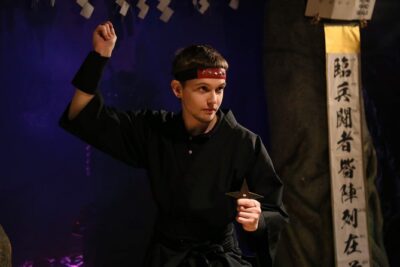 ★ 5.0Ninja Samurai 2-hour hands-on lesson by Japanese master in TokyoFrom $86
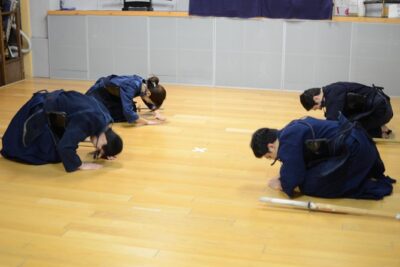 ★ 5.0Tokyo 2-Hour Genuine Samurai Experience: Kendo in JapanFrom $118
 ★ 4.8Tokyo: Flagship 2-Hour Street Go-Kart Tour by Street KartFrom $119
 ★ 4.9Tokyo: Shinjuku Izakaya and Golden Gai Bar Hopping Tour (2h)From $962 hours
 ★ 4.8Tokyo: 2-Hour Vegan and Vegetarian Ramen Guided Walking TourFrom $962 hours
 ★ 5.0Asakusa: 2-hour history explorationFrom $64