Reviewed · E-BIKES
Tokyo: 3-hour Guided E-Bike Tour of the City’s Hidden Gems
Tokyo is easiest to understand when you move through it at street level. This three-hour e-bike tour links major sights with quiet temples, gardens, bridges, and neighborhood roads that buses skip and subways hide. You cover real ground without the grind of a standard bicycle.
In This Article
- Key points to know
- Why an e-bike works so well in Tokyo
- Pick the route before you pay
- Tokyo City Route: central streets, garden calm, and a shrine
- Tokyo Bay Route: bridges, Odaiba, and the best evening views
- Tokyo Tower Route: temples beside modern government buildings
- What riding in Tokyo actually feels like
- The guides make the difference
- Is $65 good value?
- Who should book, and who should skip it
- My practical verdict
- FAQ
- How long is the Tokyo e-bike tour?
- What routes are available?
- What is included in the price?
- Do I need previous e-bike experience?
- Are children allowed on the tour?
- Is there a minimum height or maximum weight?
- Does the tour enter every attraction listed?
- Can the tour be cancelled because of rain?
- What happens if I arrive late?
I like the mix of famous Tokyo and everyday Tokyo, plus the guides who add small cultural details and local snacks along the way. The main caution is traffic: some riding takes place on roads or crowded footpaths, so you should already feel comfortable balancing, braking, and anticipating pedestrians.
Key points to know
- Three routes offer three different Tokyos: Choose the City, Tokyo Bay, or Tokyo Tower route before booking.
- Electric assistance keeps hills manageable: The bikes help with the ride, but you still need basic cycling confidence.
- Local stops make the tour more than sightseeing: Expect a Japanese garden, temple, shrine, or traditional snack depending on your route.
- Guides shape the experience: Hiro, Yota, Miki, Shinobu, Yugo, and other English-speaking guides are praised for safety, stories, patience, and good humor.
- The bay route suits sunset seekers: Bridges, water, Odaiba, and nighttime views make this the most scenic choice.
- Tokyo riding requires attention: You may share paths with pedestrians and ride near moving traffic.
Why an e-bike works so well in Tokyo
Tokyo is huge, but its best moments often sit between the headline attractions. A subway ride gets you from one station to another. A bus gives you a window view. On a bike, you notice the little shrines, broad crossings, side streets, water channels, shopfronts, and sudden changes from office district to quiet neighborhood.
The electric assist is the key. You still pedal and steer, but the motor helps when the road rises or the weather feels hot and humid. Several riders found the bikes slightly daunting at first, especially because of their size and proportions, but soon settled into an easy rhythm.
I would not call this a passive sightseeing ride. You need to watch the road, follow the guide, and keep track of pedestrians. Still, the e-bike removes much of the physical strain that can make a three-hour cycle difficult.
The English-speaking guides are a major part of the value. Hiro is praised for safety, humor, and useful facts. Yota is noted for setting a comfortable pace and making sure everyone kept up. Miki was patient with photo stops, while Shinobu added lively commentary and conversation. The exact guide depends on the date, but the tour clearly relies on personal storytelling rather than a recorded script.
Other cycling tours in Tokyo
Pick the route before you pay
The three route choices are not minor variations. They offer different scenery and different reasons to ride, so check the option carefully when booking.
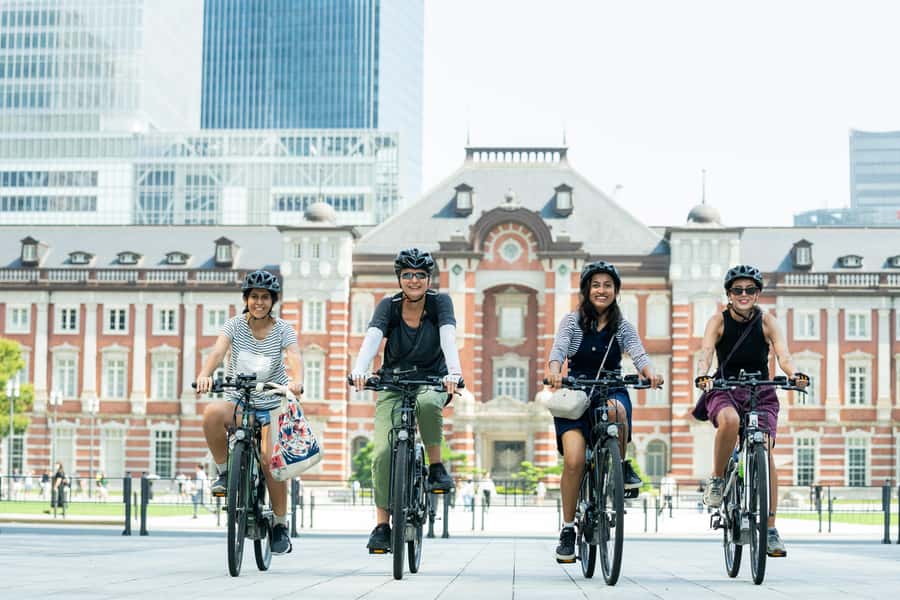
The Tokyo City Route is the best all-round introduction. It connects Ginza, Tokyo Station, the Imperial Palace area, Nihonbashi, Kiyosumi Japanese Garden, and Tomioka Hachimangu Shrine. You also receive a traditional Japanese snack.
The Tokyo Bay Route is best for open views, bridges, breezes, Odaiba, and sunset or evening scenery. It includes Sumiyoshi Shrine, Tsukuda Tendai Temple, TeamLab Tokyo, Tokyo Big Sight, the Gundam statue, the Statue of Liberty in Odaiba, Aqua City, and a pass by Rainbow Bridge.
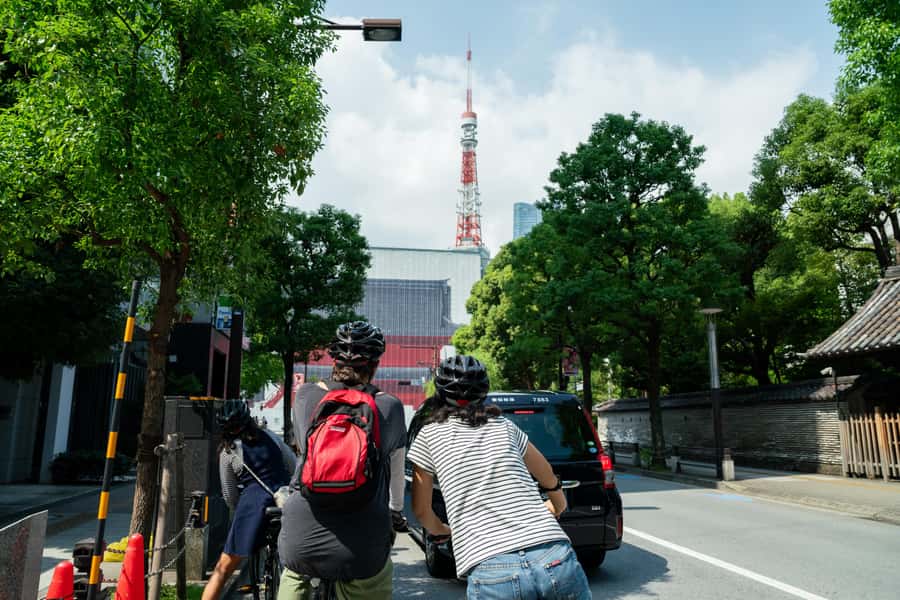
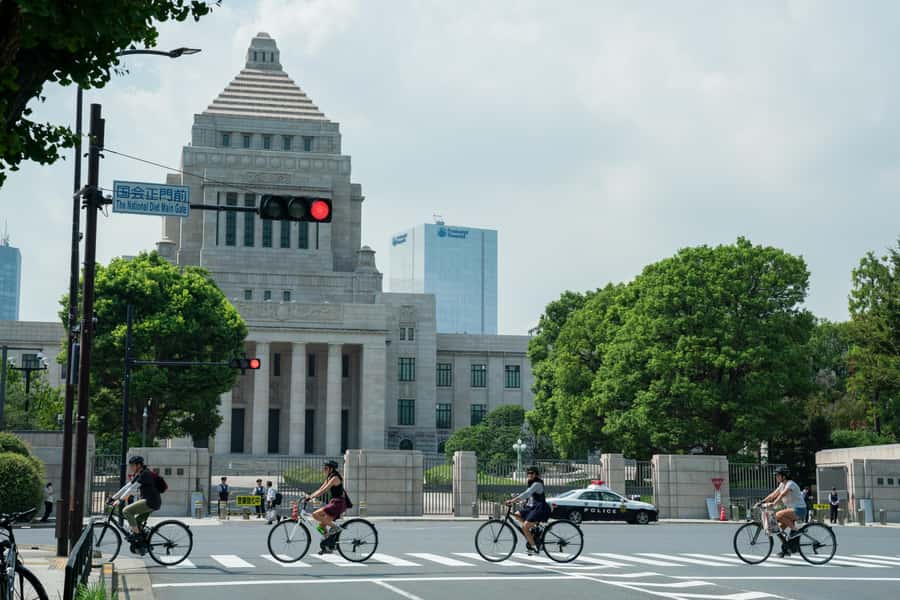
The Tokyo Tower Route is the strongest choice for old and new Tokyo in one ride. You pass Zojo-ji Temple, stop for a photo near Tokyo Tower, visit Atago Shrine, see the National Diet Building, pass the Imperial Palace, and ride through Hibiya Park. A traditional Japanese snack is included here as well.
Because start times vary by month for the bay option, check the departure time closely. That timing matters if you want sunset and night views.
Tokyo City Route: central streets, garden calm, and a shrine
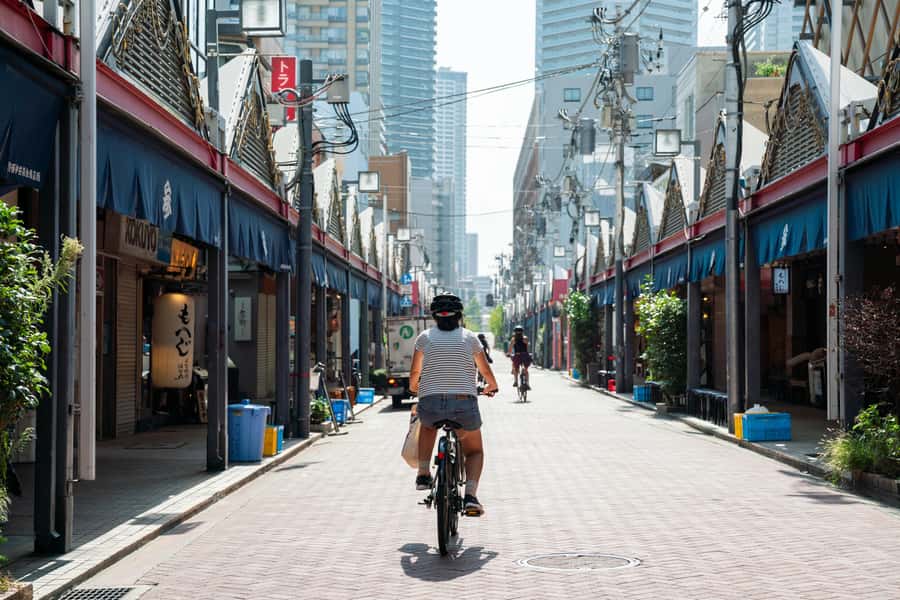
The city route begins around the Tokyo fish market neighborhood, giving you an immediate look at a working part of central Tokyo rather than only polished landmark districts. From there, the ride passes through Ginza, where grand department stores and broad avenues show the city’s modern face.
You then pass the Imperial Palace area. The route does not promise an extended palace visit, so think of this as a moving introduction rather than a full palace tour. The same is true at Nihonbashi, an old commercial district now surrounded by offices and major roads.
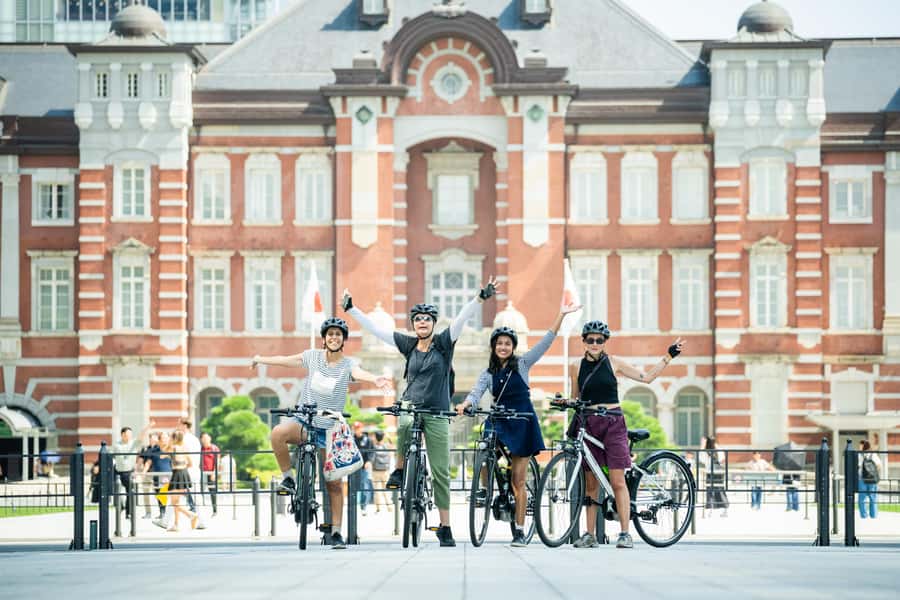
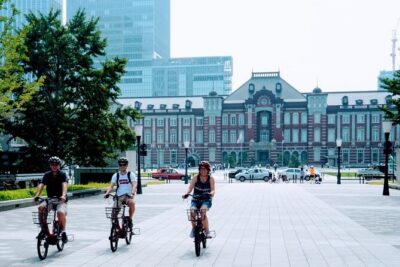
Tokyo Station is one of the route’s strongest visual stops. Its grand brick facade contrasts with the steel, glass, and tall buildings around it. Seeing the station by bike also helps you grasp the scale of the central business area.
The best change of pace comes at Kiyosumi Japanese Garden. You can enter the garden and walk around, which gives your legs a break and provides a quieter look at Japanese design. The garden stop is especially welcome on a warm day, when three hours in the saddle can feel longer than expected.
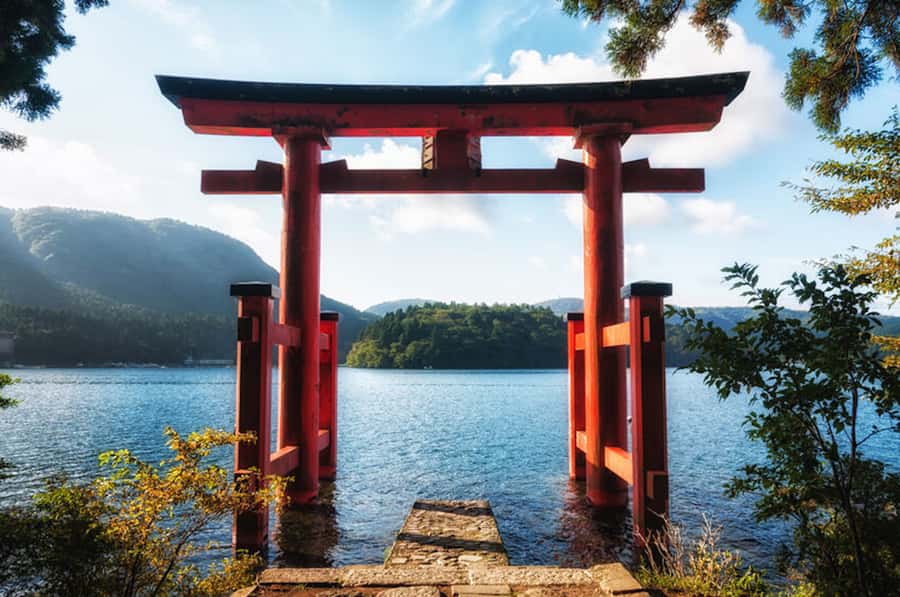
Tomioka Hachimangu Shrine adds a different kind of atmosphere. Here, the tour shifts from city planning and business districts to religious tradition. You may learn about customs and the meaning behind the site from your guide, rather than simply taking a photo and moving on.
The snack stop is small but useful. Trying a traditional Japanese treat gives the route a taste of daily culture, and guides such as Yota have also used convenience-store stops to introduce the way local people buy and eat snacks.
This route covers a lot, but not every section is scenic. Some central streets around Tokyo Station and Nihonbashi feel practical rather than postcard-pretty. If you want temples, water, and skyline views for most of the ride, choose the bay or tower option instead.
Tokyo Bay Route: bridges, Odaiba, and the best evening views
The bay route has the most open feel. Odaiba sits on reclaimed land, so the riding is generally flatter and the roads are wider. That makes it a good match for riders who want scenery without a demanding hill route.
You begin with stops such as Sumiyoshi Shrine and Tsukuda Tendai Temple. The temple is described as a lesser-known stop, and it gives the ride an old Tokyo note before the route moves toward modern waterfront attractions.
Passing TeamLab Tokyo and Tokyo Big Sight shows how the bay district mixes art, events, futuristic buildings, and large public spaces. These are pass-by points, so you should not expect time to enter the attractions.
The Gundam statue and Odaiba’s Statue of Liberty make for easy photo stops and a touch of playful Tokyo oddness. They are not ancient monuments, but they capture the city’s fondness for oversized pop culture and unexpected contrasts.
Aqua City provides the local snack stop. The route then continues around the waterfront, with Rainbow Bridge viewed or passed along the way. Riding across or near bridges brings a breeze and a broad view that is hard to get from a train carriage.
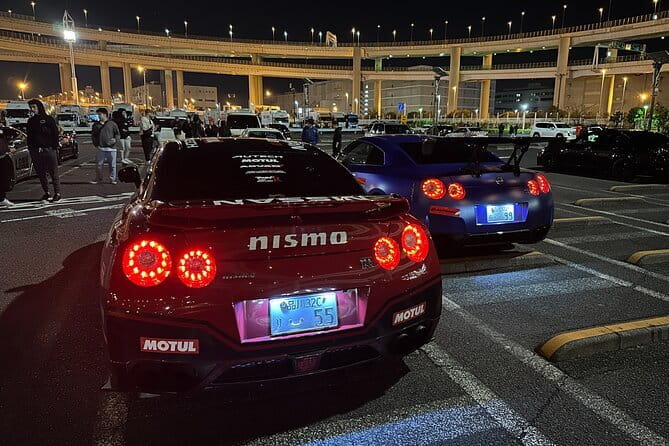
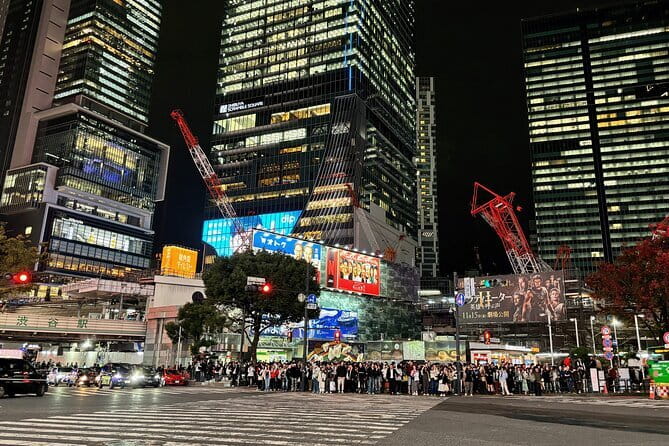
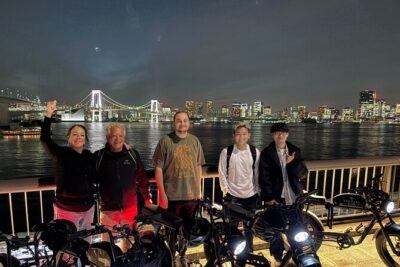
The strongest reason to choose this route is the changing light. Depending on the month and departure time, you may see Tokyo Bay in daylight, at sunset, and after dark. The skyline views from the waterfront are a real highlight, especially if you want photographs that feel different from the usual Shibuya crossing or temple images.
The tradeoff is that the route spends less time in old neighborhood streets. If your idea of Tokyo means small shrines, traditional architecture, and gardens, the city or tower route may suit you better.
Tokyo Tower Route: temples beside modern government buildings
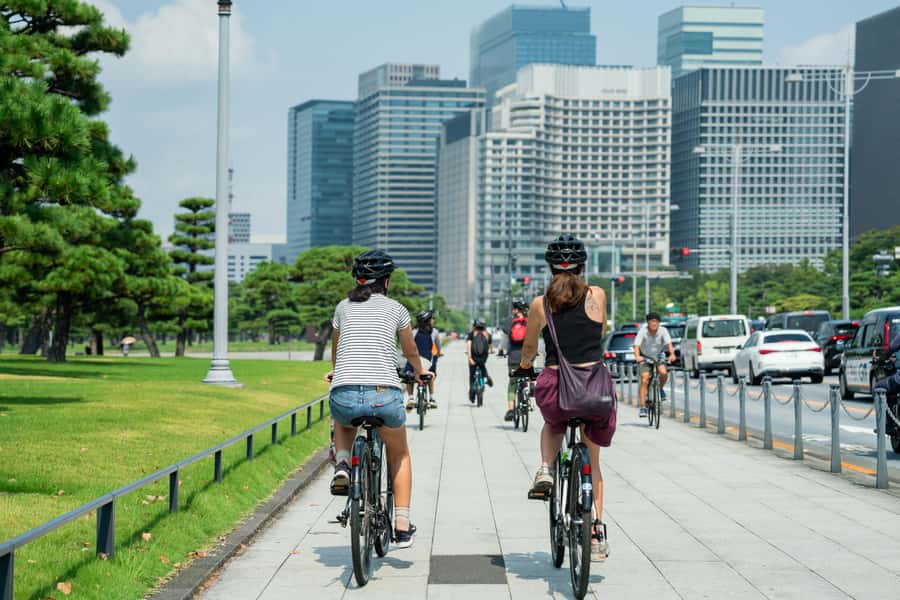
The tower route gives you a fine contrast between traditional architecture and modern central Tokyo. Zojo-ji Temple is the first major cultural stop, with Tokyo Tower rising behind or near the temple grounds. Few city scenes explain Tokyo’s old-and-new character so quickly.
The Tokyo Tower photo stop is straightforward. This is a chance to get the classic view without arranging a separate observatory visit. The tour does not include a tower admission, so book this for the exterior view and the ride, not for a visit to the top.
Atago Shrine adds a more surprising section. The route includes hilly streets, but the e-bike assist helps reduce the effort. You still need to control the bike on slopes and around other road users, though the motor takes much of the sting out of climbing.
A traditional snack follows, then the route continues past the National Diet Building. The Imperial Palace and Hibiya Park round out the ride. Hibiya Park offers greenery and a useful pause in the middle of a dense central district.
I like this option for first-time visitors who want recognizable sights but do not want a tour made only of famous photo stops. The sequence gives you temple grounds, a tower, a shrine, government buildings, palace surroundings, and a city park in a single morning or afternoon.
It is also the route where comfort on a bike matters most, since the course includes hilly areas. The electric assist helps, but it does not replace basic fitness or confidence.
Other guided tours in Tokyo

What riding in Tokyo actually feels like
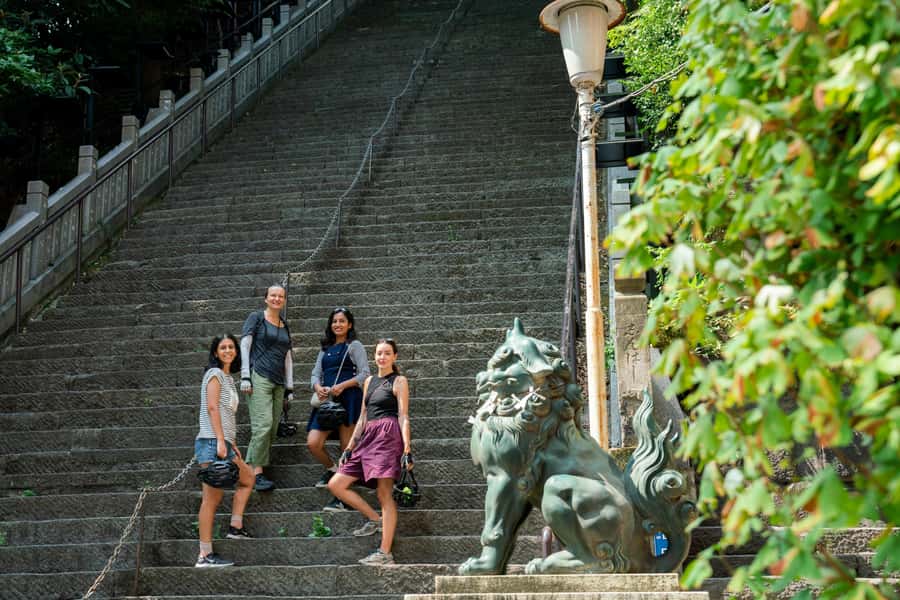
Tokyo has a strong cycling culture, but this is still a major city with cars, pedestrians, crossings, and crowded paths. Parts of the ride use footpaths shared with many people. You may need to slow down, anticipate someone changing direction, and keep a safe gap.
The guide leads the group and sets the pace. That makes the experience safer than attempting an unfamiliar route alone, and guides have been praised for keeping everyone together and helping riders reach the station afterward. Still, no guided ride can remove the need for concentration.
The bikes are described as easy to ride once you get used to them. The e-assist is especially helpful in summer heat, on the Tokyo Tower route’s hills, and during a full three-hour outing. Gloves are supplied in winter, and a helmet is included.
You should arrive 15 minutes early for the briefing. This is not a tour where you can casually appear at the start time. If you miss the departure, you cannot join the group halfway through, and the course must finish at the designated return point.
The tour can run about 30 minutes late because of traffic or conditions. Avoid scheduling a tight dinner reservation, train connection, or another timed attraction immediately afterward.
The guides make the difference
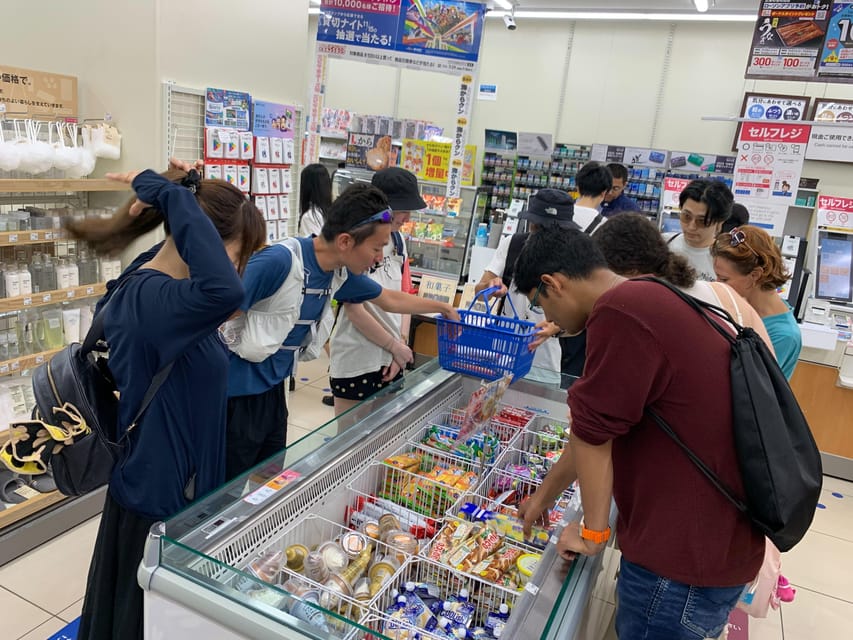
The guide does more than point out buildings. You get commentary on Japanese customs, history, local life, and the meaning of the places along the route. That extra context is what turns a pleasant bike ride into a useful introduction to Tokyo.
Hiro has been praised for good humor, careful riding, and interesting facts. Yota is described as attentive to different cycling speeds and good at choosing viewpoints, including waterfront stops at changing times of day. Miki is noted for being kind and patient when people wanted photographs.
Other guides named by participants include Shinobu, Yugo, Yuki, Daichi, Sho, Jun, Tai, Parks, Mana, Narita, and Yota. Names alone cannot guarantee who will lead your tour, but they show the experience is run by a team rather than tied to one person.
The best guides also add small touches. That might mean trying a new drink, sampling a Japanese snack by the water, explaining a custom at a shrine, or taking a short break in a garden. These moments help you feel connected to the city instead of simply ticking off landmarks.
Is $65 good value?
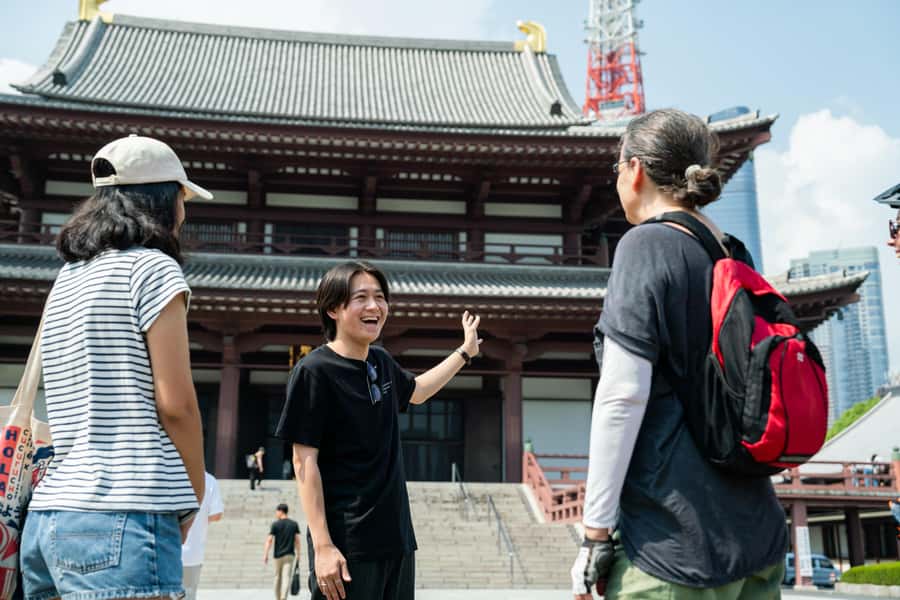
At $65 per person, the price is fair for a three-hour guided activity in Tokyo. The fee includes the e-bike, guide, helmet, a knapsack if needed, luggage storage, and a Japanese snack. Winter gloves are also included during the cold season.
You are paying for more than bicycle hire. A rental bike alone would not give you an organized route, traffic guidance, cultural explanation, or access to a sequence of stops chosen by someone who knows the streets.
The value is strongest if you are short on time, visiting Tokyo for the first time, or want an active break from trains and indoor attractions. It is also useful for repeat visitors who have already seen the major districts and want a different side of the city.
The value is weaker if your priority is a deep visit to one landmark. You pass several locations rather than entering them, and some central sections are mainly about moving through the city. This is a broad sampler, not a museum tour or a dedicated temple visit.
Who should book, and who should skip it
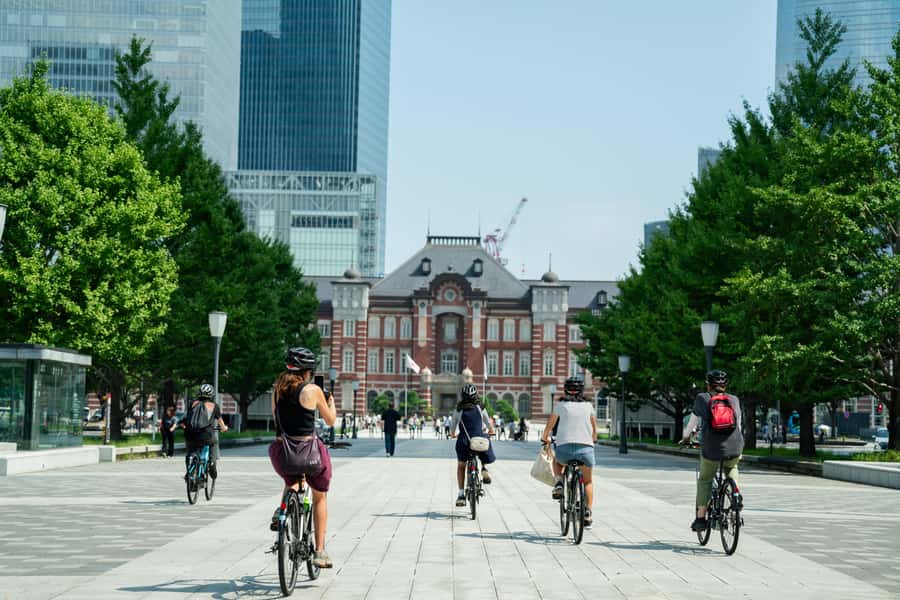
I would recommend this for adults and older teenagers who can ride a bicycle confidently and want a lively overview of Tokyo. It suits couples, small groups, solo visitors comfortable joining others, and families with cycling experience.
Children under 13 are not permitted. The information also gives a minimum height of about 145 to 147 centimeters and a maximum weight of 120 kilograms, or 264 pounds. Since those figures vary slightly across the booking information, check the exact requirement for your chosen option.
The activity is not suitable for pregnant women, people with heart problems, wheelchair users, or anyone who feels uneasy riding near traffic. You should also reconsider it during very hot weather if you dislike outdoor exertion, even with electric assistance.
Rain can cancel the tour for safety. A cancellation notice may arrive the day before, and changing weather on the day can also lead to cancellation. You can cancel up to 24 hours ahead for a full refund, which gives you some flexibility.
My practical verdict
I like this tour because it shows Tokyo as a city of layers. You can ride past a department-store district, pause at a shrine, taste a traditional snack, roll through a garden, and finish beside the bay or beneath Tokyo Tower.
Choose the Tokyo City Route for the broadest central introduction and the garden stop. Choose the Tokyo Bay Route for flat riding, bridges, sunset, and skyline views. Choose the Tokyo Tower Route for the strongest mix of temples, shrines, government buildings, and modern city scenes.
Book it if you are comfortable on a bicycle and want to cover more ground than walking allows. Skip it if you want a slow, indoor sightseeing day or feel nervous around traffic. At $65, it is a good-value way to get your bearings and see parts of Tokyo you might not find on your own.
FAQ
How long is the Tokyo e-bike tour?
The activity lasts three hours. The end may be delayed by about 30 minutes because of traffic or other course conditions.
What routes are available?
You can choose a Tokyo City Route, Tokyo Bay Route, or Tokyo Tower Route. The sights and starting time vary by option, so check the selected route before booking.
What is included in the price?
The price includes an e-bike, English-speaking guide, helmet, luggage storage, and a knapsack if needed. A traditional Japanese snack is included, and winter gloves are provided in the cold season.
Do I need previous e-bike experience?
Previous e-bike experience is not stated as a requirement. The bikes are described as easy to ride, but you should be comfortable riding a bicycle, steering, braking, and sharing streets or footpaths with other people.
Are children allowed on the tour?
Children under 13 are not permitted. The supplied information also says the activity is not suitable for children under 12, so check the exact age rule shown for your booking option.
Is there a minimum height or maximum weight?
The tour is not suitable for people over 120 kilograms, or 264 pounds. The listed minimum height is approximately 145 to 147 centimeters, so confirm the precise measurement before booking.
Does the tour enter every attraction listed?
No. Several locations are pass-by points, including Ginza, the Imperial Palace, Nihonbashi, TeamLab Tokyo, Tokyo Big Sight, and Rainbow Bridge. The Tokyo City Route includes entry to Kiyosumi Japanese Garden, while other stops are viewed from the route or used for photographs.
Can the tour be cancelled because of rain?
Yes. The tour may be cancelled for rain or other safety reasons. You may be notified by email the day before, and changing weather on the day can also cause cancellation.
What happens if I arrive late?
You should arrive 15 minutes before the start for the briefing. If you miss the departure, you cannot join the group partway through, and the course must be completed back at the predetermined meeting point.
More City Tours in Tokyo


More Guided Tours in Tokyo
More Cycling Tours in Tokyo

More tours in Tokyo we've reviewed












E-Bikes, compared.
 ★ 5.0Tokyo Top Highlights 3h Guided E-bike TourFrom $63
 ★ 5.03h Tokyo E-Bike Tour: Hidden Gems, and Local Life with guideFrom $63
 ★ 4.8Tokyo: 3-Hour Bike or E-Bike City Highlights TourFrom $453 hours
 ★ 5.0Tokyo: 3-Hour Bike/E-Bike Tour of the City’s HighlightsFrom $63
 ★ 5.03-Hour Tokyo Private E-Bike Tour Starting from Your HotelFrom $145
 ★ 4.7Tokyo: 3-Hour Bike or E-Bike Tour of City’s Hidden GemsFrom $603 hours