Reviewed · TEMPLES & MEDITATION
Tokyo: Meiji Jingu Shrine and Shinto Culture Walking Tour
Meiji Shrine gives you something Tokyo rarely offers: a quiet walk through a 100,000-tree forest before you reach one of the city’s best-known religious sites. The contrast is striking. Harajuku’s shops and crowds are close by, yet the shrine approach feels calm, shaded, and carefully set apart from city life.
In This Article
- Why Meiji Shrine Makes a Good First Tokyo Stop
- Meeting at Harajuku’s Starbucks
- Meiji Jingu Gyoen and the First Lessons
- Walking Beneath the Big Torii
- The Sake Barrels and Wine Barrels
- Learning Shinto Rituals at Meiji Shrine
- What the Guides Add to the Walk
- Is Two Hours Enough?
- The Value of $19
- Who Will Get the Most From It?
- Final Recommendation: Book It for Context, Not Just Access
- FAQ
- Where does the Meiji Shrine walking tour meet?
- How long does the tour last?
- What language is the tour offered in?
- What places are included?
- Is the tour wheelchair accessible?
- Can I cancel the booking for a refund?
I like two things especially here. First, the guide explains what you are doing, not just what you are looking at, from washing at the purification fountain to praying at the main shrine. Second, the small groups, usually no more than 12 people and sometimes much smaller, leave room for questions and personal help. The main consideration is time: two hours gives you a useful introduction, but not a slow, unhurried study of every corner of the grounds.
- A 100,000-tree approach: Walk through a broad sacred forest that makes the shrine feel far removed from central Tokyo.
- Practical Shinto guidance: Learn how to behave at the shrine, including purification and prayer customs.
- Sake and wine barrels: See the colorful offerings displayed along the approach and learn why they are connected with Meiji Shrine.
- Imperial Garden visit: Spend about 30 minutes in Meiji Jingu Gyoen, the garden area within the shrine grounds.
- Small-group conversation: Group sizes can reach 12, but may be as small as two to four people.
- Useful Tokyo advice: Guides such as Andres, Yota, Maya, and Minori also offer suggestions for food, neighborhoods, and other places to visit.
Why Meiji Shrine Makes a Good First Tokyo Stop
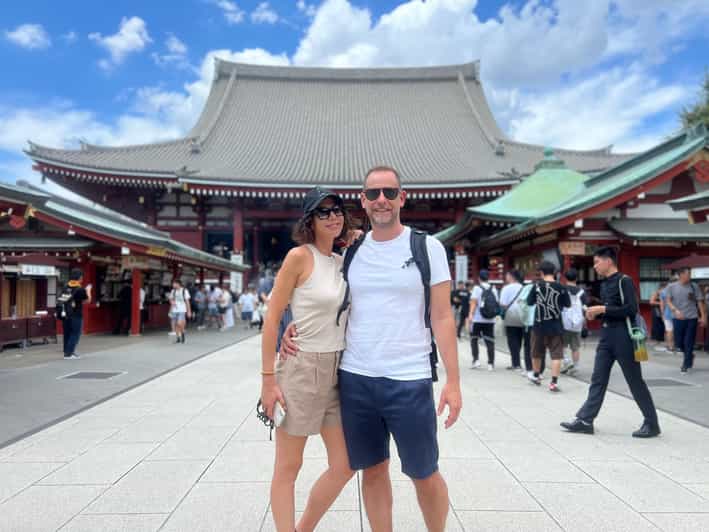
Meiji Jingu honors Emperor Meiji and Empress Shoken, whose era brought major changes to Japan. You do not need a strong background in Japanese history to follow the tour. The guide supplies the basic setting, then connects it to the customs you see in front of you.
That makes this a good opening activity for Tokyo. Several guides, including Andres, have helped visitors learn shrine etiquette, use the Tokyo metro, and understand the difference between Shinto and Buddhism. You get cultural bearings before spending the rest of your trip moving between temples, shrines, markets, and museums.
The tour is not simply a photo walk. You are encouraged to ask questions, and guides have explained subjects ranging from the Meiji period to Japanese religious practice and daily customs. Hoshi, Naruto, Haydn, and others have been praised for making these explanations clear and friendly rather than overly formal.
I would still keep your expectations in check. This is an introduction, not a university lecture on Shinto. The value comes from seeing the rituals in context and having someone explain small details you might otherwise miss.
Meeting at Harajuku’s Starbucks
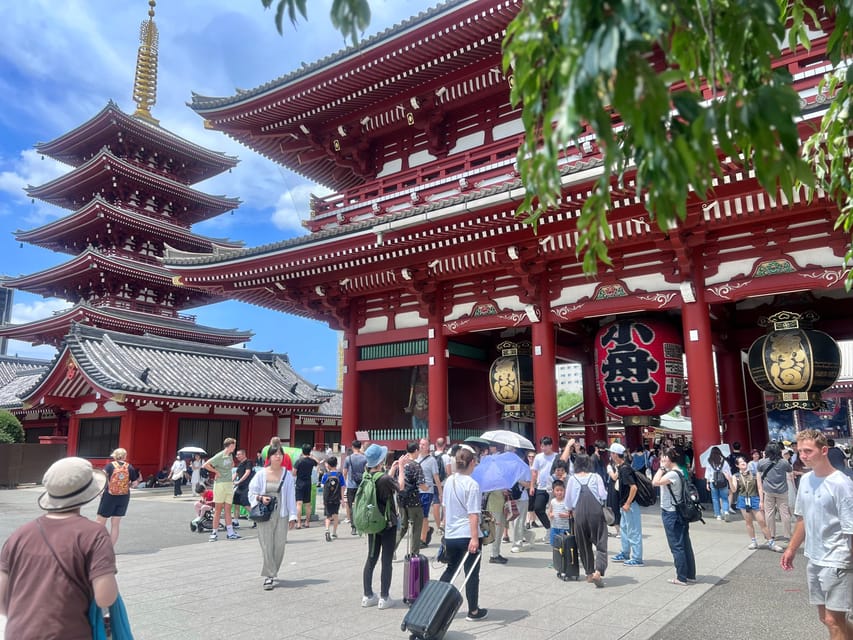
The starting point is the Starbucks closest to Meiji Shrine, at 35.6705208, 139.7031067. That detail matters because Harajuku has several Starbucks locations, and choosing the wrong one could waste the few minutes you need to reach the group.
Give yourself time to find the exact café and meet your English-speaking guide. The walk finishes at the same Starbucks, which makes the tour easy to pair with an afternoon in Harajuku.
The location also gives you a useful sense of Tokyo’s contrasts. You begin near one of the city’s youthful shopping districts, then move into a wooded religious precinct. Afterward, you can return to Harajuku for food and shops without arranging another transfer.
A few more Tokyo tours and experiences worth a look


Meiji Jingu Gyoen and the First Lessons
The first substantial stop is Meiji Jingu Gyoen, the Imperial Garden area, with about 30 minutes of guided time. The garden gives you a softer introduction to the shrine grounds before the main approach and shrine buildings take center stage.
Here, your guide can explain the connection between nature and Shinto practice. The setting is not a decorative park added beside the shrine. Trees, paths, water, and quiet spaces all help create the atmosphere in which the shrine is experienced.
This is also a useful point for questions. If you are unsure how Shinto differs from Buddhism, ask early. Several guides have made that comparison a major part of the walk, which helps you avoid treating every Japanese religious site as if it followed the same customs.
The 30-minute visit is enough for an orientation and a guided look, though it is not long enough to linger everywhere. If gardens are a major interest for you, you may wish you had more free time. The tour’s goal is broader: it links the garden with the forest, approach, offerings, and main shrine.
Walking Beneath the Big Torii
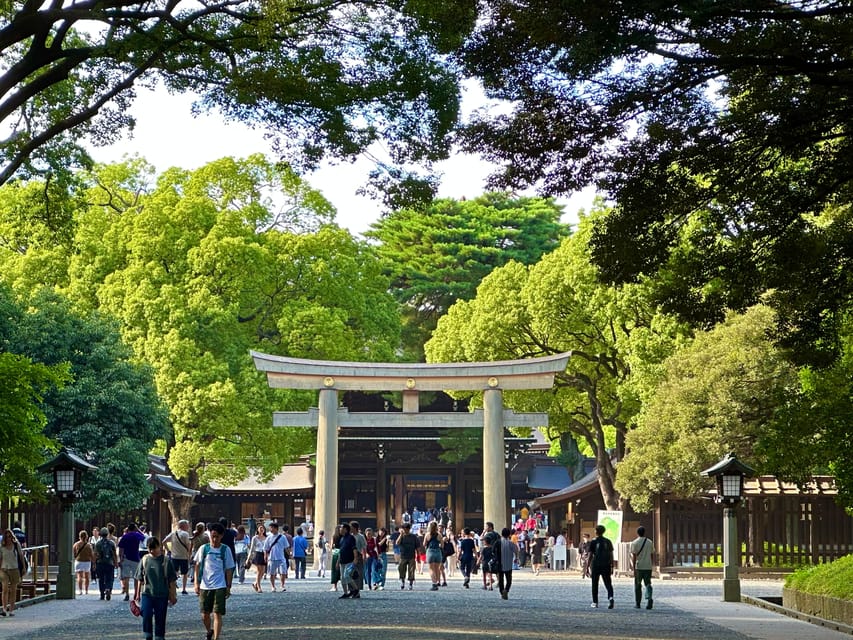
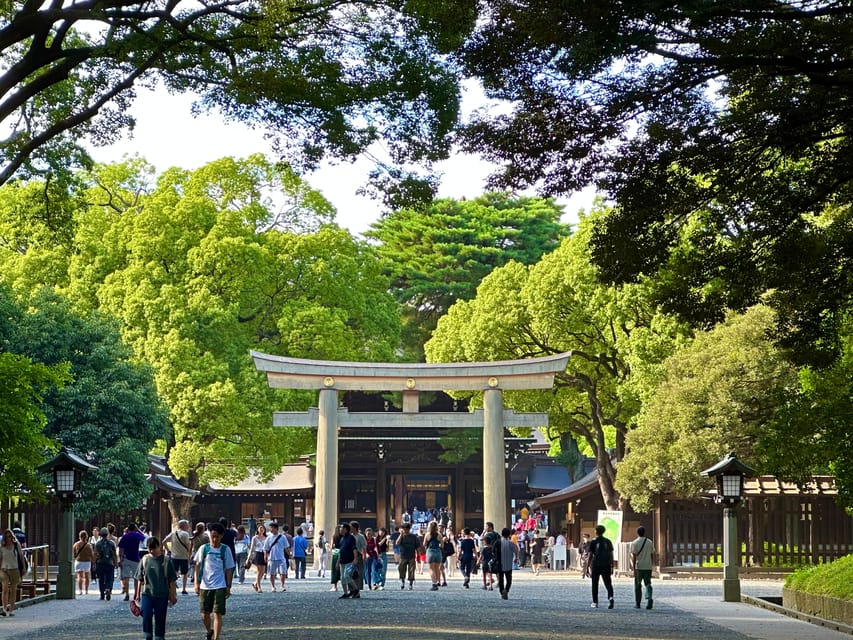
The Big Torii marks a clear change in mood. Once you pass beneath it, the city begins to feel less present, even though you remain in central Tokyo.
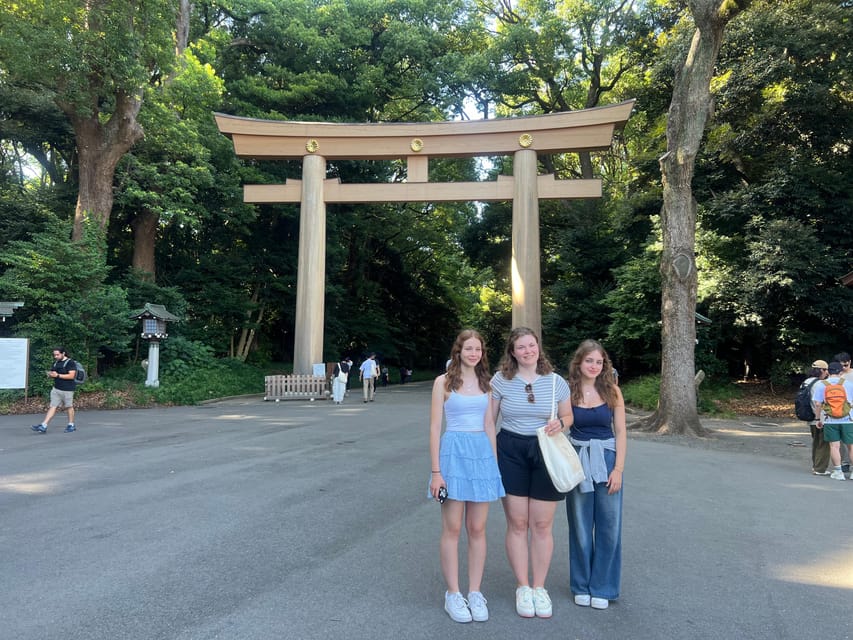
Your guide explains the meaning of the torii and the proper way to move through a shrine entrance. You will spend about 10 minutes here, so expect a focused explanation and time for photographs rather than a long stop.
The approach itself is part of the experience. The forest contains around 100,000 trees, and the walk gives you a rare chance to slow down in Tokyo. The path is not just a route to the shrine building. It helps separate ordinary city life from the sacred grounds.
I like this section because it gives the tour its strongest sense of place. A guide can point out the symbolism, but the trees do much of the work. Keep your eyes and ears open. The best part may be the simple change from traffic and storefronts to a broad, shaded path.
The Sake Barrels and Wine Barrels
Two short stops add a memorable visual detail to the walk: the consecrated sake barrels and the consecrated wine barrels. Each receives about 10 minutes of explanation.
The sake barrels are a familiar Japanese image, but their presence at the shrine is easy to misunderstand. Your guide explains their connection with offerings and shrine traditions, giving you more than a quick photograph.
The wine barrels are especially surprising for many people. They reflect the international influences associated with the Meiji period and the ties connected with the imperial couple. This stop helps show that Meiji Shrine is linked not only with ancient-looking customs, but also with Japan’s more recent political and cultural changes.
These are brief stops, but they break up the forest walk and give you clear images to remember. They also provide good questions for your guide. Ask about the difference between a consecrated offering and an ordinary commercial display, and you will get more from the visit.
Learning Shinto Rituals at Meiji Shrine
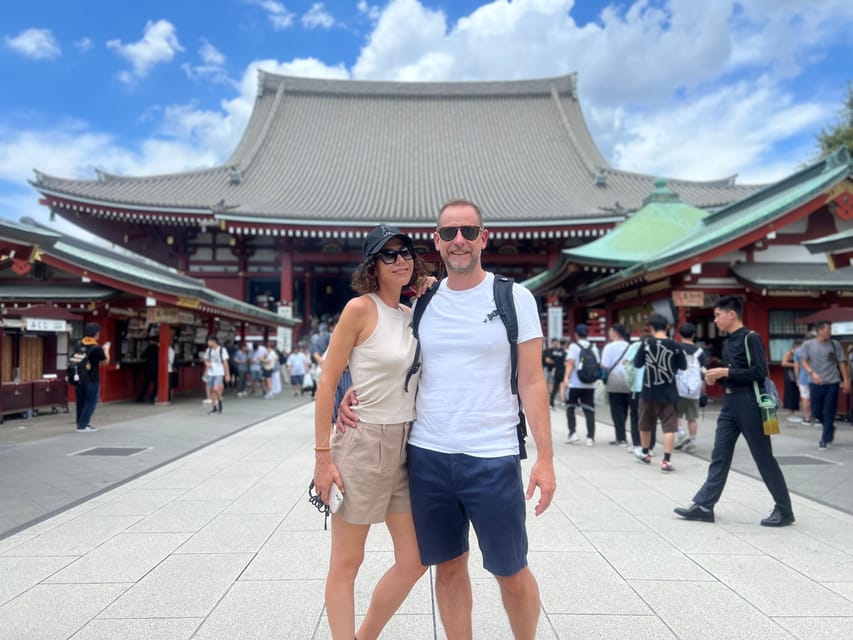
The main shrine receives roughly one hour, making it the heart of the experience. This is where the walk moves from setting and symbols to actual practice.
You learn how to approach the shrine, purify yourself, and pray. Guides have specifically helped people understand the correct steps and the etiquette expected at a Shinto site. That practical instruction is useful because the customs can look simple while still feeling unfamiliar.
You may also learn about ema, the wooden plaques on which people write wishes, and omikuji, the fortunes found at many Japanese religious sites. One family on an earlier tour wrote on an ema and had books stamped, showing how the visit can work for children as well as adults. Only take part if you want to, but having the customs explained makes these choices feel less like random tourist activities.
The guide also explains how Meiji Shrine was established and places it within the Meiji period. You will see more than a grand wooden structure. You will learn why this particular shrine matters, how it fits into Japan’s modern identity, and how Shinto ideas shape the way the grounds are used.
Do not expect every moment to be silent or empty. Meiji Shrine is one of Tokyo’s most famous religious sites, and it can attract many people. An early start may offer more peace and stillness, as Yota has advised, but the tour schedule depends on the available departure time.
Other walking tours we've reviewed in Tokyo





What the Guides Add to the Walk
The strongest part of this experience is the human explanation. The physical route is worthwhile on its own, but a guide turns the torii, barrels, forest, and rituals into connected pieces of Japanese culture.
Guides have included Maya, Minori, Nicholas, Hoshi, Naruto, Haydn, Andres, Yota, Ryota, Sara, Matt, Maria, and others. The exact guide depends on your date, but the pattern is clear: the experience is built around live English conversation rather than a recorded script.
Some guides bring extra local help. Andres has offered food and Tokyo recommendations, shown people how to use the metro, and explained shrine customs. Yota has adjusted the pace for questions and suggested ramen, sushi, wagyu, and other places to eat. Ryota has taken photographs at the main stops, while guides such as Minori and Haydn have spent time explaining Shinto, Buddhism, and Japanese history.
You should ask questions as you go. A small group makes that practical. If you happen to be the only person booked, the tour may become almost private, as happened for one participant. At other times, groups of four have made the walk feel personal without becoming awkward.
The guides are not interchangeable in personality, and no tour can promise a particular person. Still, the high rating of 5 from 245 reviews, along with repeated praise for clear English, patience, humor, and local recommendations, suggests that the guide is a major part of the product’s value.
Is Two Hours Enough?
Two hours is a sensible length for a first visit. You cover the garden, Big Torii, sake barrels, wine barrels, and main shrine without turning the morning or afternoon into an endurance test.
The pace includes several short explanations, one longer stop at the shrine, and walking through the forest. Wear comfortable shoes and expect to spend much of the time on foot. The grounds are large enough to feel like a real walk, not a quick stop beside a road.
The limit is depth. You will not have unlimited time for personal photographs, quiet reflection, or every side path. If you already know Meiji Shrine well, the tour may feel basic in places, though the questions and cultural comparisons can still add value.
Rain does not necessarily ruin the outing. A guided walk has gone ahead in heavy rain, with participants still finding it enjoyable and useful. Bring suitable clothing, since the experience remains outdoors and the forest path is central to the visit.
The tour is listed as wheelchair accessible, which is important for anyone checking mobility needs in advance. Since the experience includes a walking route through extensive grounds, confirm the practical route and conditions when booking if you have specific accessibility concerns.
The Value of $19
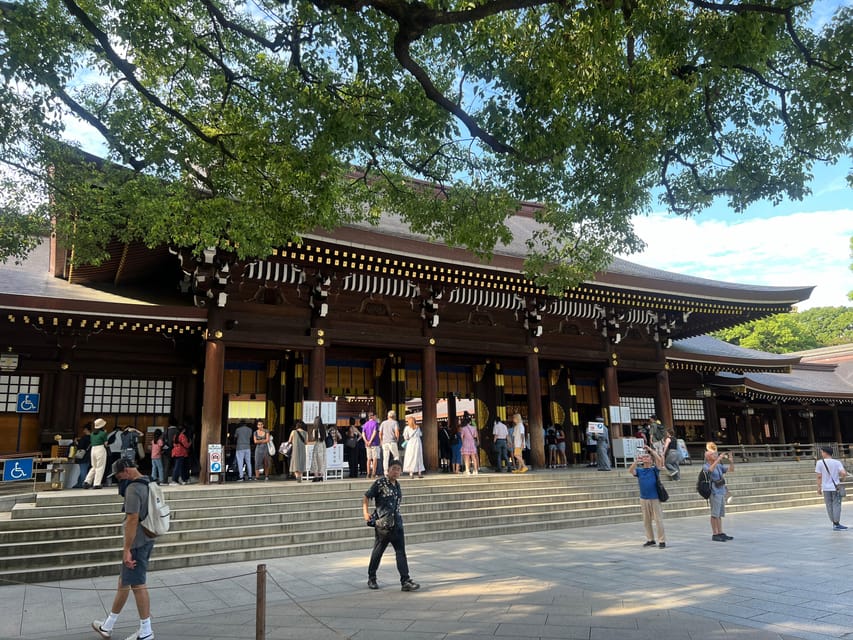
At $19 per person, this is inexpensive for a two-hour guided cultural walk in Tokyo. You are paying not only for admission to Meiji Shrine and the Imperial Garden, but also for an English-speaking guide, historical context, photographs taken during the tour, and direct answers to your questions.
I would consider the price strong value if you are visiting Japan for the first time. Learning how to pray, how to behave at a shrine, and how Shinto relates to Buddhism can prevent confusion for the rest of your trip. Even one useful restaurant recommendation or metro tip can add practical value.
The calculation changes slightly if you only want photographs. Meiji Shrine can be visited without a guide, and you would have more freedom to move at your own speed. In that case, you are paying for interpretation and company, not access alone.
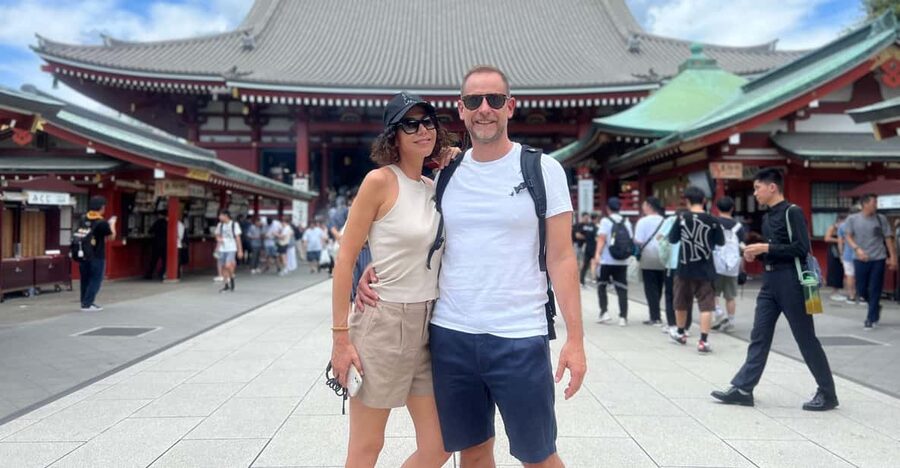
The small-group format improves the deal. A group of 12 is still manageable, while a group of two or four allows far more conversation. Photos taken by the guide are another small advantage for couples and families who want pictures together.
Flexible booking also helps. You can reserve and pay later, and cancellation is free up to 24 hours before the activity for a full refund. That is useful when Tokyo plans depend on weather, jet lag, or train schedules.
Who Will Get the Most From It?
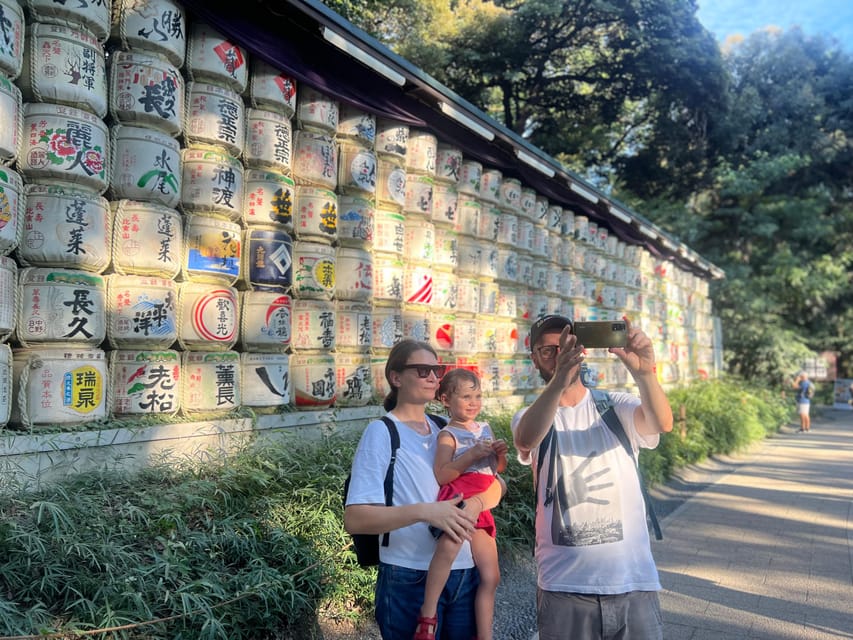
I would recommend this tour to first-time visitors who want cultural context before tackling the rest of Tokyo. It is also a good match for families, since the forest, shrine customs, ema, and photographs give children several ways to stay involved.
You will benefit most if you like asking questions. The tour works less well for someone who prefers to wander alone with headphones or spend long periods taking photos at one shrine building.
It suits visitors interested in religion, Japanese history, architecture, and everyday etiquette. It also works for repeat visitors who have seen Meiji Shrine but never understood the meaning behind the rituals and offerings.
Food-focused travelers may appreciate the extra local advice, but remember that meals are not part of this two-hour experience. Guides have suggested restaurants and snacks, yet those recommendations are separate from the tour.
Final Recommendation: Book It for Context, Not Just Access
Book this Meiji Shrine tour if you want a friendly introduction to Shinto, practical shrine etiquette, and the story behind one of Tokyo’s most important sites. At $19, the cost is modest, and the small groups give you a fair chance to speak with the guide.
I would book it near the start of a Tokyo trip, especially if you want help with customs, food, and neighborhood ideas. Choose an early departure if peace and stillness matter most.
Skip it if you already know the shrine well or want complete freedom to set your own pace. For everyone else, the combination of forest, ritual, history, and personal guidance makes this a smart two-hour use of your Tokyo time.
FAQ
Where does the Meiji Shrine walking tour meet?
The meeting point is in front of the Starbucks closest to Meiji Shrine. The listed coordinates are 35.6705208, 139.7031067.
How long does the tour last?
The tour lasts two hours and returns to the Starbucks near Meiji Shrine.
What language is the tour offered in?
The tour is conducted in English with a live English-speaking guide.
What places are included?
The route includes Meiji Jingu Gyoen, the Big Torii, the consecrated sake barrels, the consecrated wine barrels, and Meiji Shrine. Admission to Meiji Shrine and the Imperial Garden is included.
Is the tour wheelchair accessible?
Yes, the activity is listed as wheelchair accessible.
Can I cancel the booking for a refund?
Yes. You can cancel up to 24 hours in advance for a full refund. You can also reserve now and pay later.
More Walking Tours in Tokyo
More Temples & Meditation in Tokyo



More tours in Tokyo we've reviewed












Temples & Meditation, compared.
 ★ 4.7Tokyo: Meiji Shrine, Asakusa, Skytree Bus Tour and CruiseFrom $12210 hours
 ★ 4.8Tokyo: Asakusa Walking Tour with Sensoji Temple VisitFrom $222 hours
 ★ 4.5Tokyo: Kamakura & Enoshima Day Trip including Temple TicketsFrom $589 hours - 570 minutes
 ★ 4.5Tokyo: Nikko Toshogu Shrine and Kegon Waterfall TourFrom $8410h 30m
 ★ 4.5Tokyo Panoramic 1 Day: Meiji Shrine, Asakusa, Odaiba and SKYTREE®From $85
 ★ 5.0Asakusa Senso-ji Temple and Old Tokyo Walking TourFrom $20