Reviewed · TOKYO FOOD TOURS
Shinjuku Golden Gai Food Tour
Shinjuku’s best night often begins in its narrowest lanes. This three-hour food walk takes you from postwar Omoide Yokocho through Kabukicho and into Golden Gai, where more than 200 tiny bars, pubs, stalls, and karaoke rooms crowd together. You eat along the way, but the real prize is learning how to read a part of Tokyo that can feel confusing after dark.
In This Article
- Key points to know before you book
- Why this Shinjuku evening works
- Starting near Tajimaya Coffee at 5 p.m.
- Omoide Yokocho and Tokyo’s postwar lanes
- Kabukicho after dark
- Four food stops, from skewers to sushi
- Hanazono Shrine and a quieter pause
- Golden Gai, tiny bars, and the final drink
- Is $217 a fair price?
- Who should book this walk?
- Should you book the Shinjuku Golden Gai Food Tour?
- FAQ
- How long does the Shinjuku Golden Gai Food Tour last?
- What time does the tour begin?
- Where does the tour start?
- Where does the tour finish?
- How many food stops are included?
- Are drinks included?
- Is karaoke included?
- Can vegetarians join?
- What is the maximum group size?
- Is hotel pickup included?
- Can I cancel for a full refund?
I like the mix of four food stops and local stories, especially the chance to try yakitori, ramen, sushi, and seasonal dishes in one evening. I also like the small group size, capped at 10 people, and the two included drinks. The main drawback is the price: at $217 per person, you are paying for guidance and access, not a bargain dinner. A few stops may also have limited seating or change with restaurant schedules.
Key points to know before you book
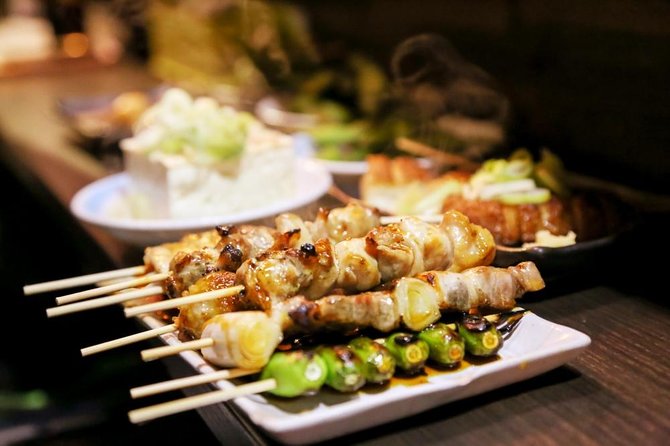
- Four food stops cover several Japanese favorites: Expect dishes such as yakitori, ramen, sushi, and seasonal specialties rather than one long meal.
- Golden Gai is the evening’s main event: The tour finishes at Araku Bar, with a drink included and the option to stay for karaoke afterward.
- Guides shape the experience: Past guides named Sandra, Ray, Alex, Wesley, Yoshi, and others earned strong praise for food explanations, local stories, and keeping the group together.
- The tour starts at 5 p.m.: That timing lets you see Shinjuku shift from early evening into nightlife.
- This is a walking and standing evening: Wear comfortable shoes, and be ready for narrow streets and possible standing room at some venues.
- Vegetarian and pescetarian visitors can be accommodated: State dietary needs when booking, since restaurant substitutions may be required.
Why this Shinjuku evening works
Golden Gai is easy to admire from the outside and harder to understand from within. Its lanes are tight, its bars are tiny, and many places are designed for regulars rather than first-time visitors. A guide gives you a plan, keeps the evening moving, and provides the local setting that turns a string of snacks into a story about Tokyo.
The route also avoids making Golden Gai the only attraction. You begin around Omoide Yokocho, move through Kabukicho, pass Hanazono Shrine, and finish among the little bars of Golden Gai. That progression matters. You see different sides of Shinjuku instead of being dropped into one famous nightlife pocket with no context.
The tour earns its strongest praise for its guides. Sandra is repeatedly singled out for her warmth, food knowledge, and ability to arrange suitable meals for a gluten-free vegetarian guest. Ray is praised for explaining Japanese etiquette and coordinating the stops. Alex, Wesley, Yoshi, Tommy, and others are also described as friendly, entertaining, and good at explaining the area.
Guide quality can vary, of course. One poor experience involved a guide who was not local and gave weak explanations of Japanese culture. That is a useful caution: this experience depends heavily on the person leading it. The best guides add real value. A less prepared guide can leave you wondering why you paid so much for food you could have ordered yourself.
A few more Tokyo tours and experiences worth a look
Starting near Tajimaya Coffee at 5 p.m.
The meeting point is at Tajimaya Coffee, near Shinjuku Station, at Japan, 160-0023 Tokyo, Shinjuku City, Nishishinjuku, 1-chome 26, Shinjuku Suisan Building. The meeting instructions are supplied with your mobile ticket, and confirmation arrives when you book.
Allow extra time to find the starting point. Shinjuku Station is famously large, and the surrounding streets can feel like a puzzle when you first arrive. One group had trouble reaching the meeting place, but the guide waited. Do not count on that as a guarantee, though. Arrive early, keep your phone charged, and have the meeting address ready to show someone if needed.
The tour is limited to 10 people, which is a sensible size for streets and restaurants this small. A compact group also makes it easier to hear the guide in noisy lanes and to sit together when space allows. You should still expect some walking, stairs in certain bars, and periods on your feet. The operator asks for a moderate level of physical fitness.
Omoide Yokocho and Tokyo’s postwar lanes
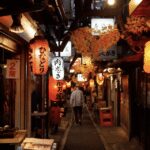
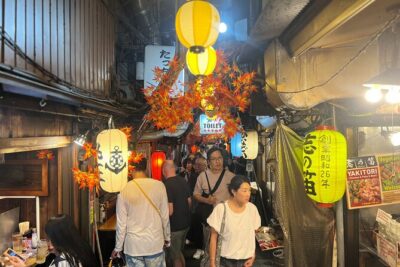
The first major area is Omoide Yokocho, often translated as Memory Lane. It is a narrow restaurant street with bars and small eateries that have remained much as they were since around 1950.
This is a good opening stop because it gives you a feel for old Shinjuku before the larger nightlife streets take over. You dine near local customers, see how closely the restaurants are packed together, and hear why this part of town is tied to Tokyo’s postwar entertainment culture.
The formal stop is brief, but the food does the talking. You might begin with yakitori, the grilled chicken skewers that are a natural fit for a lane of compact drinking spots. The best part of this stop is not fancy presentation. It is the chance to eat a simple dish in the setting where it makes sense.
Do not expect a long seated meal at every stop. This is a moving food tour, so portions are spread across the evening. That is useful if you want variety, but less satisfying if you are looking for a carefully paced dinner with detailed culinary instruction at each course.
Kabukicho after dark
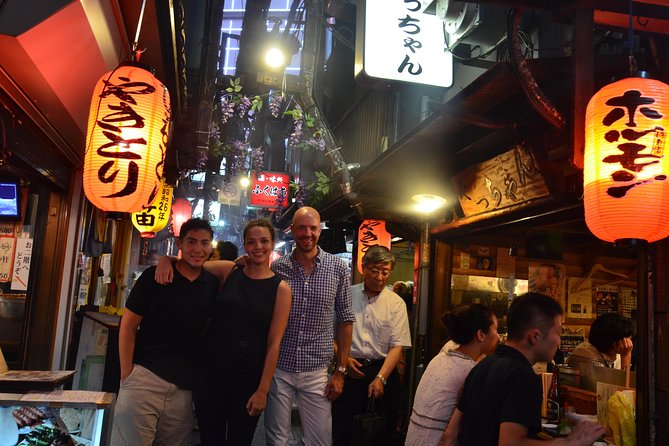
From Omoide Yokocho, the route continues into Kabukicho, described as Asia’s largest and safest red-light district. The area is one of Tokyo’s most famous entertainment zones, and your guide explains how its restaurants, bars, nightlife businesses, and narrow side streets fit together.
The word red-light can make Kabukicho sound more threatening than it feels during a guided evening. The important point is that this is a busy entertainment district with many different kinds of venues. You do not need to arrange your own route or guess which lane is suitable for a first visit. The guide gives the area shape and helps you focus on food rather than navigation.
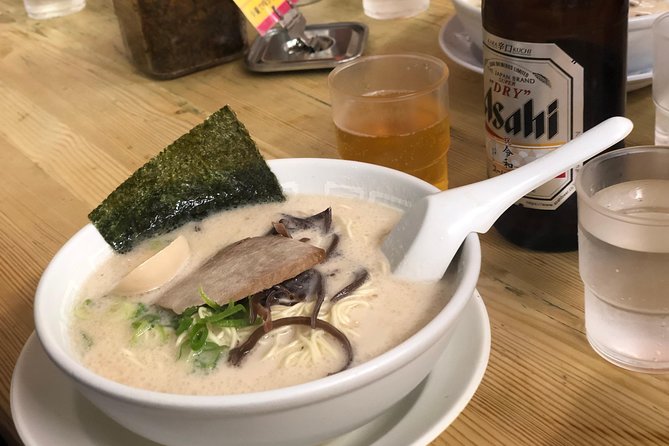
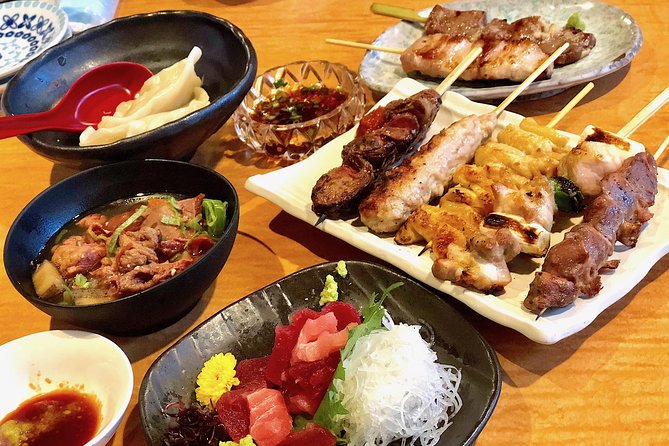
Kabukicho is also where the tour’s food variety becomes clear. The stops may include yakitori, ramen, sushi, and other local or seasonal dishes. Ramen received especially strong praise, with one person calling it the best ramen of their life. Another person found the ramen the only truly satisfying stop, so expectations should remain measured. Food quality and exact venues can change.
The guide should explain what you are eating, not simply place a bowl in front of you. Many of the strongest experiences came from learning about Japanese etiquette, food customs, and the background of each dish. If food education matters greatly to you, ask questions as you go. The evening is better when you treat it as a conversation rather than a restaurant crawl.
Four food stops, from skewers to sushi
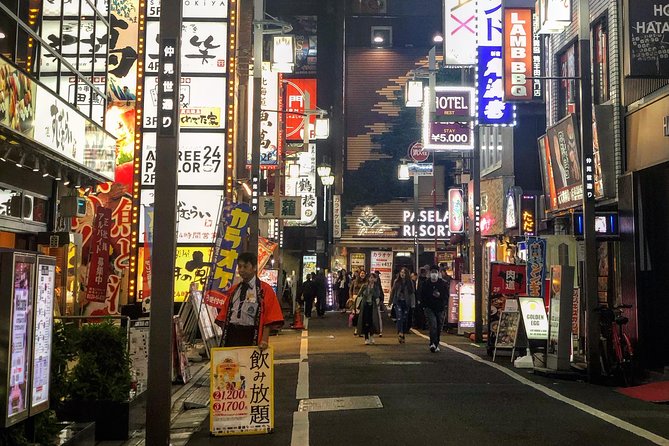
The tour includes four food stops, though the exact restaurants may change because of opening hours, holidays, weather, and other scheduling problems. Substitutions are made when needed.
That flexibility is practical in Tokyo, where tiny venues may have very limited capacity. It also means the advertised food list is a guide rather than a fixed menu. You should expect the main categories, but not assume a particular restaurant, dish, or portion.
A typical evening may include:
- Yakitori, grilled skewers that suit the small-bar setting
- Ramen, likely one of the more filling stops
- Sushi or sashimi
- A local or seasonal dish selected for the route
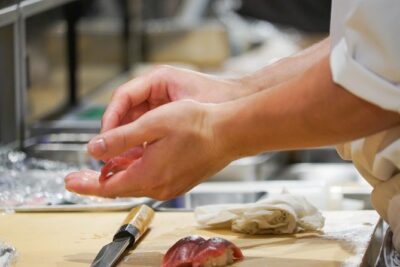
One person especially enjoyed the sashimi restaurant. Others praised the total amount of food and advised arriving hungry. That is good advice. Do not eat a large dinner beforehand, since the point is to sample several stops.
There is a clear difference between a food tour and a high-end dining experience. At this price, you are not buying a tasting menu prepared by one chef. You are paying for several casual venues, a guide, drinks, neighborhood access, and the ease of having someone handle the plan. One disappointed diner felt the food did not justify the cost and would have preferred high-end sushi or kaiseki. If premium food is your priority, that criticism is fair.
On the other hand, a restaurant reservation alone will not explain why these districts look and function as they do. The food is one part of the night. You are also paying to find places you might not enter alone, avoid getting lost, and connect the dishes to their setting.
A few more Tokyo tours and experiences worth a look


Hanazono Shrine and a quieter pause
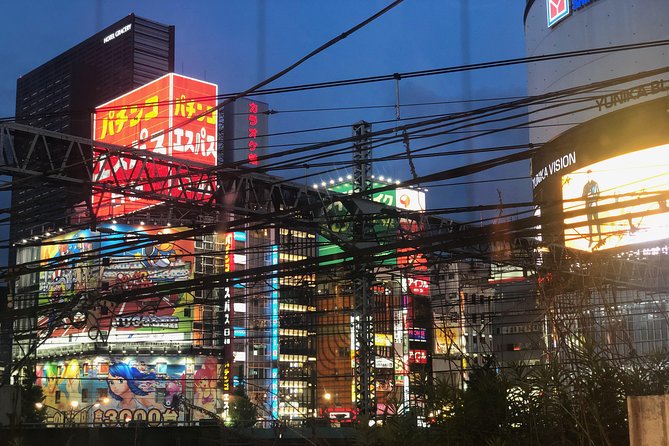
Hanazono Shrine appears along the route as a change of pace from the neon and noise. The shrine adds a cultural stop without requiring a separate excursion across Tokyo.
The supplied schedule gives only limited time to this part of the route, so think of it as a short look rather than a full shrine visit. It breaks up the food stops and gives your guide another chance to explain how traditional spaces exist beside Shinjuku’s nightlife.
That contrast is one of the evening’s strengths. You move from old food lanes to entertainment streets, then encounter a shrine before finishing in Golden Gai. The route shows Tokyo as a city of overlapping uses, not a collection of isolated attractions.
Golden Gai, tiny bars, and the final drink
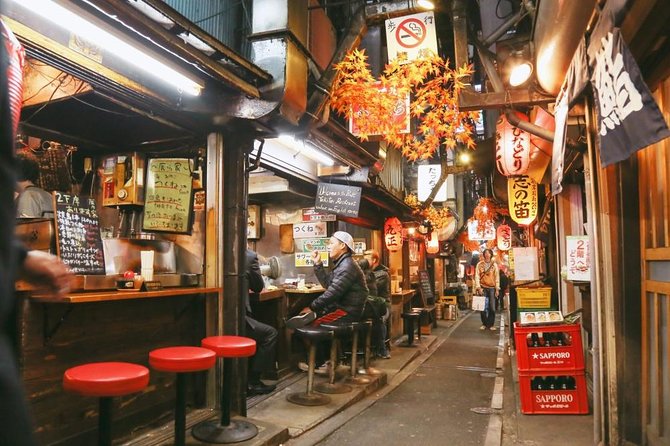
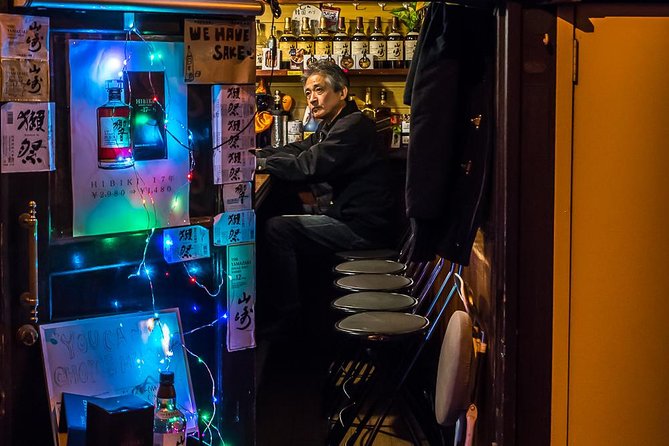
The tour ends in Shinjuku Golden Gai, a compact nightlife area with more than 200 pubs, stalls, bars, and karaoke rooms. The buildings and lanes are so tightly packed that a first visit can feel like a maze.
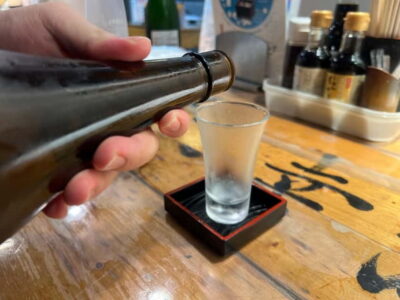
Your final stop is Araku Bar in the Golden Gai area. One included drink is enjoyed here, and the tour includes two drinks in total. The wording of the experience suggests that the drinks are part of the planned tasting, not an open bar, so budget for anything additional.
Golden Gai is best approached with curiosity and a little restraint. The bars are small, and some are built around a handful of seats. One person found only standing room at the last venue, while another enjoyed finishing at a seven-seat upstairs bar. Both details tell you what to expect: seating is intimate and not always assured.
The optional karaoke after-party can be a lively finish. Several strong experiences included singing with the group after the food stops. It is not part of the core three-hour tour, so confirm the arrangement and any extra cost before joining.
You can also continue exploring Golden Gai independently after the tour. That is useful because the guided route gives you a first look, then lets you decide if you want more nightlife without forcing you into a longer program.
Is $217 a fair price?
$217 per person is expensive for four casual food stops and two drinks. If you judge the tour only by the amount of food, it is unlikely to feel like a bargain.
The value improves if you want a guided introduction to Shinjuku on your first evening in Tokyo. You receive a local guide, four food stops, two drinks, a small group, and a route through places that can be awkward to approach alone. For many people, that combination is worth more than the cost of individual dishes.
The tour also includes a service you cannot easily price: someone else manages the evening. The guide handles the route, explains etiquette, helps with dietary needs when possible, and keeps the group moving between restaurants. In a district full of tiny venues and confusing side streets, that can save time and reduce stress.
Still, the high price raises your expectations. You should expect good casual food and cultural context, not luxury dining. Seating may be imperfect, and restaurant choices can change. If you prefer to spend $217 on one exceptional meal, choose a sushi or kaiseki experience instead.
Who should book this walk?
I would recommend it to someone visiting Tokyo for the first time, especially if Shinjuku feels intimidating or if you want an early orientation to the city. Booking it near the start of your trip makes sense. You can return to places you liked, use the etiquette tips later, and understand the district better when you explore on your own.
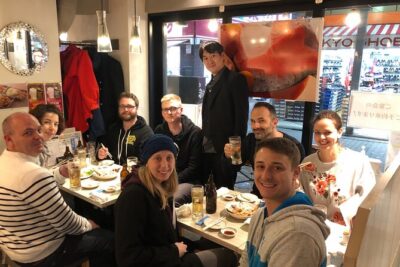
It suits curious eaters who want variety, conversation, and neighborhood atmosphere. It also works well for couples and small groups looking for a social evening. The group size is small enough for conversation, and several guides have been praised for bringing strangers together.
Vegetarians and pescetarians can take part, and at least one guide successfully arranged food for a gluten-free vegetarian guest. Tell the operator about restrictions in advance. Since restaurants and dishes can change, flexibility is still important.
I would be more cautious if you are a serious food enthusiast seeking rare ingredients, chef-led explanations, or refined cooking. The tour can be delicious, but it is not designed as a luxury culinary program. You should also think twice if you dislike standing, narrow venues, or noisy nightlife.
Free cancellation is available up to 24 hours before the 5 p.m. start time. Cancellations inside that window are not refunded. The tour may also be changed or canceled because of poor weather or insufficient bookings, with another date or a full refund offered in those cases.
Should you book the Shinjuku Golden Gai Food Tour?
Book it if you want a guided night in Shinjuku that combines food, local context, and a first look at Golden Gai. The strongest version of this experience includes a guide who can explain the dishes, manage the group, and make a tiny bar feel welcoming. Sandra, Ray, Alex, Wesley, Yoshi, Osmar, and Tommy are among the guides praised for those qualities.
Skip it if your main goal is the best possible meal for $217. You can spend that money more directly on a high-end restaurant. But if you value access, storytelling, and the confidence to enter Shinjuku’s most unusual lanes, this is a useful and memorable way to spend an evening.
FAQ
How long does the Shinjuku Golden Gai Food Tour last?
The tour lasts approximately three hours.
What time does the tour begin?
The stated start time is 5 p.m.
Where does the tour start?
It starts at Tajimaya Coffee near Shinjuku Station, at Japan, 160-0023 Tokyo, Shinjuku City, Nishishinjuku, 1-chome 26, Shinjuku Suisan Building.
Where does the tour finish?
The tour finishes at Araku Bar in the Golden Gai area, at Japan, 160-0021 Tokyo, Shinjuku City, Kabukicho, 1-chome 16.
How many food stops are included?
Four food stops are included. Dishes can include yakitori, ramen, sushi, and local or seasonal specialties.
Are drinks included?
Yes. Two drinks are included in the tour price.
Is karaoke included?
Karaoke is available as an after-party option. The supplied tour details do not state that it is part of the standard price.
Can vegetarians join?
Yes. The tour is described as suitable for vegetarian and pescetarian diets. Restaurant substitutions may be needed, so provide dietary information in advance.
What is the maximum group size?
The maximum group size is 10 people.
Is hotel pickup included?
No. Hotel pickup and drop-off are not included, and transportation costs are also excluded.
Can I cancel for a full refund?
Yes, if you cancel at least 24 hours before the experience start time. Cancellations made less than 24 hours in advance are not refunded.
More Food Experiences in Tokyo
More Tokyo Food Tours in Tokyo
More Shinjuku Tours in Tokyo
More tours in Tokyo we've reviewed












Tokyo Food Tours, compared.
 ★ 5.0Tokyo: Shinjuku Food Tour (13 Dishes at 4 Local Eateries)From $86
 ★ 4.9Tokyo: Shinjuku Food Tour (13 Dishes and 4 Eateries)From $97
 ★ 5.0Tokyo Night Foodie Tour in Shinjuku – Seasonal Sushi, Wagyu BeefFrom $111
 ★ 5.0Eat and Drink Like a Local: Tokyo Ueno Food Tour-Taverns&RamenFrom $95
 ★ 5.0Tokyo: Shibuya Food Tour (13 dishes and 4 Eateries)From $77
Tokyo: Shinjuku Food Tour – 15 Dishes, 3 Drinks, 4 EateriesFrom $723 hours
★ 5.0Tokyo: Shibuya Food Tour (13 dishes and 4 Eateries)From $77
Tokyo: Shinjuku Food Tour – 15 Dishes, 3 Drinks, 4 EateriesFrom $723 hours