Reviewed · ASAKUSA TOURS
Tokyo: Old Town Asakusa Guided Tour -Senso-ji Temple Visit
Senso-ji is one of Tokyo’s most famous sights, but a guide can turn a quick temple visit into a lesson in Japanese customs. This 90-minute walk takes you from Kaminarimon Gate through Nakamise-dori to the main hall, with explanations of rituals, history, and respectful behavior along the way. I like the small maximum of 10 people and the chance to ask questions without shouting over a crowd. I also like the practical local help, especially since guide Yoshi has helped visitors choose food, treats, and even a kimono.
In This Article
- What makes this Asakusa walk worth considering
- Starting at Kaminarimon Gate in Asakusa
- Walking Nakamise-dori for food and souvenirs
- Understanding Senso-ji’s rituals at the main hall
- Why the 10-person limit matters
- How much you can see in 90 minutes
- What the guides add to the visit
- Who will get the most from this tour
- Weather, group size, and cancellation details
- Should you book the Senso-ji guided tour?
- FAQ
- How long does the Senso-ji tour last?
- What sights are included?
- Is admission to Senso-ji included?
- How large is the tour group?
- Where does the tour start and finish?
- Can I cancel for a full refund?
The main drawback is the short running time. You will see the key parts of Asakusa, but this is not a slow, wide-ranging neighborhood tour. At $43 per person, you are paying for interpretation and local guidance rather than admission, since entry to the temple is listed as free.
What makes this Asakusa walk worth considering
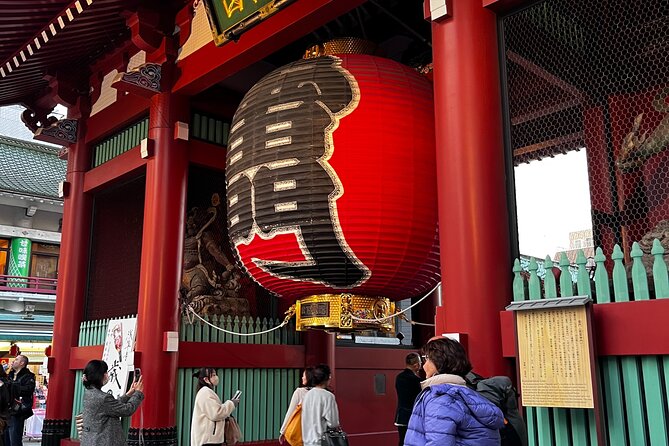
- Kaminarimon Gate begins the story: See Asakusa’s famous entrance and learn why it matters before moving into the temple grounds.
- Nakamise-dori adds a practical stop: Browse traditional sweets, food, and souvenirs while your guide helps explain what you are seeing.
- The main hall brings the customs into focus: Learn how to act respectfully and what the rituals mean.
- A group capped at 10 keeps it personal: You have a better chance to hear the guide and ask questions.
- Local guides add useful help: Yoshiko and Yoshi have been praised for clear English, kindness, and assistance with shopping.
- Ninety minutes keeps the visit easy to fit in: The tour works well before lunch, dinner, or another Tokyo plan.
Starting at Kaminarimon Gate in Asakusa
Your meeting point is the Burger King Asakusa Azumabashi, at Cross Building Royal Palace, 2-chome 20-6 Kaminarimon, Taito City, Tokyo 111-0034. The activity ends back at the same meeting point, so you are not left guessing where to go after the walk.
This location puts you close to the Asakusa sights that matter most. You begin with the Kaminarimon Gate, the grand entrance recognized by its large lantern and imposing guardians. Even if you have already seen photographs, the gate makes more sense when someone explains its role as the threshold to Senso-ji.
I like beginning here because it gives the tour a clear shape. You are not simply wandering from one photo stop to another. You start at the entrance, follow the approach street, and finish at the main hall. That order helps you understand how the temple visit is meant to unfold.
The mobile ticket is useful in a city where keeping track of paper confirmations can be a nuisance. Confirmation arrives when you book, and the meeting instructions are specific. Still, check the exact address and arrive with enough time to find the meeting point, since the tour is short and a late start would eat into your visit.
A few more Tokyo tours and experiences worth a look


Walking Nakamise-dori for food and souvenirs
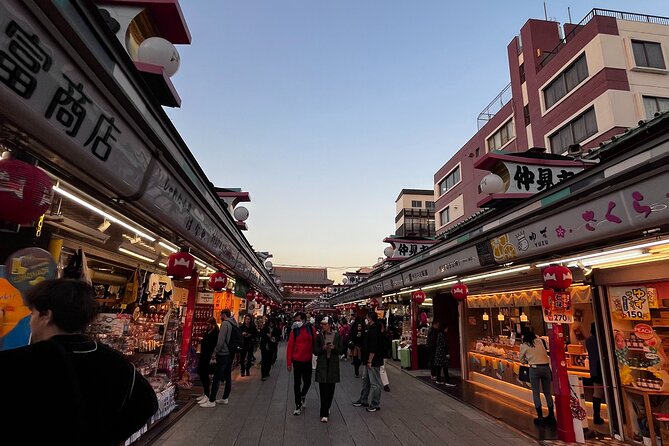
From Kaminarimon Gate, the route leads along Nakamise-dori, the shopping street approaching Senso-ji. This is not just a passage to hurry through. It is one of the best places on the tour to connect temple tradition with everyday Tokyo shopping.
You can look for local treats, small souvenirs, and traditional goods. The guide can help explain what you are seeing and point out items that have a clearer connection to Japanese customs. That help matters because a shop filled with unfamiliar snacks and crafts can otherwise become a blur of colorful packaging.
One especially useful part of the experience is the shopping assistance associated with Yoshi. Yoshi has helped a visitor choose local food and treats, and even assisted with the purchase of a beautiful kimono. That does not mean kimono shopping is a formal stop included every time, so you should not book this tour expecting a dedicated shopping appointment. It does show the kind of personal help a local guide may offer when your interests come up.
Nakamise-dori is also where the tour can feel least quiet. The street is popular, and its shops make it more commercial than the temple buildings themselves. If you want extended time to browse, buy gifts, or sample everything that catches your eye, ninety minutes will feel tight. I would treat the walk as an introduction, then return later if a particular shop deserves more time.
Understanding Senso-ji’s rituals at the main hall
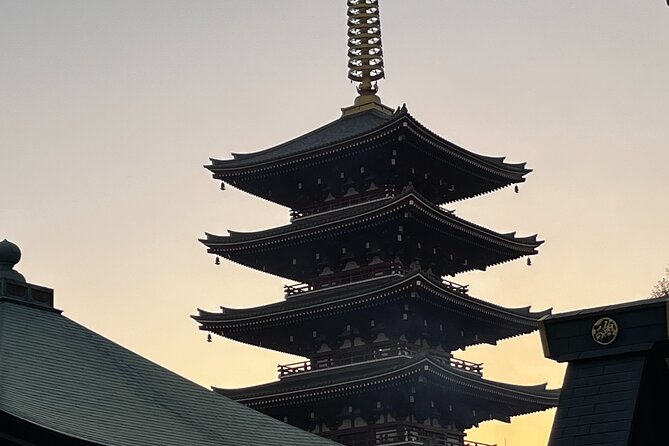
The main hall is the heart of the visit. Here, the guide explains the temple’s place in Japanese heritage and the basic rituals connected with a visit. The point is not simply to photograph the building. You learn how to approach the site with care and why certain actions matter.
The tour includes the chance to draw fortunes. This is a small but memorable way to take part rather than only observe. Your guide can help explain the custom and how to respond if the fortune is not favorable. The supplied details do not promise a particular type of fortune experience or any included fee, so bring a little flexibility rather than expecting a set ritual package.
The temple also provides a useful setting for questions about shrines, temples, and local traditions. The tour description refers to both temples and shrines, though the central stop here is Senso-ji Temple. A guide can help you avoid treating every religious site as the same, which is especially helpful on a first visit to Japan.
Yoshiko has been praised for speaking excellent English and for explaining the area as a local. That is important at a site where a short sign cannot explain the full meaning of a gesture or practice. Yoshi has also been praised for being attentive and patient. Guide assignments can vary, so you should see those names as examples of the service style, not a guarantee that one particular guide will lead your group.
Why the 10-person limit matters
A maximum of 10 people is a strong feature for this kind of walk. Senso-ji can be crowded, and a large group would make it harder to hear explanations near the gate, street, and main hall. With a smaller group, you can ask about customs, shopping, or details that catch your eye.
The group size also affects the tone. This is more personal than following a flag through the temple grounds, yet it remains a shared tour rather than a private guide. At $43 per person, that middle ground is worth considering if you want expert context without paying the full cost of a private experience.
The price does not cover a long list of included attractions. Admission to the temple is free, and the tour lasts about 1 hour and 30 minutes. Your payment mainly buys the guide’s time, explanations, local knowledge, and help making sense of the area.
That makes the value depend on your travel style. If you are happy to walk through Senso-ji, take photographs, and read what you can on your own, $43 may feel high for a short visit. If you want to understand the rituals, ask questions in English, and get useful advice about local products, the fee is easier to justify.
How much you can see in 90 minutes
The itinerary is focused on one attraction, which is both its strength and its limit. You will cover the Kaminarimon Gate, Nakamise-dori, and the main hall, with time for explanations and a fortune. You will not be trying to squeeze several distant Tokyo neighborhoods into one rushed outing.
I like this focus. Asakusa rewards attention, and the route gives you a clear introduction without demanding half a day. You can schedule it around other plans in Tokyo, then return to Nakamise-dori if you want more shopping afterward.
The timing may feel brisk if you stop often for photographs or browse each shop. The experience is designed as a guided visit, not a free period for shopping. Listen first, note the places that interest you, and save extra purchases for after the tour.
Because the activity ends at the starting point, you can easily continue exploring Asakusa on your own. The information provided does not list a separate drop-off or transportation service, so plan to make your own onward arrangements.
A few more Tokyo tours and experiences worth a look

What the guides add to the visit
The strongest part of this experience is the human explanation. A temple can be beautiful and still be confusing. You may see people performing a ritual, drawing a fortune, or making an offering without knowing what it means or how to take part.
A good guide turns those moments into something you can understand and respect. Yoshiko’s clear English and local knowledge are especially valuable for visitors who want more than a quick photograph. Yoshi’s help with food, treats, a kimono purchase, and local traditions suggests a guide who pays attention to the person in front of her rather than delivering only a fixed speech.
The tour is also well suited to people who worry about getting temple etiquette wrong. You can ask directly, and the guide can explain the customs in plain language. That small bit of confidence makes the visit feel less like a performance and more like a respectful encounter.
Still, keep expectations reasonable. The tour is short, and the available details do not promise a specialist lecture on Buddhist art, architecture, or Japanese religious history. You get a practical cultural introduction, not an academic course.
Who will get the most from this tour
I would recommend this walk to a first-time Tokyo visitor who wants a clear introduction to Asakusa. It is also a good fit if you have limited time, prefer a small group, or feel unsure about temple etiquette.
Families and mixed-age groups may appreciate the manageable 90-minute length. The activity states that most people can participate, and service animals are allowed. No special fitness requirement is listed, though you should expect to walk through a busy temple approach and site.
This tour suits you particularly well if you want to combine sightseeing with shopping advice. The chance to ask about local sweets, gifts, and traditional items gives the visit a practical edge.
You may want something else if you prefer to explore alone, spend a long time browsing shops, or focus on photography. In that case, use the tour as an orientation, then return to Senso-ji and Nakamise-dori at your own pace.
Weather, group size, and cancellation details
The activity requires good weather. If conditions force a cancellation, you are offered another date or a full refund. It also requires a minimum number of participants, so a cancellation is possible if that number is not reached, with a different date, another experience, or a full refund offered.
You can cancel for a full refund up to 24 hours before the start time. Cancellations or changes made less than 24 hours before the local start time are not accepted for a refund.
These rules are fairly workable for a Tokyo itinerary, but do not leave the decision until the last minute. As the tour is often booked well ahead, planning early may be wise if you want a particular date. At the same time, the free-cancellation window gives you room to adjust before the final day.
Should you book the Senso-ji guided tour?
Book it if you want Senso-ji explained rather than simply seen. The combination of Kaminarimon Gate, Nakamise-dori, the main hall, temple customs, fortunes, and local shopping advice makes good use of 90 minutes. The 10-person limit and the strong guide feedback, especially for Yoshiko’s English and Yoshi’s personal help, add real value.
Skip it if you already know Japanese temple customs or want long, unstructured time for shopping. Since admission is free, independent visitors can see the same main sights without paying the guide fee.
For most first visits, I think the tour works best as an opening lesson in Asakusa. Let the guide show you how the place fits together, ask about the rituals, and mark the shops or treats you want to revisit. At $43, it is not the cheapest way to see Senso-ji, but it is a sensible short investment if cultural context and friendly local help matter to you.
FAQ
How long does the Senso-ji tour last?
The tour lasts approximately 1 hour and 30 minutes.
What sights are included?
The route includes Kaminarimon Gate, Nakamise-dori shopping street, and Senso-ji Temple’s main hall. You can also learn about local rituals and draw a fortune.
Is admission to Senso-ji included?
Admission to the temple is listed as free. The $43 price covers the guided experience rather than a separate temple entrance ticket.
How large is the tour group?
The activity has a maximum of 10 participants.
Where does the tour start and finish?
The meeting point is the Burger King Asakusa Azumabashi in Kaminarimon, Taito City, Tokyo. The tour ends back at the same meeting point.
Can I cancel for a full refund?
Yes. You can cancel at least 24 hours before the local start time for a full refund. Changes or cancellations made less than 24 hours before the start time are not accepted for a refund.
More Guided Tours in Tokyo



More Temples & Meditation in Tokyo
More Asakusa Tours in Tokyo

More tours in Tokyo we've reviewed












Asakusa Tours, compared.
 ★ 4.8Tokyo: Japanese Dance Cabaret Theater Asakusa-Kaguwa TicketFrom $492 hours
 ★ 4.7Tokyo: Meiji Shrine, Asakusa, Skytree Bus Tour and CruiseFrom $12210 hours
 ★ 4.9Tokyo: Roll and Authentic Sushi Making Class in AsakusaFrom $581h 40m
 ★ 4.8Tokyo: Asakusa Walking Tour with Sensoji Temple VisitFrom $222 hours
 ★ 5.0Tokyo Asakusa Rickshaw TourFrom $42
 ★ 4.5Tokyo Panoramic 1 Day: Meiji Shrine, Asakusa, Odaiba and SKYTREE®From $85