Reviewed · SUSHI MAKING CLASSES
How to use Japanese knife, Tuna Cutting and Sushi Workshop
The most unusual part of this Tokyo food class is simple: you get to cut a block of tuna yourself. That job usually belongs to a sushi chef, so this workshop gives you a practical look at the knife work behind those neat slices at the counter. You then use the tuna to make sushi and eat what you prepare.
In This Article
- Key points to know before booking
- What the two-hour workshop actually gives you
- Learning from the sushi chef
- Why cutting tuna is more than a photo opportunity
- Making nigiri after the tuna lesson
- The Azabujūban meeting point and morning timing
- Is $182.43 a fair price?
- Who will enjoy this most
- Practical details that affect your choice
- Should you book the tuna and sushi workshop?
- FAQ
- Where does the tuna and sushi workshop begin?
- What time does the activity start?
- How long does the workshop last?
- Where does the workshop end?
- Are the tuna and sushi ingredients included?
- How many people can join the workshop?
- Can I cancel for a full refund?
I like the small maximum of 10 people, which should leave room for questions and hands-on instruction. I also like that the tuna and sushi ingredients are included, so the $182.43 price covers more than a demonstration. The main consideration is time: two hours is enough for an introduction, not a full course in sushi craft.
I would choose this for anyone who enjoys food with a story behind it, especially families, couples, and curious cooks. The workshop begins at 9:30 a.m. in Azabujūban, ends at the same place, and offers a focused morning rather than a long market excursion.
Key points to know before booking
- Cut a professional-sized tuna block: Learn how the chef separates and uses different parts of the fish.
- Make and eat your own sushi: The hands-on class ends with sushi made from the tuna you worked with.
- Small-group instruction: The group is capped at 10 people, making personal guidance more likely.
- Professional sushi maker: A chef explains the knife technique, tuna cuts, and sushi preparation.
- Central Tokyo meeting point: The workshop starts at Sanpia Azabujūban in Minato City.
- Morning timing: The 9:30 a.m. start fits well before an afternoon of sightseeing.
What the two-hour workshop actually gives you
This is not a quick sushi rolling session. The central lesson is tuna cutting, a part of Japanese food preparation that most visitors only see from the other side of the counter.
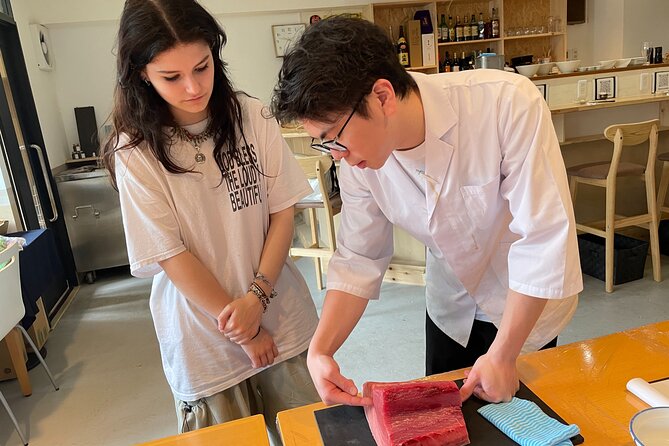
You learn about the fish before you work with it. The chef explains the different parts of the tuna and shows how the cuts relate to the final dishes. That matters because sushi is not simply raw fish placed on rice. The shape, grain, fat, and direction of the cut all affect how it feels in your mouth.
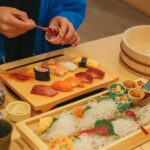
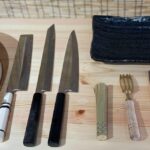
The chef then demonstrates how to use the Japanese knife. You get to try the work yourself, under instruction, rather than watching from a distance. The exact number of cuts and dishes can vary, but the experience includes multiple tuna cuts according to the activity descriptions and past participant accounts.
You should expect a guided introduction, not professional-level knife training. Cutting tuna properly takes years of practice. That is part of the appeal: you get a clear sense of how much control and precision a sushi chef needs.
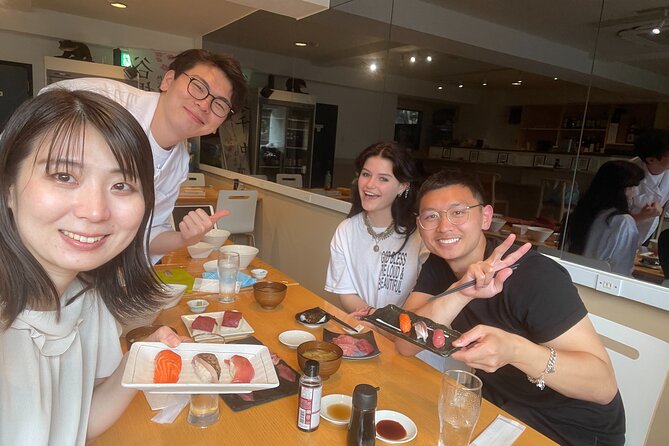
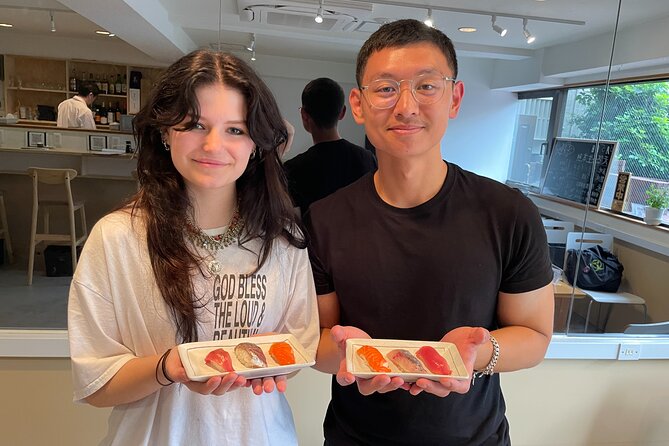
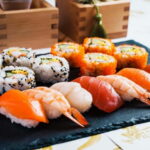
After the fish preparation, you make sushi with the tuna and included ingredients. The activity information specifically highlights sushi making, while past sessions included instruction in nigiri. If you have never shaped nigiri before, you may be surprised by how difficult it is to create a compact rice base without crushing it.
The final reward is lunch or breakfast made by your own hands. Since the experience begins in the morning, eating your sushi soon after the class gives the workshop a pleasant rhythm. You learn, prepare, and then sit down to taste the result.
A few more Tokyo tours and experiences worth a look
Learning from the sushi chef
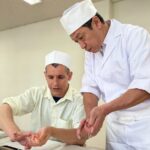
The chef is the key to this experience. A professional can show you details that a general cooking class may skip, such as where to place the knife, how to follow the grain, and why a clean cut matters.
You should also get a short cultural and historical introduction to Edo-style sushi. That background helps place the techniques in context without turning the morning into a lecture. The strongest part of the class is likely to be the balance between explanation and practice.
Language support may be available during the session. Amy has assisted with translations and explanations, while Azusa and Adam have also helped lead or support past sessions. Names and staff assignments can change, so I would not book on the expectation of meeting one particular guide. Still, the experience is designed to be accessible to international visitors.
The small group is important here. With a maximum of 10 people, you are not standing at the back of a large demonstration. You should have a better chance to see the chef’s hand position, ask about a cut, and receive correction when your own technique goes wrong.
That personal element also makes the workshop social without making it feel like a party. You may meet a few other people who are equally interested in Japanese food, but the main focus remains the fish and the knife work.
Why cutting tuna is more than a photo opportunity
Many food activities let you sample something. This one asks you to understand how it gets prepared.
Tuna is often presented in tidy slices, with little hint of the work behind them. Here, the chef shows you the fish in a larger form and explains how different sections are used. The lesson gives you a better appreciation for the cost of quality sushi and the skill required to serve it consistently.
The knife technique also teaches patience. A rough or hurried cut can spoil the texture. You are likely to discover that the hard part is not simply pressing a sharp blade through the fish. It is keeping the cut smooth, controlled, and suited to the portion you want to serve.
This is where the workshop offers something more lasting than a standard tasting. Afterward, you may look at a plate of nigiri differently. You will know that the chef’s work includes selecting the right section, cutting it cleanly, shaping the rice, and placing the fish with care.
Do not expect to become a sushi master in two hours. The phrase is playful, not a promise of professional training. The real gain is a first-hand sense of the craft and a skill you can continue practicing at home.
Making nigiri after the tuna lesson
The sushi portion follows naturally from the knife work. Once you have prepared the fish, you use it in sushi rather than simply watching the chef serve it.
Nigiri is especially useful for this kind of class because it exposes every small mistake. The rice needs the right shape and pressure. The tuna must sit neatly on top. You may produce attractive pieces, or you may make a few that look more rustic. Either outcome is part of the lesson.
The activity includes the tuna and sushi ingredients, which keeps the process straightforward. You do not need to shop for supplies or worry about bringing food to the class. The chef can focus on preparation and you can focus on your hands.
Past participants have prepared several dishes and tasted food made by the chef as well as their own work. The exact menu is not specified, so I would not assume a long tasting menu or a particular number of sushi pieces. What is clear is that eating the finished sushi is part of the experience.
I like this approach because it avoids the common problem of a cooking class where you prepare something but never understand why the technique matters. Here, the tuna lesson gives the sushi-making segment a clear purpose.
The Azabujūban meeting point and morning timing
The meeting point is Sanpia Azabujūban, 3-chōme 34, Azabujūban, Minato City, Tokyo 106-0045. The activity starts at 9:30 a.m. and returns to the same meeting point.
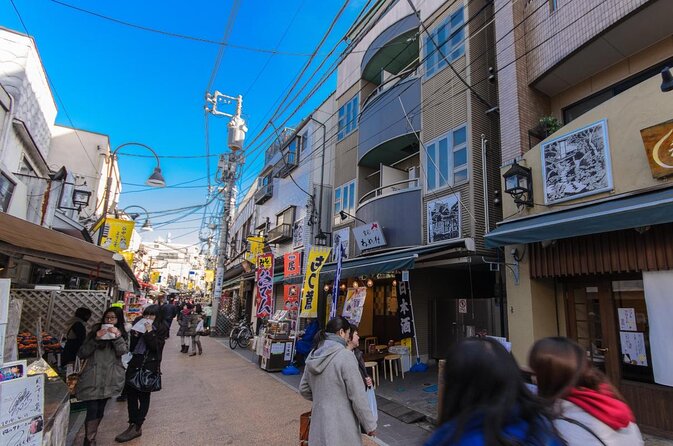
The location is described as easy to find and close to public transportation. You should still allow time to get your bearings in Tokyo, especially if you are traveling from another part of the city. A 9:30 start means you should check your route the night before and arrive a little early.
Azabujūban is a useful base for the rest of your day. Once the workshop ends, you are already in central Tokyo and can continue sightseeing, shopping, or eating elsewhere. The return to the starting point also makes the logistics simple.
Some past sessions connected tuna buying or a behind-the-scenes visit at Toyosu Market with the sushi class. Those accounts describe a longer food-focused morning that included market activity and, in some cases, shopping. The two-hour experience described here does not promise a Toyosu visit, so you should not book it expecting an auction tour or market access. Treat the Azabujūban workshop as the confirmed core activity.
A few more Tokyo tours and experiences worth a look


Is $182.43 a fair price?
At $182.43 per person, this is not a budget cooking class. You are paying for a professional-led activity, tuna, sushi ingredients, knife instruction, interpretation when provided, and a small group capped at 10 people.
The price makes more sense if you value access and participation rather than quantity of food. You could spend less on a sushi meal in Tokyo, but a restaurant meal would not let you handle the tuna, study the cuts, or make the nigiri yourself.
The class also avoids some hidden-cost worries. The main ingredients are included, and the activity ends at the meeting point. You are not expected to buy fish or equipment during the session.
I would see the price as reasonable for a special-occasion activity, particularly if you are keen on Japanese cuisine or want something you cannot easily reproduce through ordinary sightseeing. It is harder to justify if you only want a cheap breakfast or a large amount of sushi.
The experience has a 4.9 rating from eight recorded ratings, which suggests very strong satisfaction, though the sample is small. I would give more weight to the consistent themes: friendly instruction, tasty food, useful translation, and the chance to see how difficult sushi preparation really is.
Who will enjoy this most
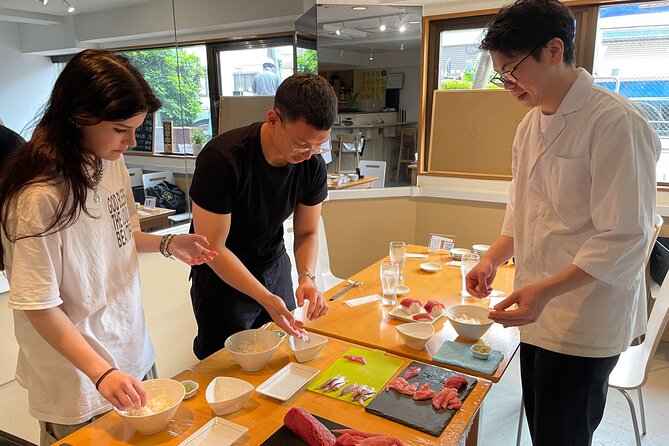
This workshop suits you if you enjoy learning by doing. It is a good fit for home cooks, food lovers, and anyone who has wondered how sushi chefs produce such clean, even cuts.
Families can also enjoy it. One past group attended with sons and used the class as a shared introduction to sushi preparation. Children should be comfortable following knife instructions, but the provided information does not state a minimum age, so check before booking if that matters to your family.
Couples and solo visitors can make good use of the small group. You are likely to have a chance to talk with others, but you will not be required to perform for a crowd.
It is less suitable if you want a relaxed tasting with no practical work. You will handle a knife, work with raw tuna, and attempt a technique that takes practice. The class rewards attention and curiosity more than passive sightseeing.
It may also disappoint anyone expecting an extensive tour of Toyosu Market. Market visits appear in some past versions or connected experiences, but they are not part of the confirmed two-hour workshop details provided here.
Practical details that affect your choice
Confirmation arrives within 48 hours of booking, subject to availability. Since the experience is often booked about 71 days ahead, I would reserve early if your Tokyo dates are fixed.
You receive a mobile ticket, which is convenient for a morning meeting. Keep the meeting address and start time easy to access on your phone, and plan your public transportation route in advance.
The activity requires a minimum number of participants. If that minimum is not met, the operator offers another date or experience, or a full refund. Poor weather can also lead to cancellation, with the same choice of a new date or a refund.
You can cancel for a full refund up to 24 hours before the 9:30 a.m. start. Changes or cancellations inside that 24-hour window are not refunded, so do not leave this decision until the last morning.
No separate accessibility details are provided. If you need specific arrangements, contact Japan Food Journey before booking rather than assuming the workshop setup will suit you.
Should you book the tuna and sushi workshop?
I would book this if you want a close, practical look at Japanese sushi craft and are willing to pay for access to a professional chef. The tuna cutting is the main reason to choose it. It gives you a rare chance to handle a task normally reserved for specialists, then use the result in your own sushi.
The best match is a food-focused visitor who values instruction, conversation, and a memorable morning over a large meal. You should also enjoy trying a technique that may not look perfect on the first attempt.
I would skip it if your main goal is a Toyosu Market tour, a long cooking course, or a low-cost meal. Those are different experiences. For a compact, hands-on introduction to tuna preparation and nigiri, this workshop offers a clear purpose and a strong sense of place in Tokyo.
FAQ
Where does the tuna and sushi workshop begin?
It begins at Sanpia Azabujūban, 3-chōme 34, Azabujūban, Minato City, Tokyo 106-0045.
What time does the activity start?
The workshop starts at 9:30 a.m.
How long does the workshop last?
The activity lasts approximately two hours.
Where does the workshop end?
It ends back at the meeting point in Azabujūban.
Are the tuna and sushi ingredients included?
Yes. The price includes the tuna and ingredients used for making sushi.
How many people can join the workshop?
The maximum group size is 10 people.
Can I cancel for a full refund?
Yes. You can cancel at least 24 hours before the local start time for a full refund. Cancellations made less than 24 hours before the start are not refunded.
More Workshops & Classes in Tokyo
More Sushi Making Classes in Tokyo
More tours in Tokyo we've reviewed












Sushi Making Classes, compared.
 ★ 5.0Sushi Making Tokyo Roll and Authentic Japanese Sushi ClassFrom $59
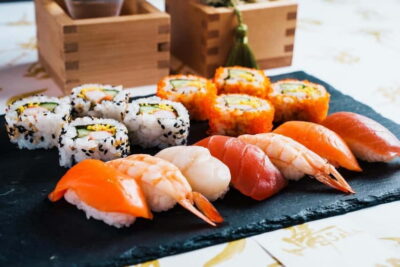 ★ 4.9Tokyo: Roll and Authentic Sushi Making Class in AsakusaFrom $581h 40m
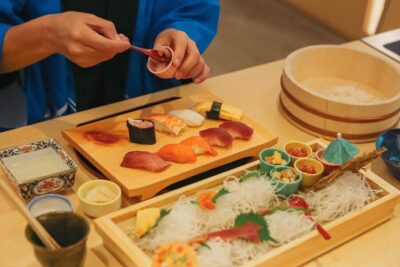 ★ 4.9Tokyo: Sushi Making Class in a Happi Coat near a Famous SpotFrom $421h 30m
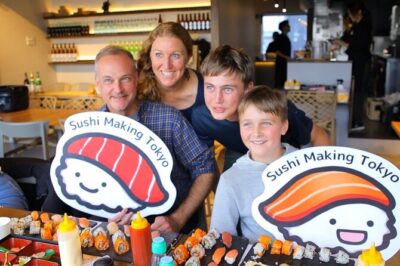 ★ 5.0Sushi Making Tokyo! Popular Maki Sushi & Japanese Sushi(+Recipe!)From $63
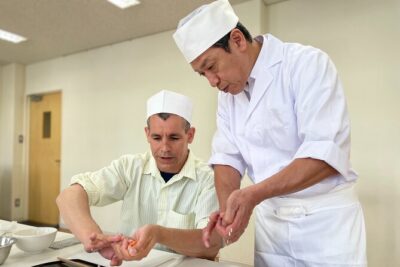 ★ 5.0Tokyo Sushi Making Class in Tsukiji with Professional ChefFrom $49
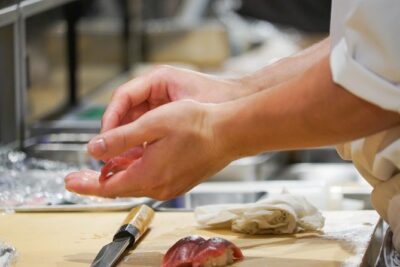 ★ 5.0Tokyo Night Foodie Tour in Shinjuku – Seasonal Sushi, Wagyu BeefFrom $111


![[30 minutes] Rickshaw tour around Asakusa [History, sightseeing, Tokyo Skytree] - The 30-minute route through downtown Asakusa](https://tokyoezine.com/wp-content/uploads/2026/08/30-minutes-rickshaw-tour-around-asakusa-history-sightseeing-tokyo-skytree.jpg)