Reviewed · SHIBUYA TOURS
Tokyo: Shibuya Walking Tour & Night Views from Shibuya Sky
Shibuya Sky gives you Tokyo from a thrilling angle: 229 meters above the street, with an open-air rooftop where the city spreads in every direction. The clever part is pairing that view with a guided walk through Shibuya first, so you see both the street-level energy and the vast city beyond it.
In This Article
- Key points to know before you book
- Why this Shibuya combination works so well
- Meeting Hachiko at the heart of Shibuya
- Crossing Shibuya Crossing with a guide
- Center Gai and the everyday side of Shibuya
- Shibuya Yokocho and Miyashita Park
- From street level to Shibuya Sky at 229 meters
- Tokyo by day, then Tokyo after dark
- Weather rules and the indoor backup
- Languages, guide style, and the value of the walk
- Who should book this Shibuya experience?
- Is the combined ticket good value?
- My verdict: book it for the contrast
- FAQ
- Where does the tour begin?
- How early should I arrive?
- Which places are included in the walking tour?
- How high is Shibuya Sky?
- Can I see Mount Fuji from Shibuya Sky?
- Which languages are available?
I like the mix of local stories and famous sights, especially the walk from Hachiko Square through Center Gai, Shibuya Yokocho, and Miyashita Park. I also like the timing, since a late afternoon start can take you from daylight into Tokyo’s glowing night. The main caution is weather: rain or strong wind may close the rooftop, leaving you with the indoor observatory instead.
Key points to know before you book

- Start beside Hachiko’s statue: Meet at Hachiko Square, next to the statue and a lottery booth, at least 15 minutes early.
- See Shibuya from street level first: The route includes Shibuya Crossing, Center Gai, Shibuya Yokocho, and Miyashita Park.
- Reach 229 meters at Shibuya Sky: The open-air rooftop gives you a full 360-degree view of Tokyo.
- Look for Mount Fuji in clear weather: Visibility depends on conditions, but the distant peak may be visible from the observatory.
- Choose your language: The activity is offered in English and Spanish.
- Pack light: Food, drinks, large bags, drones, and tripods are not allowed.
Why this Shibuya combination works so well

Many Shibuya visits split into two separate plans: a walk through the famous district and a ticket to Shibuya Sky. This experience joins them into one outing. That matters because the two parts answer different questions.
The walking tour shows you how Shibuya feels at ground level. You hear stories about its past, see the signs and buildings up close, and move through the places that give the district its fame. Shibuya Sky then lets you pull back and understand the scale of Tokyo.
I like that change of viewpoint. From street level, Shibuya can feel like a maze of crossings, shops, signs, alleys, and towers. From the rooftop, those same streets become lines of light, and the city’s size finally makes sense.
The tour also gives you a useful introduction if Shibuya is your first Tokyo neighborhood. You get the major landmarks without spending your whole evening trying to work out where to go next. It is not a full-day cultural tour, and it does not try to cover all of Tokyo. Its focus is narrower and more useful: understand Shibuya, then see it from above.
A few more Tokyo tours and experiences worth a look


Meeting Hachiko at the heart of Shibuya
The activity begins at Hachiko Square, beside the well-known statue of the loyal dog and near a lottery booth. This is a practical meeting point, but it can be crowded and confusing, especially around the station.
Arrive at least 15 minutes before the start. Do not cut it close. Shibuya Station has many exits and several busy pedestrian areas, so you need time to find the statue, locate the guide, and settle in before the group moves off.
Hachiko is more than a convenient landmark. The statue is one of Shibuya’s best-known meeting spots and a symbol of the district’s public life. Starting here puts you right in the middle of the action instead of sending you to a quiet side street.
That also means you should keep your belongings close while waiting. Large bags are not allowed at Shibuya Sky, and carrying less will make the walk easier. Transportation to the meeting point is not included, so plan your route to Hachiko Square separately.
Crossing Shibuya Crossing with a guide

The first major sight is likely to be Shibuya Crossing, the broad intersection known for its waves of pedestrians moving in several directions at once. It is an easy place to photograph, but a guide adds context that a quick stop on your own may miss.
The value here is not just watching people cross. Your guide can help explain how this part of Shibuya functions as a meeting place, shopping center, and visual symbol of modern Tokyo. The crossing is exciting for a few minutes, but the surrounding streets explain why the district remains such a popular stop.
Guides Lily and Lilly are named in the supplied information with slightly different spellings, so your guide may be one of them or another member of the English or Spanish-speaking team. The strongest guide comments describe an energetic style, clear English, and stories that connect old Shibuya with its current identity.
This is a good place to ask questions early in the walk. If you want more detail about Japanese culture, urban design, street art, or the district’s past, speak up. The guides are praised for mixing cultural stories with details about buildings and public spaces, rather than simply pointing out photo stops.
Center Gai and the everyday side of Shibuya

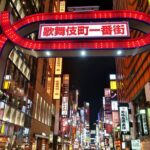
From the crossing, the route continues toward Center Gai, one of the district’s best-known pedestrian areas. Here you see a different side of Shibuya: shops, signs, restaurants, and narrow streets packed into a lively commercial zone.
Center Gai is useful because it shows the contrast between Tokyo’s orderly systems and the sensory overload of its shopping streets. The signs compete for your attention, yet the area works with remarkable rhythm. A guide can help you notice details that are easy to miss when you are busy taking pictures.
The walk is also a chance to hear about Shibuya’s change over time. The district’s name is linked to the old Shibuya clan, and several guide comments point to the contrast between that earlier history and the modern cultural center you see today. You should not expect a museum-style history lesson. Instead, the past appears in short stories tied to the streets around you.
That approach suits this neighborhood. Shibuya’s history is not confined to one grand monument. It is mixed into station development, public art, shopping streets, and new architecture. The guide’s job is to connect those pieces without slowing the walk too much.
Shibuya Yokocho and Miyashita Park

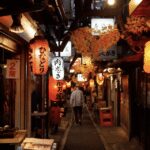
The route also includes Shibuya Yokocho, a dining area with a more intimate street feel, and Miyashita Park, a modern public space that reflects Shibuya’s changing design.
Shibuya Yokocho is a useful contrast with Center Gai. Instead of focusing only on the large streets and major signs, the walk brings you closer to the food-and-social side of the district. Food and drinks are not included, so treat this as a look at the area rather than a meal stop.
Miyashita Park adds another layer. It helps show how Tokyo reworks limited urban space for shopping, recreation, and public use. Guides have been praised for pointing out architectural surprises, so this is one of the places where you may get more from the tour than you would by walking past on your own.
The route appears designed for variety rather than a long list of monuments. You move through a famous crossing, a shopping street, a food-focused area, and a newer public space. That keeps the walk from feeling repetitive.
One limitation is that the exact walking time and group size are not provided. If you need a tour built around a fixed pace, detailed accessibility planning, or a small private group, ask the provider before booking. The advertised experience gives you the route and language options, but not those finer details.
A few more Tokyo tours and experiences worth a look




From street level to Shibuya Sky at 229 meters
After the walk, you head to Shibuya Scramble Square and continue up to Shibuya Sky. The observatory is the payoff, but it works better after the street tour because you now recognize the district below.
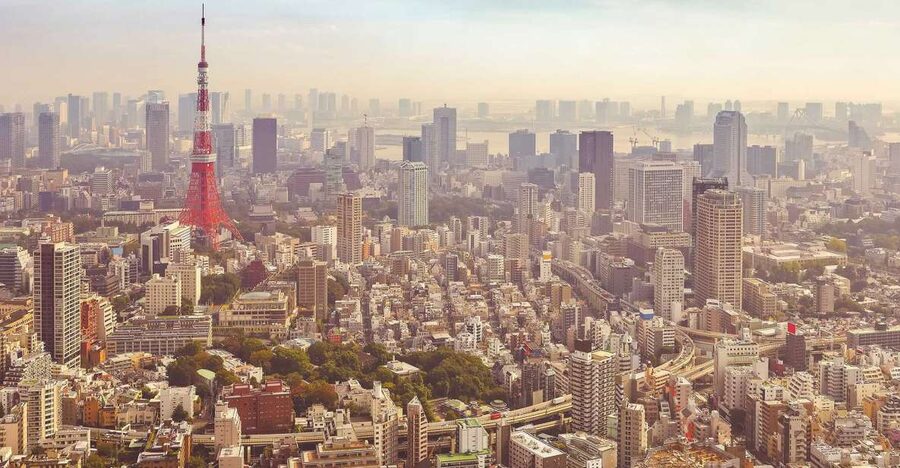
At 229 meters, the view reaches far beyond Shibuya. Tokyo’s towers and dense streets stretch across the horizon, and the city begins to look less like separate neighborhoods and more like one enormous urban area.
The open-air rooftop is the special feature. You are not looking through a standard window from a sealed room. Weather permitting, you can feel the height and look across the city with fewer visual barriers. That makes the visit more dramatic than a typical indoor observation floor.
Bring a phone or camera if you like taking pictures, but leave the tripod at home. Tripods and drones are not allowed, and large bags cannot enter. Food and drinks are also not permitted. These rules are easy to manage, but knowing them in advance prevents a frustrating moment at the observatory.
Give yourself time to look before reaching for your camera. The city view is the main event, and the best part may be watching Tokyo change as daylight fades. A start around 5:00 pm, as described for one departure, can be well suited to this shift, though your exact start time may differ.
Tokyo by day, then Tokyo after dark

The view from Shibuya Sky changes quickly around sunset and into the evening. In daylight, you may have the best chance of spotting Mount Fuji if the air is clear. After dark, the city turns into a field of lights, with roads, towers, and signs marking the spread of Tokyo.
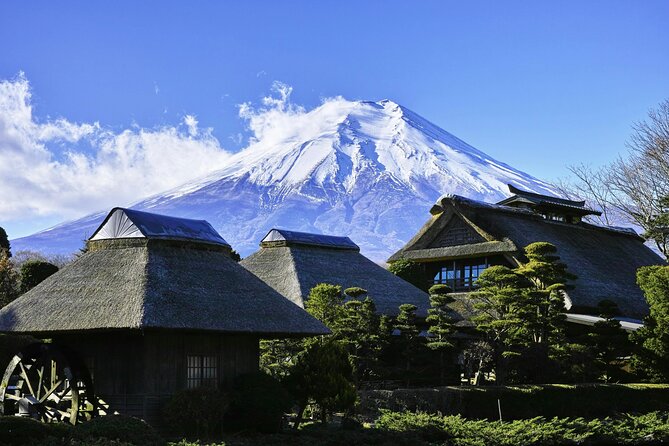
Mount Fuji is never guaranteed. Clear weather is essential, and haze can block the view even when the city below looks fine. Still, the possibility adds a worthwhile reason to keep scanning the horizon during the daylit part of your visit.
Night is where this activity earns much of its appeal. The rooftop’s open-air setting, the height, and the glowing city create a strong sense of place. It is also a very photogenic stop, but your experience will depend on crowd levels, weather, and how much time you have at the top.
I would not book this solely for a guaranteed Fuji photograph. Book it for the wide city view, then treat Fuji as a bonus. That keeps expectations sensible and makes the experience worthwhile even when the mountain is hidden.
Weather rules and the indoor backup

The biggest practical risk is bad weather. If rain or other poor conditions affect the rooftop, the open-air deck may close while the indoor observatory remains open.
That backup is important, but it is not identical. The indoor level can still provide city views, yet the open-air rooftop is the reason many people choose Shibuya Sky. If the rooftop matters most to you, check the forecast and keep some flexibility in your plans.
The provider says to make contact if you experience an inconvenience caused by weather and will provide an alternative. The exact alternative is not specified, so do not assume a particular replacement activity. The clear point is that weather can change the rooftop portion, not necessarily cancel the whole observatory visit.
Comfortable shoes are sensible for the walking section, though the activity details do not give a precise distance or duration. You will be moving through busy public areas, so a light day bag is easier than luggage. Since large bags are prohibited at the observatory, arrange storage elsewhere if needed.
Languages, guide style, and the value of the walk

The experience is offered in English and Spanish. That makes the guide’s commentary a key part of what you are paying for. The view at Shibuya Sky can be visited without this tour, but the walk adds interpretation and direction.
Lily is praised for clear English, strong energy, and stories about Tokyo and Japanese culture. Other guide descriptions focus on the way the tour connects the old Shibuya clan, the district’s growth, street art, architecture, and today’s famous hotspots.
That range is useful. You are not getting only a photo walk, but you are also not signing up for an academic lecture. The tone appears to be conversational, with short explanations at key stops and time to look around.
The best value comes if you enjoy knowing what you are seeing. If you already know Shibuya well and only want a ticket to the rooftop, buying the observatory admission separately may suit you better. If you want someone to put the neighborhood into context, the combined format saves you from piecing together the route alone.
No food or drinks are included. Plan to eat before or after, or arrange your evening around a meal elsewhere. Shibuya has plenty of places to continue your night, but this activity itself is focused on walking and views.
Who should book this Shibuya experience?
I would recommend it to first-time Tokyo visitors who want a strong introduction to Shibuya without committing a full day. It also suits photographers, architecture fans, and anyone who likes pairing a guided explanation with free time to take in a view.
Families and mixed-age groups may appreciate the simple structure: meet, walk through major sights, then finish at one clear destination. The guide can help keep the route focused in an area that can otherwise feel confusing.
It is less suitable if you dislike crowds, want a quiet neighborhood walk, or need a tour with a confirmed duration and group size. Shibuya is one of Tokyo’s busiest districts, and the experience is built around its energy rather than away from it.
The late-day format is especially appealing if available for your departure. You can see the streets before dark and then watch the city light up from above. Just remember that the start time listed in the supplied details is an example, not a universal schedule.
Is the combined ticket good value?
The price is not provided, so I cannot judge the exact fare in yen. I can judge what you receive: a guided walking tour, the guide’s cultural and architectural commentary, and admission to Shibuya Sky.
The value is strongest when you would otherwise pay for the observatory and separately arrange your own Shibuya walk. You also avoid spending time planning a route between the crossing, Center Gai, Shibuya Yokocho, Miyashita Park, and Shibuya Scramble Square.
You are not paying for transport, food, or drinks. That keeps the inclusions clear, but you should budget for getting to Hachiko Square and for anything you want to eat afterward.
For many people, the guide is the part that makes the combined price worthwhile. The rooftop view is memorable on its own, but the stories about Shibuya’s past and its changing buildings give the evening more shape.
My verdict: book it for the contrast
Book this tour if you want street-level Shibuya plus Tokyo from above in one outing. The walk gives you context, while Shibuya Sky supplies the big visual finish. That contrast is the experience’s strongest idea.
I would be cautious only if your plans depend on the open-air rooftop or a Mount Fuji sighting. Weather can close the roof, and Fuji may disappear behind haze. For everyone else, the combination of famous sights, local stories, modern architecture, and night views offers a sensible way to spend an evening in one of Tokyo’s most recognizable districts.
FAQ
Where does the tour begin?
Meet your guide at Hachiko Square, next to the Hachiko statue and beside a lottery booth.
How early should I arrive?
Arrive at least 15 minutes before the scheduled start time so the group can leave smoothly.
Which places are included in the walking tour?
The route includes Shibuya Crossing, Center Gai, Shibuya Yokocho, and Miyashita Park.
How high is Shibuya Sky?
The observatory is 229 meters above ground and offers 360-degree views of Tokyo.
Can I see Mount Fuji from Shibuya Sky?
You may see Mount Fuji on clear days. The view depends on weather and visibility.
Which languages are available?
The walking tour is available in English and Spanish.
More Walking Tours in Tokyo



More Night Tours in Tokyo
More Shibuya Tours in Tokyo

More tours in Tokyo we've reviewed












Shibuya Tours, compared.
 ★ 5.0Official Street Go-Kart in ShibuyaFrom $76
 ★ 5.0Shibuya Meltdown Nightlife Tour: All-You-Can-Drink Bar HoppingFrom $106
 ★ 4.9Tokyo: Street Kart Experience in ShibuyaFrom $99
 ★ 5.0Shibuya Official Street Go-Kart in Shibuya AnnexFrom $69
 ★ 5.0Tokyo: Shibuya Food Tour (13 dishes and 4 Eateries)From $77
 ★ 5.0Best of Shibuya Food TourFrom $217