Reviewed · TOKYO FOOD TOURS
Asakusa, Tokyo’s #1 Family Food Tour
Asakusa is one of Tokyo’s best places to pair food with tradition. This three-hour walk moves from the Asakusa Culture Tourist Information Center through temple gates, shopping lanes, and quieter backstreets, with five food stops including lunch along the way. You get more than a meal: you get a useful introduction to how this old downtown district eats and lives.
In This Article
- Key points at a glance
- Why Asakusa works so well for a food tour
- Starting at the Asakusa Culture Tourist Information Center
- Kaminarimon and the first taste of local life
- Snacks from across Japan, not just Tokyo
- Melon pan, the family favorite
- Hōzōmon, Sensō-ji, and the temple district
- The southern Japanese lunch
- Asakusa Shrine and the final sweet note
- What the small group changes
- Is $221 a fair price?
- Heat, weather, and practical comfort
- Who should book this Asakusa food walk?
- Should you book it?
- FAQ
- Where does the Asakusa food tour begin?
- What time does the tour start?
- How long does the experience last?
- How many people can join the tour?
- What food and drinks are included?
- Is the tour suitable for vegetarians and pescetarians?
- Where does the tour end?
I especially like the small maximum of 10 people, which gives the guide room to answer questions and keep the group together in crowded streets. I also like the range of tastes, from Japanese plums and pickles to rice crackers, melon pan, matcha tea, ice cream, and a southern Japanese lunch. The main consideration is the $221 price, which is substantial for a three-hour outing, and the walking can feel demanding in hot or wet weather.
Key points at a glance

- Five tasting stops: Food, dessert, a drink, regional snacks, and lunch are included.
- A useful Asakusa route: The walk connects Kaminarimon, Hōzōmon, Sensō-ji, Asakusa Shrine, and Nakamise Street.
- Small-group setting: No more than 10 people join the tour.
- Regional variety: You taste foods from across Japan, not only Tokyo specialties.
- Family-friendly format: Children can join with an adult, and the tour requires at least two people per booking.
- Flexible food selection: Vegetarian and pescetarian options are available, while exact tastings can change with the season.
Why Asakusa works so well for a food tour

Asakusa gives you a clear sense of old Tokyo in a compact area. The district is home to Sensō-ji, Japan’s oldest temple, but it is not only a temple stop. Its lanes also hold snack shops, small eateries, traditional sweets, and everyday neighborhood businesses.
That makes it a good place for a first food walk in Tokyo. You can see the major sights while your guide explains what you are eating and why certain flavors are popular in Japan. The food gives the sightseeing a purpose. Instead of simply passing through Kaminarimon or Nakamise Street, you have a reason to pause and pay attention.
The tour begins at 11:00 a.m. at the Asakusa Culture Tourist Information Center. That timing puts the main meal in the middle of the outing and leaves your afternoon free. After the tour, you finish near Sensō-ji, so you can continue exploring the temple area, return to Nakamise Street, or make your own plans nearby.
A few more Tokyo tours and experiences worth a look

Starting at the Asakusa Culture Tourist Information Center
The meeting point is easy to identify: the Asakusa Culture Tourist Information Center at 2-chōme-18-9 Kaminarimon. You begin with a short overview of the district before setting off on foot.
This opening matters because Asakusa can feel confusing at first. The temple, gates, shopping street, side lanes, and train stations all sit close together, but the crowds can make the area hard to read. A guide who gives you the basic layout at the start helps you understand where you are and how the neighborhood fits together.
The first stop lasts only about five minutes, so do not expect a long museum-style presentation. Think of it as a quick orientation before the food and walking begin. Bring your mobile ticket and arrive ready to move.
Kaminarimon and the first taste of local life
Kaminarimon, or the Thunder Gate, is one of Asakusa’s most familiar sights. Its large lantern and imposing entrance make it a natural starting point for seeing how the district presents itself to visitors.
The tour does not treat the gate as a photo stop only. Your English-speaking guide uses the area to explain local customs and daily life. This is where the walk begins to connect the famous Asakusa you see in photographs with the smaller neighborhood around it.
The food tastings may begin around this part of the route or in nearby lanes. The exact order can change, since restaurant schedules, holidays, weather, and seasonal availability affect the day’s stops. That flexibility is useful, though it means you should not book expecting one fixed menu.
Snacks from across Japan, not just Tokyo

One of the strongest parts of the experience is the variety of small tastes. You may try Japanese plums, pickles, rice crackers, tea, ice cream, and melon bread, also called melon pan.
These foods show different sides of Japanese eating. Pickles and plums introduce sharp, salty, and sour flavors. Rice crackers offer a familiar snack in many forms. Tea adds a slower, more traditional note, while ice cream and melon pan bring the sweeter finish that families often appreciate.
The regional focus is particularly useful. You are not simply sampling whatever happens to be sold on one street. The guide explains flavors from different parts of Japan and helps you understand how food preferences vary by region. That context turns tiny samples into a broader lesson about Japanese cuisine.
Exact tastings can change with the season. This is worth keeping in mind if you have a specific food in mind. The experience promises categories of food rather than a permanent, guaranteed menu.
Melon pan, the family favorite

Melon pan is one of the stops likely to appeal across age groups. Despite its name, the sweet bread does not necessarily taste like melon. Its appeal comes from the crisp, sugary outer layer and soft bread inside.
The tour presents it as a local dessert and one of Japan’s less familiar treats for international visitors. It is an easy food to enjoy while walking, and it gives children something recognizable after the stronger flavors of pickles or Japanese plums.
If you are already planning to visit Asakusa, melon pan is also a practical introduction to the district’s street-food culture. You get to try a snack associated with the area without spending time guessing which shop to choose.
A few more Tokyo tours and experiences worth a look



Hōzōmon, Sensō-ji, and the temple district

The route continues toward Hōzōmon Gate and Sensō-ji Temple. These stops are brief in the formal schedule, but the temple area forms an important part of the walk.
At Sensō-ji, your guide shares details about the temple and the surrounding shitamachi, a word used for Tokyo’s traditional downtown neighborhoods. The point is not just to admire the gate or take another photograph. You learn how the temple district connects to the character of Asakusa.
Expect plenty of people around the main approach, particularly near Nakamise Street. The guide’s use of side streets and alleyways is valuable here. You can move away from the most obvious path and see parts of Asakusa you might skip if you were following a basic sightseeing map.
There is a practical tradeoff. Narrow lanes and temple approaches can be crowded, and you need to stay aware of the group. Anyone with limited stamina should take the fitness note seriously, since this is a walking and eating tour rather than a seated food lesson.
The southern Japanese lunch

The included lunch is the heart of the tour. Rather than relying only on snacks, you sit down for food from southern Japan.
The supplied information does not name the exact regional cuisine or restaurant, so you should think of this as a guided regional meal rather than a fixed specialty dinner. The guide explains the food and its place in Japanese eating, giving you a chance to ask questions while you eat.
This lunch helps justify part of the price. Five small bites can be enjoyable, but they may not satisfy you for long. A proper meal makes the three-hour experience feel more complete and gives the tour a clear middle point.
One drink is included, as is dessert. Additional drinks or food cost extra. Vegetarian and pescetarian options are available, but you should make your dietary needs clear when booking so the appropriate arrangements can be made.
Asakusa Shrine and the final sweet note

The route also includes Asakusa Shrine, close to Sensō-ji. The shrine offers another view of the district and gives the guide a chance to explain local culture from a neighborhood perspective.
The final food stop may feature matcha tea or ice cream. This ending works well because it moves from savory and regional foods toward a gentle dessert. It also lets the group slow down before the tour ends.
You finish at a central location near the main gate of Sensō-ji, with Nakamise Street and the wider Asakusa area close by. This is convenient if you want to keep sightseeing. It is less convenient if you hoped to be returned to your hotel, since hotel pickup and drop-off are not included.
What the small group changes
The maximum group size is 10 people. That is not a private tour, but it is small enough to feel more personal than a large food crawl.
A small group matters in Asakusa because the streets can be tight and busy. A guide can point out a shop, explain a custom, or answer a question without trying to speak over a large crowd. It is also easier to keep younger children close.
The guide names associated with the experience include Michie and Wesley. One particularly useful detail from the available feedback is their care during a very hot day, when temperatures reached 35C with 70 percent humidity. They provided their own cooling products to help the group stay comfortable. That suggests a thoughtful approach to guest care, though Tokyo weather can still make the walk tiring.
The tour is conducted in English. Children must be accompanied by an adult, and the booking requires at least two people. Passport information is required for children aged 10 and above.
Is $221 a fair price?
At $221 per person, this is not a cheap way to grab lunch in Asakusa. You could certainly eat less expensively on your own, especially if you are comfortable choosing stalls and restaurants without help.
The price pays for more than the food itself. It includes five food stops, lunch, dessert, one drink, a local English-speaking guide, and a planned route through one of Tokyo’s most visited districts. You are also paying for explanations, organization, and the chance to sample foods you might not recognize on a menu.
The value is strongest for families and first-time visitors who want an easy introduction to Japanese food. It is also useful if you have limited time in Tokyo and want sightseeing and lunch handled in one block.
The value is weaker for confident food explorers who already know Asakusa well or prefer choosing every dish independently. It may also feel expensive if you are mainly looking for a large meal rather than a mix of tastings and local stories.
The experience has a 4.7 rating and a 91 percent recommendation rate, with 55 ratings recorded. Those figures point to a reliably well-received tour, but they do not change the basic price question. Decide if the guidance and variety are worth the added cost for your group.
Heat, weather, and practical comfort
Plan for three hours on foot. The tour requires a strong level of physical fitness, and the route includes streets, gates, temple grounds, and food stops rather than long periods of rest.
Tokyo summers can be especially hard. The example of 35C and 70 percent humidity is a useful warning. Wear light clothing, carry water, and use sun protection. The included drink helps, but additional drinks are not included, so budget for more if the day is hot.
Weather can also change the route or cancel the experience. If poor weather causes cancellation, you are offered another date or a full refund. Restaurant schedules, public holidays, and other unexpected changes may also lead to substitute stops.
The tour is near public transportation, but transportation costs are not included. Since the start and finish are both in Asakusa, you can arrange your own way to the meeting point and continue independently afterward.
Who should book this Asakusa food walk?
I would recommend it most to families who want a structured afternoon without committing to a full-day food program. The mix of sweets, snacks, a proper lunch, temple sights, and stories gives children several points of interest.
It also suits first-time visitors who want help reading Japanese food culture. You do not need to know what melon pan, matcha, or Japanese pickles are before arriving. The guide supplies the setting and explanation.
Vegetarians and pescetarians can also consider it, since those options are supported. Still, because the exact food stops can change, this is not the right choice if you need a fully fixed menu or have complex dietary restrictions that require detailed advance confirmation.
I would be more cautious about booking it for someone who dislikes walking, struggles in heat, or wants a quiet, private meal. The small group helps, but Asakusa itself remains a busy sightseeing district.
Should you book it?
Book this tour if you want food and Asakusa sightseeing in one compact afternoon, especially with children or first-time visitors to Japan. The guide-led route, five tastings, southern Japanese lunch, and temple context give you a fuller introduction than eating at one restaurant alone.
Skip it if $221 feels too high for a three-hour outing, or if you prefer to make your own food choices. For the right group, though, the experience offers a practical way to get oriented, try several regional flavors, and finish near Sensō-ji with the rest of the afternoon still open.
Free cancellation is available up to 24 hours before the start time. Same-day booking is also available, subject to availability and the minimum group requirement.
FAQ
Where does the Asakusa food tour begin?
It begins at the Asakusa Culture Tourist Information Center, located at 2-chōme-18-9 Kaminarimon, Taito City, Tokyo.
What time does the tour start?
The scheduled start time is 11:00 a.m.
How long does the experience last?
The tour lasts approximately three hours.
How many people can join the tour?
The maximum group size is 10 people.
What food and drinks are included?
The tour includes five food stops, including lunch, regional food tastings, street food, dessert, and one drink. Additional food and drinks are not included.
Is the tour suitable for vegetarians and pescetarians?
Yes. Vegetarian and pescetarian options are available, although the exact tastings may change with the season and restaurant schedules.
Where does the tour end?
It ends at the main gate of Sensō-ji Temple in the Asakusa area, near Nakamise Street.
More Food Experiences in Tokyo
More Tokyo Food Tours in Tokyo
More Asakusa Tours in Tokyo
More tours in Tokyo we've reviewed












Tokyo Food Tours, compared.
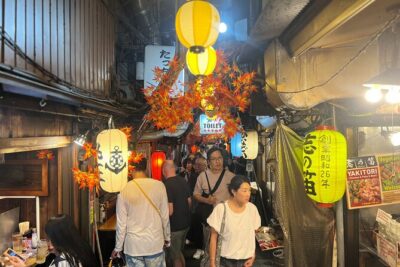 ★ 5.0Tokyo: Shinjuku Food Tour (13 Dishes at 4 Local Eateries)From $86
 ★ 4.9Tokyo: Shinjuku Food Tour (13 Dishes and 4 Eateries)From $97
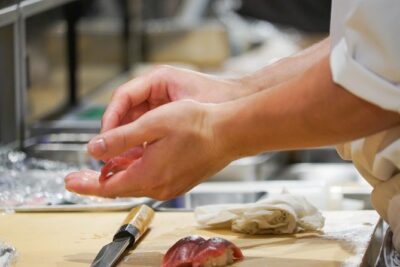 ★ 5.0Tokyo Night Foodie Tour in Shinjuku – Seasonal Sushi, Wagyu BeefFrom $111
 ★ 5.0Eat and Drink Like a Local: Tokyo Ueno Food Tour-Taverns&RamenFrom $95
 ★ 5.0Tokyo: Shibuya Food Tour (13 dishes and 4 Eateries)From $77
Tokyo: Shinjuku Food Tour – 15 Dishes, 3 Drinks, 4 EateriesFrom $723 hours
★ 5.0Tokyo: Shibuya Food Tour (13 dishes and 4 Eateries)From $77
Tokyo: Shinjuku Food Tour – 15 Dishes, 3 Drinks, 4 EateriesFrom $723 hours