Reviewed · SAMURAI & NINJA EXPERIENCES
Tokyo: Japanese Archery (Kyudo) Experience
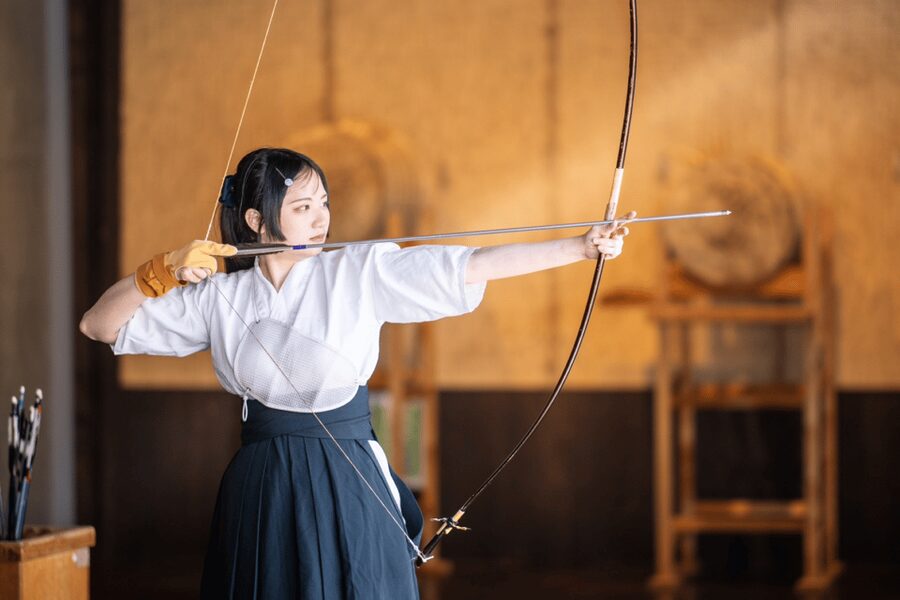
Kyudo puts you straight into a real Japanese archery hall, not a tourist set with a short range and decorative bows. You dress in traditional training clothes, learn the formal shooting motion, and spend much of the 150-minute session sending arrows toward a full-size competition target. I especially like the real venue and the chance to shoot dozens of times rather than taking one quick turn.
In This Article
- Key points at a glance
- Why this Tokyo kyudo class feels different
- Arriving at an official archery hall
- Dressing in the dōgi and choosing your equipment
- Learning the shooting form step by step
- Shooting dozens of arrows at a full-size target
- What the 150 minutes are really like
- Why the real range matters
- The cost and what you receive
- Who should book this experience
- Useful booking advice before you commit
- Should you book Tokyo kyudo?
- FAQ
- Where does the Tokyo kyudo experience meet?
- How long does the experience last?
- How many people can join?
- Is the instruction available in English?
- Is equipment included?
- Can beginners shoot at the target?
- Is photography allowed inside the hall?
- What happens if I arrive late?
- What is the minimum age?
- Can someone attend without shooting?
I also like the small group, limited to five people, and the patient English instruction. Instructor Jun has been praised for his energy and personal help, while the dan-ranked teacher carefully breaks down each movement. The main drawback is that kyudo is harder than it looks, and hitting the center on your first day is far from certain. The meeting place also changes, so you must watch for the final location and arrive on time.
Key points at a glance
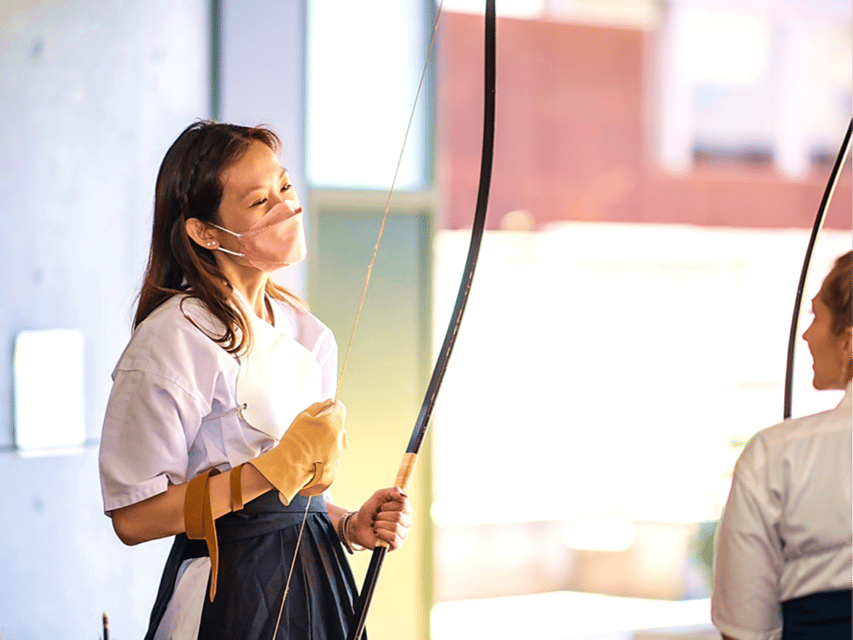
- A genuine competition range: You practice inside an official kyudo hall with a full-size range, rather than a shortened tourist setup.
- Traditional clothing included: A complete rental set includes the dōgi training uniform, bow, arrows, and other required equipment.
- Dozens of attempts: The session allows real practice time, so you can adjust your stance and shooting motion as you go.
- Instruction in English: A Japanese dan-ranked instructor explains the clothing, etiquette, equipment, and shooting process.
- A five-person maximum: The small group leaves room for individual corrections and repeated attempts.
- A demanding first lesson: Kyudo rewards calm movement and focus, not brute strength or a quick hit.
Why this Tokyo kyudo class feels different
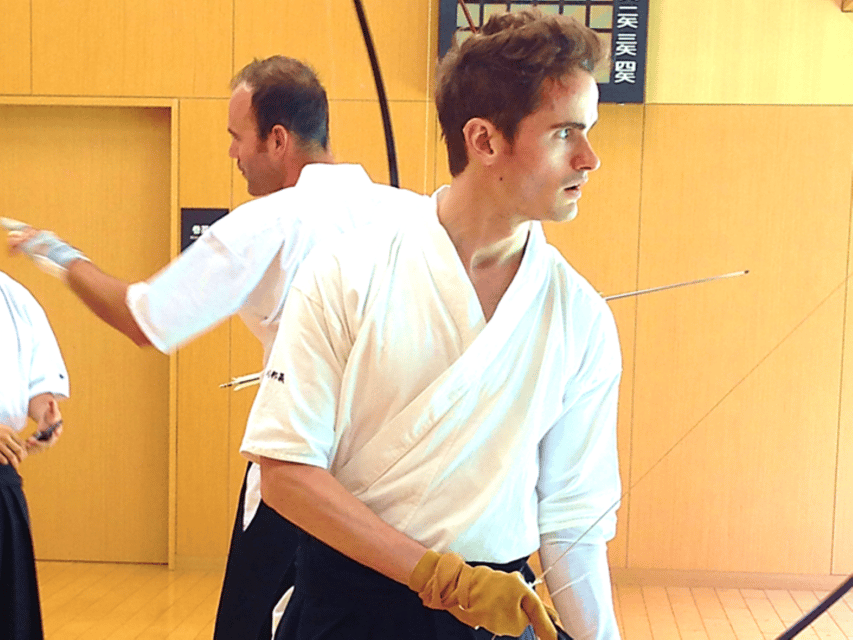
Many Japanese cultural activities give you a short demonstration, a photo opportunity, and one carefully managed attempt. This class takes a more serious route. You enter an official kyudo facility and use a real competition range, which changes the feel at once. The setting is built for the sport itself, not adapted for sightseeing.
Kyudo is Japanese archery, but the bow is only part of the lesson. The instructor works through a set sequence of movements, including posture, hand position, drawing, aiming, and release. The goal is not simply to fire an arrow at a target. You are learning to keep the body controlled while keeping the mind quiet.
That is why kyudo is sometimes described as dynamic Zen meditation. You may find the idea a little lofty before you begin, but the basic point is easy to understand once you hold the bow. You must pay attention to each stage. A hurried motion can throw off the entire shot.
The experience lasts 150 minutes, long enough to move beyond a single novelty attempt. You get repeated chances to practice, receive corrections, and try again. This matters because your first few arrows may tell you more about your stance than your aim. The activity becomes more interesting as you begin to notice small changes in your balance and release.
A few more Tokyo tours and experiences worth a look

Arriving at an official archery hall
The exact meeting point is not Tokyo Station. Different facilities are used on different days, and the final location is sent after booking, usually a few days before the session. Treat that message as essential. Do not plan your route from the general Tokyo destination alone.
This activity leaves on time. If you arrive late, you cannot join, and there is no refund for a missed start. I would allow extra time for finding the building and getting through the surrounding streets, especially if you are not familiar with the area. Since the meeting point can change, check the directions again before leaving your hotel.
The venue itself is one of the strongest reasons to book. You are not shooting into a small indoor target from a few steps away. The range is described as a real competition range, and regular local archers may sometimes be present. That gives you a better sense of kyudo as a living Japanese practice rather than a staged activity.
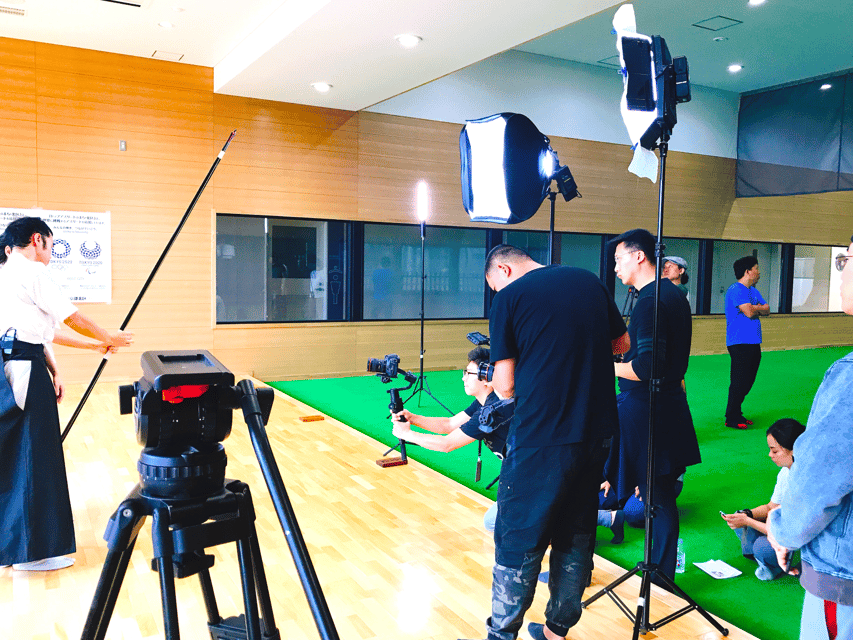
Photography and video are restricted inside the archery facility. Follow the instructor’s directions instead of assuming that you can record the lesson. This is a small trade-off, but it helps keep the hall focused and respectful.
Dressing in the dōgi and choosing your equipment
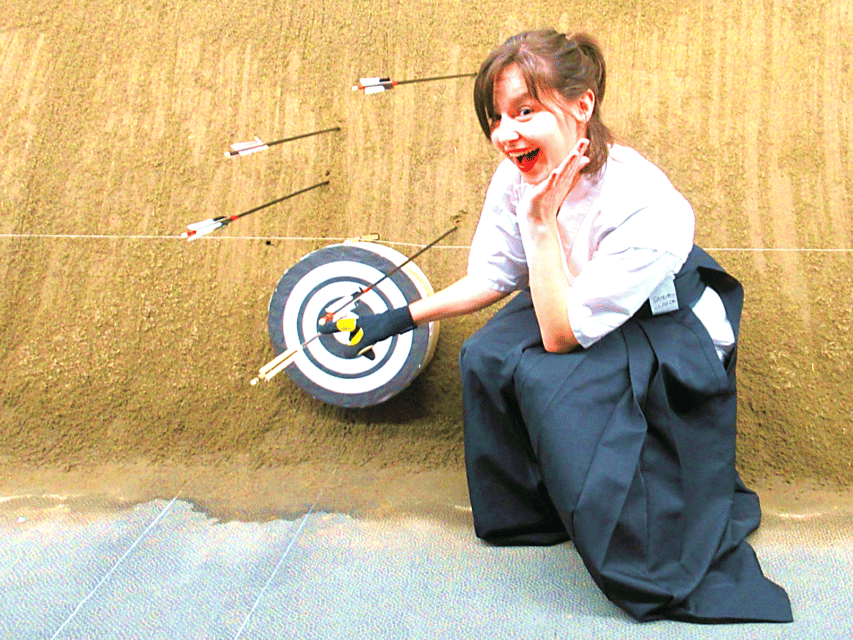
The session includes a complete rental set, so you do not need to bring a bow, arrows, or uniform. You are fitted with equipment suited to your body, then change into a genuine traditional kyudo uniform. The clothing is not just a costume. It is the standard training wear used for the activity.
Getting dressed is part of the lesson because kyudo places value on form and presentation. The uniform helps you shift into the right frame of mind, but it also lets you move through the shooting sequence without ordinary street clothes getting in the way.
There is one practical limitation. The dōgi is made for a typical Japanese body shape. People with larger arms or weight over 150 kilograms may find that the uniform does not fit. In that case, you may need to take part in regular clothing. You can still participate, but the visual and physical side of the session will be different.
The program is open to people aged 13 and older. It is not suitable for wheelchair users, and anyone with a cold or feeling unwell should not take part. A person under the influence of alcohol, or anyone who arrives intoxicated, will be refused with no refund.
Learning the shooting form step by step
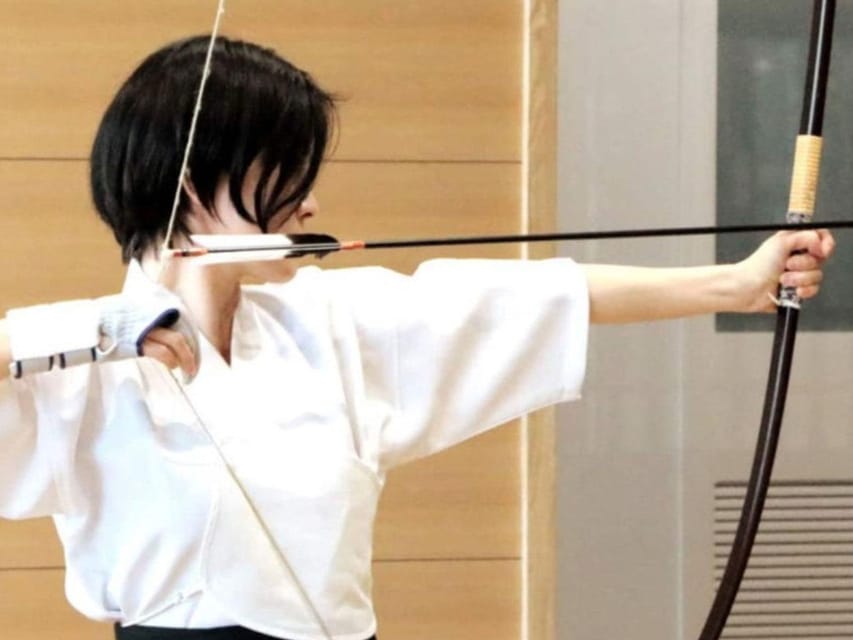
Your instructor explains the bow, arrows, clothing, and basic rules before you begin. The teacher is a Japanese dan-ranked kyudo master, and the instruction is in English. The session has been shaped for people who have never held a kyudo bow, so you are not expected to arrive knowing the formal movements.
The teaching is careful rather than rushed. You learn how to stand, how to place your feet, how to raise the bow, and how to draw it in a controlled way. The release is only one part of the process. If your posture changes as you draw, the arrow will not travel as intended.
The instructors also use individual feedback. One participant specifically praised Jun for staying attentive and giving personal help. Another person returned for a second class with the same instructor and noted his high energy and enthusiasm, even when some of the spoken explanation was difficult to catch. That is useful context: the English instruction is available, but kyudo also relies on demonstration, body language, and repeated practice.
You should expect some technical terms and formal movements to take time. This is not a loud, fast archery game. The pace allows you to watch, copy, adjust, and try again. The instructor’s encouragement helps, especially when an arrow lands far from the center.
Shooting dozens of arrows at a full-size target
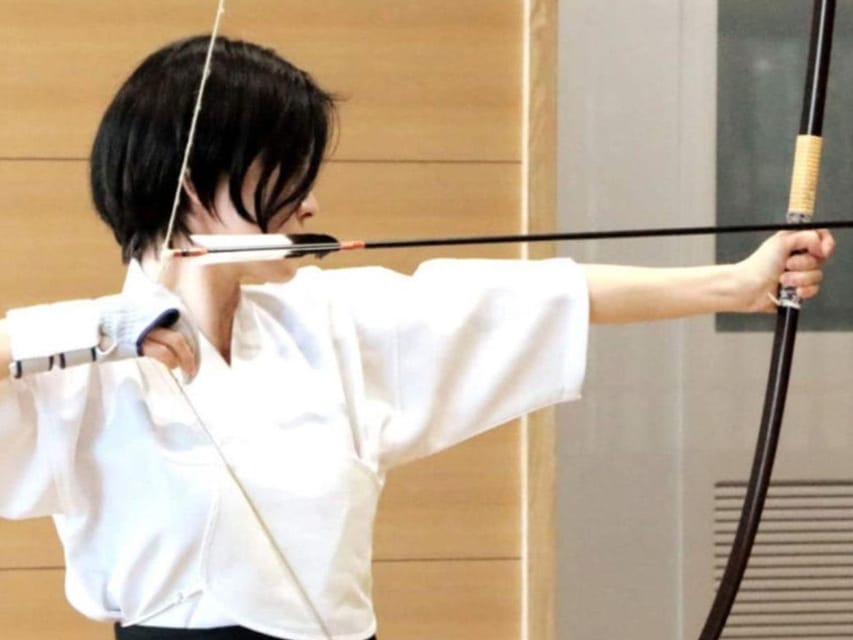
The biggest practical advantage is the number of attempts. You have enough time to shoot dozens of times, not just one or two arrows. That gives you a chance to make progress during the session, even if the target remains stubborn.
Do not set your expectations too high. Beginners may not hit the target on the first day. You may get lucky once or twice, but a single arrow in the center does not mean you have mastered the form. Kyudo asks for coordination, focus, and discipline, and those skills take practice.
At the same time, the class is designed so a beginner can enjoy the process. The instructor watches your movement and offers ways to improve it. You might be told to adjust your stance, change your hand position, or slow down one part of the draw. Then you get another chance to test that correction.
That repeat-and-adjust pattern is what makes the experience worthwhile. A short demonstration can show you what kyudo looks like. This class lets you feel why the movement is difficult. When an arrow flies cleanly, even if it misses the middle, you can begin to understand the satisfaction of a well-controlled shot.
Some participants find the range so engaging that they wish they had more time. That is a fair warning for anyone who wants a full course in kyudo. One session gives you a strong introduction, not proficiency. It may, however, inspire you to look for a kyudo club at home.






What the 150 minutes are really like
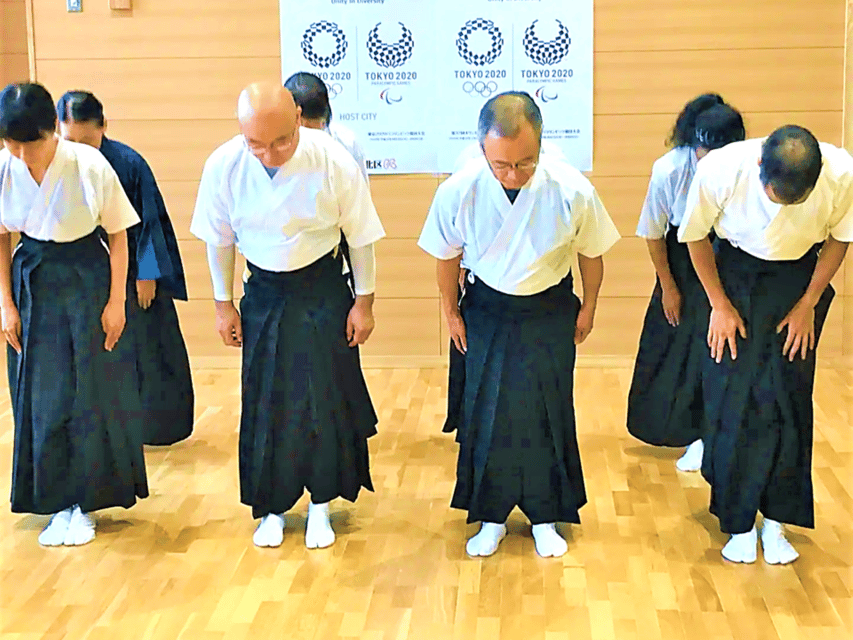
The class has several natural stages, even though the exact order may vary with the group and venue.
First comes the welcome, equipment fitting, and clothing change. You learn what you are holding and how to handle it safely. This opening also sets the tone for the hall, where attention and respect matter.
Next, the instructor demonstrates the basic shooting motion. Watch closely here. The sequence can look simple when an experienced archer performs it, but each movement has a purpose. Try not to rush ahead to the arrow release.
You then begin your own practice. The teacher corrects your form and explains how to make the movement smoother. With only five participants, there should be room for direct guidance instead of a generic talk delivered to a large crowd.
The final part gives you repeated attempts at the target. This is where the lesson becomes more personal. You are no longer just copying a demonstration. You are working out how your body responds to the bow and how small changes affect the arrow.
The class may include regular archers using the hall. That can add a useful sense of context, though it may also remind you that kyudo is a serious discipline with a long learning curve. You are there for an introduction, not to match people who have practiced for months or years.
Why the real range matters
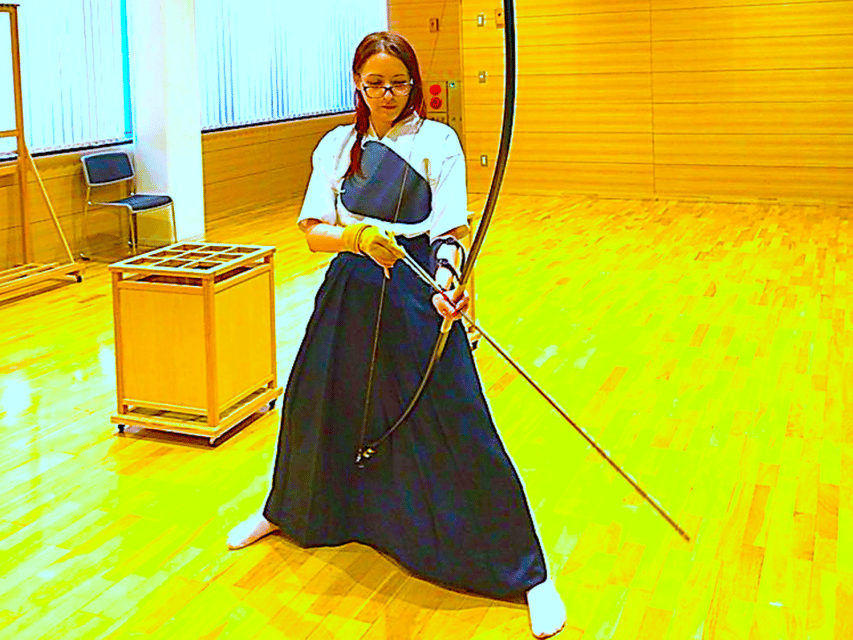
In a standard Japanese kyudo setting, beginners often practice for months before they are allowed to shoot at a target. This experience shortens that path by giving you supervised access to the target from the start.
That is a major benefit, but it comes with responsibility. You are using a proper facility, so you must listen carefully and follow the teacher’s instructions. The formal environment makes the activity feel more authentic, but it also means you cannot treat the bow like a casual toy.
The full competition range also gives you a better sense of distance and control. A short indoor target may make archery feel easy. A proper range shows how much the stance, draw, and release matter. You can see why experienced kyudo practitioners focus on the quality of the motion as much as the result.
The presence of local archers, when it occurs, may add to that feeling. You might see the quiet rhythm of regular practice and gain a clearer idea of what kyudo looks like beyond a one-day introduction.
The cost and what you receive
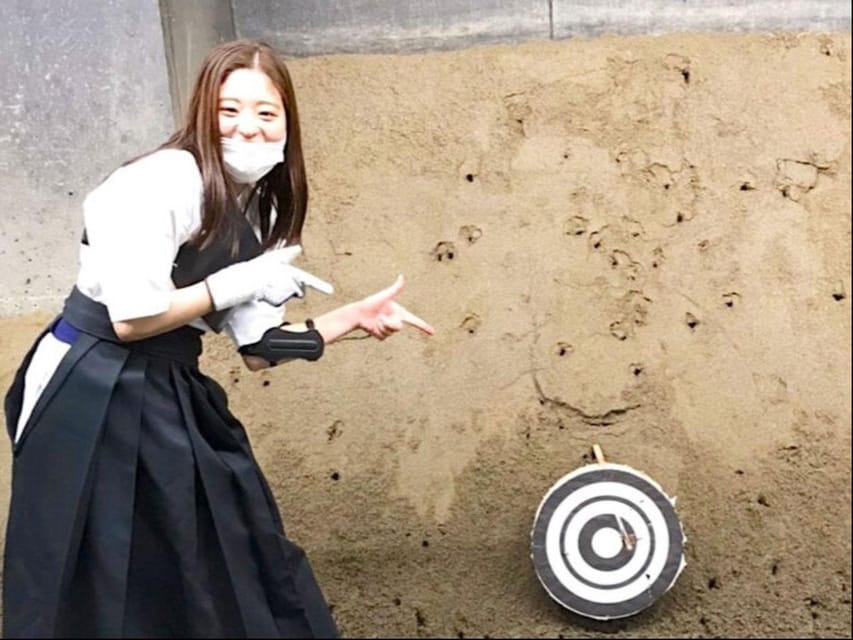
At $122 per person, this is not the cheapest cultural activity in Tokyo. I would not book it if you only want a quick photo in Japanese clothing or a simple tourist archery game.
The price makes more sense if you value the setting and the practice time. It covers the experience fee, facility use, and rental of the complete equipment set. You also receive English instruction from a dan-ranked master and spend 150 minutes in a real hall with a maximum of five participants.
A large part of the value comes from access. You are not paying only for an explanation of kyudo. You are paying to enter an official facility, wear the proper clothing, use matched equipment, and shoot repeatedly under supervision. For someone genuinely curious about Japanese archery, that is a stronger package than a brief introductory demonstration.
The class also avoids one common problem with hands-on activities: too much waiting. With a small group and dozens of attempts, your time is mainly spent learning and practicing. Still, the experience will feel expensive if you leave expecting dependable target hits. Think of it as a serious first lesson, not a guaranteed success.
Who should book this experience
I would recommend this class to adults and teenagers aged 13 or older who enjoy focused activities and want a cultural experience with real substance. It suits people who are curious about Japanese martial arts, traditional clothing, disciplined movement, or the quieter side of Japanese culture.
It is also a good fit if you have tried modern archery and want to understand how kyudo differs. The emphasis here is not speed, competition, or simply striking the bullseye. The form and mental control matter just as much.
You should be patient with yourself. If you need instant results, you may find the first attempts frustrating. If you enjoy working through a difficult skill, the repeated practice can be the best part of the class.
This is less suitable for anyone seeking a flexible drop-in activity. The departure is strictly on time, the meeting location changes, and late arrival means losing the session and the payment. It is also not suitable for wheelchair users, people with colds, or anyone who may not fit the supplied uniform.
Useful booking advice before you commit
Read the final meeting instructions closely when they arrive. The meeting point is not Tokyo Station, and the facility can vary by day. Build in spare time, then arrive early enough to find the hall without stress.
Wear something that makes changing easy. The traditional dōgi is supplied, but a uniform may not fit every body type. If you weigh more than 150 kilograms or have larger arms, contact the provider ahead of time so you understand the clothing limitation.
Do not plan on filming the whole class. Photography and video are restricted in the facility, and the instructor will tell you what is allowed.
If someone in your party wants to watch without taking part, that person still needs to pay an additional entry fee arranged in advance. An unpaid observer will not be admitted.
Cancellation is free up to seven days before the activity for a full refund. Closer to the start, the strict departure rule becomes especially important because late arrivals and people refused for intoxication or illness do not receive a refund.
Should you book Tokyo kyudo?
Book it if you want authentic practice over easy entertainment. The official hall, full competition range, traditional uniform, small group, and dozens of attempts give this experience a level of substance that a quick tourist demonstration cannot match.
Skip it if you mainly want a guaranteed bullseye, a casual activity with loose timing, or a photo session. Kyudo demands quiet focus, and the first class may leave you with more respect for the skill than mastery of it.
For the right person, $122 is a fair price for a serious introduction led in English by a dan-ranked Japanese instructor. Arrive early, listen carefully, and judge success by your form and focus as much as by where the arrow lands.
FAQ
Where does the Tokyo kyudo experience meet?
The meeting point is not Tokyo Station. Different facilities are used on different days, and the exact location is sent after booking a few days before the activity.
How long does the experience last?
The session lasts 150 minutes.
How many people can join?
The group is limited to five participants.
Is the instruction available in English?
Yes. The instructor teaches in English, and the program is led by a Japanese dan-ranked kyudo master. Instructor Jun has also led sessions.
Is equipment included?
Yes. The experience fee includes rental of a complete set of kyudo equipment and the traditional dōgi training uniform, subject to fit.
Can beginners shoot at the target?
Yes. The program lets beginners shoot at a target during the session, even though people who take up kyudo through an official hall in Japan may normally practice for months before doing so.
Is photography allowed inside the hall?
Photography and video recording are restricted in the archery facility. You must follow the guide’s instructions.
What happens if I arrive late?
Late arrivals cannot join the experience and do not receive a refund. The activity departs exactly on time.
What is the minimum age?
Participants must be at least 13 years old.
Can someone attend without shooting?
Anyone entering the venue without participating must pay an additional fee arranged at the time of the request. People who have not paid will not be admitted.
More Samurai & Ninja Experiences in Tokyo


More tours in Tokyo we've reviewed












Samurai & Ninja Experiences, compared.
 ★ 4.5Tokyo: Samurai Restaurant Show Ticket with 2 DrinksFrom $551h 30m
 ★ 4.6Tokyo: Samurai Ninja Museum Guided tour and ExperienceFrom $27
 ★ 5.0Skip the lines Basic Ticket at SAMURAI NINJA MUSEUM TOKYOFrom $28
 ★ 5.0Tokyo: Authentic Samurai Training at a DojoFrom $211
 ★ 5.0Best Samurai Experience in TokyoFrom $65
 ★ 4.6Tokyo: Legend Samurai Entertainment Night in Kanda ShrineFrom $44