Reviewed · JDM & CAR CULTURE
JDM Itasha trip to famous car meet up spot Daikoku Parking
Tokyo sightseeing usually means trains, crowded sidewalks, and a lot of looking up at maps. This tour changes the angle completely. You ride through Shinjuku, Shibuya, and the raised highways in a race-prepared or Itasha car, then cross Rainbow Bridge on the way to Daikoku Parking Area.
In This Article
- Key points to know before booking
- A different way to see Tokyo after dark
- Starting in neon-soaked Shinjuku
- Tokyo from the raised expressways
- Crossing Rainbow Bridge toward Odaiba
- Arriving at Daikoku Parking Area
- The car is part of the ticket
- What the guide adds to the night
- Timing, group size, and practical value
- Who should book this experience?
- Should you book the Daikoku night drive?
- FAQ
- How much does the JDM Itasha Daikoku tour cost?
- How long does the experience last?
- Where does the tour start?
- Where does the tour end?
- How many people can join the private tour?
- Which Tokyo sights are included on the drive?
- What type of car will I ride in?
- Is Daikoku Parking Area guaranteed to have rare cars?
- Is the tour suitable for people who are not car experts?
- What happens if the weather is poor?
I like the small group limit of three, which keeps the outing personal, and I like the mix of city views and real Japanese car culture. Guides such as Jeremy, Graham, Alistair, and Hawk are car fans who can explain what you are seeing instead of simply dropping you at the parking lot. The main drawback is that Daikoku is unpredictable: weather and the night’s turnout decide how many special cars you will find.
Key points to know before booking
- Arrive at Daikoku in a Toyota 86, GTR, or Itasha car: The vehicle is part of the attraction, not just transport.
- See Tokyo from the highway: You get nighttime views of the skyline, Tokyo Tower, Skytree, Rainbow Bridge, and Odaiba that trains cannot provide.
- Small private group: Only your party joins, with a maximum of three people.
- Daikoku is a live car meet, not a museum: The lineup changes from night to night, from tuned JDM cars to rare exotics.
- Plan for a late, weather-sensitive outing: Poor weather can lead to a new date or full refund, and the best atmosphere is after dark.
- Tall riders should think twice: A Toyota 86 may feel tight for very tall passengers, especially around 5 feet 10 inches and above.
A different way to see Tokyo after dark
The real appeal here is not simply getting from central Tokyo to Daikoku. It is the whole night drive. You leave the neon streets of Shinjuku, join Tokyo’s raised expressways, pass between towers, and cross Rainbow Bridge with the city shining around you.
That route gives you a moving view of Tokyo that is hard to get on foot. You may catch glimpses of Tokyo Tower, the Skytree, dense office towers, and the long nighttime skyline around the bay. The views are brief and constantly changing, so this is not a stop-and-study sightseeing tour. It feels more like a city ride with landmarks appearing through the windshield.
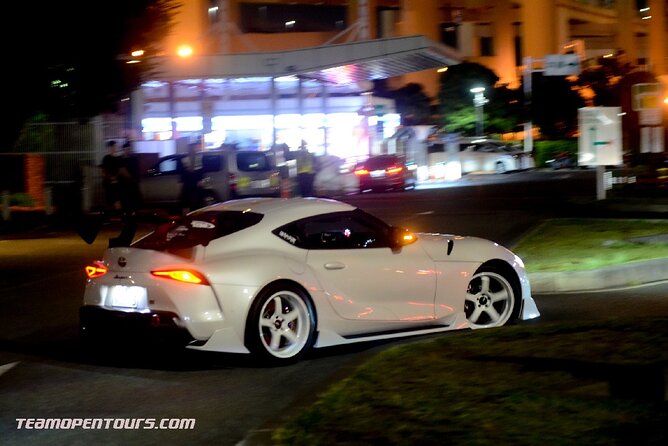
The cars add another layer. The experience is built around an iconic 86 racecar and Itasha style, but the exact vehicle can vary. Past outings have used a Toyota 86 and Nissan GTRs, among other striking cars. If a particular model matters to you, confirm the vehicle before booking rather than assuming the 86 is guaranteed.
This is a private activity for up to three people, a useful size for a couple, a parent with two children, or a small group of friends. You are not sharing the car with a busload of strangers. That also means the price of $191.60 is charged per group, not per person. For three people, that works out to roughly $64 each. For one person, it is a much bigger spend, but you are paying for a private driver, a special car, and a route that would be difficult to arrange on your own.
A few more Tokyo tours and experiences worth a look
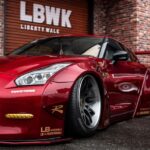
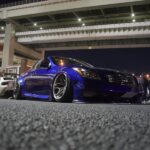
Starting in neon-soaked Shinjuku
The meeting point is listed at 5-8 Funamachi, Shinjuku City, Tokyo 160-0006. The tour begins in or near Shinjuku, described here as the real center of Tokyo, where giant screens and neon signs set the mood before you even reach the expressway.
Shinjuku is a fitting starting point. It gives you a close look at Tokyo’s famous night glow, then the ride quickly shifts from street-level crowds to the city’s high-speed road system. Your driver handles the navigation, which matters because Tokyo’s multilayered highways can be confusing even when you know the city well.
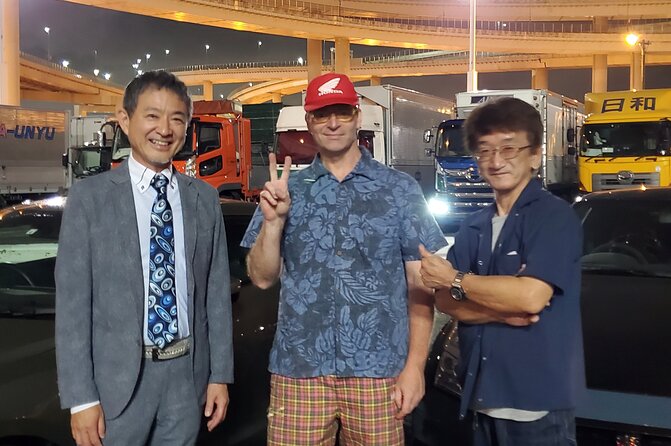
Guides including Jeremy and Graham have been praised for discussing more than cars. They can point out city details, talk about life in Japan, and explain the local driving scene during the trip. Alistair has also been noted for offering useful suggestions for the rest of a Tokyo visit. The quality of the evening depends in part on your guide, but the host names associated with the experience show that you are generally dealing with people who enjoy talking about both Tokyo and automobiles.
Bring a phone or camera, but do not expect every photo taken from the moving car to be sharp. The best images will likely come during slower sections, at the bridge, or after you reach Daikoku. The ride itself is for seeing the city in motion.
Tokyo from the raised expressways
The highway section is the part that makes this more than a simple car transfer. You zigzag between high-rises above the streets, with the road curving through the city and the skyline opening up in unexpected places.
From a train, you often see Tokyo through a fixed window at street level. From a bus, traffic and buildings can block much of the view. From this car, the perspective changes constantly. You may see the Tokyo Tower, Skytree, and towers behind the road as the driver moves through the network.
This is not advertised as a race or a chance for passengers to drive. A trained driver remains behind the wheel, and the tour stresses responsible driving. Some outings have had little traffic, making the highway ride especially enjoyable, but traffic conditions are never guaranteed. You should expect a spirited city drive, not a private track session.
That distinction matters. The excitement comes from the setting, the car, the road, and the atmosphere. The driver’s job is to get you safely to Daikoku while giving you a memorable view of Tokyo. The experience should suit people who want the feeling of a performance car without needing to handle an unfamiliar vehicle or Japanese roads.
Crossing Rainbow Bridge toward Odaiba
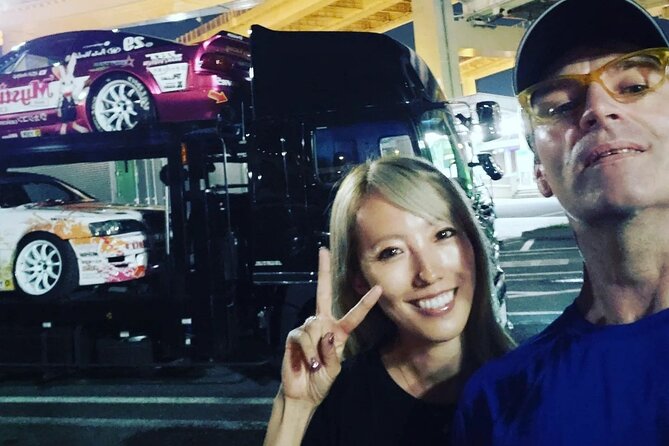
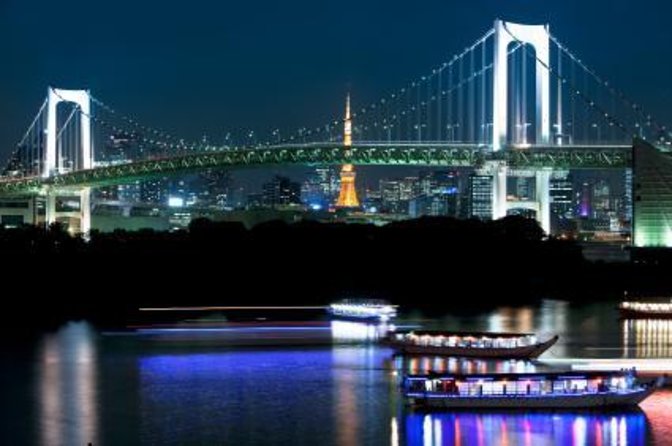
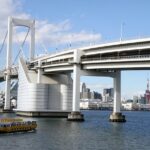
Rainbow Bridge is the visual high point of the route. The car crosses the bridge toward Odaiba, Tokyo’s futuristic waterfront district, with the city lights stretching into the distance.
The timing is important. The tour is designed for nighttime, and the bridge is especially striking as darkness settles in. Reflections on the water and the lights along the bridge create one of the best photo opportunities of the evening, although the car will not stop everywhere you might want it to. Have your phone ready before the crossing.
Odaiba also gives the drive a change of pace. The earlier part runs through dense central Tokyo, while the bay area feels more open and modern. You see the city’s infrastructure as part of the attraction: bridges, expressways, towers, and waterfront lights all blend into the ride.
I would not book this solely as an Odaiba sightseeing tour. The visit is a passage on the way to Daikoku, not a long stop with a full schedule of attractions. Still, the bridge crossing adds real value because it turns the transfer into a sightseeing route.
Arriving at Daikoku Parking Area
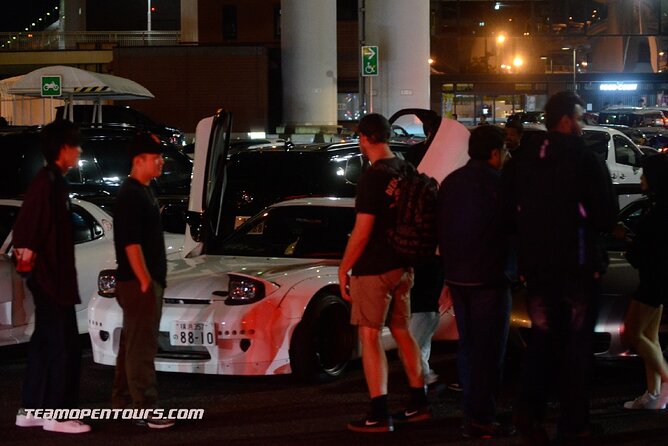
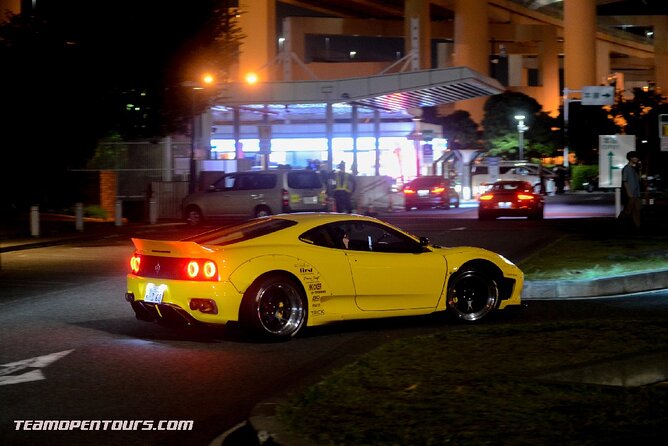
Daikoku Parking Area is the destination and the reason most car fans book. It is a well-known meeting place in the Japanese car scene, where the lineup can include tuned JDM cars, classic Japanese models, performance cars, and expensive international exotics.
You might see Nissan Skylines, RX-7s, Subarus, Silvias, GTRs, Ferraris, McLarens, or even a Koenigsegg. You might also arrive on a quiet night and find much less. That uncertainty is part of the deal. Daikoku is a working parking area and a live meeting spot, not a scheduled motor show with a fixed display.
One outing found more than 300 cars, while another Tuesday night had a smaller selection. Weather can make a major difference, too. The provider says the experience requires good weather and offers a different date or a full refund if poor weather causes cancellation. If the forecast looks doubtful, keep your schedule flexible.
Your driver may first take you around the parking area and point out what is there before you explore on foot. That short orientation can make a big difference. Instead of wandering past rows of unfamiliar cars, you get context about models, modifications, and the people who gather there.
The parking area has shops, vending machines, and toilets, which makes the stop easier than a remote roadside meeting point. Still, this is not a formal exhibition. Be polite around owners, ask before getting too close, and remember that the cars are personal vehicles. The atmosphere depends on the people present, so respect matters.
The car is part of the ticket
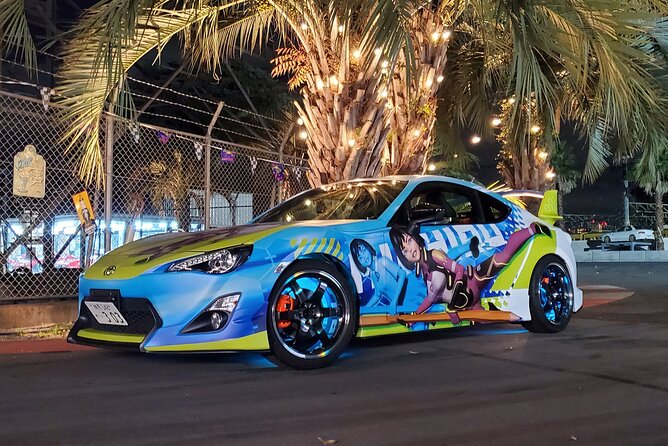
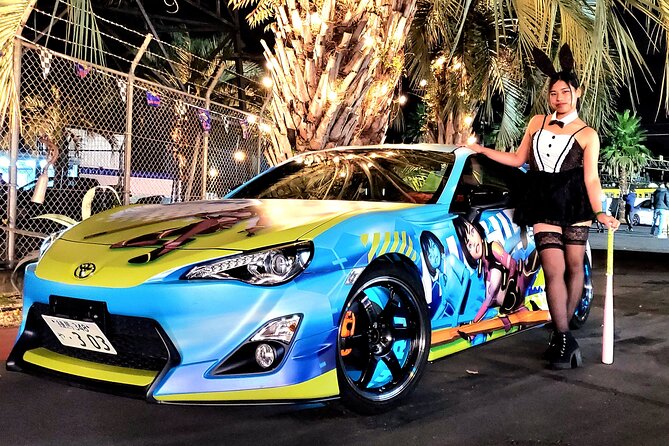
The vehicle you ride in shapes the evening. An Itasha car, with anime-inspired graphics and a bold appearance, makes the journey itself a talking point. A Toyota 86 gives you the compact sports-car feel promised in the tour description. A Nissan GTR brings a different kind of drama and has been used on some departures.
Past participants have sometimes been able to choose among available cars, but that should not be treated as a guaranteed feature for every booking. Ask in advance if you have your heart set on a particular model.
The car may also affect comfort. One passenger around 5 feet 10 inches and another around 6 feet 4 inches found the vehicle tight, although they knew that before booking. If you are tall or have limited mobility, contact the provider before paying. The tour says most people can participate, but the compact sports-car cabin is not the same as a roomy minivan.
For shorter passengers and car fans, the confined cabin is part of the fun. You are not sitting in a generic taxi. You are riding in a machine that has a place in the Japanese tuning scene, then arriving at Daikoku in a car that attracts attention.
What the guide adds to the night
A good guide turns a collection of cars into a story. Jeremy is associated with the experience and has been praised for explaining the cars, the tuning scene, and life in Tokyo. Graham has guided several outings, while Alistair and Hawk have also led drives. Driver assignments can change, so treat these names as examples rather than a promise.
The strongest part of the commentary is its local angle. You can ask why certain JDM models matter, what makes a modification useful or merely flashy, and how Japanese car culture fits into daily life. Even if your companion is not a serious car person, the guide can connect the cars to the city and the country.
That makes the trip broader than a teenage enthusiast’s outing. Several families have used it as a special activity for older children, and one couple found the ride enjoyable even though only one partner was passionate about cars. If you like nighttime city views, photography, unusual transport, or local subcultures, you can still get plenty from it.
The guide also handles the practical side. You do not need to work out the route to Yokohama, navigate the expressways, or figure out how to reach a parking area that is not a standard sightseeing stop. That convenience is a major part of the price.
Timing, group size, and practical value
The total outing lasts about two to three hours, with approximately 1 hour and 30 minutes listed for the Daikoku stop. One account put the drive from pickup to the parking area at roughly 35 to 40 minutes, though traffic and route conditions can change the timing.
The activity ends back at the meeting point. It is near public transportation, and mobile tickets make the booking simple. Confirmation arrives at booking, and the experience is private, with only your group taking part.
At $191.60 per group of up to three, the value improves sharply when you fill all three places. You get private transport, a specialized vehicle, a guide, nighttime city views, and access to Daikoku without arranging the route yourself. A solo visitor pays more for the same package, but may still find the cost fair if the car and meet are a main trip priority.
The 93 percent recommendation rate and 4.7 rating from 175 reviews point to a consistently strong experience, but the lower-scoring feedback identifies the real risk: luck. You cannot guarantee rare cars, a crowded meet, clear skies, or a particular model. Book this for the complete night, not for one exact car you hope to photograph.
Cancellation is free up to 24 hours before the start time. Inside that window, changes are not accepted and the amount paid is not refunded. Since bad weather can cancel the outing, check the forecast and keep your final night flexible.
Who should book this experience?
I would put this near the top of the list for a dedicated JDM fan, especially someone who wants to see Skylines, RX-7s, GTRs, Subarus, and tuned Japanese cars in a real gathering rather than behind glass.
It also works well for parents traveling with teenage children, couples with one car-obsessed partner, and visitors who have already covered Tokyo’s standard sights. The ride gives you a fresh view of places you may already recognize from maps, while the Daikoku stop adds a local scene that most ordinary city tours never touch.
I would be more cautious if you dislike late-night outings, want a fixed schedule, need lots of legroom, or expect a guaranteed supercar display. Daikoku can be excellent, but it cannot be programmed. A cold or quiet night may feel expensive if you only care about the number of cars.
Should you book the Daikoku night drive?
Book it if you want the full experience of the drive and the meet, not just a quick look at Daikoku. The Rainbow Bridge crossing, city highways, special car, and guide commentary make the journey worthwhile even before you arrive.
For three people, the group price is attractive. For one person, it is still a memorable option, but only if Japanese car culture is high on your list. Choose a clear-weather date, ask which car is scheduled, and remember that the lineup at Daikoku changes every night.
FAQ
How much does the JDM Itasha Daikoku tour cost?
The price is $191.60 per group of up to three people.
How long does the experience last?
The tour lasts approximately two to three hours. The Daikoku Parking Area portion is listed as about 1 hour and 30 minutes.
Where does the tour start?
The meeting point is 5-8 Funamachi, Shinjuku City, Tokyo 160-0006, Japan.
Where does the tour end?
The activity ends back at the meeting point.
How many people can join the private tour?
The tour is private and allows a maximum of three people in your group.
Which Tokyo sights are included on the drive?
The route passes through or near Shinjuku, Shibuya, the Tokyo high-rise district, Rainbow Bridge, and Odaiba. You may also see Tokyo Tower and the Skytree from the highway.
What type of car will I ride in?
The experience centers on an iconic 86 racecar and Itasha cars, but vehicles used for the tour can vary. Past outings have included Toyota 86s and Nissan GTRs.
Is Daikoku Parking Area guaranteed to have rare cars?
No. The cars present depend on the night, the weather, and the local turnout. You might see JDM cars, exotics, and rare performance models, but no specific lineup is guaranteed.
Is the tour suitable for people who are not car experts?
Yes. The guide discusses the cars, Tokyo, and life in Japan, so the outing can appeal to people who are interested in the city or the ride even if they are not serious car fans.
What happens if the weather is poor?
The experience requires good weather. If the provider cancels because of poor weather, you will be offered another date or a full refund. You can cancel at least 24 hours before the start time for a full refund, but cancellations inside 24 hours are not refunded.
More JDM & Car Culture in Tokyo
More tours in Tokyo we've reviewed












JDM & Car Culture, compared.
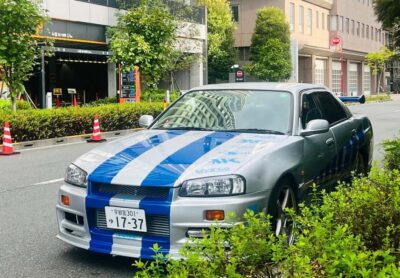 ★ 4.8Tokyo: Fast & Furious Tokyo Drift 3 Experience (Kaila Yu SP)From $157
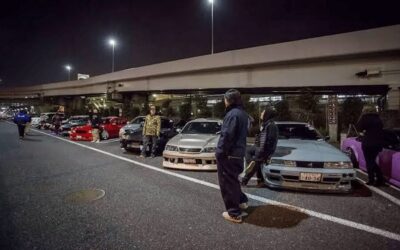 ★ 4.8Tokyo: FAST&FURIOUS EXPERIENCE Daikoku Tokyo Car ClubFrom $157
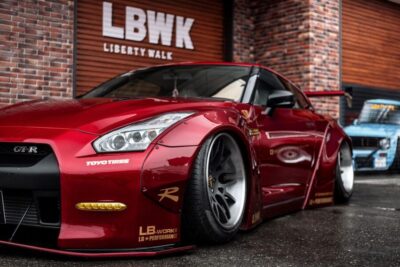 ★ 4.8Tokyo Drift: GT-R Car Club R35 Liberty Walk Daikoku meetingFrom $240
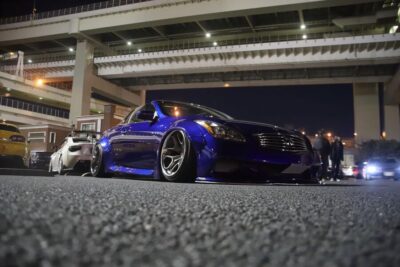 ★ 4.8Tokyo: Daikoku JDM Fast Furious Drift Style Car ExperienceFrom $123
 ★ 4.8Tokyo Drift: GO Daikoku Car Meet R34 Skyline Car ClubFrom $246
 ★ 4.7Tokyo Drift: Daikoku PA Supreme Car Experience 大黒PAFrom $583 hours