Reviewed · MT FUJI DAY TRIPS
From Tokyo MOUNT FUJI and Lake Kawaguchi-ku Full Day Tour
Mount Fuji days are shaped by the weather, but this private tour gives you several good ways to find the mountain. You may see the summit from the 5th Station, a lakeside, or the famous Chureito Pagoda, while an English-speaking guide explains the temples, gods, and traditions tied to Japan’s most famous peak.
In This Article
- Key Points
- A Private Fuji Day Begins at Your Tokyo Hotel
- Mount Fuji 5th Station at 2,300 Meters
- Chureito Pagoda and the Classic Fuji Photograph
- Oshino Hakkai’s Eight Clear Ponds
- A Japanese Lunch With Regional Flavor
- Lake Kawaguchi for Water, Cafés, and Fuji Views
- Oishi Park’s Flowers and Fuji-Focused Café
- Saiko Iyashi no Sato Nemba, the Healing Village
- What Guide Khan Adds to the Day
- Timing, Walking, and Who Will Enjoy It Most
- Is $397 Good Value for Your Group?
- Weather Is the Big Question
- Should You Book This Fuji Tour?
- FAQ
- What is included in the Mount Fuji private tour?
- How many people can join the private tour?
- Is lunch included?
- Are entrance tickets included?
- Which languages are available?
- Is Mount Fuji guaranteed to be visible?
- Is the tour suitable for wheelchair users?
- What should I bring?
I like the door-to-door pickup and the private van, especially for a group of up to six. I also like the range of stops, from crystal-clear ponds at Oshino Hakkai to the quiet old houses of Saiko Iyashi no Sato Nemba. The main drawback is simple: Fuji can disappear behind clouds, and entrance fees, lunch, and snacks cost extra.
Key Points
- Private van from your Tokyo hotel: Enjoy pickup and drop-off in any Tokyo ward, with parking fees included.
- Several Fuji viewpoints: See the mountain from the 5th Station, Lake Kawaguchi, Oishi Park, and Chureito Pagoda when conditions allow.
- Guide Khan, also known as Ali: Expect English explanations about Mount Fuji, nearby temples, local gods, and places to eat.
- Traditional Oshino Hakkai: Walk among eight ponds fed by snowmelt and sample local treats such as fried mochi.
- A flexible day around the Fuji Five Lakes: The private format allows more room to adjust the stops to your interests and the weather.
A Private Fuji Day Begins at Your Tokyo Hotel
This tour is designed for a full day away from Tokyo, with pickup and drop-off at any Tokyo ward location. You travel in a private van rather than joining a large coach group, so you avoid the usual trouble of finding a meeting point or managing several train connections.
That matters more than it may sound. The Mount Fuji area covers a wide stretch of lakes, villages, shrines, viewpoints, and mountain roads. A private vehicle lets you move between these places without carrying bags through stations or worrying about the next departure.
The tour costs $397 per group of up to six people. For six people, that works out to about $66 per person before meals and entrance tickets. For two people, the per-person cost is higher, but the price can still make sense if you value a private guide, hotel pickup, direct transport, and the ability to shape the day around your group.
Parking fees and one bottle of water per person are included. You pay separately for lunch, drinks, snacks, personal purchases, and entrance tickets, so keep some cash available.
A few more Fujiyoshida tours and experiences worth a look


Mount Fuji 5th Station at 2,300 Meters
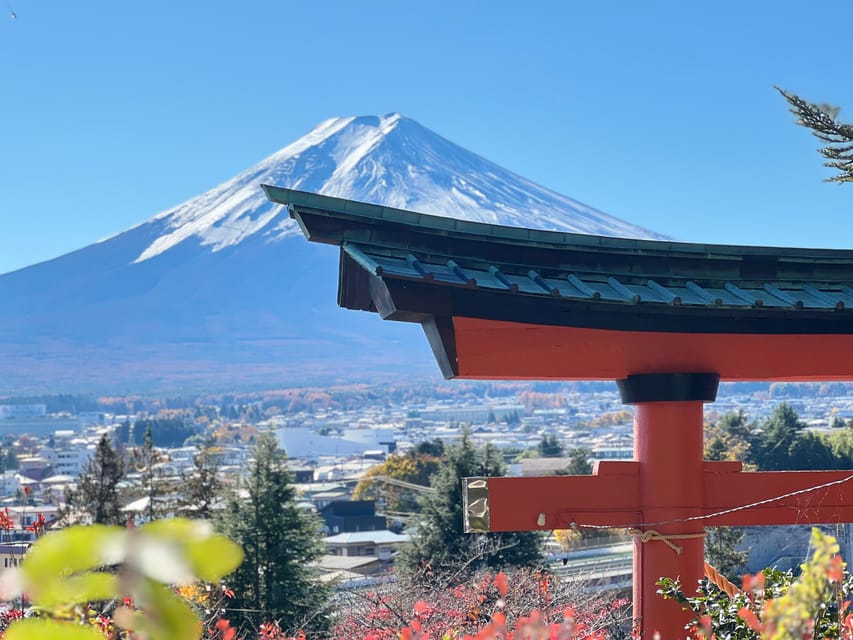
The 5th Station sits about halfway up Mount Fuji at roughly 2,300 meters. It is one of the closest accessible points to the summit and offers a chance to walk part of the Fuji trail, visit a shrine, and look out across the mountain area.
On a clear day, this can be the dramatic centerpiece of the trip. You are high on the mountain, close to the upper slopes, and may get a strong view toward the summit. The elevation also means noticeably cooler conditions, so bring warm clothing even if Tokyo feels mild.
The catch is weather. Clouds can cover the upper mountain, and the 5th Station may not deliver the view you hoped for. Your guide can still explain the site and help you make the most of the stop, but no tour can control Fuji’s cloud cover.
Plan on comfortable shoes here. The tour involves walking, and the uneven ground around viewpoints, shrines, and trail sections is not suited to anyone with serious mobility limits.
Chureito Pagoda and the Classic Fuji Photograph
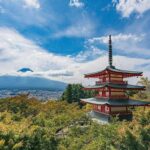
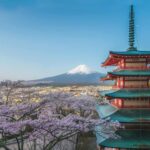
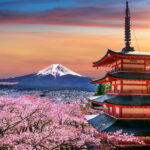
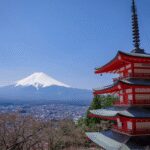
Chureito Pagoda, part of Arakurayama Sengen Shrine, is one of the best-known viewpoints in the Mount Fuji region. The five-story pagoda frames the mountain in the kind of scene many people picture when they think of Japan.
Reaching the viewpoint requires a short hike. That climb is manageable for many active visitors, but it is still a climb, so this is not a stop to treat as a quick van-side photo. Good shoes will make a real difference.
The view changes with the season. Cherry blossoms add color in spring, while autumn brings a different palette. On a cloudy day, the pagoda remains photogenic, but the Fuji portion of the picture may be hidden.
I like this stop because it combines more than a viewpoint. The shrine setting gives you a look at the spiritual side of the region, while the pagoda and mountain create a powerful visual link between Japanese architecture and nature.
Oshino Hakkai’s Eight Clear Ponds
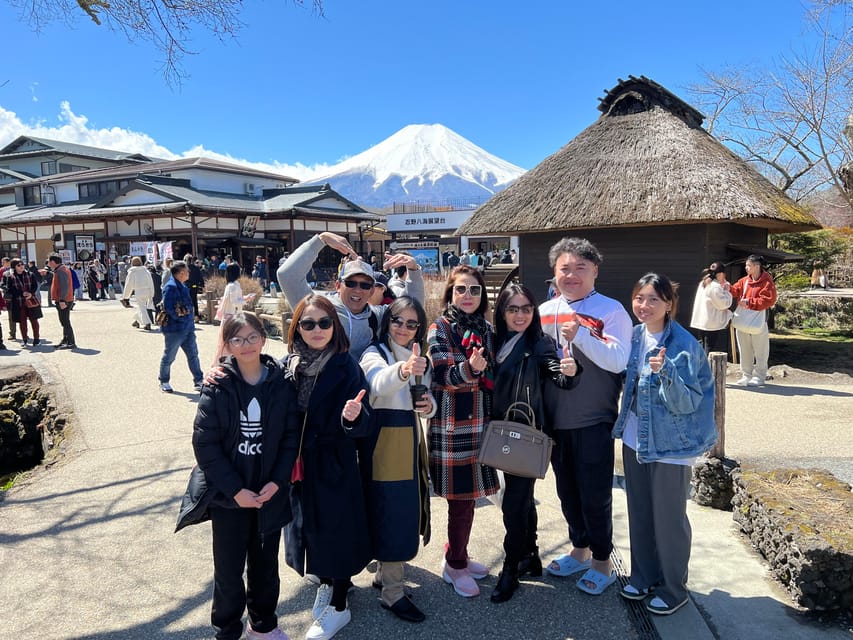
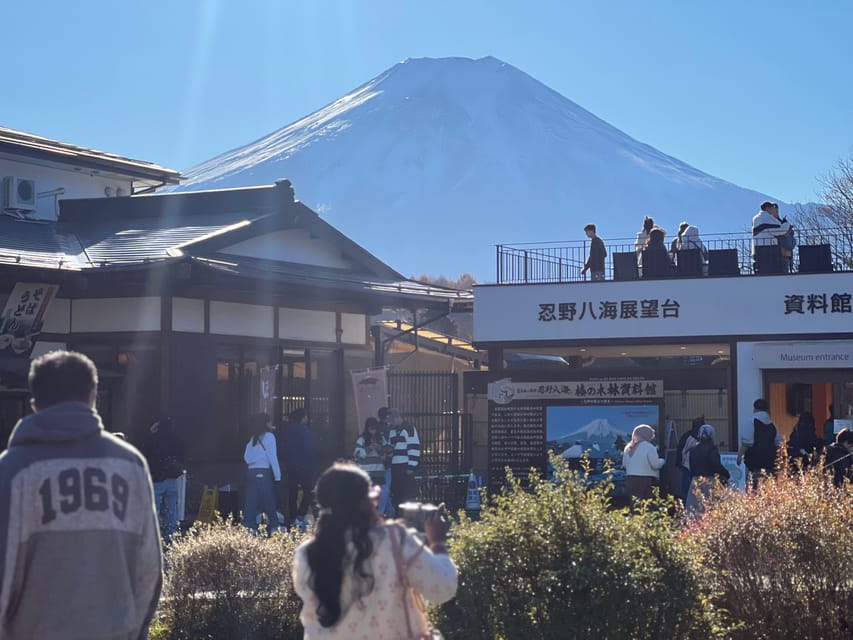
Oshino Hakkai is a traditional village area built around eight clear ponds fed by snowmelt from Mount Fuji. The site offers a slower, more grounded experience than the big viewpoints, with traditional houses, small food stalls, and water so clear that the ponds become part of the attraction.
The village is described as having a 250-year-old cultural structure and way of life. That does not mean every building is untouched from the past, but the setting gives you a useful look at traditional rural Japan and the importance of Fuji’s water.
This is a good place to try small local snacks. You might find yatsuhashi or fried mochi, and you can browse the food offerings while walking between the ponds. Lunch may also include regional dishes such as hōtō noodles, tempura, or local trout.
Lunch is not included, so ask Khan, also known as Ali, for help choosing a place. One of the useful details from the experience is his willingness to suggest good food, which can save you from choosing at random during a busy day.
A Japanese Lunch With Regional Flavor
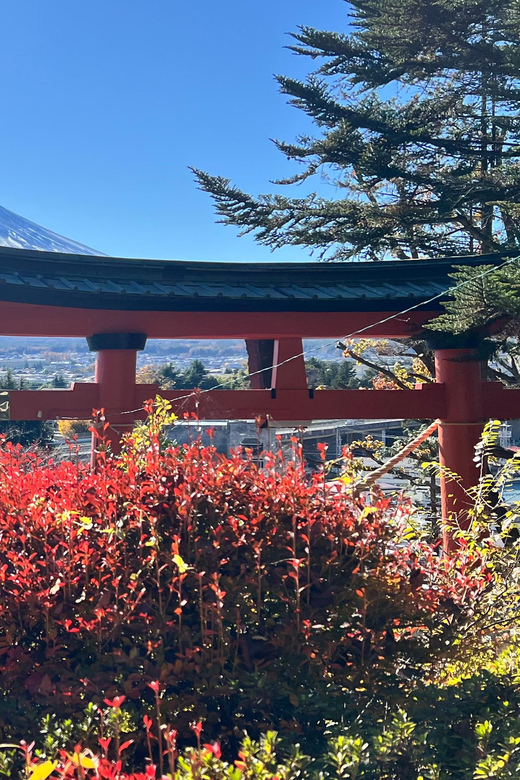
The meal stop is flexible rather than fixed in the supplied details. You may eat at a local restaurant serving Japanese dishes such as hōtō noodles, tempura, or trout, and there is also an option described as Turkish style.
Hōtō noodles are especially associated with the Mount Fuji area. They are thick noodles served in a hearty soup, often with vegetables, making them a sensible choice on a cool day at higher altitude.
Because meals, drinks, and snacks are not included, you have control over what you spend. You should budget for lunch and carry some cash for small food purchases at Oshino Hakkai or other stops.
The tour also mentions the possibility of arranging a scenic lunch spot with Mount Fuji views. Treat that as an option to discuss with the guide rather than a guaranteed restaurant feature.
A few more Fujiyoshida tours and experiences worth a look

Lake Kawaguchi for Water, Cafés, and Fuji Views
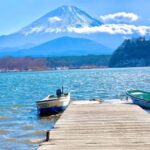
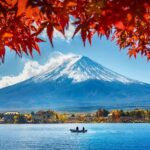
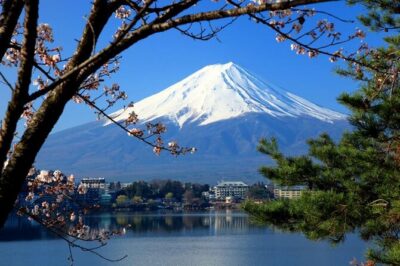
Lake Kawaguchi, or Kawaguchiko, is one of the Fuji Five Lakes and one of the most pleasant places to slow down. You can stroll beside the water, stop at a café with mountain views, or rent a swan boat if conditions and time allow.
The lake changes character through the year. Spring flower events, including the Fuji Shibazakura Festival, bring seasonal color, while other times of year offer a quieter lakeside atmosphere. The key attraction is the open view toward Mount Fuji, though clouds can again alter the scene.
I appreciate having a lake stop in the schedule because it gives you a break from climbing stairs and moving between viewpoints. After the shrine and village visits, a gentle walk beside the water can make the day feel less rushed.
The tour description allows roughly half an hour at each location. That is enough for a quick walk and photos, but not enough for a long boat ride, a full museum visit, and a leisurely meal at every stop. If Lake Kawaguchi matters most to you, tell the guide early so the day can be adjusted.
Oishi Park’s Flowers and Fuji-Focused Café
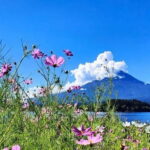
Oishi Park sits on the north side of Lake Kawaguchi and is known for views of Mount Fuji framed by seasonal flowers. Lavender is a major summer attraction, while other blooms add color at different times of year.
There is also a small local market and café, with Fuji-themed treats. This makes Oishi Park useful for a short refreshment stop as well as photography.
The park works best when the mountain is visible. If clouds block Fuji, you still have flowers, lake scenery, and the café, but the famous composition will be incomplete.
For photographers, this is one of the places where timing and weather matter most. Keep your camera ready, but do not plan the entire day around one picture. The private format is valuable here because your guide can help balance the stop with other viewpoints if conditions change.
Saiko Iyashi no Sato Nemba, the Healing Village
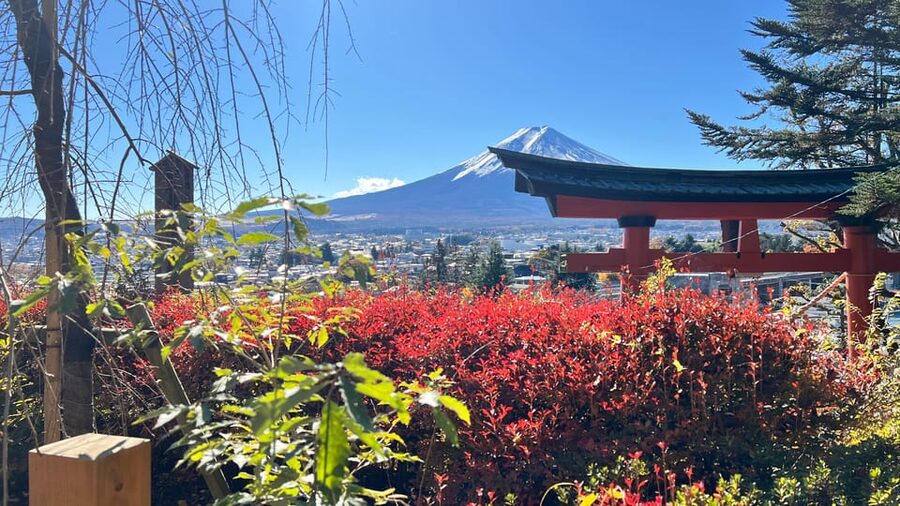
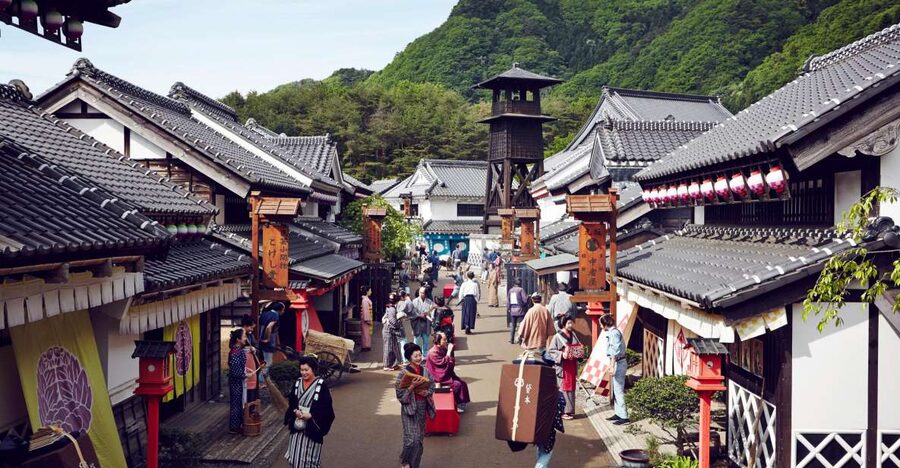
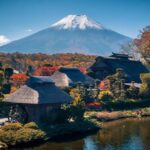
On the western shore of Lake Saiko, Saiko Iyashi no Sato Nemba is a restored traditional village and open-air museum. Its thatched-style buildings, rural setting, and views toward Fuji offer a different experience from the more familiar lakefront parks.
The site is often called the Healing Village because of its calm setting. You can walk through the old village structure, look at traditional architecture, explore cultural displays, and try local food in a quieter environment.
I like this stop for readers who want more than a quick mountain photograph. It gives you a sense of rural life and older Japanese building traditions, with Fuji acting as a backdrop rather than the only subject.
As with the other stops, entrance tickets are not included. Confirm the current admission cost with the guide or provider before the day begins, especially if you plan to visit several paid sites.
What Guide Khan Adds to the Day
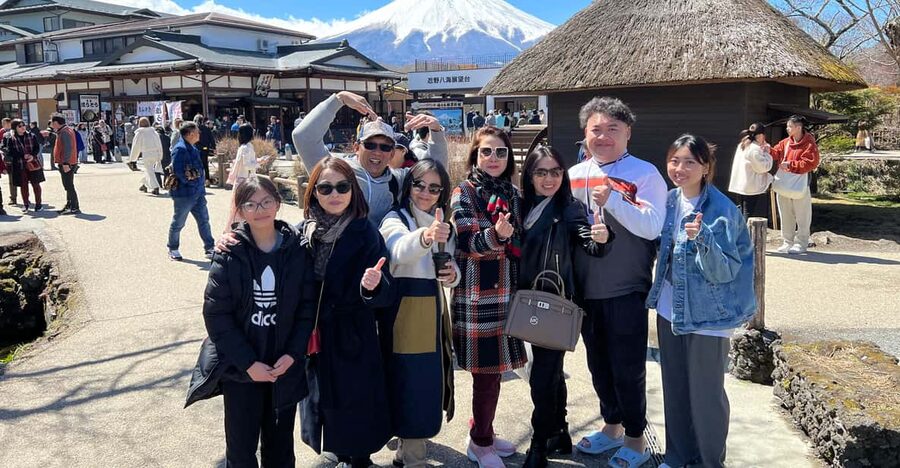
The English-speaking guide is an important part of this experience. The guide named in the feedback is Khan, also known as Ali. He is described as attentive, punctual, efficient, and helpful with explanations about Fuji, temples, and local gods.
That kind of context can change how you see the stops. A pagoda is not just a picture location, and a shrine is not simply another old building. Good explanations help you understand why Fuji has such a strong spiritual place in Japanese culture.
Communication before the day is another practical plus. Khan made contact after booking to organize the day, which suggests you can discuss the pickup and the places that interest you before setting off.
The guide cannot guarantee clear weather, but he can make the day worthwhile if Fuji is hidden. One visitor had poor conditions and still found the explanations, food suggestions, and care from Khan valuable. That is an important point for your decision: the tour depends on the mountain, but it is not only about the mountain.
Timing, Walking, and Who Will Enjoy It Most
The itinerary lists a full day with about half an hour at each stop. Since the route includes many possible locations, the actual balance may depend on traffic, weather, your lunch break, and which places you choose to prioritize.
You should expect a fairly active day. Walking is involved at the 5th Station, Chureito Pagoda, Oshino Hakkai, parks, shrines, and the traditional village. Comfortable shoes are essential, and warm layers are wise because the mountain area can feel much cooler than Tokyo.
This tour is best suited to:
- Couples or families who want private transport
- Small groups of up to six people
- First-time visitors who want help understanding Fuji-area sites
- People who prefer a flexible van tour to public transport
- Visitors interested in shrines, food, villages, flowers, and photography
It is not suitable for children under six, pregnant women, people with heart problems, wheelchair users, or people with significant mobility issues. Pets are not allowed, and alcohol or drugs are prohibited, including alcoholic drinks in the vehicle.
Is $397 Good Value for Your Group?
The price makes the most sense when you fill the van. Six people share the $397 group price, bringing the transport and guide cost to roughly $66 per person. That is a reasonable arrangement for a long day that includes pickup, drop-off, private transport, parking, and an English-speaking guide.
For a smaller group, the value depends on your priorities. If you are comfortable navigating trains and buses, a self-guided Fuji day may cost less. You would, however, give up the direct hotel pickup, private schedule, parking convenience, and local explanations.
Remember that the headline price is not the complete day’s spending. You still need to pay for lunch, drinks, snacks, personal purchases, and admission fees. Ask about the planned paid sites so you can prepare enough cash.
The strongest value comes from flexibility. If the weather shuts down one viewpoint, you have other places to visit. A private day gives you a better chance of adjusting the plan than a rigid group coach itinerary.
Weather Is the Big Question
Mount Fuji is famously changeable. You may have a clear summit in the morning and clouds later, or the reverse. The experience specifically warns you to check the forecast, but even a good forecast cannot promise a perfect view.
Bring a camera, but bring realistic expectations too. The ponds at Oshino Hakkai, Chureito Pagoda, Lake Kawaguchi, Oishi Park, and Saiko Iyashi no Sato Nemba all offer worthwhile sights even if the mountain disappears.
If seeing the summit is your single reason for booking, the weather risk should give you pause. If you want a broader day of villages, shrines, food, lakes, and mountain culture, the tour has more to offer when Fuji hides.
Cancellation is flexible up to 24 hours before departure for a full refund, and you can reserve now and pay later. Those terms help if your Tokyo schedule or weather plans are still shifting.
Should You Book This Fuji Tour?
Book it if you want a private, comfortable way to see several Fuji-area highlights without sorting out regional transport yourself. It is especially good value for a group of four to six, and the English explanations from Khan or Ali add useful context at shrines, villages, and scenic stops.
Think twice if you need wheelchair access, dislike walking, or want a slow, detailed visit to every location. The broad route offers variety, but half an hour at many stops can feel brief.
My practical advice is to decide on your top two priorities before pickup. Tell the guide if those are the 5th Station, Chureito Pagoda, Oshino Hakkai, Lake Kawaguchi, Oishi Park, or Saiko Iyashi no Sato Nemba. That conversation will help turn a long list of Fuji sights into a day that fits you.
FAQ
What is included in the Mount Fuji private tour?
The tour includes a private English-speaking guide, pickup and drop-off at any Tokyo ward location, transport in a comfortable private van, parking fees, and one bottle of water per person.
How many people can join the private tour?
The price of $397 covers a private group of up to six people.
Is lunch included?
No. Lunch, drinks, snacks, and personal expenses are not included. Possible meal choices include hōtō noodles, tempura, local trout, and other local dishes.
Are entrance tickets included?
No. Entrance tickets are paid separately.
Which languages are available?
The tour is offered in English.
Is Mount Fuji guaranteed to be visible?
No. Visibility depends on the weather. The tour includes several Fuji viewpoints, but clouds can block the summit.
Is the tour suitable for wheelchair users?
No. The tour is not suitable for wheelchair users or people with significant mobility issues. Walking is required at several stops.
What should I bring?
Bring comfortable shoes, warm clothing, a camera, and some cash for personal expenses, meals, snacks, and tickets.
More Full-Day in Fujiyoshida
More Mt Fuji Day Trips in Fujiyoshida


More tours in Fujiyoshida we've reviewed

Mt Fuji Day Trips, compared.
 ★ 5.0Mt Fuji and Hakone 1-Day Bus Tour Return by Bullet TrainFrom $163
 ★ 4.0Mt Fuji & Hakone Cruise, Drum Show Bullet Train 1 Day from TokyoFrom $149
 ★ 4.4Tokyo Mt Fuji 5th St & Hakone Cruise Bus Tour w/Bullet TrainFrom $15410 hours
 ★ 4.5From Tokyo: Mount Fuji Full-Day Sightseeing TripFrom $6810 hours
 ★ 4.7Tokyo: Mt. Fuji Tour, Hakone Ropeway, Owakudani, Lake AshiFrom $5410 hours
 ★ 4.4Tokyo:Mt.Fuji,Kawaguchiko Oishi Park,Arakurayama Sengen ParkFrom $5410 hours