Reviewed · MT FUJI DAY TRIPS
Tokyo: Mt. Fuji Summer Trip 5th Station & Lake Kawaguchi
Mount Fuji is the star here, but the best part is seeing it from several angles in one day. You may view Fuji from Fifth Station at 2,300 meters, beside Lake Kawaguchi, and at the famous pagoda and street photo spots when the seasonal plan changes.
In This Article
- Key points to know before booking
- What this $63 Fuji day trip actually offers
- Meeting at Tokyo Station before 8 a.m.
- Fifth Station: Fuji at 2,300 meters
- Oshino Hakkai and its eight clear springs
- The Lawson Kawaguchiko photo stop
- Oishi Park beside Lake Kawaguchi
- Hikawa Clock Shop and the classic street view
- Seasonal changes: Sengen Park, hot springs, and outlets
- The guide makes a real difference
- How much time will you spend on the bus?
- What to bring and how to prepare
- Who should book this Fuji trip?
- Should you book it?
- FAQ
- Where does the tour depart from?
- Is Mount Fuji’s Fifth Station the summit?
- What happens if Fifth Station is closed?
- Is lunch included?
- Can I use the hot spring if I have a tattoo?
- How late can the tour return to Tokyo?
I like the mix of nature and easy logistics. Oshino Hakkai gives you clear spring water and old village charm, while Oishi Park brings flowers, lake views, and a quieter break. I also like that guides such as Christy and Adam have helped visitors stay on schedule and find the meeting point.
The catch is simple: Fuji weather rules the day. Clouds can hide the mountain, and heavy summer traffic may push the return to 8 p.m. This is also a basic logistics-guided tour, not a full commentary-led sightseeing experience at every stop.
Key points to know before booking

- Fifth Station reaches about 2,300 meters, but it is not the summit of Mount Fuji.
- Oshino Hakkai includes eight clear springs, with 70 minutes available for sightseeing and lunch.
- Oishi Park changes with the season, with lavender from June to July and flowers later in the year.
- The Lawson Kawaguchiko stop is made for photos, but no refund is offered if poor weather hides Fuji.
- Summer weekend traffic can add one to two hours, so do not book an evening activity afterward.
- The tour costs $63 per person, a fair price for transport, fuel, tolls, and several Fuji-area stops.
What this $63 Fuji day trip actually offers

At $63, this is a transport-first day tour from Tokyo. You are paying for round-trip travel, the driver, a guide, fuel, and toll fees. Food, drinks, admission fees, and personal spending are extra.
That price is reasonable if you want to reach the Fuji Five Lakes area without arranging trains, buses, road transfers, and separate stops yourself. A private taxi or self-drive trip would offer more control, but it would usually cost much more and require you to handle the roads and parking.
The tradeoff is the guiding style. Commentary is provided in English and Chinese, with Japanese also available, but the service is mainly basic guidance at key places. You should not expect a detailed historical talk at every stop or a guide walking beside you throughout the day.
The advertised rating is 3.8 from 28 ratings, which suggests a mixed but generally workable experience. The strongest praise centers on friendly guides, beautiful Fuji views, good timekeeping, and a flexible balance between sightseeing, shopping, and hot spring time. The main criticism is that traffic and bus time can make the day feel less active than expected.
A few more Fujiyoshida tours and experiences worth a look


Meeting at Tokyo Station before 8 a.m.
The departure point is JR Tokyo Station at the Marunouchi North Exit. The planned departure is 8 a.m., and you should arrive 15 minutes early. The vehicle leaves strictly on time, so this is not the place for a last-minute coffee run.
You receive a photo of the meeting point by email the day before. The guide also contacts you through WhatsApp or LINE the night before, so install those apps and check your messages.
This early start matters. The Fuji area is popular, and even a small delay in Tokyo can affect the later stops. Bring comfortable shoes, cash, and a towel. Food and drinks are not allowed inside the vehicle, so follow the tour rules rather than planning to eat on the road.
Fifth Station: Fuji at 2,300 meters

The first major stop is Mount Fuji’s Fifth Station, scheduled for 50 minutes around 10:30 a.m. At about 2,300 meters, it is a mid-mountain rest area and a common starting point for climbers. You are not reaching the summit here.
The appeal is the change in scale. From the Fifth Station, you can look across the sea of clouds and toward the Fuji Five Lakes. The small Koyama Otake Shrine and its viewing deck provide a useful place to pause and see Lake Yamanakako.
Fifty minutes is enough for photos, a short look around, and a visit to the shrine area. It is not enough for a serious walk, and the high altitude may feel cool even in summer. Wear shoes that are easy to walk in and carry a light layer.
The biggest uncertainty is access. If the road to Fifth Station closes because of weather or road conditions, the stop changes to Lake Yamanakako. That is a sensible safety decision, but it means the exact experience depends on the day.
You should also keep your expectations in check. A clear view of Fuji is never guaranteed. The mountain can disappear behind cloud even when the rest of the day is bright.
Oshino Hakkai and its eight clear springs

Around noon, you spend 70 minutes at Oshino Hakkai. This is the most distinctive cultural and natural stop on the standard route.
Oshino Hakkai was formed by snowmelt from Mount Fuji filtering through underground layers before emerging as eight clear springs. The ponds are the focus, but the traditional village setting gives the stop more character than a simple viewpoint.
This is also the scheduled lunch period. Food is not included, and the time is shared between eating and looking around. You may want to carry cash, since the tour specifically advises you to bring it.
I like this stop because it gives you something to do even if clouds hide Fuji. The springs, old-style buildings, and local atmosphere remain worthwhile without a perfect mountain photograph.
Seventy minutes is a useful amount of time, but it passes quickly if you want lunch and photos. Keep an eye on the departure time. A missed return to the vehicle can affect the rest of the group and the later schedule.
The Lawson Kawaguchiko photo stop

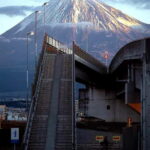
At about 1:30 p.m., the vehicle stops at Lawson Kawaguchiko for 20 minutes. This blue-and-white convenience store has become a familiar Fuji photo location because Mount Fuji rises behind the street scene.
It is a striking contrast: an everyday Japanese shop in the foreground, with one of the world’s most recognizable mountains behind it. The stop is short and focused almost entirely on photography.
The important warning is in the fine print: if poor weather prevents a good picture, there is no refund. Treat this as a quick photo chance, not a guaranteed attraction.
You also need to follow local safety instructions around the road and shop. Twenty minutes is enough for a few photographs, but not for a long stop or a relaxed snack break.

Oishi Park beside Lake Kawaguchi

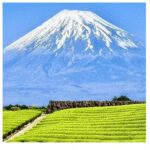
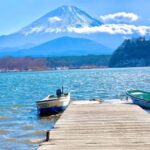
The 2:10 p.m. stop at Oishi Park lasts 50 minutes. Set beside Lake Kawaguchi, the park looks toward Mount Fuji and is known for seasonal flowers.
The timing of your visit affects what you see:
- Lavender is at its best from June through July.
- Begonias and cosmos are expected from July through September.
- Kochia appears in October.
The park is a good place to slow down after the busier morning. You can stroll, take pictures, and enjoy the lake and mountain together. If the flowers are not at their best, the park still gives you an open view toward Fuji, but the quality of the display depends on weather and season.
Fifty minutes gives you enough time for a walk and photographs without turning the visit into a long garden tour. If you want to buy food or drinks, remember that they are not included in the tour price.
Hikawa Clock Shop and the classic street view
The final scheduled sightseeing stop is Hikawa Clock Shop, listed at 3:10 p.m. for 20 minutes. The location is a traditional-looking street with low wooden eaves and Mount Fuji visible at the far end.
This is less about entering a shop and more about framing a photograph. The appeal comes from the meeting of Japanese street design and the mountain beyond it. Morning mist or late-day light can make the scene especially attractive, but the weather remains beyond the tour company’s control.
Twenty minutes is enough for the famous street image. It is not a long neighborhood visit, so do not expect time to wander far or study the area in detail.
The stop also rounds out the day nicely. Fifth Station gives you a high mountain view, Oshino gives you springs and village scenery, Oishi Park gives you the lake and flowers, and Hikawa offers a town view with Fuji in the distance.
Seasonal changes: Sengen Park, hot springs, and outlets

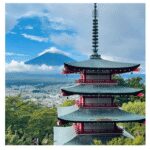
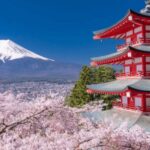
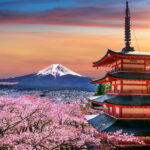
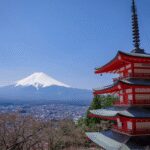
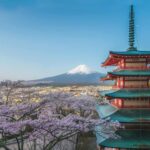
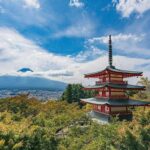
The experience can change by season. The overview includes Arakurayama Sengen Park, where the five-story Chureito Pagoda is one of the most recognizable Fuji photo spots. Some reported experiences included time at the shrine and pagoda, with enough time to reach the viewpoint.
That visit usually involves stairs, so comfortable shoes matter. The reward is a classic composition of pagoda, trees, and Mount Fuji. If your confirmation shows Sengen Park instead of another stop, allow for a more active visit than the short Lawson or clock shop photo stops.
The tour may also offer Konohana No Yu hot spring time or a visit to Gotemba Outlets. These options suit different interests. An onsen gives you a quiet outdoor soak with the possibility of seeing Fuji through the clouds. The outlet option is better for shopping and a more familiar indoor break.
Japanese hot springs are generally used without swimwear, and tattoos are usually not permitted. You may cover tattoos with bandages or pay extra for a private bath. Pregnant women should not book this experience.
Because the schedule is seasonal, check the final email carefully. Departure times, transport, duration, and stop order may change because of weather, road conditions, or seasonal planning.
The guide makes a real difference

This is not a full walking tour, so the guide’s practical help matters. Christy is specifically praised for keeping the group on schedule, sharing useful facts, and making people feel included without pressure. She also helped create a comfortable day for families with different interests, including shopping for some people and onsen time for others.
Adam has been described as caring, dynamic, and helpful when someone could not find the meeting point. Ana is also noted as a helpful guide. Names and assignments can change, but these details show what to value: clear meeting instructions, good time control, and help when the group is spread across several stops.
A particularly useful feature is the flexible feel at some stops. You are not tied to a guide’s lecture for every minute. That works well if you mainly want photographs and free time. It works less well if you want deep explanations of Fuji’s geology, Japanese religious traditions, or local history.
How much time will you spend on the bus?
The planned day runs from 8 a.m. until about 5:30 p.m., though traffic can change that sharply. You travel from Tokyo to the Fuji area, then move between several locations before returning to the original meeting point.
A one-star experience complained of spending much of the day on the bus, eating, or at a shopping center. That criticism is important. This is a wide-area day trip, and the distance from Tokyo means road time is unavoidable.
At the same time, the schedule includes several stops rather than one viewpoint and a quick return. You get 50 minutes at Fifth Station, 70 minutes at Oshino Hakkai, 20 minutes at Lawson, 50 minutes at Oishi Park, and 20 minutes at Hikawa Clock Shop on the standard plan.
Traffic is the main risk. During July and August foliage periods, and again during October and November autumn color periods, the return may run as late as 8 p.m. Historical figures supplied for the tour indicate that 68 percent of summer weekend departures experience a one to two hour delay.
I would not book a theater ticket, restaurant reservation, airport transfer, or other time-sensitive evening plan after this trip. With light traffic, you may return 30 to 60 minutes earlier, but that is a bonus, not a promise.
What to bring and how to prepare
Comfortable shoes are the first priority. You may walk around springs, parks, shrine grounds, and street viewpoints, and a Sengen Park version can include stairs.
Bring cash for food, drinks, and personal purchases. Neither meals nor attraction tickets are included. A towel is useful if the seasonal plan includes an onsen.
Check your email the day before and keep WhatsApp or LINE active. The guide uses those channels to confirm details and help with communication.
Finally, plan for changing weather. Fuji can be hidden, flower quality can vary, and Fifth Station access can change. The tour still has value on a cloudy day because Oshino Hakkai, the village scenes, and the lake area do not depend entirely on a clear summit view.
Who should book this Fuji trip?
I would recommend it to you if you want a simple way to see several Fuji-area sights without managing regional transport yourself. It suits first-time visitors to Japan, families, couples, and solo visitors who prefer a structured day with free time at each stop.
It is especially useful if you want photographs. The route offers high mountain views, lake views, flowers, a convenience-store composition, a traditional street, and possibly the Chureito Pagoda.
Families may like the mix of activities. Some people can focus on photos, some can eat at Oshino Hakkai, some can shop, and a seasonal onsen option may appeal to others. The friendly approach associated with guides such as Christy is also useful for people who prefer gentle help rather than constant attention.
I would hesitate if you dislike long road journeys, need a guaranteed clear view of Fuji, or want a detailed guided study of every stop. I would also avoid it on a day when you have evening plans that cannot move.
Should you book it?
Book this tour if your priority is convenience and variety at a low price. For $63, the transport and access to several well-known Fuji locations offer good value, especially when you consider the distance from Tokyo and the toll roads.
Go in with realistic expectations. You are buying a busy day of scenic stops, not a private Fuji expedition. Weather may hide the mountain, traffic may lengthen the ride, and the guide provides practical support more than nonstop interpretation.
Choose it for the chance to see Fuji from many angles, and keep your evening free. That is the best way to enjoy the day without letting the clock spoil it.
FAQ
Where does the tour depart from?
The tour departs from JR Tokyo Station at the Marunouchi North Exit. You should arrive 15 minutes before the scheduled 8 a.m. departure.
Is Mount Fuji’s Fifth Station the summit?
No. Fifth Station is a rest area about 2,300 meters up Mount Fuji and is not the summit. It offers views of the sea of clouds, Fuji Five Lakes, and Lake Yamanakako.
What happens if Fifth Station is closed?
If road conditions or another problem prevents access, the visit changes to Lake Yamanakako.
Is lunch included?
No. Lunch takes place during the Oshino Hakkai stop, but food and drinks are not included in the tour price.
Can I use the hot spring if I have a tattoo?
Tattoos are generally not permitted in Japanese hot springs. You may cover them with bandages or choose a private bath for an additional fee. Hot springs are normally used without swimwear.
How late can the tour return to Tokyo?
The planned return is around 5:30 p.m., but traffic can cause delays. During busy summer and autumn periods, the tour may return as late as 8 p.m.
More Mt Fuji Day Trips in Fujiyoshida
More tours in Fujiyoshida we've reviewed


Mt Fuji Day Trips, compared.
 ★ 5.0Mt Fuji and Hakone 1-Day Bus Tour Return by Bullet TrainFrom $163
 ★ 4.0Mt Fuji & Hakone Cruise, Drum Show Bullet Train 1 Day from TokyoFrom $149
 ★ 4.4Tokyo Mt Fuji 5th St & Hakone Cruise Bus Tour w/Bullet TrainFrom $15410 hours
 ★ 4.5From Tokyo: Mount Fuji Full-Day Sightseeing TripFrom $6810 hours
 ★ 4.7Tokyo: Mt. Fuji Tour, Hakone Ropeway, Owakudani, Lake AshiFrom $5410 hours
 ★ 4.4Tokyo:Mt.Fuji,Kawaguchiko Oishi Park,Arakurayama Sengen ParkFrom $5410 hours