Reviewed · ASAKUSA TOURS
Tokyo: Asakusa Walking Tour -Sumida River to Senso-ji Temple
Tokyo reveals itself from two useful angles on this compact tour: from the Sumida River, where Tokyo Skytree and Kaminarimon Gate come into view, and on foot at Senso-ji, where a guide explains temple customs and Japanese religious practice. The route covers a lot without asking you to manage the details.
In This Article
- Key Points to Know Before You Book
- Why This Short Tokyo Tour Works
- Starting Near Kuramae Police Box
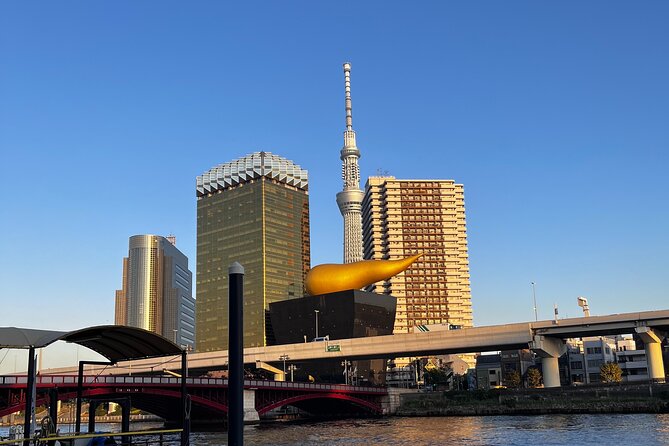
- Seeing Tokyo from the Sumida River
- Walking Through Kaminarimon Gate
- Nakamise-dori and the Temple Approach
- Understanding Senso-ji Temple Customs
- Drawing a Fortune at Senso-ji
- Is the $43 Price Good Value?
- Timing, Group Size, and Practical Details
- Who Will Get the Most From This Tour?
- Should You Book the Sumida River and Senso-ji Tour?
- FAQ
- How long does the Tokyo Asakusa walking tour last?
- Where does the tour begin?
- Where does the tour end?
- What is included at Senso-ji Temple?
- How many people can join the tour?
- Can I cancel for a full refund?
I like the 10-person maximum, which gives the walk a personal feel, and I like that fortune drawing at Senso-ji is included rather than left as an optional extra. Guides Nori and Naoko receive especially warm praise for clear explanations, humor, and making time for questions and photos. The main drawback is the short 90-minute length, so this is an introduction, not a full Asakusa day.
Key Points to Know Before You Book
- The tour begins near Kuramae Police Box, not at Senso-ji, so allow time to reach the starting point.
- A 30-minute Sumida River cruise gives you a fresh view of Tokyo Skytree and Kaminarimon Gate.
- Senso-ji receives about an hour, covering the gate, Nakamise-dori, the main hall, customs, and fortune drawing.
- Groups are capped at 10 people, a useful size for asking questions and staying close to the guide.
- Guides Nori and Naoko are praised for Edo-period context, humor, and personal attention.
- The tour ends at Asakusa Station, with several onward transport options nearby.
Why This Short Tokyo Tour Works
Asakusa is one of the easiest parts of Tokyo to visit on your own, but it is also easy to see only the postcard version. You can walk through Kaminarimon Gate, buy a snack on Nakamise-dori, take a photo of Senso-ji, and leave without understanding what you just saw.
This experience adds context at exactly the right places. The river cruise gives you a quick orientation to the district, while the temple walk explains the rituals and traditions that can otherwise seem confusing. In 90 minutes, you get an efficient first look at one of Tokyo’s oldest-feeling neighborhoods.
I would use this tour early in a Tokyo visit. It helps you get your bearings, and the explanations about etiquette can make later visits to temples and shrines more comfortable. One especially useful feature is the attention to Japan’s Edo period, the era when Tokyo was known as Edo and developed into a major urban center.
The format also suits you if you prefer a guide but do not want to spend an entire morning or afternoon in a large group. With no more than 10 participants, the guide can answer questions without turning every stop into a lecture.
A few more Tokyo tours and experiences worth a look


Starting Near Kuramae Police Box
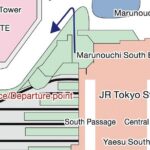
The meeting point is Kuramae 2-chome Police Box, at 2-chome-15-8 Kuramae in Taito City. This is close to public transportation, but it is not the same place as Asakusa Station or Senso-ji Temple. Check the map carefully before setting out, especially if you are navigating Tokyo for the first time.
Beginning in Kuramae gives the tour a practical shape. You do not begin in the middle of the temple crowds. Instead, you meet the guide, get organized, and move toward Asakusa by the river. The route then finishes at Asakusa Station, which makes it easy to continue sightseeing or head back to your hotel.
The exact cruise arrangements are not detailed in the supplied information, so you should follow the meeting instructions provided at booking. The important point is that the water portion lasts about 30 minutes and forms the opening part of the experience.
Seeing Tokyo from the Sumida River
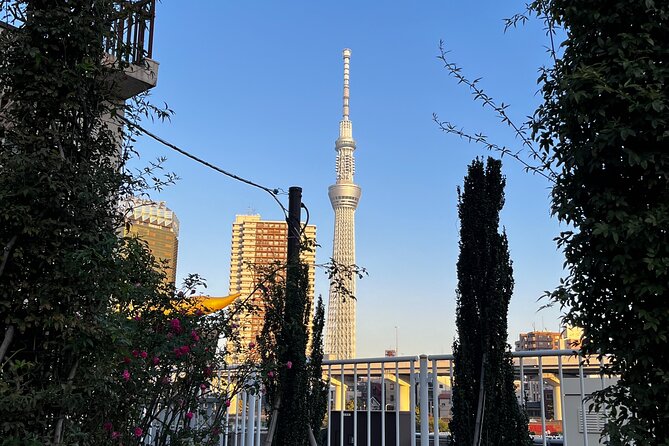
The Sumida River section is short, but it changes the way you read the city. From the water, the crowded streets fall away and Tokyo’s scale becomes easier to grasp. You can look toward Tokyo Skytree, one of the city’s most recognizable modern landmarks, while also seeing the traditional Kaminarimon Gate from a different angle.
This is not a long sightseeing cruise with a wide list of stops. Think of it as a moving viewpoint and a calm start to the walk. You will have time to take pictures, look along the riverfront, and listen as the guide connects the scenery to Tokyo’s past.
One of the strongest details associated with the tour is the explanation of the Edo period. That historical frame matters because Asakusa is not just a collection of old-looking buildings. It has long been connected with entertainment, commerce, religious visits, and the daily life of the city.
The cruise also gives you a break from Tokyo’s dense street activity. That contrast is useful. You begin with open views and water, then move into the gates, shops, and temple grounds of Asakusa. For photography, the river section may be the best chance to capture both old and new Tokyo in one view.
There is a practical limitation. Thirty minutes passes quickly, and weather can affect the experience. The activity requires good weather, so poor conditions may lead to a different date or a full refund. Bring realistic expectations: this is a brief river ride, not a full-day boat tour.
Walking Through Kaminarimon Gate
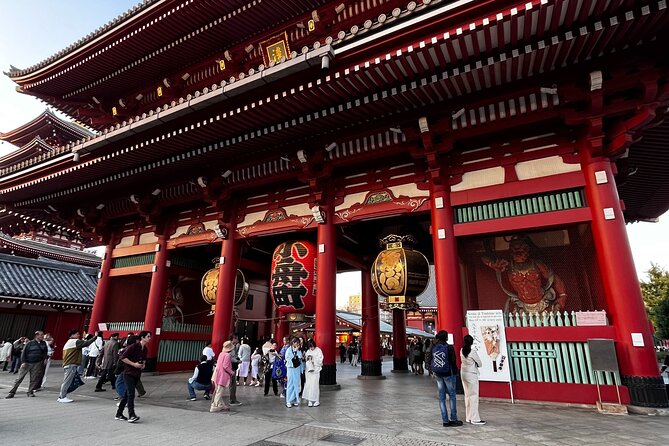
After the river portion, the tour turns to Senso-ji, Tokyo’s best-known Buddhist temple complex. The approach begins at Kaminarimon Gate, the large entrance associated with its oversized lantern and imposing guardian figures.
The gate is often crowded, so a guide is useful here. Rather than treating it as a photo stop alone, you can learn how the entrance fits into the temple approach and what to notice before walking farther into the complex. Your guide can also help explain the difference between seeing a religious site and treating it like an ordinary attraction.
This is where a small group helps. With up to 10 people, you have a better chance of hearing the guide and staying together while other visitors pass through. You should still expect a busy public setting. The tour does not provide private access or a quiet temple visit, and the guide cannot remove the crowds.
Guides Nori and Naoko are specifically praised for different qualities that matter on this walk. Nori is associated with explanations of the Edo period and the city’s background, while Naoko is described as smart, funny, informative, and attentive to questions and photo stops. Guide assignments can vary, so do not book on the assumption that one particular guide is guaranteed.
Nakamise-dori and the Temple Approach
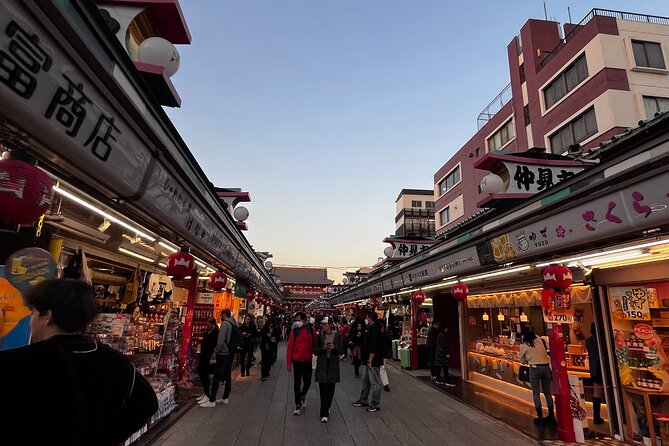
From Kaminarimon Gate, you continue along Nakamise-dori, the shopping street leading toward the main temple buildings. This stretch is part of the experience, not just a path between stops.
The street gives you a quick look at the commercial side of temple visits in Japan. Shops sell souvenirs, snacks, and traditional items, while the steady flow of people moves toward Senso-ji. A guide can help you understand how shopping, food, religious visits, and local custom overlap here.
You will not have a separate shopping session built into the 90-minute schedule. If you want to browse every shop or buy several snacks, you may need to return after the tour. That is one reason I see this experience as an orientation. It shows you what deserves a closer look later.
The pace should also be manageable for most people, since the total walking portion is about an hour. Still, the area can be crowded, and you should stay alert to the group as you move through the approach.
A few more Tokyo tours and experiences worth a look

Understanding Senso-ji Temple Customs
The main value of the temple visit is the explanation of etiquette. Japanese temple and shrine customs are easy to observe incorrectly if you have never been shown what they mean. A guide can explain the purpose of the actions and help you approach the site with more respect.
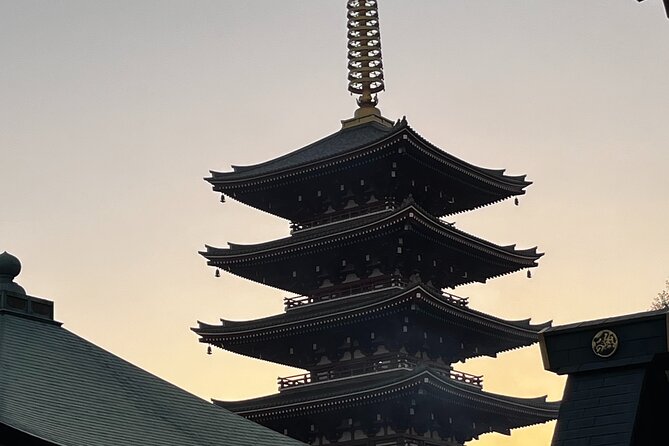
The tour focuses on Japanese culture, religion, traditions, and rituals. That makes it a good fit if you want more than architectural facts. You can ask questions as you go, and the small group gives the guide room to adjust the explanation to the interests of the people present.
The temple complex also offers a useful lesson in how religion and everyday life meet in Japan. Senso-ji is an active spiritual place as well as a major sight. You will see people arriving for personal reasons, taking part in familiar rituals, and moving through the grounds alongside those who came mainly to look around.
The supplied details do not list every ritual step in exact order, so I would avoid treating this as a formal religious class. Its strength is practical interpretation. You get enough background to understand what you are seeing and how to behave while there.
Drawing a Fortune at Senso-ji

Fortune drawing is included in the price, which gives the temple visit a small hands-on element. At Senso-ji, you can draw a fortune as part of the visit rather than simply watching the guide perform an explanation.
This is a memorable addition because it connects the visit to a living custom. It also gives you something personal to take away from the temple experience. The supplied information does not specify the language or exact handling of an unfavorable fortune, so ask your guide if you need help interpreting what you receive.
The fortune drawing should not be the only reason to book. It is a modest part of the visit, not a separate activity with a long explanation. Its value comes from placing you inside the temple’s everyday rhythm for a moment.
Is the $43 Price Good Value?
At $43 per person, this tour costs more than walking to Senso-ji on your own. The temple itself does not require a separate admission charge, and the itinerary describes admission to both the river and temple portions as free. You are paying mainly for the guide, the organized route, the river segment, and the included fortune drawing.
For a first visit to Asakusa, I think the price can make sense. You get two distinct views of the area, a guide who can explain cultural details, and a small group rather than a large coach-style outing. The value is strongest if you would otherwise spend time researching temple etiquette and working out how to combine the river and temple efficiently.
The calculation changes if you already know Asakusa well or prefer exploring at your own pace. You could spend your money on food, shopping, or another Tokyo attraction and visit Senso-ji independently. The short duration also means the cost per hour is not especially low.
Still, the tour is designed for convenience rather than maximum hours. It takes care of the basic structure and leaves you at Asakusa Station, where you can continue on your own. For an arrival-day or first-morning activity, that efficiency may be worth more than a longer tour packed with extra stops.
Timing, Group Size, and Practical Details
The total duration is about 1 hour and 30 minutes: roughly 30 minutes on the Sumida River and one hour at Senso-ji. That makes it easy to fit around other plans, but you should not expect a leisurely exploration of every corner of Asakusa.
The maximum group size is 10. That is small enough for direct conversation and useful questions, while still large enough that you will not have a private guide. The experience is confirmed at booking, and most people can participate. It is near public transportation, with the start and end points both in Tokyo’s Taito City.
The final stop is Asakusa Station at 1-chome-1-3 Asakusa. From there, you have several ways to leave the area, and the guide can help you work out how to get home. This is a practical finish if you plan to continue sightseeing rather than return to the starting point.
The experience uses a mobile ticket. Free cancellation is available until 24 hours before the start time for a full refund. Cancellations or changes made less than 24 hours before the start are not refunded or accepted, and poor weather or failure to meet the minimum group size can lead to a new date or a full refund.
Who Will Get the Most From This Tour?
I would recommend it most strongly for a first-time visitor to Tokyo who wants cultural context without committing to a long guided program. It is also a good choice if you are curious about Japanese religion, unsure about temple etiquette, or looking for a compact activity near Asakusa.
Families and small groups may appreciate the straightforward route and short schedule, provided everyone can keep up with the walking portion. The group limit also suits people who dislike being lost in a crowd around a guide.
Photographers will like the river views and the contrast between Tokyo Skytree and Kaminarimon Gate. The tour gives you several clear visual themes, but you should not expect unlimited time at each photo stop.
I would be more cautious if you want extensive history, a long river cruise, or a quiet spiritual visit. The tour moves at an efficient pace, and Senso-ji is a public place with plenty of activity. You will get an informed introduction, then need to explore more on your own if you want a fuller Asakusa experience.
Should You Book the Sumida River and Senso-ji Tour?
Book it if you want a short, well-organized introduction to Asakusa that combines water views with cultural explanation. The best reasons are the small group, the included fortune drawing, the river perspective on Tokyo Skytree, and the chance to learn from guides such as Nori or Naoko.
Skip it if you already understand Senso-ji, prefer independent sightseeing, or need a longer tour with more stops. At $43, the value depends on how much you want interpretation and convenience. For a first day in Tokyo, the tour makes a sensible starting point. It gives you enough context to return to Asakusa later with better eyes and a clearer sense of what you are seeing.
FAQ
How long does the Tokyo Asakusa walking tour last?
The experience lasts approximately 1 hour and 30 minutes, including about 30 minutes on the Sumida River and one hour at Senso-ji Temple.
Where does the tour begin?
The meeting point is Kuramae 2-chome Police Box, located at 2-chome-15-8 Kuramae, Taito City, Tokyo 111-0051, Japan.
Where does the tour end?
The tour ends at Asakusa Station, at 1-chome-1-3 Asakusa, Taito City, Tokyo 111-0032, Japan.
What is included at Senso-ji Temple?
The guided visit includes Kaminarimon Gate, Nakamise-dori, the main hall, explanations of Japanese customs and traditions, and fortune drawing at Senso-ji.
How many people can join the tour?
The experience has a maximum of 10 participants.
Can I cancel for a full refund?
Yes. You can cancel at least 24 hours before the experience start time for a full refund. Cancellations made less than 24 hours before the start time are not refunded.
More Temples & Meditation in Tokyo

More Bay & River Cruises in Tokyo
More Asakusa Tours in Tokyo

More tours in Tokyo we've reviewed












Asakusa Tours, compared.
 ★ 4.8Tokyo: Japanese Dance Cabaret Theater Asakusa-Kaguwa TicketFrom $492 hours
 ★ 4.7Tokyo: Meiji Shrine, Asakusa, Skytree Bus Tour and CruiseFrom $12210 hours
 ★ 4.9Tokyo: Roll and Authentic Sushi Making Class in AsakusaFrom $581h 40m
 ★ 4.8Tokyo: Asakusa Walking Tour with Sensoji Temple VisitFrom $222 hours
 ★ 5.0Tokyo Asakusa Rickshaw TourFrom $42
 ★ 4.5Tokyo Panoramic 1 Day: Meiji Shrine, Asakusa, Odaiba and SKYTREE®From $85