Reviewed · FOOD
Tokyo: Food and Culture Private Guided Tour
Tokyo’s food story begins before lunch. At Tsukiji Fish Market, you can see the ingredients that drive the city’s cooking and, if you wish, start the morning with fresh sushi. The best part is the private, custom itinerary: your guide can focus on markets, shopping, museums, food, or a mix of them.
In This Article
- Key points to know before booking
- Tsukiji Fish Market makes a useful first stop
- Toyosu adds another side of Tokyo’s food supply
- Ameyoko mixes food, shopping, and people-watching
- Kappabashi turns eating into cooking
- A private guide changes the shape of the day
- Public transport is useful, but it is not included
- Four hours or six hours?
- Is $98 per person a fair price?
- Who will get the most from this tour?
- Booking details worth checking
- Should you book the Tokyo food and culture tour?
- FAQ
- Where does the tour begin?
- How long does the experience last?
- Is the itinerary fixed?
- Are food and drinks included?
- Are transportation costs included?
- What languages are available?
- Are the guides licensed?
- Does the tour operate in bad weather?
- Is the tour wheelchair accessible?
I like the chance to learn Tokyo’s public transport system with a local, and I like that the guides are nationally licensed interpreters. Guides such as Kenji Kasama, Naomi, Yasuho Suzuki, Koji Shinjo, Kimy, and Nori have received especially warm praise for patience, planning, and friendly explanations. The drawback is that food, transport, and entrance fees cost extra, and the guide is not confirmed until they contact you.
Key points to know before booking

- Tsukiji sets the tone: Start with market stalls, Japanese snacks, or fresh sushi if you want a food-first morning.
- Your guide shapes the day: Request specific places, museums, shopping areas, or food stops instead of following a fixed route.
- The 4-hour option is focused: Choose it for one main food district and a few nearby sights.
- The 6-hour option gives you room: It is better for combining Tsukiji, Ameyoko, Kappabashi, and another Tokyo sight.
- You pay as you go: Food, drinks, admissions, trains, and taxis are not part of the $98 tour price.
- Expect a walking day: The tour uses public transport or taxis, and the guide meets you at your hotel or a requested station.
Tsukiji Fish Market makes a useful first stop

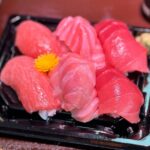
Tsukiji is the clearest introduction to Tokyo’s food culture because it connects the food on your plate with the people and shops that supply it. You can browse raw ingredients, prepared foods, and small snacks while your guide explains what you are seeing and how it fits into Japanese cooking.
The market is also a practical place to begin eating. If sushi for breakfast appeals to you, this is the suggested setting for it. You pay for your own food, so you can decide how much to sample rather than being locked into a tasting menu.
I would ask your guide in advance how much time to reserve for eating. A person who wants to try several small foods will need a different pace from someone who only wants a quick look before sightseeing. You can also tell the guide about dietary preferences or special requests, although the supplied information does not promise that every request can be accommodated.
Tsukiji can be crowded and requires walking, so comfortable shoes matter. One guide, Nori, was especially appreciated for accompanying a visitor around the fish market. That detail points to the real value here: a guide can help you understand what you are looking at instead of leaving you to wander among unfamiliar foods.
A few more Tokyo tours and experiences worth a look
Toyosu adds another side of Tokyo’s food supply
Toyosu Market is included in the suggested route as a neighboring stop to Tsukiji. Seeing both gives you a broader picture than visiting one market alone. Tsukiji offers the more immediate street-food and small-shop experience, while Toyosu helps place Tokyo’s seafood trade in a larger market setting.
Your guide can decide how much attention Toyosu deserves based on your interests and available time. If food sourcing and market culture are your main goals, it may deserve a longer visit. If you are more interested in shopping, museums, or historic neighborhoods, you may prefer to keep this stop brief.
Do not assume that every suggested stop fits comfortably into four hours. Tsukiji, Toyosu, Ameyoko, and Kappabashi all serve different purposes, and moving between them takes time. The private format lets you choose, but it does not remove Tokyo’s distances or train connections.
Ameyoko mixes food, shopping, and people-watching

Ameyoko Shopping Street gives the tour a change of pace. It is not only a food market. You will find clothing, electronics, and a broad range of everyday goods, with many items already discounted.
This is a good place to tell your guide what kind of shopping you want. You can browse food stalls, look for practical purchases, or test your bargaining skills when prices are not fixed. The tour information specifically notes negotiating, but you should keep your expectations sensible. Bargaining may be possible in some situations, not a guaranteed part of every purchase.
Ameyoko works well for visitors who want to see ordinary commercial Tokyo alongside famous food stops. It is less focused than Tsukiji, so it may feel off target if you want nothing but seafood and Japanese cooking. That is also why the private format helps: you can spend more time here if shopping interests you, or skip it for another requested sight.
Kappabashi turns eating into cooking

Kappabashi Street is the stop for kitchenware and cooking tools. After seeing ingredients and prepared foods at the markets, you can look at the equipment used to make Japanese dishes at home or in restaurants.
This is one of the tour’s most distinctive ideas. Many food tours end after the tasting. Kappabashi lets you continue the subject by examining knives, utensils, cookware, and other kitchen goods. The supplied information does not list exact shops or products, so ask your guide to focus on the items that interest you.
Kappabashi is especially useful if you want souvenirs with a practical purpose. It can also be a better choice than another food stop for someone who already plans to eat several times during the day. Remember that purchases are your responsibility and are not included in the tour price.
A private guide changes the shape of the day

This is not a fixed group walk with a set menu and a rigid list of stops. You meet a licensed local guide, explain what you want, and set off on foot from your hotel or requested station. The guide can help shape the route around food, culture, shopping, museums, or specific Tokyo sights.
All guides hold Japan’s nationally licensed Tour Guide-Interpreter certification. The certification requires an understanding of Japanese culture and history, which matters when you want more than directions between restaurants. A good guide can explain why a market matters, how a neighborhood fits into Tokyo, and what you are seeing on the way.
The individual guides mentioned in the feedback each brought something different. Kenji Kasama was praised for building an itinerary around specific requests and patiently guiding visitors through public transport. Naomi helped visitors use the railway system and explained how to buy a train card, then adjusted the day when an art museum became the main highlight. Yasuho Suzuki was described as professional, friendly, punctual, informative, and fun.
Koji Shinjo received praise for planning a casual, informative route that matched the group’s wishes. Kimy was appreciated for kindness and for explaining Tokyo and its good food. These examples show why your first message to the operator matters. Tell them what you want before the day begins, since the experience depends heavily on the guide assigned to you.
Other guided tours in Tokyo

Public transport is useful, but it is not included

The guide can lead you on Tokyo’s trains and other public transportation, or arrange private taxis as needed. You pay those fares separately. The same applies to any private vehicle used during the day.
This extra cost is easy to overlook when comparing the $98 per-person price. The tour fee pays for the private guide and the planning, not the complete day. You should also budget for food, drinks, and admission fees.
Still, the transport help can be worth real money in time and stress. Tokyo’s railway system is efficient but can feel confusing at first, particularly when you are trying to find the correct platform, transfer, or ticket method. One guide patiently explained how to buy a train card and led visitors through the system. You receive practical help rather than simply being pointed toward a station entrance.
The tour begins on foot from your hotel or requested train station. Pickup is included when your accommodation is within a reasonable walking distance. Your guide waits in the hotel lobby or at the station 10 minutes before the scheduled pickup time.
Four hours or six hours?

The shorter option suits a focused plan. You might choose Tsukiji with one additional neighborhood, or concentrate on food and cooking-related stops. It works well if you have limited time in Tokyo or want a guided introduction before exploring independently.
The six-hour option is the better choice for a full food-and-culture day. It gives you a better chance to combine Tsukiji, Toyosu, Ameyoko, and Kappabashi, though you still need to agree on priorities with your guide. Adding a museum or another major sight may mean cutting one of the markets short.
Do not treat the longer option as permission to list every possible stop. Tokyo is large, and public transport between districts takes time. Give your guide a short list of priorities, then let them arrange the order.
The tour takes place rain or shine. A rainy day can make market walking less comfortable, and one especially praised guide worked with visitors in cold, wet weather by adjusting the plan to include an art museum. Bring suitable clothing and be ready to accept a change of emphasis if conditions make the original route unpleasant.
Is $98 per person a fair price?

At $98 per person, the value depends on your group size and how much help you need. For a private group, you are paying for a dedicated guide rather than sharing explanations with strangers. That is useful when you have special requests, different walking speeds, or a particular interest such as sushi, kitchenware, shopping, or museums.
The price is less attractive if you want a cheap food crawl with tastings included. You pay separately for everything you eat, and the guide does not cover trains, taxis, or entry tickets. Someone comfortable planning Tokyo’s transport and researching markets may prefer to spend that money on food and independent sightseeing.
For a first visit, the strongest value comes from orientation. The guide can help you use the railway system, understand local food areas, and avoid wasting half a morning deciding where to go. The private setup also means you can change direction when a market, museum, or shopping street catches your interest.
Who will get the most from this tour?

I would recommend this experience to first-time Tokyo visitors who want a practical introduction to food and city life. It also suits people who enjoy local markets but do not want to solve every transport and planning problem alone.
Food-focused visitors should request plenty of time at Tsukiji and, if appropriate, Toyosu. Cooks and serious food shoppers should put Kappabashi high on the list. People who want a broader day can add Ameyoko or request a museum, as Naomi’s itinerary did for one group.
Families and private groups may appreciate the adjustable pace, though the tour still involves walking and public transport. The experience is wheelchair accessible, but you should discuss the route and requested stops with the local partner because the exact itinerary changes from group to group.
It is less suitable if you want a fully prepaid package, a fixed tasting menu, or a guaranteed list of named attractions. It is also not the best fit for someone who dislikes walking or does not want to pay separate transport and food costs.
Booking details worth checking
The tour is offered in English or Japanese, with a private group format and a duration of four or six hours. Check the available starting times before booking, since the exact schedule varies.
Your booking is not final until a guide contacts you. Most guides make contact within seven days, but the operator continues looking for a guide until 24 hours before the tour if needed. If no guide accepts, you receive updates and can cancel without a fee when cancellation is made at least 24 hours before the start.
You can cancel up to 24 hours ahead for a full refund. The reserve-now, pay-later option also helps if your Tokyo schedule is still shifting. The local partner contacts you before the experience to confirm the meeting point and other details.
Should you book the Tokyo food and culture tour?
Book it if you want a private Tokyo day built around your interests, especially if markets, Japanese food, public transport, or kitchenware appeal to you. The licensed guide and flexible route are the main reasons to choose it over a standard group walk.
Before booking, decide what matters most: eating at Tsukiji, comparing Tsukiji with Toyosu, shopping at Ameyoko, buying cooking tools at Kappabashi, or adding a museum. Send those priorities early. If you want food and transport included in one fixed price, choose another type of tour. If you value personal planning and friendly local help, this is a strong way to get your bearings and taste Tokyo on your own terms.
FAQ
Where does the tour begin?
Your guide meets you in your hotel lobby or at a train station you request. Hotel pickup is on foot when your accommodation is within a reasonable walking distance, and the guide waits 10 minutes before the scheduled pickup time.
How long does the experience last?
You can select a private four-hour or six-hour tour. Starting times depend on availability.
Is the itinerary fixed?
No. You can request places and interests, and the guide can tailor the itinerary to your preferences. Tsukiji, Toyosu, Ameyoko, and Kappabashi are included in the suggested route, not a required schedule.
Are food and drinks included?
No. You pay separately for all food and drinks during the tour.
Are transportation costs included?
No. You pay separately for public transport or private taxis used during the experience.
What languages are available?
The tour is available with a live guide speaking English or Japanese.
Are the guides licensed?
Yes. The guides hold Japan’s nationally licensed Tour Guide-Interpreter certification.
Does the tour operate in bad weather?
Yes. The experience takes place rain or shine.
Is the tour wheelchair accessible?
Yes, the activity is listed as wheelchair accessible. Since the route is customized, discuss your requested stops and transport needs with the local partner before the tour.
More Private Tours in Tokyo


More Guided Tours in Tokyo
More Food Experiences in Tokyo
More tours in Tokyo we've reviewed












Food, compared.
 ★ 5.0Tokyo: Shinjuku Food Tour (13 Dishes at 4 Local Eateries)From $86
 ★ 5.0Tokyo Tsukiji Fish Market Food and Culture Walking TourFrom $99
 ★ 5.0Tokyo: Tsukiji Fish Market Food and Walking tourFrom $30
 ★ 4.9Tokyo: Shinjuku Food Tour (13 Dishes and 4 Eateries)From $97
 ★ 5.0Tokyo Night Foodie Tour in Shinjuku – Seasonal Sushi, Wagyu BeefFrom $111
 ★ 5.0Eat and Drink Like a Local: Tokyo Ueno Food Tour-Taverns&RamenFrom $95