Reviewed · MT FUJI DAY TRIPS
From Tokyo:private Mount Fuji tour with guide
Mount Fuji is the star here, but the real advantage is the freedom to see it without being tied to a large bus group. You get a private car for up to six people, hotel pickup in Tokyo’s 23 wards, and a schedule that can adjust to your interests and the day’s conditions.
In This Article
- Key points to know before booking
- Why a private Mount Fuji day trip can work well
- Chureito Pagoda gives you the picture everyone wants
- Oshino Hakkai shows Fuji through water and village life
- Lake Kawaguchiko and Oishi Park offer two different Fuji views
- Kitaguchi Hongu Fuji Sengen Shrine adds a sacred side of Fuji
- The 5th Station needs careful summer planning
- Hakone creates a second possible version of the day
- Gotemba Premium Outlets can reshape the schedule
- Transport, timing, and the real value of $332
- Who will get the most from this experience
- Should you book the private Mount Fuji tour?
- FAQ
- How long does the Mount Fuji tour last?
- How many people can join the private group?
- Where can pickup take place?
- Is the 5th Station included?
- Are the Hakone Ropeway and boat tickets included?
- What languages are available?
I especially like the chance to pair the famous Chureito Pagoda view with quieter cultural stops such as Kitaguchi Hongu Fuji Sengen Shrine. I also like the strong value for a full group: $332 works out to about $55 per person before optional admission fees. The main caution is that this is an ambitious 10-hour plan, and the long drive from Tokyo can leave limited time at each stop.
Key points to know before booking
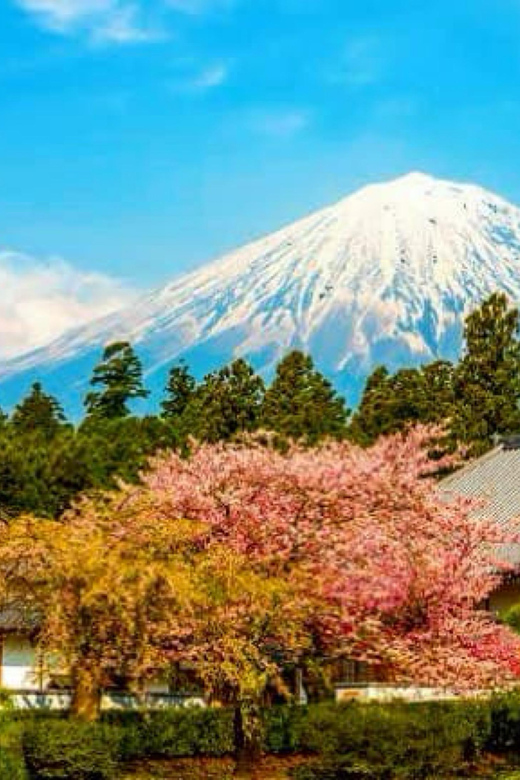
- Chureito Pagoda delivers the classic Fuji view: Expect a hillside climb and one of Japan’s most recognizable photo scenes.
- The private vehicle gives you control: You can spend more time at a favorite stop instead of following a fixed large-group schedule.
- The route mixes nature and culture: Oshino Hakkai, Lake Kawaguchiko, Oishi Park, and a major Shinto shrine offer more variety than a simple Fuji photo trip.
- Hakone may be an alternative route: Lake Ashi, the Hakone Ropeway, Owakudani Valley, and the Glass Forest Museum are listed as possible additions or substitutes.
- Summer access to the 5th Station changes: From July 1 to September 10, private vehicles cannot drive there, and the shuttle bus costs 1,000 yen.
- The price favors families and small groups: Up to six people can share one private booking, but tickets, meals, and several admissions cost extra.
Why a private Mount Fuji day trip can work well
A day trip from Tokyo to Mount Fuji involves a lot of road time. That is the unavoidable part. The payoff is that you reach several places that would be awkward to combine by public transport in one day, and you do it in an air-conditioned vehicle with WiFi available when needed.
This is not a mountaineering trip. It is a sightseeing day around the mountain, with short guided visits, free time, shopping, and photo stops. You will see Fuji from different angles, visit a spring-fed village, walk through a cedar-lined shrine, and spend time by a lake.
The private format matters most if your group has different interests. One person may want photos, another may prefer shopping, and someone else may want a short walk at a shrine. The driver can adjust the pace within the limits of the day. That flexibility is much harder to get on a standard coach excursion.
The service includes an English-speaking driver, with English, Japanese, Urdu, and Hindi listed as available languages. The vehicle picks you up and returns you to a hotel, hostel, Airbnb, apartment, or other address within Tokyo’s 23 wards. Airport, port, and station pickup is not available, so check your address before paying.
A few more Fujiyoshida tours and experiences worth a look


Chureito Pagoda gives you the picture everyone wants
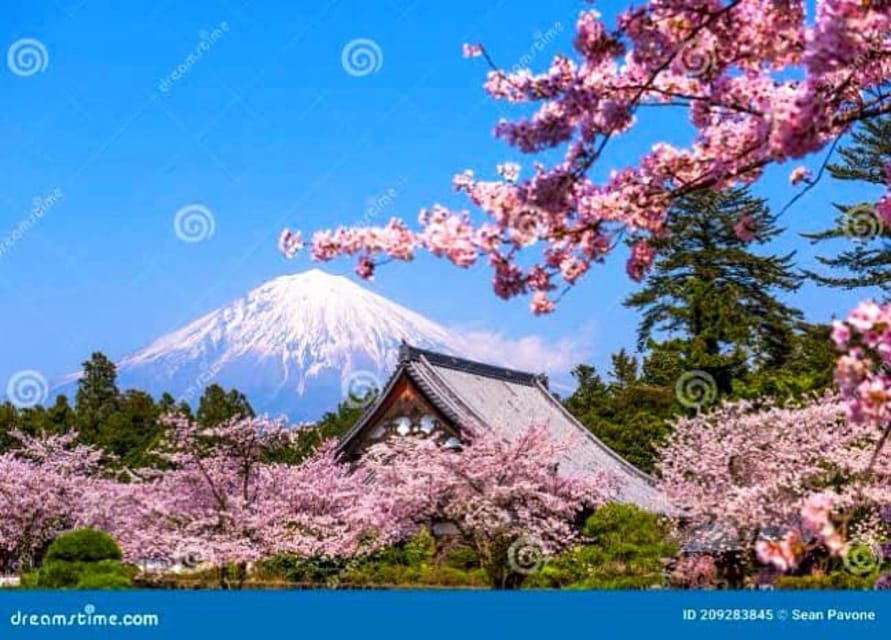
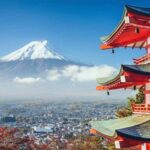
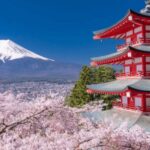
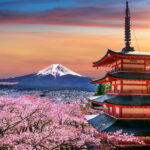
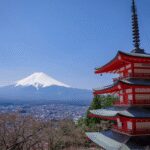
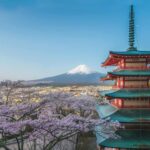
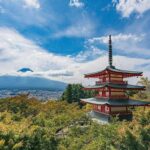
Chureito Pagoda is likely to be the emotional high point for photographers. The five-story pagoda sits on a hillside, with Mount Fuji framed behind it when the weather cooperates. Cherry blossoms add soft pink in spring, while autumn leaves can bring red and gold later in the year.
You should allow about an hour here. The stop includes a guided visit, sightseeing, free time, and shopping, though the pagoda itself is the reason to come. Reaching the viewpoint involves steps, so comfortable clothing and shoes are sensible.
Keep your expectations tied to the weather. Fuji can hide behind cloud, even on a day that looks clear in Tokyo. The tour gives you several Fuji viewpoints, which improves your odds, but no private vehicle can guarantee an unobstructed mountain.
I like this stop because it combines a cultural structure with a great mountain view. It is not only a roadside photo stop. You get a short walk, a hillside setting, and time to look around rather than snapping one picture and rushing away.
Oshino Hakkai shows Fuji through water and village life
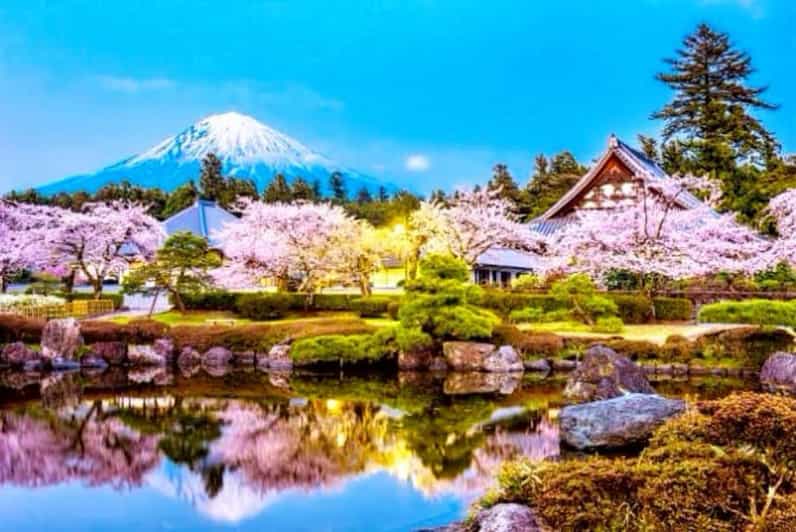
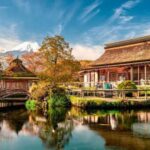
Oshino Hakkai is a traditional village known for clear ponds fed by snowmelt from Mount Fuji. The water, gardens, and thatched-roof buildings create a calmer setting than the pagoda viewpoint.
The planned visit lasts about an hour. You can walk around, take pictures, browse small shops, and see the ponds at your own pace. This is a good place to slow the day down after the drive from Tokyo.
The village adds useful context to the mountain. Fuji is not just a summit or a backdrop. Its snow and rain feed the surrounding water system, and Oshino Hakkai lets you see that connection in a simple, visible way.
The drawback is time. One hour is enough for a look around, but not a long, unhurried village visit. If Oshino Hakkai matters more to you than shopping or one of the optional Hakone stops, tell the driver early so the schedule reflects that choice.
Lake Kawaguchiko and Oishi Park offer two different Fuji views
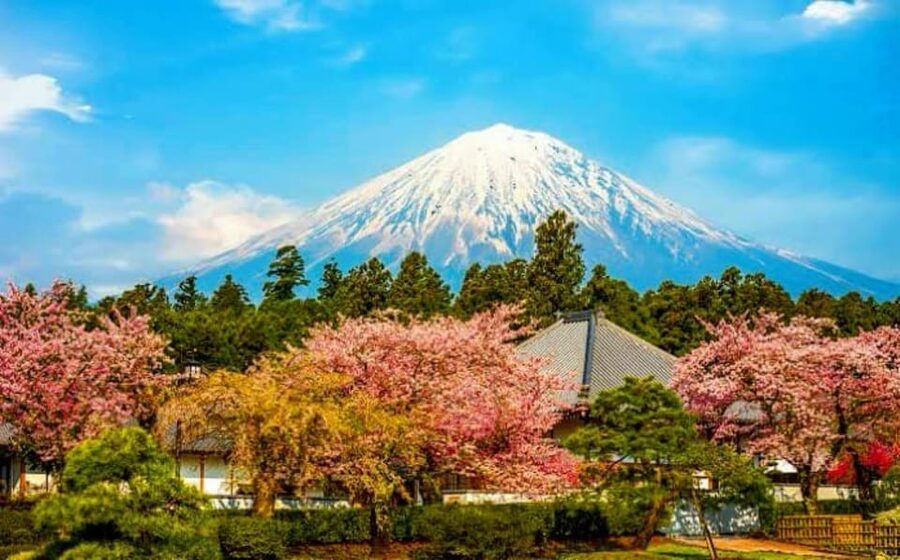
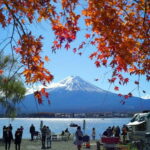
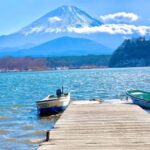
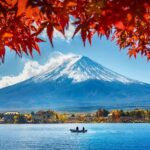
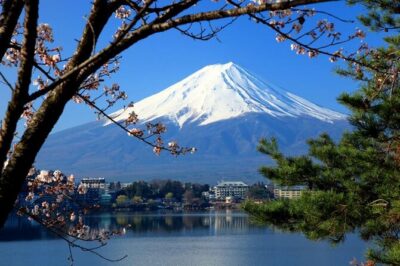
Lake Kawaguchiko is one of the Fuji Five Lakes and one of the most reliable places on this route for mountain views. The itinerary allows about 90 minutes, giving you time for a lakeside walk, photographs, or possibly a boat ride.
The lake changes the mood of the day. At Chureito, Fuji is framed by architecture. At Kawaguchiko, the mountain meets open water, and on a calm day its reflection can appear in the lake. The view is simple and powerful.
Oishi Park is also included as a sightseeing stop of about an hour. Its open setting gives you another angle on Fuji and may appeal if you want gardens, lake views, or a quieter place to take pictures. Since the exact order and length of stops can change, ask how Oishi Park fits with Kawaguchiko when the day begins.
Boat rides and other paid activities are not included. The same applies to several attractions elsewhere on the route. Bring cash, as the practical notes specifically recommend it.
Kitaguchi Hongu Fuji Sengen Shrine adds a sacred side of Fuji
Kitaguchi Hongu Fuji Sengen Shrine is one of the most worthwhile stops for understanding Fuji as a spiritual place. The shrine is surrounded by tall cedar trees and has long been connected with pilgrims preparing to climb the mountain.
You get roughly an hour for a guided visit, a walk, sightseeing, and some free time. The forest setting should feel very different from the open lake views and busy photo points.
I like the balance this stop brings. A Fuji day can easily become a string of viewpoints and souvenir shops. This shrine gives you a place to pause and see the mountain through Japanese religious tradition, not only through scenic photography.
The shrine visit does involve walking, though it is not presented as a long hike. If your group includes anyone with limited mobility, discuss the pace with the provider before departure. The tour is not suitable for people over 95, according to the activity information.
Other guided tours in Fujiyoshida
The 5th Station needs careful summer planning
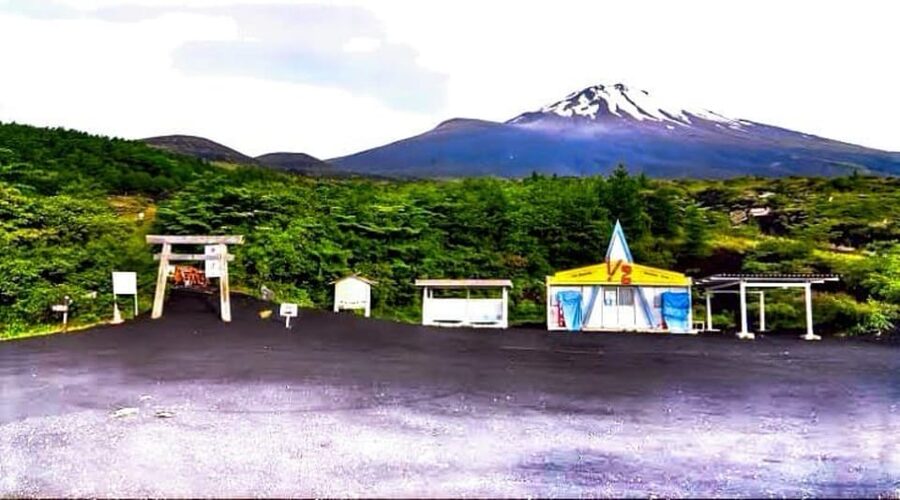
Mount Fuji’s 5th Station is listed as a possible destination, but it is not included as a guaranteed stop in the main sequence. From July 1 through September 10, private vehicles cannot drive to the 5th Station during the hiking season.
You can use a shuttle bus from the Mount Fuji parking area during that period. The stated price is 1,000 yen, paid separately. This adds another step and can reduce time available for the other stops.
If reaching the 5th Station is a priority, ask about road access and the day’s route before booking. Do not assume that a private car means direct access to every point on the mountain. Weather, traffic, seasonal controls, and the 10-hour limit all matter.
Hakone creates a second possible version of the day
The route also lists several Hakone sights, including Lake Ashi, the Hakone Ropeway, Owakudani Valley, Hakone Shrine, and the Hakone Venetian Glass Museum, also called the Glass Forest. These should be understood as alternative or optional choices, not as stops you can comfortably combine with every Fuji-area location in one relaxed day.
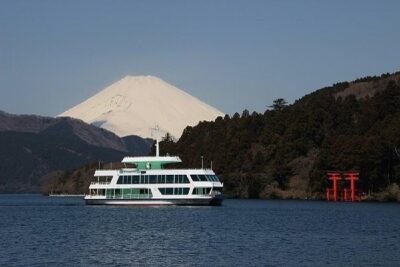
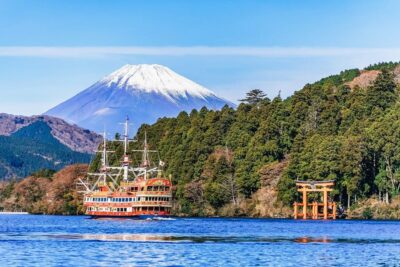
Lake Ashi offers a boat ride and photo opportunities. The water gives you another broad view of the region, and the listed activity includes a short visit and possible hiking. Boat tickets are not included.
The Hakone Ropeway carries you over volcanic ground and toward views around Owakudani Valley. Owakudani is known for steaming sulfur vents and also has shopping. Ropeway tickets are extra.
Hakone Shrine gives the day another religious site, with a guided visit and walk. The Venetian Glass Museum provides a very different experience, focused on glass displays and sightseeing rather than mountains and shrines.
These options are valuable if you have already seen some of the Fuji Five Lakes area or prefer Hakone’s attractions. They are less appealing if your main goal is a leisurely Fuji day. I would ask the provider to confirm the exact combination instead of assuming all thirteen listed stops are included in full.
Gotemba Premium Outlets can reshape the schedule
Gotemba Premium Outlets has a listed free-time period of three hours, much longer than the other stops. That makes it useful for shoppers, but it also explains why this itinerary can feel packed.
The outlet stop may suit you if your group wants branded shopping and a break from sightseeing. It is less useful if you have only one day for traditional villages, shrines, and Fuji views.
Three hours at the outlets, plus the drive back to Tokyo, uses a large share of the day. Ask whether Gotemba replaces the Hakone stops or some Fuji-area sightseeing. Private touring gives you flexibility, but it does not remove the limits of distance and traffic.
Transport, timing, and the real value of $332
The tour lasts 10 hours, with roughly two hours of the listed time assigned to the van journey. Tokyo highways can be slow, and the driver may arrive up to 30 minutes late because of traffic. The instructions ask you to wait in your hotel lobby for 10 minutes at the start, while the driver may wait up to 60 minutes in case of delay.
That makes an early start especially useful, though starting times depend on availability. You should keep the day clear and avoid booking a time-sensitive evening activity immediately afterward.
At $332 per group of up to six, the price is strongest for families or friends traveling together. A full group pays about $55 per person for private transport, hotel pickup and return, an English-speaking driver, water, and the ability to adjust the day.
The calculation changes for one or two people. You are paying for the vehicle and driver rather than a seat, so a smaller group may find a shared tour cheaper. The private format still has value if you care about privacy, hotel pickup, language options, or choosing between Fuji and Hakone stops.
Budget separately for the 5th Station shuttle, ropeway, motorboat, and Saiko Iyashi no Nemba Village entry if those are part of your chosen route. The 5th Station entry ticket is also excluded. Food and shopping are not listed as included, so carry cash and plan accordingly.
Who will get the most from this experience
I would recommend this trip for a small group that wants to see a lot without managing several train and bus connections. It suits families, friends, and visitors who value hotel pickup and a private vehicle over a fixed public transport timetable.
It is also a good match if your group cannot agree on one kind of sightseeing. The route can combine Fuji photos, a village, shrines, lake views, shopping, and Hakone attractions.
You should think twice if you want a slow, single-focus day. The standard plan covers many places, and optional stops make the schedule even fuller. You may enjoy the trip more if you choose three or four priorities before pickup and accept that some places will receive only a short visit.
The available languages are another useful point. English, Japanese, Urdu, and Hindi are listed, though you should request your preferred language when booking. Also tell the provider about child-seat needs, allergies, or other requirements in advance.
Smoking is not allowed in the vehicle. Bring a camera, comfortable clothes, and cash. Those sound basic, but this day includes road time, walking, shopping, and possible outdoor stops in changing weather.
Should you book the private Mount Fuji tour?
Book it if you want door-to-door convenience, a private group, and control over the pace. The combination of Chureito Pagoda, Oshino Hakkai, Kawaguchiko, Oishi Park, and Kitaguchi Hongu Fuji Sengen Shrine gives you a fuller picture of the Fuji area than a single viewpoint visit.
Choose it with a clear plan. Ask which stops will actually be included, decide if you prefer Fuji or Hakone, and confirm whether the 5th Station is accessible on your date. For a group of six, the price is convincing. For solo visitors or couples, compare it with shared tours before committing.
The available score is 4.8 from four reviews, with praise focused on service, punctuality, comfort, organization, and the ability to enjoy the sights without rushing. That matches the tour’s strongest feature: not luxury or a long mountain walk, but a practical private day that lets you see Fuji your way.
FAQ
How long does the Mount Fuji tour last?
The activity lasts 10 hours, including the drive from Tokyo and the return journey.
How many people can join the private group?
The price covers a private group of up to six people.
Where can pickup take place?
Pickup and drop-off are available at hotels, hostels, Airbnbs, apartments, and other addresses within Tokyo’s 23 wards. Pickup is not available from airports, ports, or stations.
Is the 5th Station included?
The 5th Station entry ticket is not included. From July 1 to September 10, private vehicles cannot drive there, so you would need to use a shuttle bus from the Mount Fuji parking area. The stated shuttle price is 1,000 yen.
Are the Hakone Ropeway and boat tickets included?
No. Ropeway and motorboat tickets are not included in the tour price.
What languages are available?
The activity lists English, Japanese, Urdu, and Hindi. An English-speaking driver is included, and you should request your preferred language when booking.
More Private Tours in Fujiyoshida
More Guided Tours in Fujiyoshida
More Mt Fuji Day Trips in Fujiyoshida


More tours in Fujiyoshida we've reviewed


Mt Fuji Day Trips, compared.
 ★ 5.0Mt Fuji and Hakone 1-Day Bus Tour Return by Bullet TrainFrom $163
 ★ 4.0Mt Fuji & Hakone Cruise, Drum Show Bullet Train 1 Day from TokyoFrom $149
 ★ 4.4Tokyo Mt Fuji 5th St & Hakone Cruise Bus Tour w/Bullet TrainFrom $15410 hours
 ★ 4.5From Tokyo: Mount Fuji Full-Day Sightseeing TripFrom $6810 hours
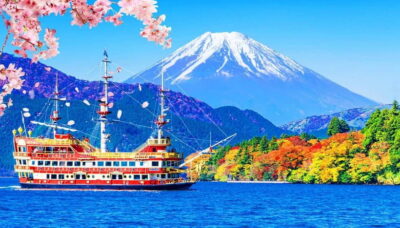 ★ 4.7Tokyo: Mt. Fuji Tour, Hakone Ropeway, Owakudani, Lake AshiFrom $5410 hours
 ★ 4.4Tokyo:Mt.Fuji,Kawaguchiko Oishi Park,Arakurayama Sengen ParkFrom $5410 hours