Reviewed · MT FUJI DAY TRIPS
From Tokyo: 5 Best Mount Fuji Photo Spots Private Day Trip
Mount Fuji is the star here, but the real pleasure is seeing it from several very different angles in one day. You’ll photograph the classic Chureito Pagoda view, then move through a local shopping street, clear spring ponds, and the Mt. Fuji Dream Bridge.
In This Article
- Key points to know before booking
- Why this private Fuji day trip works well from Tokyo
- Chureito Pagoda and the first big Fuji view
- Shimoyoshida Honcho Street for a street-level view
- The Lawson Kawaguchiko stop and the famous convenience-store photo
- Lake Kawaguchi gives the day breathing room
- Oshino Hakkai and the Springs of Mount Fuji
- The Mt. Fuji Dream Bridge and late-day light
- What the driver adds to a private day
- Weather, walking, and what to bring
- Who gets the best value from this tour
- Booking advice and final verdict
- FAQ
- How long is the Mount Fuji photo trip?
- What is the price for the private group?
- Is hotel pickup and drop-off included?
- Which places are visited?
- Is lunch included?
- Is there a tour guide?
- Is the vehicle private and air-conditioned?
- What should I bring?
- Can I cancel the booking?
I like the private vehicle, which saves you from piecing together buses around the Fuji Five Lakes area. I also like the flexible pace, especially when rain or clouds change the best photo plan. The main catch is time: one guest found that all five photo stops could not be completed comfortably, so you should agree on priorities early.
Key points to know before booking
- Chureito Pagoda gives you the classic Fuji postcard: Expect a hillside walk and one of the area’s most recognizable views.
- The route mixes famous and everyday Japan: Honcho Shopping Street and the Lawson store add local street scenes to the grand mountain views.
- A private group of up to five keeps the day personal: At $451 per group, the cost works out to about $90 per person for five people.
- Weather controls the quality of the day: Fuji can disappear behind cloud, so the flexible plan matters more than a fixed photo schedule.
- Lake Kawaguchi provides a useful lunch break: You have about 90 minutes here for food, rest, and more mountain views.
- Drivers may shape the experience: Doshi and Omi are praised for friendly service, cultural explanations, safe driving, and practical help in bad weather.
Why this private Fuji day trip works well from Tokyo
A Mount Fuji day trip from Tokyo is not just about reaching one viewpoint. It is about covering a wide area without wasting your day on transfers, missed buses, or figuring out which stop has the clearest view.
This tour lasts 10 hours and includes hotel pickup and drop-off in Tokyo. You travel in an air-conditioned private vehicle with an English-speaking driver, fuel, tolls, and a Wi-Fi hotspot when available. That package is especially useful for a family or small group that wants to stay together.
The $451 price is for up to five people, not per person. With five in your group, the price is roughly $90 per person. For two people, it is about $226 each, so the value depends heavily on group size. You are paying for privacy, door-to-door transport, and a flexible route rather than the cheapest possible ride to Fuji.
The pickup window deserves some patience. Tokyo traffic can delay the driver by up to 30 minutes, and the 10-hour clock includes a long day on the road. I would avoid booking anything tightly timed that evening.
A few more Fujiyoshida tours and experiences worth a look


Chureito Pagoda and the first big Fuji view
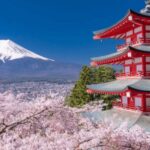
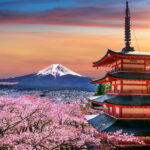
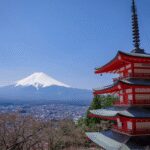
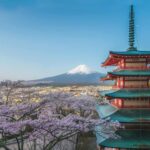
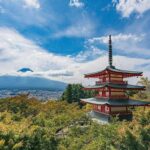
The day begins at Arakura Sengen Shrine, the starting point for the famous Chureito Pagoda view. The pagoda sits above the town on a hillside, with Mount Fuji often framed behind it.
Your stop includes about an hour for visiting, photography, and walking. The climb is part of the visit, so comfortable shoes matter. The experience is not a quick pull-over beside the road. You need enough energy for the hillside approach and time to find your preferred angle.
The scene changes with the seasons. Cherry blossoms add soft color in spring, while autumn leaves create a warmer frame later in the year. The mountain itself is never guaranteed, though. Clear weather is the key factor, and a cloudy day can turn the famous Fuji composition into a view of the pagoda and sky.
I like starting here because it gives you the most recognizable image early in the route. If Fuji is clear, you can secure that major photo before the day gets farther along. If the clouds are heavy, the driver can help keep later stops useful rather than treating this one view as the whole purpose of the trip.
Shimoyoshida Honcho Street for a street-level view
After the pagoda, you spend about an hour around Shimoyoshida Honcho Street. This is a good change of rhythm. Instead of another broad mountain vista, you get a traditional Japanese town setting with shops, snacks, souvenirs, and everyday street life.
The street is known for its Fuji view running through the town, making it a favorite place for photographs that combine local buildings with the mountain. The stop also gives you room to browse instead of rushing from one viewpoint to the next.
I would use this hour for more than shopping. Look at how the road, storefronts, signs, and distant mountain line up in the same frame. You can also pick up a small snack or souvenir without turning the entire day into a series of formal viewpoints.
The drawback is that this stop has a popular photographic composition, so the best angle may not feel quiet or private. Still, it adds cultural texture that you would miss on a route focused only on observation decks.
The Lawson Kawaguchiko stop and the famous convenience-store photo
The Lawson Fuji Kawaguchiko Store is a brief 30-minute stop. It is an unusual photo location because a normal Japanese convenience store sits in front of Mount Fuji, creating a contrast between daily life and the country’s most famous peak.
You will have time for a short break, a walk, and photographs. The store is part of the appeal, so do not expect a peaceful nature stop. This is a roadside urban scene, and the charm comes from its ordinariness.
Use the half-hour wisely. Take the photo, look for a snack or drink, and be ready to move on. The stop works best as a quick visual change between the pagoda, shopping street, and the more open areas around Lake Kawaguchi.
Because this is a public convenience store, it is worth being considerate while taking pictures. Keep clear of entrances and follow any local instructions. The mountain may also be blocked by cloud here, just as it can be at the pagoda.
Lake Kawaguchi gives the day breathing room
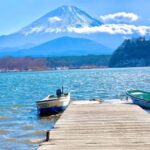
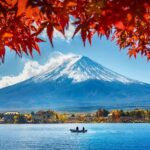
The route allows about 90 minutes at Lake Kawaguchi for a break, photographs, lunch, and self-guided time. This is the longest stop listed, and it is important because a 10-hour Fuji circuit can otherwise feel like a moving vehicle with brief photo pauses.
Lake Kawaguchi gives you room to slow down. You can eat, stretch your legs, and look for another angle on Mount Fuji without being tied to a single iconic composition. The exact lunch arrangement is not included, so plan to pay for your own meal and personal expenses.
This stop is also a practical buffer. If traffic or weather affects the earlier part of the route, the driver may need to adjust the schedule. A private trip can sometimes shift the balance between lunch, extra photos, and the remaining stops, but you should not assume every stop will receive its full planned time.
I would treat Lake Kawaguchi as the point where you decide what matters most for the rest of the day. If Fuji is clear, you may prefer more photographs. If the weather is poor, a proper meal and relaxed lakeside break could be the better use of your time.
Other private tours in Fujiyoshida
Oshino Hakkai and the Springs of Mount Fuji
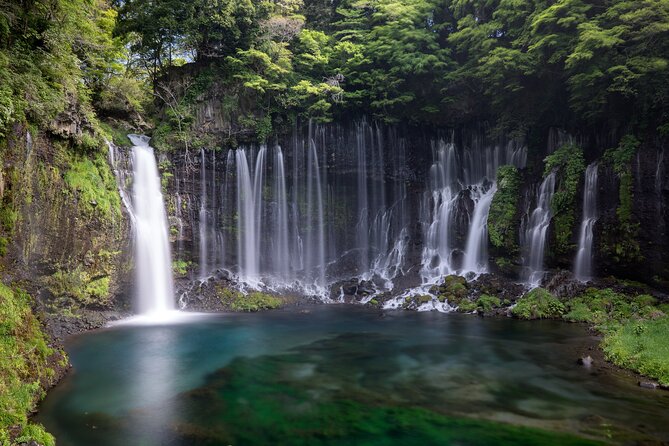
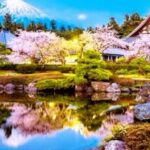
Oshino Hakkai changes the mood again. This group of clear ponds is fed by snowmelt from Mount Fuji, and the site is often called the Springs of Mt. Fuji.
The planned stop lasts about 45 minutes and includes walking, sightseeing, free time, shopping, and photographs. The ponds and greenery offer a quieter natural setting after the streets and convenience store. The water is the main attraction, so this stop is about close detail and calm views rather than one giant Fuji panorama.
You might find the area more appealing if you enjoy small-scale scenery: clear water, traditional surroundings, and a slower walk. It is also a good place to buy a local snack or small item, though meals and shopping are not included in the tour price.
Forty-five minutes is enough for a focused visit, but not for a long, unhurried exploration. If the day is running late, this may be one of the places where you need to keep moving. Comfortable shoes help here as well, since walking is built into nearly every stop.
The Mt. Fuji Dream Bridge and late-day light
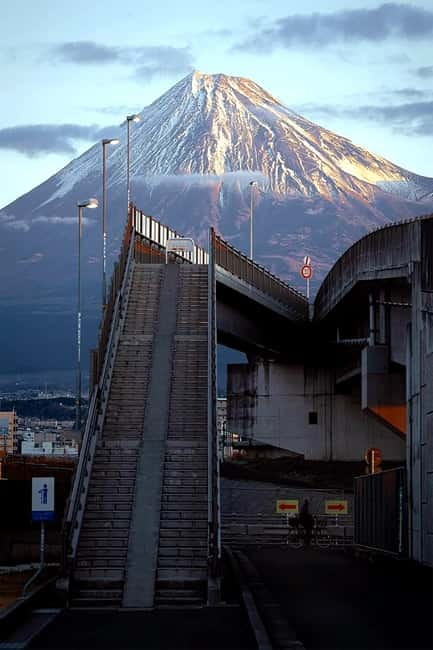
The final listed photo stop is the Mt. Fuji Dream Bridge, with about 50 minutes for a visit, walking, sightseeing, and photographs. It is valued for a broad view of Mount Fuji and can be especially attractive near sunset, when warmer light reaches the mountain.
Timing is the tricky part. A 10-hour trip from Tokyo covers a lot of ground, and sunset timing changes through the year. The route may not reach the bridge at the ideal light on every departure date. Ask the driver early whether the bridge should be saved for later or visited sooner.
This is also the stop most affected by the day’s traffic and weather. The flexible itinerary can help, but flexibility is not the same as unlimited time. One particularly useful piece of advice is to decide at the start which places matter most to you. If you insist on giving equal time to every location, you may end up hurrying at the places you care about most.
What the driver adds to a private day
This is a private driving experience, not a full guided tour with a separate licensed guide. The driver speaks English, and guiding duties appear to be informal: helping with the route, answering questions, and sharing information about Japanese culture.
That distinction matters. If you want detailed historical commentary at every site, you may prefer a dedicated guide. If you mainly want efficient transport and friendly help between photo locations, the setup is more suitable.
The strongest service details are practical. Doshi is described as friendly, punctual, open, and willing to explain Japanese culture. Omi is praised for safe driving and getting the group from one stop to the next. Another driver lent an umbrella when rain arrived and offered alternative plans when heavy rain slowed the day.
Those small actions matter on a weather-sensitive trip. Rain, cloud, and traffic can alter a Fuji itinerary quickly. A driver who communicates well and adjusts the plan can make the day feel far less stressful.
Weather, walking, and what to bring
Mount Fuji is a weather-dependent destination. You can visit five excellent viewpoints and still see very little of the mountain if cloud settles in. Check the forecast before you go, but keep expectations flexible even with a promising prediction.
Bring a jacket because it can feel chilly around the mountain. Comfortable walking shoes are essential for Chureito Pagoda and useful at every other stop. A small backpack gives you room for personal items, snacks, and an extra layer.
Rain gear is sensible. An umbrella was lent to one party when rain arrived unexpectedly, but you should not rely on that being available for everyone. Photography is encouraged, but drones are not allowed.
The vehicle is air-conditioned, and Wi-Fi may be available through a hotspot. Neither feature replaces preparation. You will still want a charged phone or camera, especially since the day includes several separate photo opportunities.
Who gets the best value from this tour
I would choose this trip for a small group that wants to see the classic Fuji sights without managing regional transport. Families, couples, and groups of friends can share the fixed vehicle cost, making the price far more reasonable when five people join.
It is also a good fit for photographers who want several types of compositions: pagoda and mountain, town street and mountain, convenience store and mountain, pond scenery, lake views, and bridge panoramas.
You should think twice if your main goal is a slow, detailed visit at each stop. The route is ambitious, and one stop may need to be shortened or skipped. It is also less suitable if you want a formal tour guide at every attraction.
The trip is not suitable for people over 95 according to the activity information. There is no airport pickup or drop-off, so you need accommodation in Tokyo for the included hotel transfer.
Booking advice and final verdict
Book this Mount Fuji day trip if you value private transport, several photo angles, and a driver who can adjust to weather. The strongest parts are the variety of stops, the hotel pickup, and the chance to travel at your own group’s pace.
Before departure, tell the driver your top two or three priorities. Chureito Pagoda, Lake Kawaguchi, and the Dream Bridge may matter most to a photographer, while another group may prefer Honcho Street and Oshino Hakkai. Making that choice early can prevent a rushed final hour.
At $451 for up to five people, the value is good for a full private day when the vehicle is shared. For only one or two people, it becomes a costly but convenient option. The excellent 4.9 rating reflects especially strong praise for friendly drivers, safe driving, cultural explanations, and help during bad weather.
I would book it for a first Fuji visit from Tokyo, provided you accept that no itinerary can guarantee a clear mountain or perfect sunset. The experience gives you many chances to find a good view, and that is its biggest strength.
FAQ
How long is the Mount Fuji photo trip?
The experience lasts 10 hours, including pickup in Tokyo, sightseeing around Mount Fuji, and return transport to Tokyo.
What is the price for the private group?
The price is $451 for a private group of up to five people. Meals and personal expenses are not included.
Is hotel pickup and drop-off included?
Yes. Pickup and drop-off from your accommodation in Tokyo are included. The driver may arrive up to 30 minutes late because of traffic.
Which places are visited?
The route includes Chureito Pagoda, Shimoyoshida Honcho Street, Lawson Kawaguchiko Station, Lake Kawaguchi, Oshino Hakkai, and the Mt. Fuji Dream Bridge.
Is lunch included?
No. Lake Kawaguchi includes about 1.5 hours for a break, photographs, and lunch, but meals are not included in the price.
Is there a tour guide?
An English-speaking driver is included. A separate tour guide is not included.
Is the vehicle private and air-conditioned?
Yes. You travel in a private, air-conditioned vehicle. A Wi-Fi hotspot is available subject to availability.
What should I bring?
Wear comfortable walking shoes and bring a jacket, since it can get chilly. A small backpack and suitable clothing for the forecast are also recommended.
Can I cancel the booking?
You can cancel up to 24 hours in advance for a full refund. Reserve-now, pay-later booking is also available.
More 1-Day Tours in Fujiyoshida
More Private Tours in Fujiyoshida
More Mt Fuji Day Trips in Fujiyoshida


More tours in Fujiyoshida we've reviewed


Mt Fuji Day Trips, compared.
 ★ 5.0Mt Fuji and Hakone 1-Day Bus Tour Return by Bullet TrainFrom $163
 ★ 4.0Mt Fuji & Hakone Cruise, Drum Show Bullet Train 1 Day from TokyoFrom $149
 ★ 4.4Tokyo Mt Fuji 5th St & Hakone Cruise Bus Tour w/Bullet TrainFrom $15410 hours
 ★ 4.5From Tokyo: Mount Fuji Full-Day Sightseeing TripFrom $6810 hours
 ★ 4.7Tokyo: Mt. Fuji Tour, Hakone Ropeway, Owakudani, Lake AshiFrom $5410 hours
 ★ 4.4Tokyo:Mt.Fuji,Kawaguchiko Oishi Park,Arakurayama Sengen ParkFrom $5410 hours