Reviewed · IMPERIAL PALACE & SHOGUN TOURS
Tokyo, Edo Castle & East Garden of the Imperial Palace Tour
Tokyo’s Imperial Palace East Garden gives you a quiet change of pace in the middle of Tokyo. In about two hours, you walk past old castle remains, a Japanese garden, bridges, and historic palace grounds while a guide explains how Edo Castle became part of the modern imperial compound. It is a useful first look at Japan’s royal past without spending half a day indoors.
In This Article
- Key points before you book
- Why the East Garden makes a good Tokyo break
- Starting at Wadakura Fountain National Park
- Walking through Edo Castle’s former grounds
- What the gardens and bridges add
- What you will and will not see
- How the guide affects the experience
- Is $43.11 a fair price?
- Timing, closures, and security checks
- Who will enjoy this walk most
- Cancellation and booking points to remember
- Should you book the Imperial Palace East Garden tour?
- FAQ
- How long does the Imperial Palace East Garden tour last?
- Where does the tour begin?
- Where does the tour end?
- Does the tour enter the Inner Palace?
- Is the East Garden open every day?
- What is included in the price?
- How many people can join the tour?
- Are bags inspected before entering the palace grounds?
- Can I cancel for a full refund?
I like two things here: the tour connects visible details to the story of successive emperors, and the small, focused route leaves room for questions. Guide Masahito has been praised for explaining the palace and imperial family from their origins to the present. The main drawback is simple: you cannot enter the Inner Palace, and the East Garden is closed on Mondays and Fridays.
Key points before you book
- Two-hour walking route: The tour stays within the East Garden area and returns to the starting point.
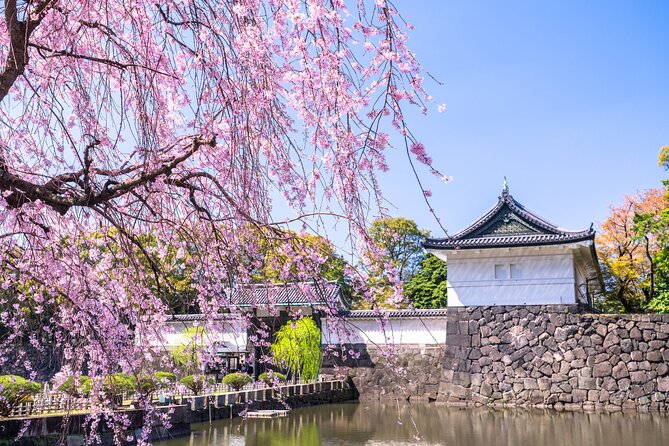
- Castle history in central Tokyo: You see old bridges, garden scenery, historic buildings, and heritage connected with Edo Castle.
- Guide-led context: The guide adds information beyond the posted signs and can answer questions about Japanese history and culture.
- No Inner Palace access: This is an outdoor East Garden visit, not a tour of the private imperial residence.
- Start at Wadakura Fountain National Park: Meet at 3-1 Kōkyogaien, Chiyoda City.
- Plan around security checks: Bags are inspected, and knives or similar items must be stored before you arrive.
Why the East Garden makes a good Tokyo break
Tokyo can press hard on your senses. Trains, towers, department stores, crowds, and neon fill much of the city. The Imperial Palace East Garden offers a slower two hours, with open paths, plants, old stonework, and space to listen.
The setting also gives you a useful history lesson without asking you to sit in a museum. You are walking on grounds tied to Edo Castle and the imperial family. That physical setting matters. A guide can point to a bridge or old structure and explain why it belongs in the story, rather than leaving you to read a short sign and move on.
I especially like this kind of tour early in a Tokyo stay. It helps you understand the city’s past before you visit districts such as Asakusa, Ueno, or Tsukiji. It also works well after a few busy days, when a calm garden walk sounds better than another packed shopping street.
The tour is not designed as a grand palace interior visit. The East Garden is the part you can explore here. You will not enter the Inner Palace, so book it for outdoor scenery and historical explanation, not for rooms, ceremonies, or a look inside the private imperial residence.
A few more Tokyo tours and experiences worth a look


Starting at Wadakura Fountain National Park
The meeting point is Wadakura Fountain National Park at 3-1 Kōkyogaien in Chiyoda City. The tour ends at the same meeting point, which keeps the day easy to plan. You do not need to arrange a separate pickup or work out where the guide will leave you.
The supplied information says the location is near public transportation, but it does not name a specific station or give detailed walking directions. I would check the meeting map carefully before leaving your hotel and allow time to find the fountain area. Central Tokyo is easy to reach in general, but large palace grounds can make a five-minute map estimate less dependable.
Arrive ready for an outdoor walk. The experience lasts about two hours, and the guide is the only listed inclusion. Admission is shown as free in the tour details, so there is no separate paid attraction ticket described for the route.
Walking through Edo Castle’s former grounds
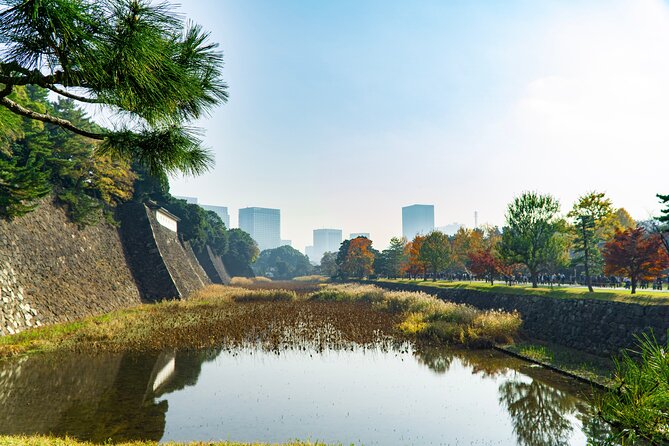
The main stop is the Imperial Palace and its East Garden. You walk through an area where nature and old structures share the same space. The route includes a Japanese garden, an old bridge, historic buildings, and heritage connected with the palace.
The Edo Castle connection is the key. Before the imperial palace became the symbol most people associate with Tokyo, this area was tied to the Tokugawa shogunate and Edo, the city that grew into modern Tokyo. The tour’s value comes from following that change over time. You are not only looking at attractive grounds. You are learning how political power shifted and how the site gained its present role.
Your guide should also explain the imperial family and the succession of emperors. One particularly well-received guide, Masahito, gave a detailed account of the palace and imperial family from their origins to the present. That is the sort of added context that can turn a pleasant garden stroll into a meaningful introduction to Japanese history.
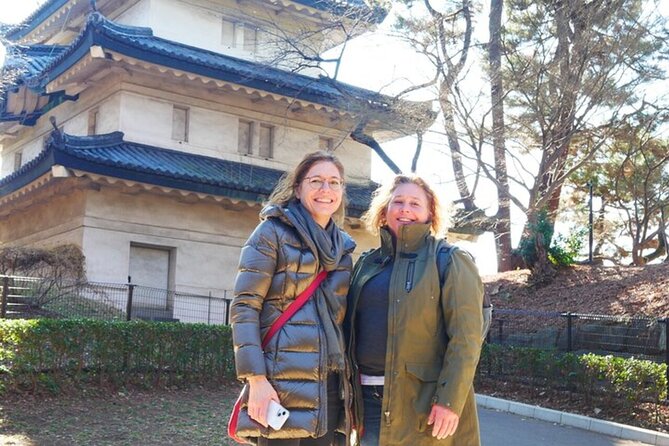
Two instructors have also led one booking and helped with questions about history and culture. They spoke English well and even took pictures at several sites. That is encouraging for English-speaking visitors, but guide assignments can change. One less positive experience involved a guide whose English and palace knowledge did not fully match the needs of the group. I would keep expectations sensible: the tour has had strong guide feedback overall, but the quality of explanation may depend on who leads your departure.
What the gardens and bridges add
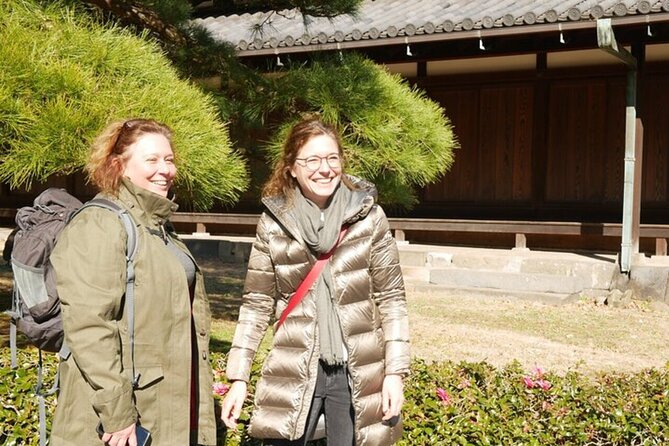
The gardens provide a visual pause between history lessons. You can see Japanese garden design, greenery, and an old bridge while hearing how the grounds relate to the palace. This mix suits people who like history best when it is tied to a real place.
The natural setting is also the reason this tour feels different from a standard city walk. You are still in central Tokyo, yet the pace is gentler. The garden does not replace a major temple or a full museum visit, but it gives you a pleasant way to reset between urban stops.
Do not expect a botanical tour unless the guide specifically makes plants a focus. The available details emphasize history, architecture, the imperial family, and heritage. The garden scenery is part of the setting, not a separate specialist subject.
The old bridge and historic buildings make useful photo stops, and the guides on one departure took pictures for the group. You can ask your own guide about photography, but picture-taking assistance is not listed as a guaranteed feature.
What you will and will not see
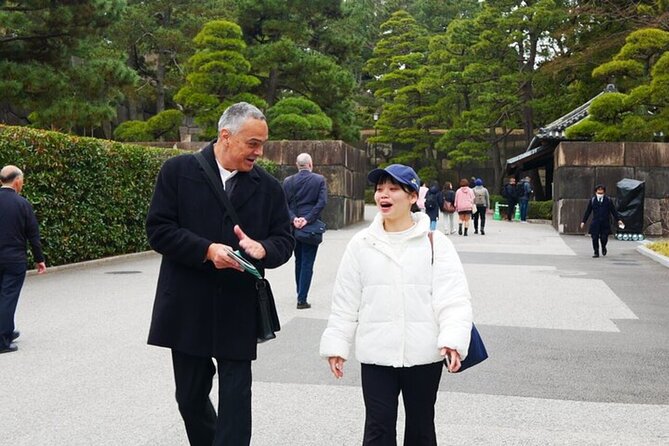
The most important booking detail is the access limit. This tour does not go inside the Imperial Palace or the Inner Palace. You remain in the East Garden and surrounding outdoor grounds.
That limitation is not necessarily a flaw. The East Garden offers the part of the palace complex that can be visited on this walk, and the two-hour format keeps the experience light. Still, if your main goal is to see imperial interiors, official rooms, or private palace spaces, this is the wrong product.
The wording can create confusion because the tour is described with both Edo Castle and Imperial Palace language. Think of it as a guided walk around the historic palace grounds, including the East Garden, with attention to the site’s earlier castle identity. It is not a full Edo Castle reconstruction visit, and it is not a behind-the-scenes imperial tour.





How the guide affects the experience
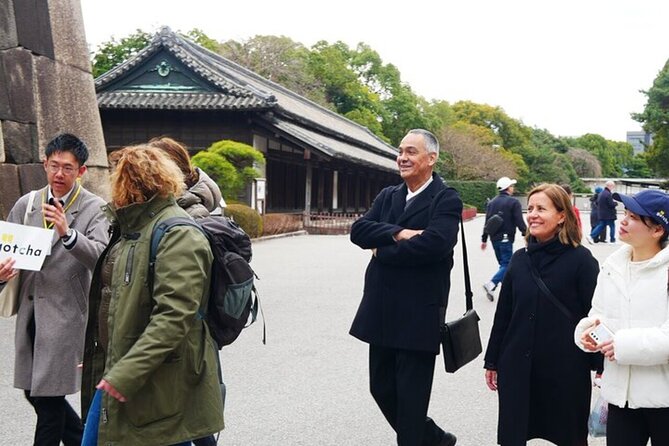
A guide makes the biggest difference here. The grounds may be attractive on their own, but the story gives them purpose. A good explanation can connect the castle site, the imperial family, Japanese political history, and the details you see along the way.
The strongest feedback centers on friendly, clear instruction. Masahito was singled out for his history of the palace and imperial family. Another guide-led visit went beyond the information on posted signs and answered questions about culture. Those are useful strengths for first-time visitors who want more than photographs.
The weaker experience points to a practical risk: English ability and subject knowledge may vary. This is not a reason to dismiss the tour, especially with a published rating of 4.7 out of 5 and a 92 percent recommendation rate. It is a reason to treat the guide as an important variable and to ask questions during the walk if you need more detail.
The group limit is 50 people. That is a maximum, not a promise that every departure will reach it, but you should understand that this is not necessarily a private or intimate walk. If you prefer a quiet conversation with a guide, check the group arrangement when booking or consider whether a private option is available.
Is $43.11 a fair price?
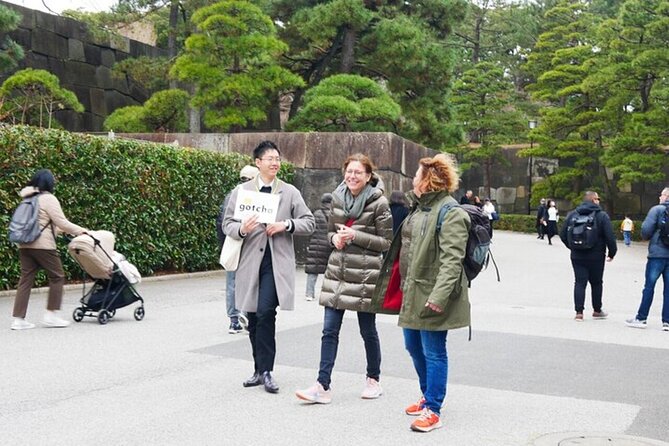
At $43.11 per person, you are paying mainly for guided interpretation and the ease of following a planned route. The tour does not list meals, transport, special entry, or private access. Its value depends on how much you want historical context and how comfortable you are exploring the gardens independently.
For a first visit to Tokyo, the price can make sense. You get two hours with a guide who can explain the site, help you notice details, and answer questions. If you would otherwise walk through the grounds without understanding their connection to Edo Castle and the imperial family, the extra context may justify the cost.
For a confident independent visitor, the calculation is different. Since there is no Inner Palace entry and the route is outdoors, you may decide to visit the East Garden on your own and save the money. The guided version becomes more attractive if you want a structured introduction, have limited time, or prefer learning through conversation rather than reading signs.
Group discounts are available, which may improve the value for families or friends booking together. The tour also offers a mobile ticket, so you do not need to manage a paper voucher.
Timing, closures, and security checks
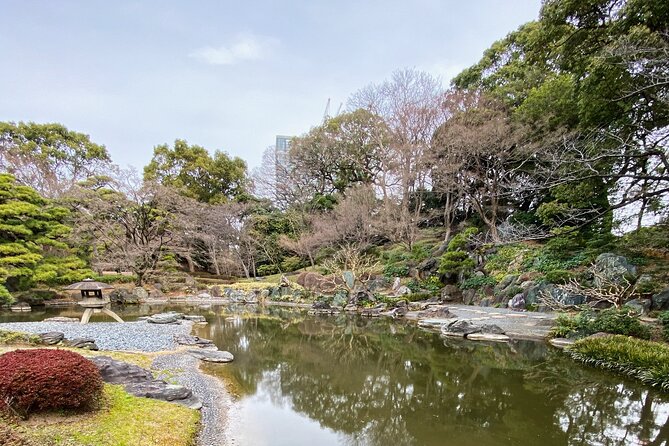
The East Garden is closed on Mondays and Fridays. Check your Tokyo schedule before booking, because this is a firm access issue rather than a minor inconvenience. The tour cannot work as planned if the garden is closed.
You should also prepare for a baggage inspection at the palace grounds. If you have bought Japanese knives or another item that could be used as a weapon at Tsukiji, Asakusa, or elsewhere, leave it in a coin locker or another secure place before meeting the group.
This warning is easy to overlook, especially if you plan a food market visit earlier in the day. Build your day in the right order. Visit the palace before collecting restricted purchases, or store them before you arrive.
The tour is near public transportation, and most people can participate. Service animals are allowed. No special physical limitations are stated, so if you have concerns about walking or standing, ask the operator before booking rather than assuming the route will suit you.
Who will enjoy this walk most
I would recommend this tour to first-time Tokyo visitors who want a clear introduction to the city’s royal and castle history. It also suits anyone who wants a calm outdoor activity after crowded urban sightseeing.
You are likely to get the most from it if you:
- Enjoy history but prefer seeing real places to sitting in a lecture
- Want a guide to explain the imperial family and Edo Castle connection
- Have about two hours available in central Tokyo
- Like garden scenery, bridges, and historic structures
- Are comfortable with a group tour and outdoor walking
- Understand that the Inner Palace is not included
Families may appreciate the short length and the open setting, though the educational value depends on how well the children engage with history. Couples and solo visitors who want a relaxed change of pace should also find the format manageable.
I would look elsewhere if you need a private guide, guaranteed specialist-level English, or access inside the palace. The tour can be strong, but those needs are not promised by the details provided.
Cancellation and booking points to remember
You can cancel free of charge up to 24 hours before the experience starts for a full refund. Cancellations or changes made less than 24 hours before the start time are not refunded or accepted, and the cut-off follows Tokyo local time.
The activity requires a minimum number of participants. If the operator cancels because that minimum is not reached, you will be offered another date or experience, or receive a full refund.
Confirmation arrives at booking, and the mobile ticket makes the practical side simple. Just check the date, avoid Monday and Friday departures, and deal with any knife or similar item before entering the grounds.
Should you book the Imperial Palace East Garden tour?
Book it if you want a gentle two-hour introduction to Tokyo’s imperial and castle past, with a guide to explain what you are seeing. The setting gives you gardens, bridges, and historic remains, while the strongest guide experiences add useful detail about the imperial family and Japanese culture.
The price is fair for guided interpretation, but not for special access. You are buying the explanation, not entry into the Inner Palace. I would choose this tour early in a Tokyo visit, especially if you want to slow down after a packed day of city sightseeing.
Before you commit, confirm the meeting point, check that your date is not Monday or Friday, and store any knife purchase before arrival. With those points covered, this is a practical, low-stress way to make sense of an important corner of Tokyo.
FAQ
How long does the Imperial Palace East Garden tour last?
The tour lasts approximately two hours.
Where does the tour begin?
It begins at Wadakura Fountain National Park, 3-1 Kōkyogaien, Chiyoda City, Tokyo 100-0002, Japan.
Where does the tour end?
The activity ends back at the meeting point.
Does the tour enter the Inner Palace?
No. The tour does not enter the Inner Palace or the interior of the Imperial Palace.
Is the East Garden open every day?
No. The East Garden is closed on Mondays and Fridays.
What is included in the price?
A tour guide is included. The details list the admission ticket as free.
How many people can join the tour?
The maximum group size is 50 people.
Are bags inspected before entering the palace grounds?
Yes. Visitors are subject to a baggage inspection when entering the Imperial Palace grounds.
Can I cancel for a full refund?
Yes. You can cancel at least 24 hours before the start time for a full refund. Cancellations made less than 24 hours before the start time are not refunded.
More Imperial Palace & Shogun Tours in Tokyo



More tours in Tokyo we've reviewed






Imperial Palace & Shogun Tours, compared.
 ★ 4.9Tokyo: Imperial Palace Japanese History Walking TourFrom $32
 ★ 4.9Tokyo: Imperial Palace and Shogun Walking TourFrom $162 hours
 ★ 5.0Imperial Palace East Garden and Edo Castle Walking Tour in TokyoFrom $25
 ★ 4.8Tokyo: Imperial Palace East Gardens Walking TourFrom $192h 30m
 ★ 4.5Tokyo: Imperial Palace, Sensō-ji Temple, & Tokyo Tower TourFrom $404 hours
 ★ 5.0Tokyo Castle, Imperial Palace, Shogun & Garden Walking TourFrom $31