Reviewed · FULL-DAY
Tokyo Private Customizable Full Day Tour
Tokyo is too large for one fixed sightseeing route, so this private tour puts the day in your hands. You choose four or five sights from a broad list, then your guide arranges the schedule, bookings, and city transport. I like the one-to-one attention and the chance to mix major sights with places that fit your interests.
In This Article
- Key points
- A Tokyo day built around your priorities
- Why four or five stops is the right limit
- Tsukiji Outer Market for an early start
- Akihabara, Tokyo’s electronics and manga center
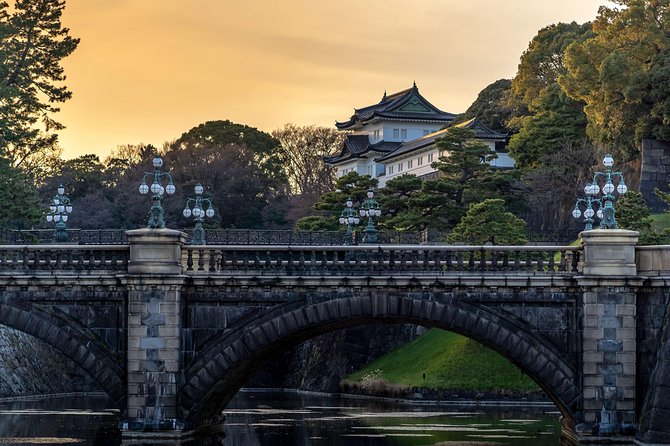
- The Imperial Palace and the former Edo Castle
- Sensoji and the Nakamise-dori approach
- Tokyo Skytree and the high view
- Ueno Park and old Tokyo in Yanaka
- Ginza, Shibuya, and the modern city
- Meiji Shrine and Shinjuku Gyoen
- Lunch and the value of local help
- Public transportation or private vehicle
- Booking, planning, and cancellation details
- Who should book this private Tokyo day?
- Should you book it?
- FAQ
- What time does the tour start?
- How long does the tour last?
- How many sights can I choose?
- Is hotel pickup included?
- Is transportation included?
- Are meals and admission fees included?
I also like the practical help. One guide arrived promptly with a sign, had prepaid metro tickets ready, and kept close watch through a busy day. The main drawback is simple: eight hours is not enough for every place on the list, and optional admissions, meals, and special activities cost extra.
Key points
- Choose four or five Tokyo sights: Build your day around food, temples, gardens, shopping, modern architecture, or a mix.
- Hotel pickup and drop-off: Start at 8:00 am from your hotel and finish back at the meeting point.
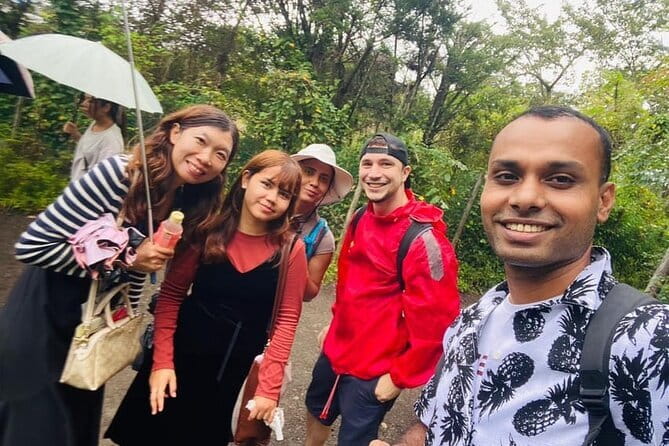
- A private English-speaking guide: Your group gets the guide’s full attention rather than following a large crowd.
- Transport is arranged for you: Travel within Tokyo by public transportation or private vehicle, depending on your booking.
- Bookings can be handled in advance: Restaurant and venue requests may be organized as part of the custom planning.
- Plan early: The operator recommends booking about three months ahead, especially if you want meals or timed attractions arranged.
A Tokyo day built around your priorities
At $250.83 per person, this is not a budget sightseeing ride. You are paying for private planning, a full eight hours, hotel pickup and drop-off, an English-speaking guide, and help with reservations and transport.
The value improves if you are traveling with family or a small group and want to avoid spending hours sorting out Tokyo’s rail lines, ticket machines, and huge stations. Group discounts are offered, though the final price depends on the size of your party and any extras.
I would not book this simply to save money. Tokyo’s public transportation is excellent, and independent visitors can see several major places for far less. I would book it to save planning time, reduce decision fatigue, and make one carefully organized day out of a city that can feel scattered on a first visit.
The tour is private, so only your group takes part. That matters if you have children, older relatives, different walking speeds, or strong opinions about food and shopping. It also means you can spend more time at one favorite stop and less time at a place that does not suit you.
Other private tours in Tokyo

Why four or five stops is the right limit
The sightseeing list is long, but the tour includes only four or five sites. That limit is sensible. Tokyo’s attractions are spread across different districts, and moving between them takes time even when your guide handles the route.
A good day might pair Tsukiji Outer Market with Asakusa, then continue to the Imperial Palace and Shibuya. Another could focus on gardens and traditional Tokyo, using Shinjuku Gyoen, Meiji Shrine, Ueno Park, and Yanaka. You can also build a modern-city day around Akihabara, Tokyo Skytree, Ginza, Shibuya, and Shinjuku.
Before the tour, you receive a custom form asking what you have already seen and what you would like to visit. Fill it out carefully at least seven days before the tour date. Your answers help the operator shape a useful day instead of sending you to places you have already covered.
The most important decision is not which five places sound impressive on paper. It is which five fit together without turning the day into a race between train stations.
Tsukiji Outer Market for an early start
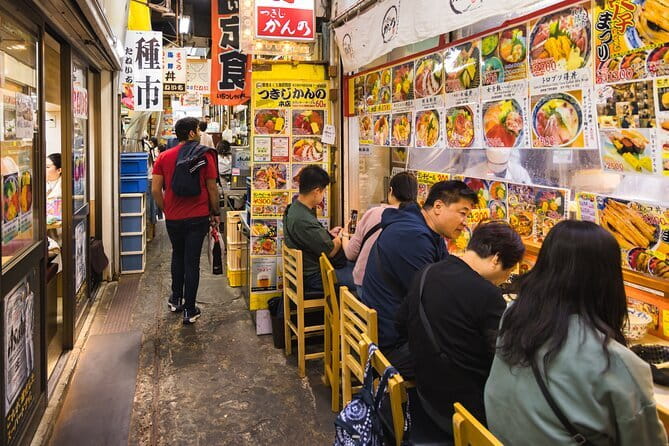
Tsukiji Outer Market is a strong morning choice, especially if food is one of your reasons for visiting Japan. The market is known for fresh seafood and was once linked to Tokyo’s famous tuna auctions.
This is a good place to ask your guide about the foods you are seeing, how to order, and which stalls fit your comfort level. Food and drinks are not included, so plan to pay directly for anything you eat.
Tsukiji can also set the tone for the whole day. It feels more immediate than a formal monument, and it gives you a taste of everyday buying, cooking, and eating. The tradeoff is that a market visit can take as much time as you allow. If you linger over food, you may need to drop another stop.
Akihabara, Tokyo’s electronics and manga center
Akihabara is the choice for electronics, anime, manga, and Japan’s otaku culture. It gives your day a very different feel from temples and gardens.
You will get the most from this stop if you already know what interests you. The district can be overwhelming if you simply wander through shop after shop, so tell your guide whether you want electronics, manga, or a quick look at the area’s character.
Akihabara is also a reminder that Tokyo cannot be reduced to shrines and old streets. It represents the city’s modern popular culture, but it may not be a priority for visitors who prefer gardens, food, or architecture.
The Imperial Palace and the former Edo Castle
The Imperial Palace sits on the site of the former Edo Castle and remains the residence of Japan’s Imperial Family. It is an obvious choice for first-time visitors who want a broad sense of Tokyo’s political and royal past.
Do not expect the entire palace complex to function like a standard museum visit. The value is in the setting, grounds, and connection to Edo, the old name for Tokyo. Your guide can help you understand what you are seeing and keep the visit moving within the eight-hour limit.
This stop pairs well with Ginza because both are central and polished, but the two experiences are quite different. The palace offers open space and historical context. Ginza offers department stores, luxury shopping, and city life.
A few more Tokyo tours and experiences worth a look


Sensoji and the Nakamise-dori approach
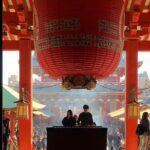
Sensoji is Tokyo’s oldest and most important Buddhist temple, with origins dating to 645. The approach along Nakamise-dori is lined with shops, some with more than a century of history.
This is one of the best choices for a first Tokyo day because it combines a major religious site with an active shopping street. You can see the temple, browse traditional goods, and get a clear sense of how tourism and local custom meet in Asakusa.
Expect crowds, especially around the main temple area. Your guide’s help is useful here because there is plenty to look at, and a short explanation can give the buildings and rituals more meaning. If you want quiet, do not combine this with too many other crowded districts.
Tokyo Skytree and the high view
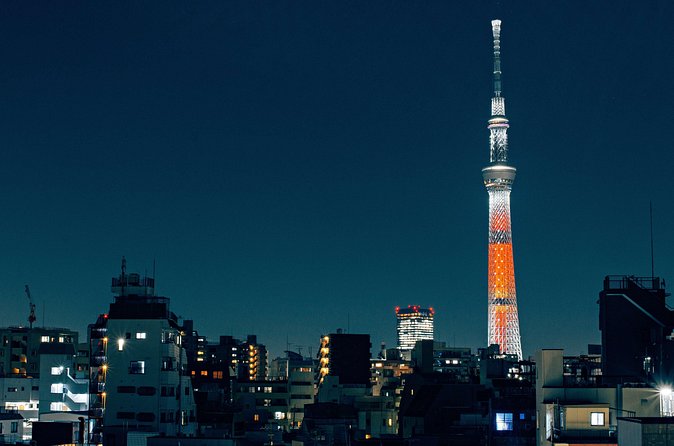
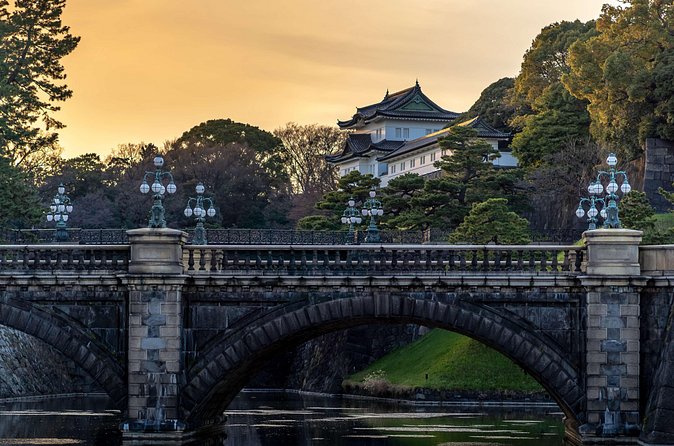
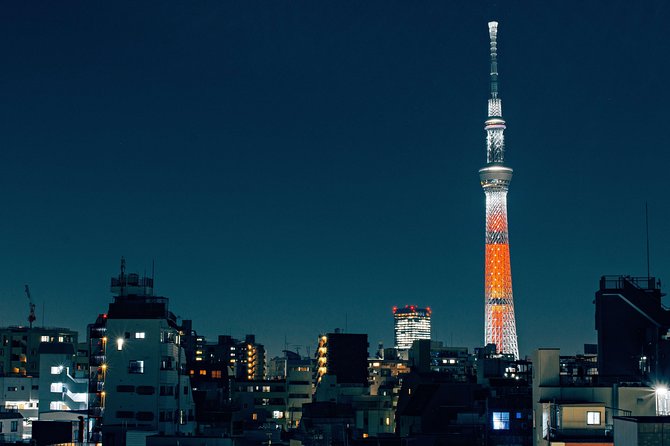
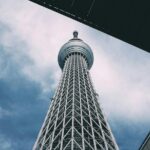
Tokyo Skytree is Japan’s tallest structure and reaches an observation level at about 450 meters. It is also described as a symbol of Japan’s postwar rebirth.
The high view is the draw. On a clear day, you get a broad look across Tokyo rather than the close-up street view offered by Shibuya or Asakusa. The contrast can help you understand how vast the city really is.
Optional tours and activities are not included, so check whether admission to an observation deck is part of your booking. A timed visit can also affect the rest of the day. If Skytree is a must, tell the operator early so reservations can be considered.
The tower is a better choice for people who value city views than for visitors who want maximum time at street level. Weather also matters, so keep your expectations flexible.
Ueno Park and old Tokyo in Yanaka
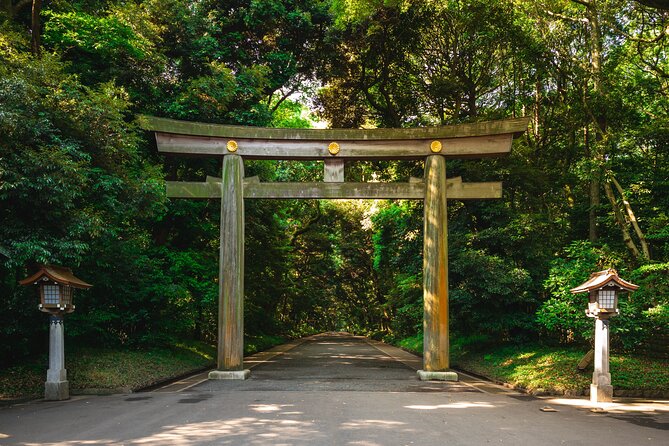
Ueno Park was originally owned by the ruling Tokugawa clan. Today, it offers a large green break from Tokyo’s dense streets and can be combined with Yanaka, a district known for its pleasant old-Tokyo atmosphere.
This pairing gives you a slower, more textured day. Ueno provides open parkland and a sense of Tokyo’s older public spaces. Yanaka, within walking distance of Ueno Park, offers a more local-feeling district than the city’s giant commercial centers.
Choose this route if you prefer walking, neighborhood character, and a less polished side of Tokyo. It may not suit you if your main goal is to collect famous skyline views or major shopping districts.
Because the tour requires a moderate level of physical fitness, consider how much walking you want before selecting several outdoor stops. Wear comfortable shoes and dress for changing weather.
Ginza, Shibuya, and the modern city
Ginza is Tokyo’s premier shopping district. It is the right pick for department stores, fashion, polished streets, and a central city atmosphere.
Shibuya gives you a different kind of modern Tokyo. Shibuya Crossing and the Hachiko statue are among the city’s best-known sights, and the district around them is packed with movement, shops, and rail connections.
These areas are easy to recognize, but they can feel similar if placed together in one rushed day. I would choose Ginza for shopping and Shibuya for the crossing, then use the remaining time for a temple, garden, or market.
Shibuya is also a practical place to see how Tokyo’s transportation system shapes daily life. The area around the station is huge, so having a guide meet you at the right place can save time and confusion.
Meiji Shrine and Shinjuku Gyoen
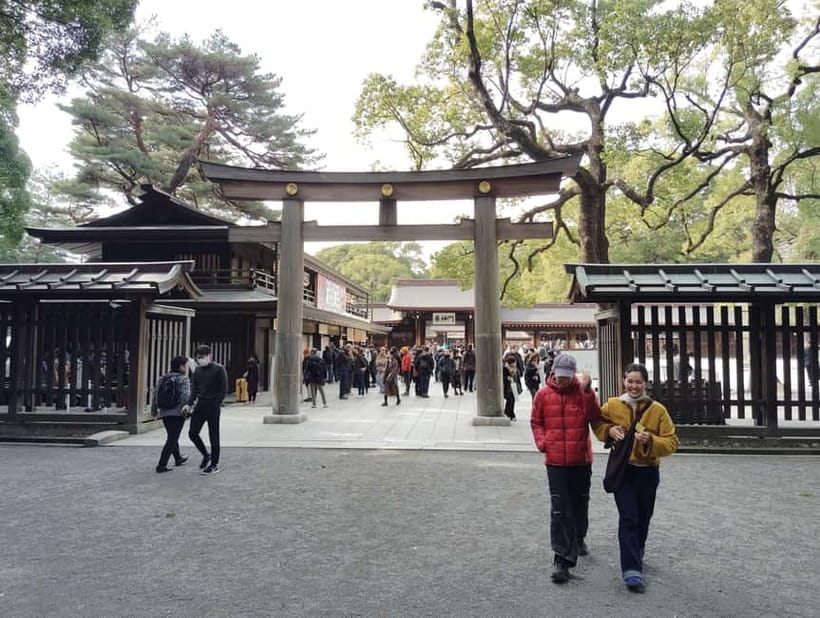
Meiji Shrine is Tokyo’s most important Shinto shrine. It gives you a quieter religious setting and makes a useful counterpoint to Shibuya, which is nearby in the broad sense but completely different in mood.
Shinjuku Gyoen National Garden is one of Tokyo’s largest and most popular parks. It is a good choice if you want lawns, garden paths, and a break from concrete and crowds.
Both sites require time on foot. You should not expect to rush through them and still get much from the visit. If you like gardens and calm spaces, they could form the heart of your day. If you have limited time in Tokyo and want famous urban sights, you may prefer one garden and one major district.
Shinjuku itself centers on the world’s busiest railway station. The district offers an intense look at modern Tokyo, but the station and surrounding streets can consume time. Your guide’s route planning matters here.
Lunch and the value of local help
Meals are not included, but lunch can become one of the best parts of the day if you ask for a traditional Japanese restaurant. A particularly memorable version of this tour included lunch at a traditional restaurant, an appealing option for anyone who plans trips around food.
Do not assume a meal reservation is automatic. Restaurant requests are part of the advance planning process, and the operator recommends booking early when reservations are needed.
This is where a private guide offers more than directions. You can explain what you eat, what you avoid, and how much time you want to spend at lunch. The final choices depend on availability and any extra costs, but the planning support can be worth more than another monument.
Public transportation or private vehicle
Transportation within Tokyo is included, but the mode depends on your booking. You may travel by public transportation or private vehicle.
Public transportation is likely to keep you close to the real rhythm of Tokyo, and one guide was able to provide prepaid metro tickets during the day. That small detail can matter. It removes one task at crowded stations and lets you focus on following the route.
A private vehicle may feel easier for a group carrying bags or managing mobility concerns, but traffic can affect timing. The tour does not promise unlimited driving or transportation outside Tokyo.
Hotel pickup and drop-off are included. The start time is 8:00 am, and you should be ready at least 10 minutes early. The guide waits for up to 30 minutes after the start time, after which the tour may be canceled.
Booking, planning, and cancellation details
This tour is booked, on average, 41 days ahead. That timing makes sense because custom planning takes work, particularly if you want restaurant or venue reservations.
The operator recommends booking ideally three months before your visit, or at least one month ahead. Requests made within seven days may not be possible to arrange. Confirmation is normally sent at booking, but bookings made within seven days may receive confirmation within 48 hours and remain subject to availability.
Pay close attention to the cancellation terms before paying. The supplied terms include a 25 percent fee within 30 days, 50 percent within 21 days, and 100 percent within 14 days. They also state that 15 percent of the total service fee becomes nonrefundable after the custom plan has been sent, while the main cancellation statement describes the experience as nonrefundable and unchangeable.
Because those terms are not perfectly consistent, ask the operator to confirm the rule that applies to your booking. Optional admissions, activities, food, drinks, and gratuities are extra.
Who should book this private Tokyo day?
I would recommend this for a first visit, a small family group, or anyone who wants Tokyo organized around personal interests. It is especially useful if you want a mix of food, temples, gardens, shopping, and modern city sights without planning every train connection yourself.
It also suits people who value an English-speaking guide’s full attention. A prompt meeting with a sign, prepaid metro tickets, and close support through a busy day can make Tokyo less tiring.
I would skip it if you enjoy building your own rail routes, have a tight budget, or want to visit more than five major sites. Independent sightseeing will cost less, and Tokyo rewards unplanned wandering when you have several days.
Should you book it?
Book this tour if you want one carefully arranged Tokyo day and are willing to pay for private service. Send clear preferences, name the sights you have already visited, and request any meal or venue bookings well in advance.
The strongest reason to choose it is not the number of stops. It is the chance to shape the day around you, with a guide handling the practical work. Just keep the list to four or five places, budget for admissions and meals, and confirm the cancellation terms before committing.
FAQ
What time does the tour start?
The tour starts at 8:00 am. You should arrive at the meeting location at least 10 minutes early.
How long does the tour last?
The tour lasts approximately eight hours and ends back at the meeting point.
How many sights can I choose?
The included service allows you to choose four to five sites for a personalized Tokyo tour.
Is hotel pickup included?
Yes. Hotel pickup and drop-off are included.
Is transportation included?
Transportation within Tokyo is included. Depending on your booking, it may be provided by public transportation or private vehicle.
Are meals and admission fees included?
No. Meals, food, drinks, gratuities, and fees for optional tours or activities are not included.
More Full-Day in Tokyo
More Private Tours in Tokyo
More tours in Tokyo we've reviewed





Full-Day, compared.
 ★ 4.5From Tokyo: Mount Fuji Full-Day Sightseeing TripFrom $6810 hours
 ★ 4.9From Tokyo: Mount Fuji Full Day Customizable Private TourFrom $407
 ★ 5.0Tokyo Private Full-Day Tour by Car or VanFrom $321
 ★ 4.5Tokyo: Mt. Fuji and Kawaguchiko Full-Day English Guided TourFrom $82
 ★ 4.7From Tokyo: Must-Visit Mount Fuji Highlight Full-Day TourFrom $6911 hours
 ★ 4.5Mt. Fuji, Hakone Full-Day Private Tour with English Driver GuideFrom $495