
Reviewed · SHIBUYA TOURS
Tokyo: Tea Ceremony in Shibuya Tokyo
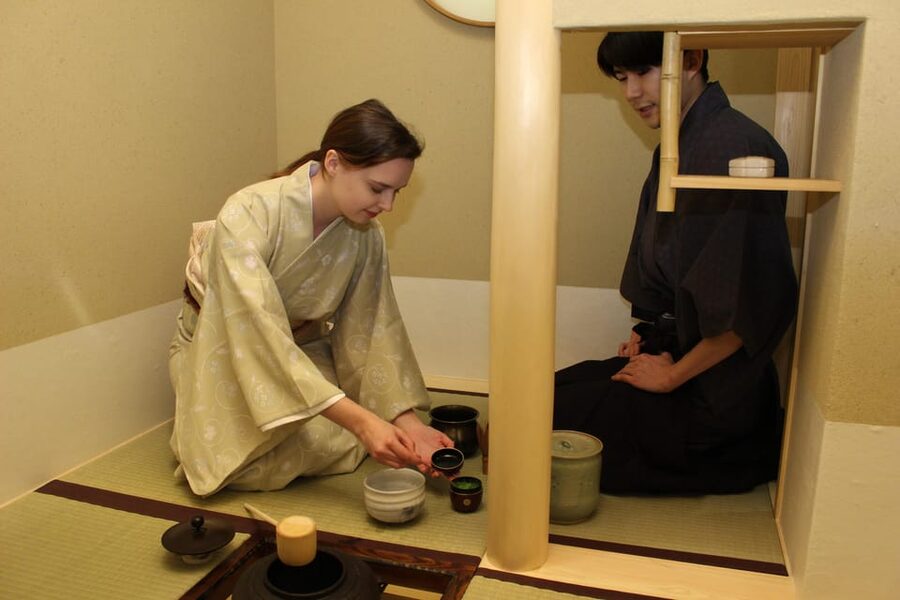
The most appealing part of this Shibuya experience is its private tea room setting. Instead of sitting in a large class, you share the session with only your own family or friends, from one to four people. An English-speaking teacher explains the ceremony, performs Otemae, and then lets you prepare your own matcha.
In This Article
- Key points at a glance
- Why this tea ceremony works in central Tokyo
- Entering the tea room and learning the rules
- Watching Otemae, the formal tea preparation
- Tasting Japanese sweets before the matcha
- Making and drinking your own matcha
- Mako-san and the teaching style
- Kimono rental and unusual souvenirs
- Is $81 per person good value?
- Timing, clothing, and booking details
- Who should choose this experience?
- Should you book the Shibuya tea ceremony?
- FAQ
- Where does the tea ceremony take place?
- How many people can join one booking?
- Is the tea ceremony conducted in English?
- What happens during the activity?
- Are tea and sweets included in the price?
- Do I need to bring anything?
- Can I wear a kimono?
- Is pickup service available?
- Can I cancel the booking for a refund?
I like the clear hands-on format, and I like that the price includes the tea, traditional sweets, facility costs, and taxes. The teachers have experience with tea, and Mako-san is praised for her calm, charming instruction. The main consideration is the price: at $81 per person, this is not a quick, cheap taste of matcha, though the private format gives it better value for a small group.
Key points at a glance
- Private groups of one to four: You are not mixed with strangers, making this a comfortable choice for families and friends.
- English-speaking instruction: The teacher explains the ceremony’s history, etiquette, and Otemae in English.
- You make your own matcha: This is not only a demonstration. You prepare the tea yourself and drink it with a Japanese sweet.
- A calm Shibuya cultural break: The tea room offers a quieter change of pace from sightseeing in one of Tokyo’s busiest districts.
- Kimono and souvenirs: Kimono wear is available for an extra charge, and you can find souvenirs including Pokemon items made from kimono material.
- Pickup may be arranged: A pickup service is available if needed, but you must contact the provider by email before booking.
Why this tea ceremony works in central Tokyo
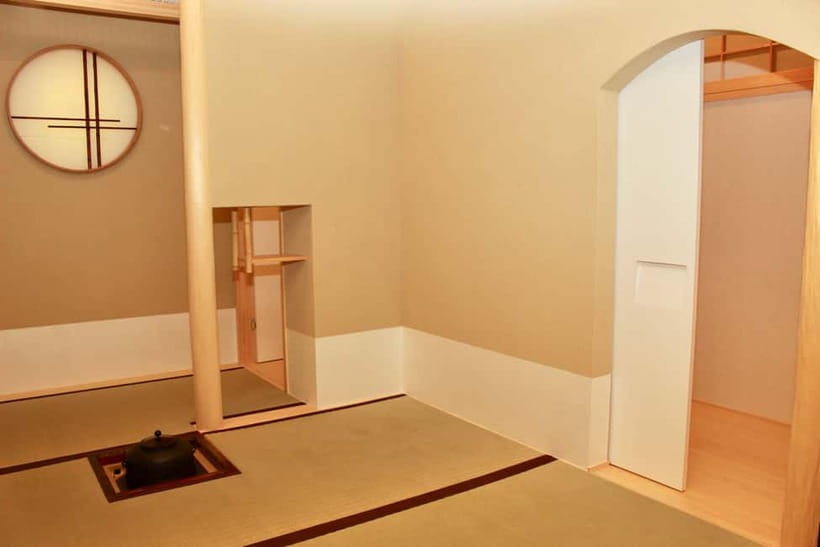
Shibuya is best known for its crossing, department stores, nightlife, and packed streets. This activity gives you a different side of the district. You enter a formal tea room, slow down, and pay attention to small actions that are easy to miss when Japanese culture is presented only as a photo stop.
The session is built around participation rather than watching from the side. You learn why the ceremony has rules, see how the teacher handles the utensils, and then try the process yourself. That progression matters. A tea ceremony can seem mysterious if you only watch it, but the explanation makes the gestures easier to understand.
This is also a useful option if you have limited time in Tokyo. You do not need to travel out to a rural tea house or dedicate a full day to the activity. The setting is in Shibuya, and the experience focuses on one traditional art rather than trying to pack several cultural activities into one schedule.
The private arrangement is a real advantage. With a maximum of four people, your teacher can keep the pace suitable for your group. Children may find the opportunity to whisk their own tea more engaging than a long lecture, while adults can ask questions about etiquette and the background of the ceremony.
A few more Tokyo tours and experiences worth a look


Entering the tea room and learning the rules
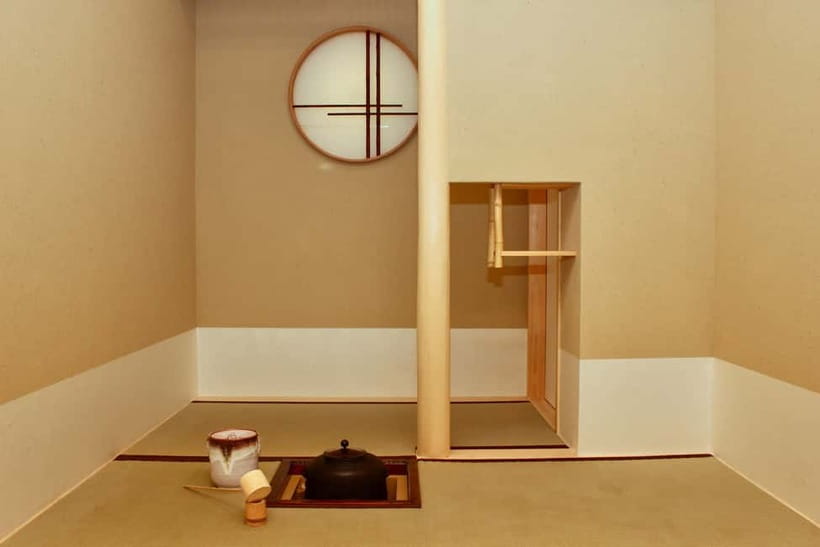
The first part is an explanation of the tea ceremony, its history, and its etiquette. This gives you the basic framework before the tea is prepared. You learn that the ceremony is not simply about drinking powdered green tea. The order of actions, the way objects are handled, and the attention given to the guest all have a purpose.
The teacher is English-speaking, so you can follow the explanation without relying on a translation app. That makes a difference with a tradition where small gestures carry meaning. You can ask about what you are seeing instead of guessing why a particular movement takes place.
You should expect the introduction to be calm and measured rather than fast-paced. That suits the subject. If your ideal tour is packed with constant movement, this may feel slow. If you want a quiet cultural activity where you can listen and notice details, the pace is part of the appeal.
There is also practical etiquette to consider. Wear a skirt or pants long enough to cover your knees. If your clothing is not suitable, the provider can lend you pants or a wrap skirt at no charge. This is useful, since you do not need to buy special clothing just for the appointment.
Watching Otemae, the formal tea preparation
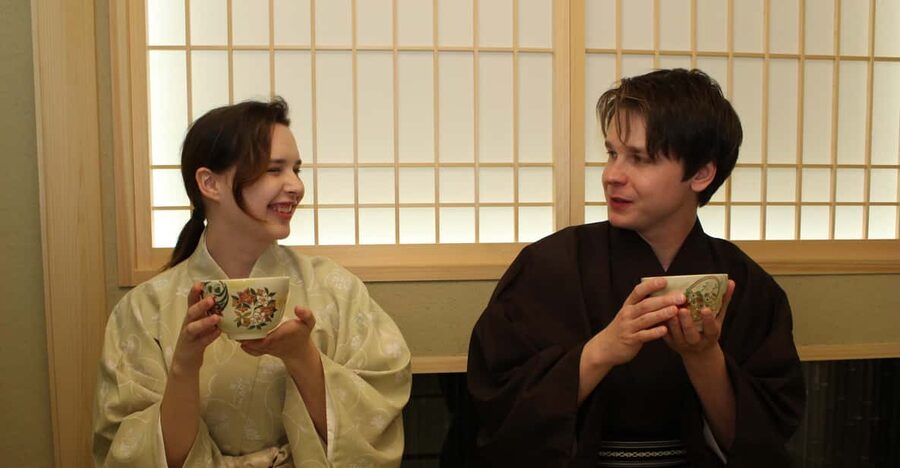
Next comes the teacher’s demonstration of Otemae, the tea-making procedure. This is the most traditional part of the session. A teacher experienced in tea prepares the matcha while explaining what is happening, giving you a chance to watch the rhythm and order before trying it yourself.
The demonstration is worth paying attention to even if your main goal is a photograph. The process is deliberate, and the quiet movements help explain why the ceremony feels different from an ordinary cup of tea. You will see the preparation treated as a focused exchange between host and guest, not as a rushed service.
The teacher may wear a kimono during the ceremony. That adds to the visual sense of occasion, but it is important to separate the teacher’s clothing from guest kimono rental. If you want to wear a kimono yourself, that carries an additional charge and should not be assumed to be part of the $81 price.
A calm demonstration also helps first-time visitors avoid feeling awkward. You do not have to know the etiquette in advance. The teacher explains the setting first, shows the actions, and then guides you through your own turn.
Tasting Japanese sweets before the matcha
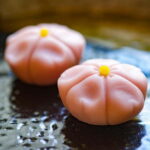
Before you make your tea, you taste traditional Japanese sweets. This is more than a small extra snack. Japanese sweets are commonly served with matcha because their sweetness balances the tea’s sharp, earthy taste.
The order helps your palate. The sweet gives you a point of comparison, and the matcha that follows tastes less severe. If you have only tried matcha in a sweetened latte, the straight tea may surprise you. The sweet makes the contrast easier to appreciate.
The included food is simple but important to the experience. Tea and sweets fees are covered in the price, so you are not paying extra once you are in the room. The exact sweet is not specified, so you should not expect a particular pastry or seasonal item.
This part is also a good chance to ask questions. You can use the time to learn about the role of sweets, the way guests receive them, or the difference between ceremonial matcha and the more familiar drinks sold in cafes.
Making and drinking your own matcha
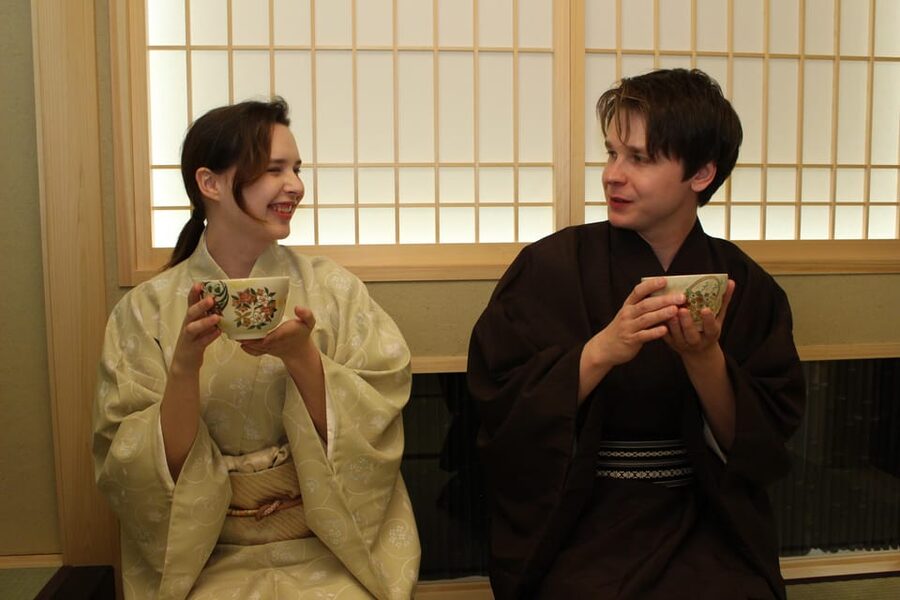
After watching the teacher, you take your turn preparing matcha. The hands-on portion is the heart of the activity. You are not expected to arrive with prior knowledge, and the teacher guides you through the process.
Making the tea yourself changes how you see the demonstration. Actions that looked simple from a distance become more precise when you try them. You need to follow the order, handle the tools carefully, and keep your attention on the preparation.
The experience then comes full circle: you drink the matcha you made. This is a modest achievement, but it gives the session a clear shape. You learn the background, see the formal preparation, taste a sweet, make the tea, and enjoy the result.
The matcha may not suit every palate. Plain matcha can be bitter or grassy, especially if you usually drink tea with milk or sugar. That is not a flaw in the activity, but it is worth knowing. The traditional sweet is there to balance the flavor, and the teacher can help you understand what you are tasting.
A few more Tokyo tours and experiences worth a look



Mako-san and the teaching style
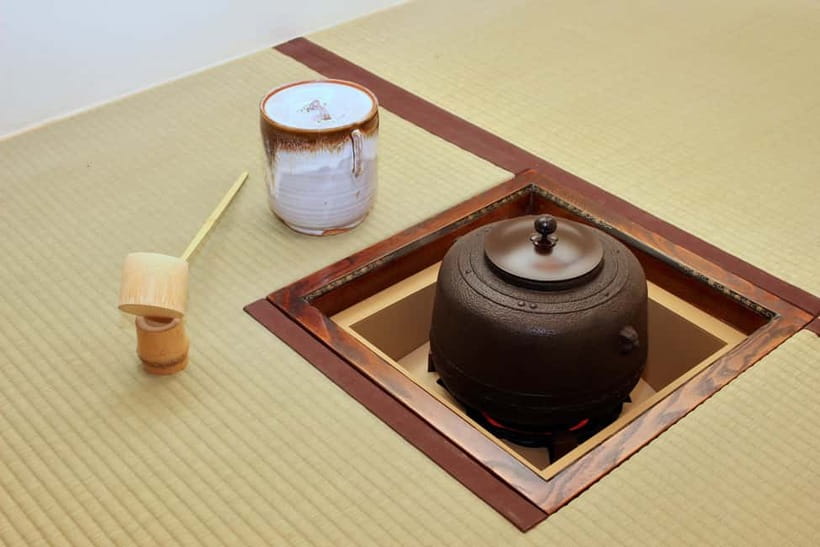
One teacher specifically associated with the experience is Mako-san. She is described as charming and very experienced in explaining the ceremony. Her manner appears to be warm and calm, which is useful in a setting where first-time guests may worry about making a mistake.
The broader program uses English-speaking teachers experienced in tea. Since the exact teacher can depend on the date, you should not assume Mako-san will lead every booking. Still, the presence of English instruction is one of the strongest practical reasons to choose this activity over a ceremony where the explanation is mostly visual.
A private session also gives you more room to interact with the teacher. In a group class, questions can be limited by time or by the number of people waiting for their turn. Here, your group can focus on the parts that interest you most, within the format of the booking.
Kimono rental and unusual souvenirs
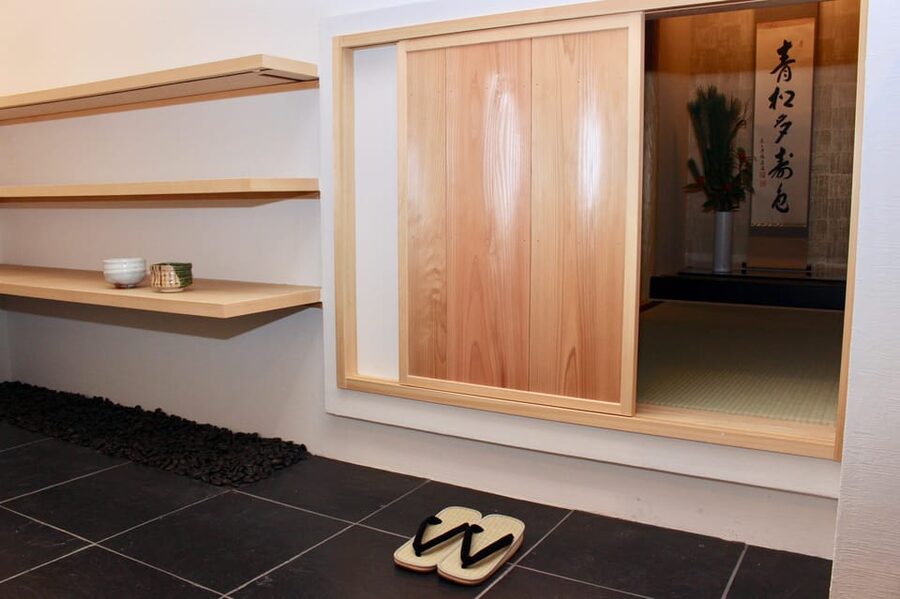
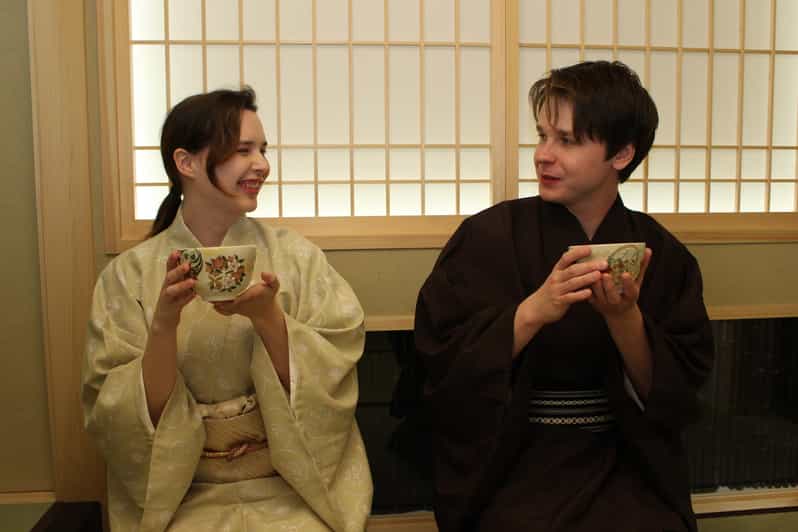
You can add kimono wear for an extra charge. This is a tempting option if photographs are important to you, since the clothing makes the ceremony feel more formal and gives you a stronger visual connection to Japanese dress.
Do not confuse the kimono option with an included feature. The listed price covers tea, sweets, facility charges, and taxes, but kimono rental costs extra. Ask about the charge when arranging your visit, particularly if several people in your group want to dress up.
The venue also offers souvenirs, including Pokemon items made from kimono material. That is a more unusual shopping detail than a standard tea souvenir. It links a familiar modern Japanese character with traditional fabric, making it a practical gift for someone who likes both Japanese pop culture and craftwork.
You may also find tea-related items such as a tea set and matcha. If you want to purchase something, budget separately. Shopping is an optional part of the visit, not a reason to assume the activity includes a gift.
Is $81 per person good value?
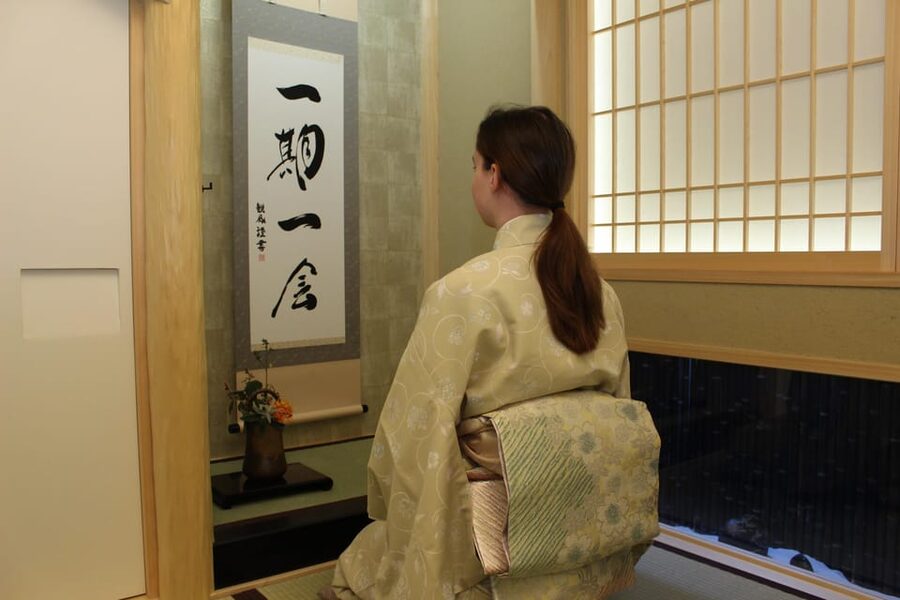
At $81 per person, this tea ceremony sits in the paid cultural experience category rather than the casual activity category. You are paying for a private appointment, an English-speaking teacher, the tea room, instruction, matcha, sweets, facility charges, and taxes.
The value improves if you are booking for two to four people who want a shared activity. A private room removes the uncertainty of being placed with strangers, and each person gets a chance to prepare tea. For a couple or family, that personal format can be worth more than a lower-priced public demonstration.
The price is harder to justify if you only want to taste matcha or take a quick photograph. Tokyo has many inexpensive tea drinks, and this activity is not designed as a simple cafe stop. Its purpose is learning the ceremony and taking part in it.
Pickup service, if needed, is included according to the information provided, but you must contact the provider by email before booking. Since pickup arrangements can affect the practical value of the experience, ask about this in advance rather than relying on a last-minute request.
Timing, clothing, and booking details
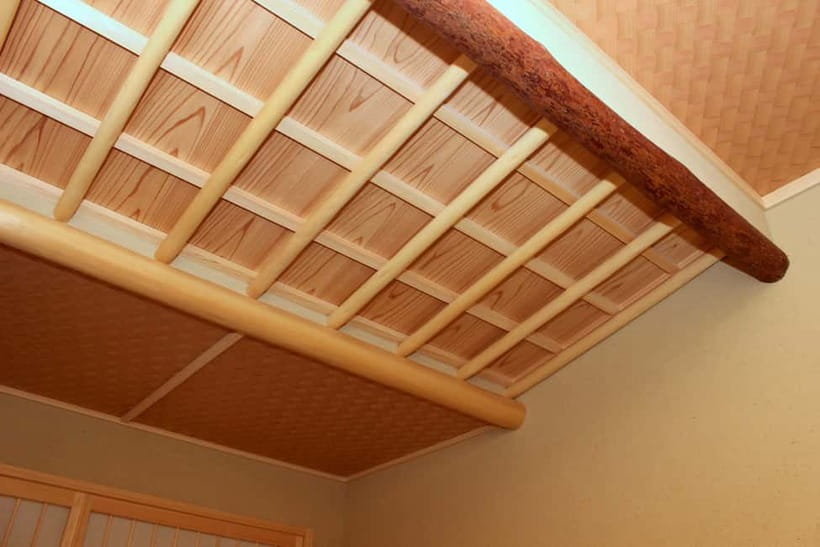
A shorter one-hour format is available, based on the experience described by one participant. The website offers more dates and plans, so the exact length may depend on the option you choose. Check the selected plan carefully before paying.
The minimum and maximum group size is clear: one person can book alone, and a group can include up to four people. All sessions are private, with no mixed groups. This makes the experience suitable for solo visitors who want direct instruction as well as families seeking a shared cultural activity.
You do not need to bring special equipment. Wear clothing that covers your knees, or use the free pants or wrap skirt provided if needed. Comfortable clothing is the sensible choice, especially if you plan to add kimono rental.
Booking and payment are required in advance. The activity offers a reserve-now, pay-later option, and cancellation is allowed up to 24 hours before the appointment for a full refund. Contact the provider at [email protected] before booking if you need pickup or want to clarify kimono rental.
Who should choose this experience?
I would choose this for a first visit to Japan when I wanted a guided introduction to tea ceremony without leaving central Tokyo. It works especially well for couples, families, and small groups of friends who prefer a private setting.
It also suits you if you care about context. The teacher explains the culture and etiquette instead of simply handing you a bowl of matcha. The Otemae demonstration and your own preparation make the activity feel like a lesson in a living tradition.
Families should consider the age and patience of their children. The private format is forgiving, but the ceremony itself is quiet and orderly. Children who enjoy hands-on activities may like making the tea, while very young children may find the formal pace difficult.
Photography-minded visitors may want to add kimono rental, but should count the extra fee. Shoppers interested in Japanese crafts or Pokemon may also enjoy the souvenir selection, though the main value remains the tea lesson.
The activity is less suitable if you want a large social group, a long city tour, or a broad introduction to many parts of Japanese culture. This is a focused session, built around tea, manners, sweets, and careful preparation.
Should you book the Shibuya tea ceremony?
Book it if you want a private, English-language introduction to Japanese tea ceremony and like the idea of making your own matcha. The combination of explanation, Otemae demonstration, sweets, and hands-on practice gives you more substance than a quick tasting.
I would be more cautious if your budget is tight or if you only want a cup of tea. At $81 per person, the activity makes the most sense when you value personal instruction and a quiet setting. For families and small groups, the private format helps support the cost.
The strongest reasons to book are the small group size, the English-speaking teachers, and the chance to take part rather than simply watch. Add kimono rental if that matters to you, and email ahead about pickup. For a calm cultural pause in Shibuya, this is a well-focused choice.
FAQ
Where does the tea ceremony take place?
The experience takes place in Shibuya, Tokyo, on Honshu, Japan.
How many people can join one booking?
Each private booking is for one to four people. Groups are not mixed with other bookings.
Is the tea ceremony conducted in English?
Yes. The classes are led by English-speaking teachers experienced in tea.
What happens during the activity?
You receive an explanation of the tea ceremony, its history, and etiquette. The teacher then demonstrates Otemae, prepares tea, serves traditional Japanese sweets, and guides you as you make your own matcha.
Are tea and sweets included in the price?
Yes. The price includes tea, traditional sweets, facility charges, and taxes.
Do I need to bring anything?
No special items are required. You should wear a skirt or pants long enough to cover your knees. Suitable pants or a wrap skirt can be lent to you for free.
Can I wear a kimono?
Kimono wear is available for an additional charge. It is not included in the stated price.
Is pickup service available?
Pickup service is included if needed, but you must contact the provider by email before booking to arrange it.
Can I cancel the booking for a refund?
You can cancel up to 24 hours in advance for a full refund. A reserve-now, pay-later option is also available.
More Tea Ceremony & Matcha in Tokyo
More Shibuya Tours in Tokyo



More tours in Tokyo we've reviewed






Shibuya Tours, compared.
 ★ 5.0Official Street Go-Kart in ShibuyaFrom $76
 ★ 5.0Shibuya Meltdown Nightlife Tour: All-You-Can-Drink Bar HoppingFrom $106
 ★ 4.9Tokyo: Street Kart Experience in ShibuyaFrom $99
 ★ 5.0Shibuya Official Street Go-Kart in Shibuya AnnexFrom $69
 ★ 5.0Tokyo: Shibuya Food Tour (13 dishes and 4 Eateries)From $77
 ★ 5.0Best of Shibuya Food TourFrom $217


![[1 Group Only] Tokyo Shibuya Food Tour for Family - Center-gai: food, conversation, and a local view](https://tokyoezine.com/wp-content/uploads/2026/08/1-group-only-tokyo-shibuya-food-tour-for-family.jpg)
