Reviewed · WORKSHOPS
Personalized Shakuhachi Lesson with a Master
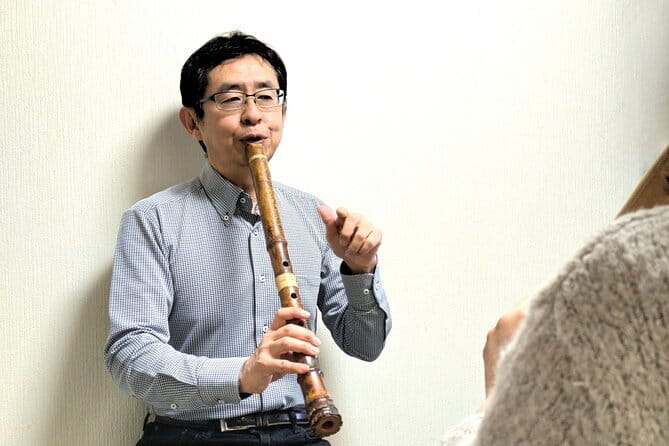
The first surprise with this Tokyo experience is how quickly a simple bamboo flute can humble you. Master Kaizan Harago teaches the shakuhachi, a Japanese end-blown flute played for about 1,300 years, in a private lesson shaped around your level and goals. I like the free instrument rental, and I like that you can ask for basic instruction, help with a stubborn playing problem, or guidance on a classical piece.
In This Article
- Key points to know before booking
- Meeting a master near Kameido Station
- Why Kaizan Harago makes this more than a tourist demonstration
- Your first breath on the shakuhachi
- A practical lesson for self-taught players
- Tozan-ryu, Kinko-ryu, and choosing your focus
- What the free rental means for your budget
- The 50-minute format and what you can realistically learn
- Who will get the most from this experience?
- Booking details worth taking seriously
- Should you book the shakuhachi lesson?
- FAQ
- Where does the shakuhachi lesson begin?
- Where does the activity end?
- How long is the lesson?
- How much does the experience cost?
- Is shakuhachi rental included?
- Can beginners participate?
- Can I ask for help with a playing problem?
- Which shakuhachi school does the instructor teach?
- How many people can join a group lesson?
- Can I cancel or change the booking?
The main drawback is the price: $180 for about 50 minutes is a serious spend for a short lesson. The non-refundable booking policy also means you should be sure of your schedule before paying.
Key points to know before booking
- Learn from a working shakuhachi master: Kaizan Harago is a master of the Tozan-ryu school and a member of PRO MUSICA NIPPONIA.
- Choose your lesson focus: Beginners can learn posture, sound production, and simple music, while experienced players can request targeted advice.
- Use a free rental instrument: You do not need to bring or buy a shakuhachi for the lesson.
- Meet near Kameido Station: The activity starts and ends at 5 Chome-1 Kameido in Koto City.
- Keep the group small: Up to three people may join, but group participants must have the same playing level.
- Expect direct instruction: Advanced students must take individual lessons, which makes this a better fit for serious practice than for a casual large-group demonstration.
Meeting a master near Kameido Station
Your lesson begins at Kameido Station, at 5 Chome-1 Kameido, Koto City, Tokyo 136-0071. The location is near public transportation, and the activity returns to the same meeting point when the 50-minute session ends.
That simple arrangement matters in Tokyo. You do not need to spend half a day crossing the city or find your way through several transfers after the lesson. Still, allow enough time to reach Kameido and locate the meeting point, since the supplied details identify the station area and address but do not give a more specific room or building instruction.
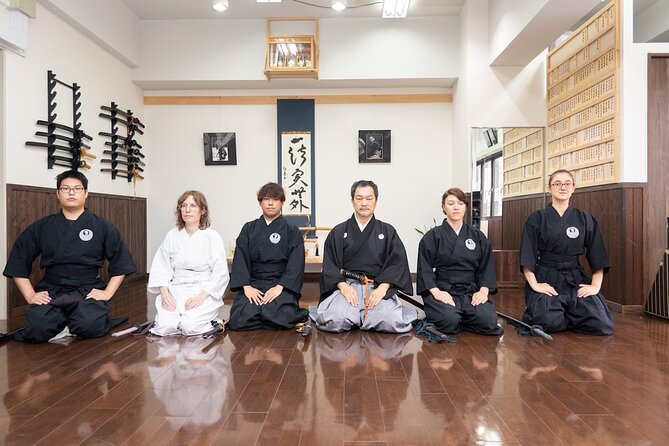
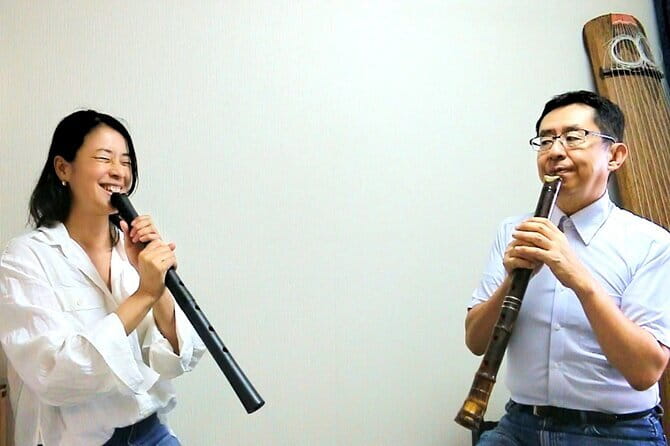
This is a private activity, so only your own group participates. That gives you a better chance to ask questions and receive corrections than you would in a general cultural demonstration. If you book for a small group, all participants need to have the same level of shakuhachi ability, and the maximum group size is three.
A few more Tokyo tours and experiences worth a look



Why Kaizan Harago makes this more than a tourist demonstration
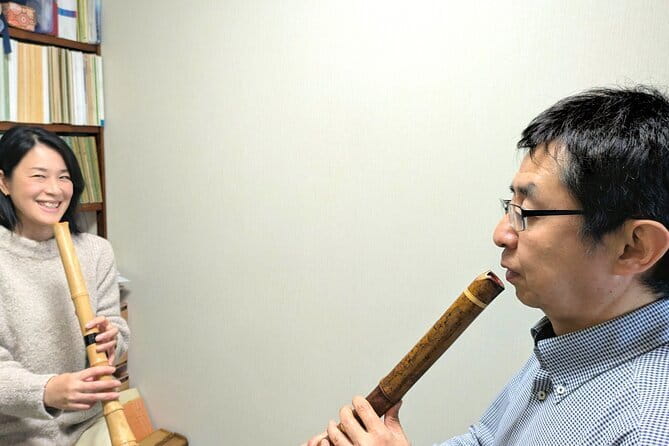
Kaizan Harago was born in Tokushima, Japan, and began learning shakuhachi from his father during childhood. From 1993 to 2000, he studied under master Seizan Ishigaki I.
His career includes stage performances, television and radio appearances, and a collaboration with the Norwegian artist Splashgirl. Today, he also works to train younger players and promote the shakuhachi. That background gives the lesson a useful balance: you are not simply shown an old instrument, then sent away with a souvenir story. You are working with someone whose life includes performance, formal study, and teaching.
Harago is a master of the Tozan-ryu school. Depending on what you want to study, Kinko-ryu instruction is also available. You should make your preference clear when arranging the lesson, especially if you already play and have a particular school or piece in mind.
The English support staff are friendly, according to the experience details, which can make technical instruction easier for international visitors. The supplied information does not promise that every part of the lesson is taught directly in English by Harago, so you should treat the support as helpful communication assistance rather than assume a full English-language music course.
Your first breath on the shakuhachi
For a beginner, the first task is not playing a tune. It is making a stable sound.
The shakuhachi has no mouthpiece that tells you exactly where to place your lips. You control the sound through the angle of the instrument, the shape of your mouth, and your breath. That is why a first attempt may produce only air or an uncertain tone. One useful feature of this lesson is that the instructor can correct your posture and playing habits right away instead of letting you practice the wrong position for weeks.
The basic lesson covers how to hold the shakuhachi, how to sit or position your body, and how to begin producing sound. You can then work toward simple music. That progression is sensible for a first meeting: get the body position right, make a tone, and only then worry about notes and melody.
You should not judge the lesson by how polished you sound after 50 minutes. The value is in learning what to practice and how to notice the difference between a useful adjustment and wasted effort. A first-time player has managed to produce a sound during the session with Harago’s advice, which suggests that the guidance is aimed at solving the immediate problem rather than giving only a formal explanation.
A practical lesson for self-taught players
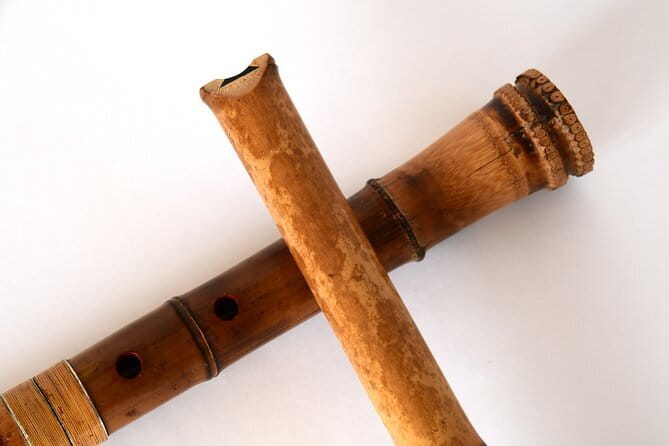
This experience may be even more useful if you already own or borrow a shakuhachi and have been teaching yourself.
One self-taught player arrived with an unstable sound and received advice from Harago that corrected the problem. That is an important clue about the lesson’s strongest use: it can help you identify a small technical fault that is hard to hear or feel on your own.
You can ask for corrections to bad habits, advice on a problem you have been having, or help with a piece you want to try. Bring a clear question in your mind. Instead of saying only that you want to improve, consider focusing on one issue, such as sound stability, posture, fingering, or the opening of a specific classical piece.
The details do not promise a full long-term curriculum in one appointment. I would treat this as a focused coaching session. If you are serious about continuing, use the time to learn what needs work and ask for practical direction on your next steps.
Advanced students must take individual lessons. That rule keeps the instruction focused and prevents a more experienced player from being slowed down by a beginner in the same session. It also means advanced players should book with a specific purpose rather than expect a broad introduction.
Tozan-ryu, Kinko-ryu, and choosing your focus
The Tozan-ryu school is Harago’s main area of expertise. The shakuhachi also has other traditions, including Kinko-ryu, and Kinko-ryu instruction may be available depending on your request.
This distinction matters most if you already study Japanese music or have learned from a particular school. Different traditions can use different approaches to tone, fingering, notation, and musical style. If you are new to the instrument, the school name may matter less at first than learning to hold the flute and create a reliable sound.
If you want to play a classical Japanese piece, mention that before the lesson. The supplied information says advice is available for a piece you want to try, but it does not promise that every requested work can be taught from scratch during the session. A 50-minute appointment is best used with a realistic goal.
For a first lesson, a good request might be simple music and basic technique. For an experienced player, a specific passage or playing problem should make better use of the limited time.





What the free rental means for your budget
A shakuhachi rental is included in the $180 price. That is helpful because you do not need to carry an instrument through Tokyo or buy one before learning if the flute is right for you.
The rental also lowers the risk for curious beginners. You can try the instrument under instruction before deciding if you want to continue. The included rental does not mean the price is low, though. At $180 per person for approximately 50 minutes, this is a premium private lesson.
I see the value in three things: direct time with a master, a lesson adjusted to your needs, and free use of the instrument. The price is harder to justify if you want only a quick cultural encounter or a short performance with no hands-on practice. It makes more sense if you genuinely want to play, already practice, or have a technical issue that has resisted self-study.
The price is per person. If you are booking a group, remember that a maximum of three people may participate, and all members must have the same shakuhachi level. A larger group cannot simply be added to reduce the cost per person.
The 50-minute format and what you can realistically learn
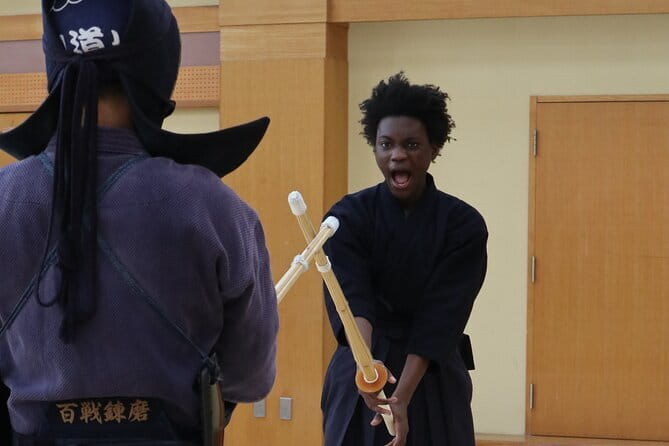
Fifty minutes is long enough for a focused introduction, but not long enough to master the instrument. You may learn the basic posture, begin making a sound, and work through simple music. You can also use the time for corrections or advice on a piece.
The best results will come from arriving with one clear aim. A beginner might want to produce a tone and learn a few notes. An intermediate player might want help fixing an unstable sound. An advanced student might bring a specific passage or ask about a technical habit.
The format is not described as a performance followed by a short try. It is a lesson, so expect to spend the time playing and receiving instruction. That makes the experience more personal, but it also puts more responsibility on you. Listen closely to corrections, ask questions when something feels unclear, and use the rental instrument fully during the appointment.
Since the activity ends back at the meeting point, you can plan another Tokyo activity afterward. The exact amount of time needed beyond the 50-minute lesson is not provided, so leave some flexibility for meeting and departure.
Who will get the most from this experience?

I would recommend this lesson most strongly to four types of people:
- You are a complete beginner who wants a real introduction rather than a general cultural talk.
- You have tried shakuhachi on your own and cannot produce a stable sound.
- You already play and want advice on a particular problem or piece.
- You care about Japanese traditional music and want instruction from a recognized practitioner.
It is also a good choice for someone who wants a personal encounter with an instrument that has been part of Japanese musical culture for centuries. The lesson gives you a practical connection to that tradition through posture, breath, sound, and music.
I would be more cautious if you have only a passing curiosity, want a group activity with several friends at different skill levels, or expect a long lesson at a low price. The three-person limit and same-level rule are firm considerations. Advanced students must study alone, so this is not designed as a mixed-level family or social class.
Booking details worth taking seriously
You receive confirmation when you book, and the experience uses a mobile ticket. The activity is near public transportation, and most people can participate. It is also a private activity for your group only.
The cancellation policy is strict: the experience is non-refundable and cannot be changed for any reason. If your plans are uncertain, this is not a booking to make casually. Check your Tokyo schedule, meeting point, and group level before paying.
Bottled water is not included. That is a small point, but a useful one if you are planning a full day around Kameido. Bring your own water if you want it during or after the lesson.
Should you book the shakuhachi lesson?
Book it if you want hands-on instruction and are willing to pay for a short, highly focused private lesson. The strongest reason to choose it is access to Kaizan Harago’s direct corrections, especially if you have struggled to make a stable sound or want help with a specific piece.
Skip it if you want a cheap introduction, a long workshop, or a flexible booking. At $180 for 50 minutes, the experience rewards genuine interest more than casual sightseeing. For the right person, the included rental and individual guidance make the cost easier to understand. Just arrive with a clear goal and a firm schedule.
FAQ
Where does the shakuhachi lesson begin?
The activity begins at Kameido Station, at 5 Chome-1 Kameido, Koto City, Tokyo 136-0071, Japan.
Where does the activity end?
The lesson ends back at the meeting point.
How long is the lesson?
The lesson lasts approximately 50 minutes.
How much does the experience cost?
The listed price is $180 per person.
Is shakuhachi rental included?
Yes. The shakuhachi rental fee is included in the experience.
Can beginners participate?
Yes. Beginners can learn basic posture and playing, work on making a sound, and play simple music.
Can I ask for help with a playing problem?
Yes. The lesson can include corrections to bad habits, advice about problems you are having, or guidance on a piece you want to try.
Which shakuhachi school does the instructor teach?
Kaizan Harago is a master of the Tozan-ryu school. Kinko-ryu instruction may also be available depending on your request.
How many people can join a group lesson?
Groups can include a maximum of three participants, and everyone in the group must have the same level of shakuhachi ability. Advanced students must take individual lessons.
Can I cancel or change the booking?
No. The experience is non-refundable and cannot be changed for any reason.
More Workshops & Classes in Tokyo

More tours in Tokyo we've reviewed






Workshops, compared.
 ★ 5.0Sushi Making Tokyo Roll and Authentic Japanese Sushi ClassFrom $59
 ★ 4.9Tokyo: Roll and Authentic Sushi Making Class in AsakusaFrom $581h 40m
 ★ 4.9Tokyo: Sushi Making Class in a Happi Coat near a Famous SpotFrom $421h 30m
 ★ 4.8Chopstick Making Workshop in GinzaFrom $251 hour
 ★ 5.0Tokyo Sushi Making Class in Tsukiji with Professional ChefFrom $49
 ★ 5.0Ramen & Gyoza Cooking Class in Tokyo with Local Supermarket VisitFrom $122