Reviewed · MT FUJI DAY TRIPS
Mount Fuji and Hakone Tour with Personal Driver & Transport
Mount Fuji provides the star power here, but the real strength of this day is the variety. You move from Arakura Fuji Sengen Shrine and its famous mountain view to clear ponds, a broad lake, flower beds, a rebuilt old-style village, and finally the road-accessible 5th Station.
In This Article
- A Fuji Day Built Around Views
- Arakura Fuji Sengen Shrine and the Classic Fuji View
- Oshino Hakkai’s Ponds and Traditional Houses
- Lake Kawaguchi Gives You Room to Breathe
- Oishi Park and Seasonal Flower Displays
- Saiko Iyashi-no-Sato Nenba, a Rebuilt Village
- Mount Fuji 5th Station, the Highest Road Stop
- The Three-Hour Hakone Portion Needs Clarifying
- What the Private Van Adds
- Price, Food, and Extra Costs
- Who Will Get the Most From This Day
- Should You Book the Mount Fuji and Hakone Tour?
- FAQ
- How long does the Mount Fuji and Hakone tour last?
- How many people can join the private group?
- Where can pickup and drop-off take place?
- Is transportation included?
- Are meals and entrance fees included?
- How much time is spent at the Mount Fuji 5th Station?
- Can I cancel the tour for a refund?
I like the private van, since you are not tied to a large group or public transport timetable. I also like the driver’s role: past service has included prompt pickup, useful sightseeing tips, photo stops, and flexibility when plans changed. The main drawback is the packed 10-hour schedule. You see a lot, but several stops allow only 30 to 45 minutes.
- Private transport for up to six people: The $346 group price can be good value for a family or small party, especially with tolls, fuel, parking, and bottled water included.
- A full range of Fuji viewpoints: You photograph the mountain from a shrine, Lake Kawaguchi, Oishi Park, and the 5th Station.
- A driver who can adapt: The service includes English or Hindi, and previous service was praised for punctuality and adjusting to the group’s needs.
- Several short stops: Oshino Hakkai, Oishi Park, the shrine, and the traditional village each get limited time, so this is a highlights tour rather than a slow visit.
- Hakone is included, but not fully specified: The schedule gives Hakone three hours, yet it does not list the exact Hakone attractions covered. Confirm this before booking if Hakone is your main goal.
A Fuji Day Built Around Views
This private excursion is designed for people who want to cover the Fuji area without figuring out several train and bus connections. You get hotel pickup from listed Tokyo locations, a comfortable van, an English or Hindi-speaking driver, and a return ride to Tokyo, Kamakura, or Hakone.
The group limit is six. That matters. A party of six pays about $58 per person before any optional entrance fees, which is a fair price for a full day of private transport. A couple pays much more per person, but gains privacy and a schedule shaped around the group rather than strangers.
The driving time is substantial. The outline includes about 1.5 hours in the van each way, with additional road time between stops. That is not wasted time when the roads are clear, but Fuji traffic can affect the day. You should see this as a scenic road trip with stops, not six separate long visits.
The service has earned a perfect score from only three recorded ratings, so I would treat that as encouraging but not a large statistical record. The strongest practical praise concerns the driver: punctuality, helpful comments about sights, photo opportunities along the way, and the ability to adjust to personal constraints. No driver’s name is provided, so you should not expect a named guide unless the operator confirms one after booking.
Arakura Fuji Sengen Shrine and the Classic Fuji View
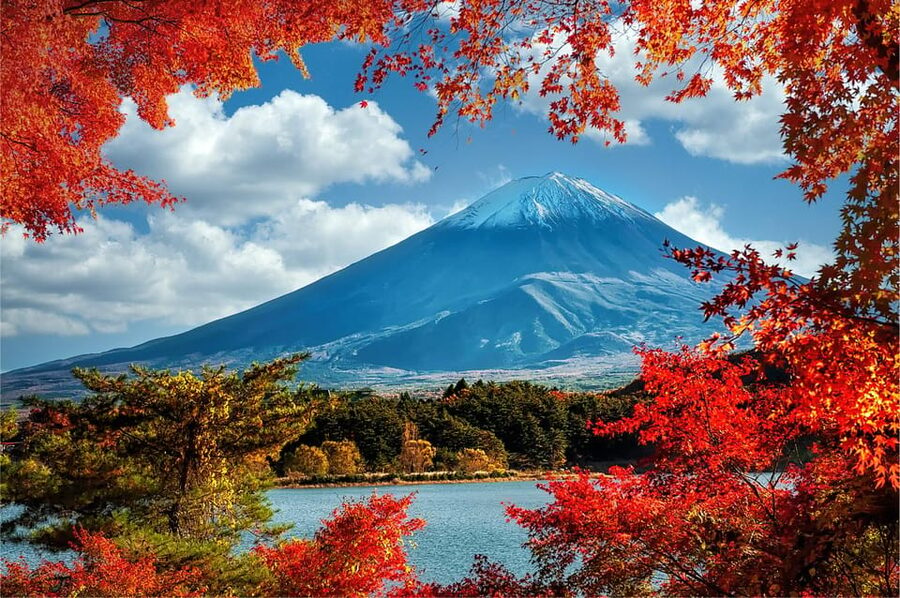
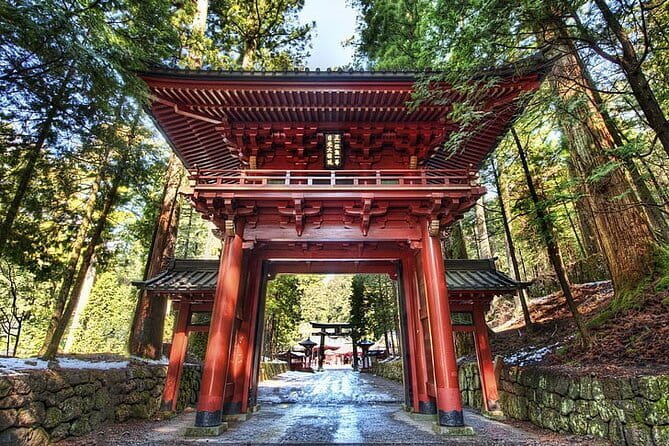
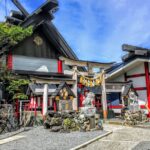
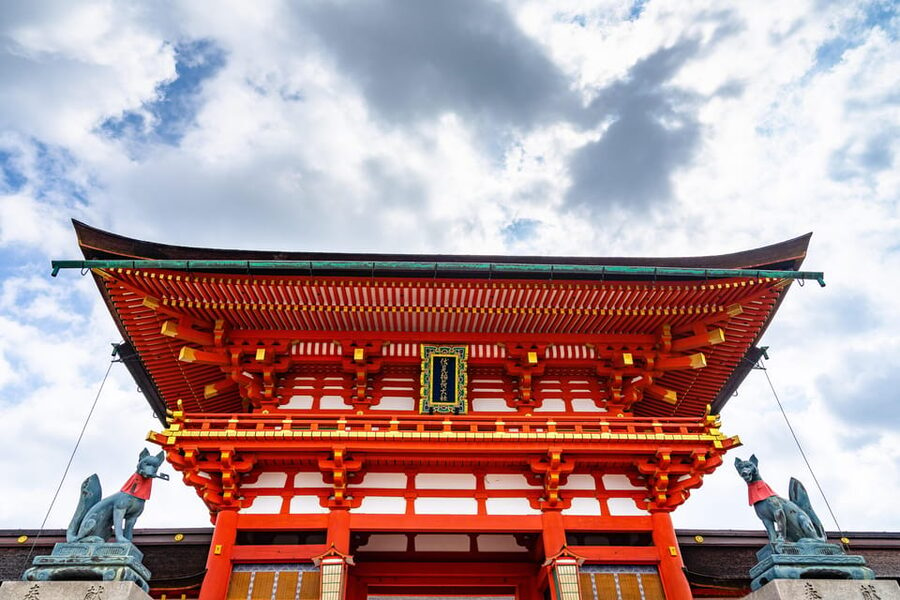
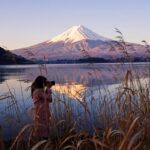
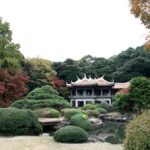
The first major stop is Arakura Fuji Sengen Shrine, with about 45 minutes of sightseeing in the detailed plan. The shrine is the place for the familiar view of Mount Fuji rising behind a Japanese pagoda and hillside trees.
You should allow time for the climb and for finding the right photo position. The shrine visit is not simply a van-side photo stop. You will need to walk uphill and use steps, so the stop may feel brisk for anyone who moves slowly. The supplied schedule also lists one hour for this part of the itinerary, while the day description gives 45 minutes. That small difference is worth clarifying with the operator.
I like starting here because it gives you the instantly recognizable Fuji image early in the day. The tradeoff is that this is one of the most expected photo locations in the region. If you want quiet shrine time, the short stop and likely popularity may work against you. If you want the classic composition, it earns its place.
One useful detail from past service is that the driver may point out interesting sights on the road and allow pictures when conditions permit. That can add value between formal stops, though you should not assume every roadside photo request will fit the schedule.
A few more Tokyo tours and experiences worth a look
Oshino Hakkai’s Ponds and Traditional Houses
Oshino Hakkai follows with about 30 minutes in the detailed description, although the broader itinerary gives the area one hour. Either way, this is a short visit. The village is known for exceptionally clear ponds fed by water from Mount Fuji and for traditional-style houses.
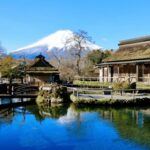
The appeal is close and simple. You can look into the water, walk among the small village setting, and take pictures that show a different side of the Fuji region. The ponds provide a calmer counterpoint to the shrine viewpoint.
Thirty minutes is enough for a look and photographs, but not for a leisurely wander. If you enjoy browsing food stalls, local products, or every corner of the village, you may feel rushed. Meals and snacks are not included, so any food or drink you buy here is your own expense.
I would keep your camera ready and avoid spending the entire stop in one spot. The value of Oshino Hakkai is its atmosphere and details, not a long list of formal attractions.
Lake Kawaguchi Gives You Room to Breathe
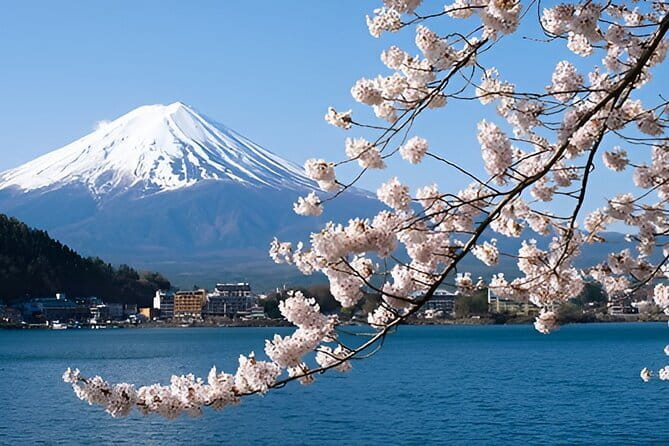
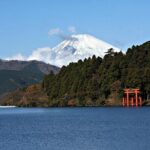
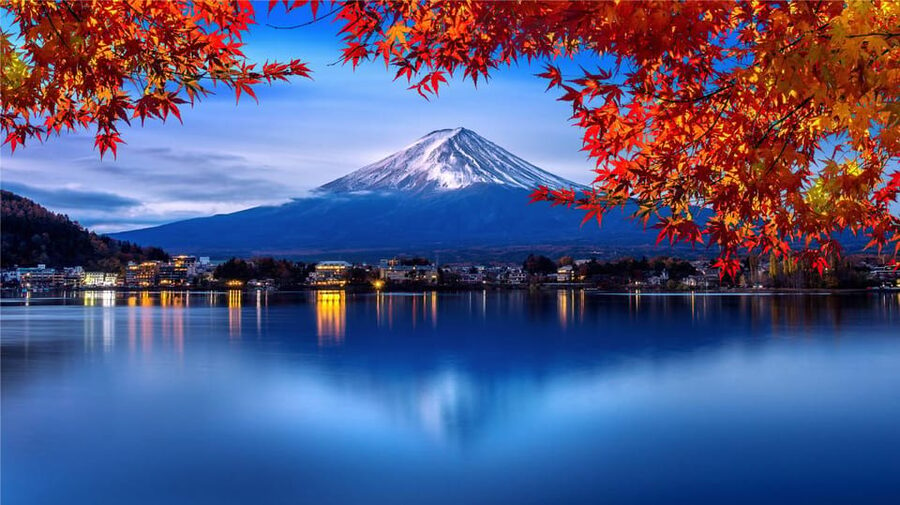
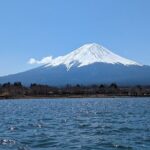
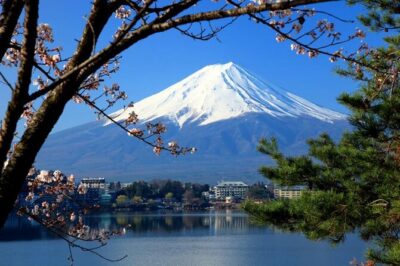
Lake Kawaguchi receives about 1.5 hours in the main description, making it the longest named stop on the Fuji side of the day. That extra time matters. A lake viewpoint changes the scale of the experience, with open water and broad views toward Mount Fuji when weather cooperates.
You have room here for photos, a walk, or simply a pause after the earlier stops. I like this part of the day because it is less about checking off a single landmark and more about enjoying the setting. The schedule gives you enough time to look around rather than jump straight back into the van.
The itinerary also lists one hour for Lake Kawaguchi, so timing may vary by operating day or by how the driver manages traffic. Ask about the intended stop length if this is the view you care about most.
Clear Fuji views are never guaranteed in the supplied information. The mountain can be hidden by cloud or haze, and no tour can change that. The advantage of this route is that you receive several viewing chances instead of relying on one viewpoint.
Oishi Park and Seasonal Flower Displays
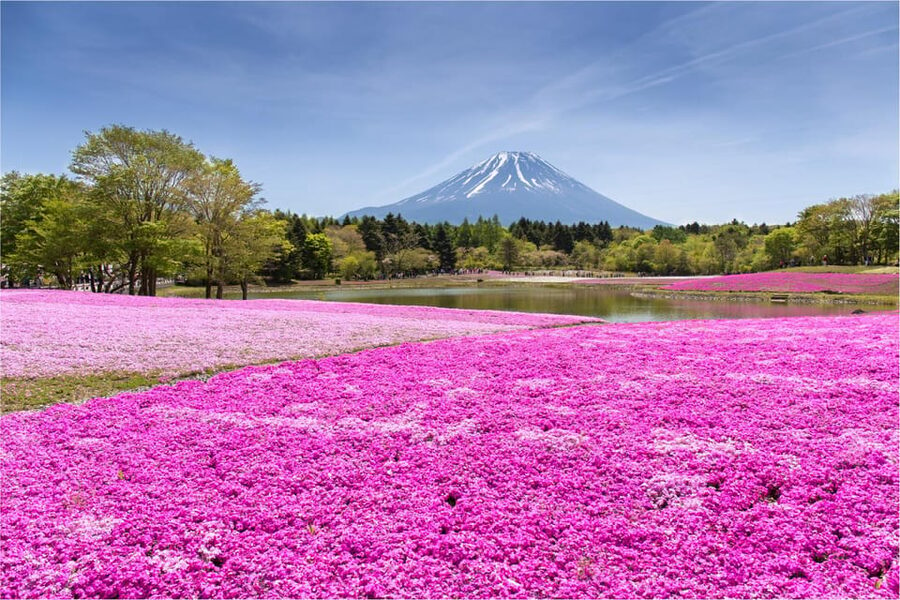
Oishi Park is scheduled for about 30 minutes. It sits by Lake Kawaguchi and is known here for colorful flower displays with open views toward Mount Fuji.
This is a strong photo stop when the flowers are in good condition and the mountain is visible. It also offers a pleasant break from the shrine steps and village paths. You can focus on the contrast between flowers in the foreground and Fuji in the distance.
The short timing is the limitation. Thirty minutes is enough for photographs and a quick look, but not for a slow park visit. Since seasonal flowers change, the exact display will depend on the date of your tour. The supplied details do not promise a particular flower variety or bloom period, so book this for the combination of park and Fuji views rather than one specific plant display.
Saiko Iyashi-no-Sato Nenba, a Rebuilt Village
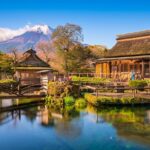
The stop at Saiko Iyashi-no-Sato Nenba lasts about 45 minutes. This is a reconstructed traditional Japanese village, designed to give you a sense of older rural buildings and ways of life.
It adds cultural texture to a day otherwise centered on scenery. After several outdoor photo locations, the village gives you roofs, wooden structures, and a more carefully shaped historical setting to explore. The phrase reconstructed matters. You are visiting a meticulously rebuilt village, not an untouched old settlement.
Forty-five minutes should let you walk around and take photographs without turning the visit into a long museum stop. Optional attraction fees are not included in the tour price, and the details do not specify whether this village requires an entrance charge. Confirm what is covered before you go.
I would value this stop most if you want more than mountain pictures. If your only goal is to spend the maximum time looking at Fuji, you may prefer longer at Lake Kawaguchi or Oishi Park. The private format may allow some adjustment, but the driver cannot guarantee every change if traffic is heavy or the route is fixed for the day.
A few more Tokyo tours and experiences worth a look
Mount Fuji 5th Station, the Highest Road Stop
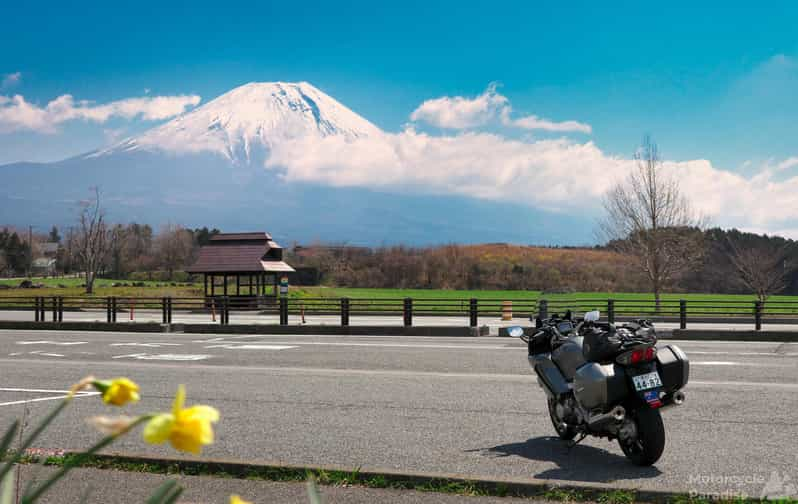
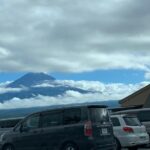
The day’s named highlight is Mount Fuji 5th Station, described as the highest point accessible by vehicle. You get about 45 minutes for free time, photographs, and a look around.
The 5th Station offers a different perspective from the lakeside views. You are closer to the mountain itself, and the high setting can feel more immediate. It is also a practical choice for anyone who wants to experience the mountain without climbing it.
Do not confuse this with reaching the summit. The 5th Station is a vehicle-accessible stopping point, not the top of Mount Fuji. The tour does not include a full ascent, and 45 minutes is suited to sightseeing rather than hiking.
Road and weather conditions can affect access, but the supplied information does not give seasonal closure details. If the 5th Station is essential to your decision, check its operating status for your travel date. The tour’s route may include it as planned, but mountain roads are always worth treating with respect.
The Three-Hour Hakone Portion Needs Clarifying
Hakone appears in the schedule with three hours of visiting time. That makes it a major part of the day, not a minor add-on. Yet the supplied plan does not name the Hakone attractions, activities, or entrance fees included.
This is the biggest point I would clarify before paying. Ask the operator exactly where the van goes in Hakone, how much time is spent there, and whether the three hours are flexible. The answer may shape your choice more than any other detail.
The tour begins and ends with pickup or drop-off options connected to Tokyo, Kamakura, and Hakone, while hotel pickup is specifically offered from 23 Tokyo locations. This suggests the route can work for different starting points, but you should confirm that your exact hotel and preferred end point are accepted.
If your main aim is a broad Fuji day with Hakone added, this arrangement can be useful. If you want a focused Hakone experience with named sights, transport details, or included admissions, you need more information first.
What the Private Van Adds
The private vehicle is included for the whole day, along with fuel, tolls, and parking. Those costs can mount quickly on a long road trip, so their inclusion makes the group price easier to judge.
The van is described as comfortable and spacious. That matters because you may spend roughly three hours in transit before counting the short drives between stops. You also avoid transferring between trains and buses with cameras, coats, snacks, and day bags.
A private group gives you control over small matters. You can ask for a photo pause when the route allows, keep your own pace at a stop, and avoid waiting for strangers. Past service included a driver who pointed out notable sights, allowed pictures on the way, and adapted to constraints.
There are limits. This is a driver-led tour, not necessarily a fully guided cultural tour with a specialist at every site. English and Hindi are offered, but the exact depth of commentary is not stated. If you want long explanations at shrines and historic locations, ask what guiding is included.
Pickup instructions are simple: wait in the hotel lobby about 10 minutes before the scheduled time, and expect contact from the driver 10 to 20 minutes before arrival. Bring all the items you need before leaving your hotel or meeting point. That last reminder is useful on a long day with few chances to return.
Price, Food, and Extra Costs
The price is $346 per group of up to six. For six people, that works out to about $58 each. For four, it is about $87 each. For two, it is $173 each, so couples should compare the cost with public transport or a smaller shared tour.
The private vehicle, English or Hindi-speaking driver, hotel pickup and drop-off from listed Tokyo locations, fuel, tolls, parking, bottled water, and flexible free time are included. That is a meaningful package for a route covering Tokyo and the Fuji area.
Meals and snacks are not included. You should budget for food, drinks, and any souvenirs. Optional attraction entrance fees are also separate, and the details do not identify every possible paid stop. Ask about admissions for Saiko Iyashi-no-Sato Nenba, Hakone activities, or any other optional visit.
Free cancellation is available up to 24 hours before departure for a full refund. You can also reserve now and pay later, which helps if your Fuji day depends on weather or a changing Japan schedule.
Who Will Get the Most From This Day
I would choose this tour for a family, group of friends, or multigenerational party that values a private vehicle and wants to see many Fuji-area sights in one day. It is also a good fit if you are staying in Tokyo and do not want to arrange several connections yourself.
Photographers will appreciate the number of viewpoints. A cloudy Fuji can spoil one photo location, but the shrine, lake, park, village, and 5th Station provide several chances. The driver’s reported willingness to allow pictures along the route is another plus, though road safety and timing come first.
I would be more cautious if you dislike busy schedules or want long visits at each location. Arakura Shrine, Oshino Hakkai, Oishi Park, Saiko Iyashi-no-Sato Nenba, and the 5th Station all receive roughly 30 to 45 minutes in the detailed plan. Lake Kawaguchi gets the most breathing room, while Hakone has a longer but less clearly defined block.
The activity is not suitable for people over 95 according to the supplied restrictions. The shrine also involves walking and steps, so anyone with mobility concerns should ask about the exact walking arrangements before booking.
Should You Book the Mount Fuji and Hakone Tour?
I would book this if you want a private, efficient Fuji highlights day and your group can share the $346 cost. The combination of transport, multiple viewpoints, a rebuilt village, and a vehicle-accessible mountain stop gives you far more range than a single sightseeing base.
Before booking, confirm three things: your exact pickup location, the planned Hakone stops, and which optional entrance fees you will need to pay. If you want a relaxed day, ask whether the timing can be adjusted. If the answer is yes and Fuji weather looks promising, this is a practical way to see a lot without handling the road logistics yourself.
If Hakone is your central goal, I would not book until the three-hour section is explained. If Mount Fuji photography and private transport are the priority, the route makes a strong case, especially for groups of four to six.
FAQ
How long does the Mount Fuji and Hakone tour last?
The tour lasts 10 hours, including travel by private van and sightseeing stops.
How many people can join the private group?
The private vehicle and tour are available for a group of up to six people.
Where can pickup and drop-off take place?
Pickup options include Tokyo locations, Kamakura, and Hakone. Hotel pickup is available from 23 listed locations in Tokyo. Drop-off options include Tokyo, Kamakura, and Hakone, but you should confirm your exact address before booking.
Is transportation included?
Yes. A private vehicle is provided for the whole day, with an English or Hindi-speaking driver. Fuel, tolls, parking fees, and bottled water are included.
Are meals and entrance fees included?
No. Meals, snacks, souvenirs, optional attraction entrance fees, and extra activities are not included.
How much time is spent at the Mount Fuji 5th Station?
The detailed schedule provides about 45 minutes at the 5th Station for sightseeing, photographs, and free time.
Can I cancel the tour for a refund?
Yes. You can cancel up to 24 hours in advance for a full refund. Reserve now and pay later is also available.
More Private Drivers in Tokyo

More Hakone Day Trips in Tokyo
More Mt Fuji Day Trips in Tokyo

More tours in Tokyo we've reviewed



Mt Fuji Day Trips, compared.
 ★ 5.0Mt Fuji and Hakone 1-Day Bus Tour Return by Bullet TrainFrom $163
 ★ 4.0Mt Fuji & Hakone Cruise, Drum Show Bullet Train 1 Day from TokyoFrom $149
 ★ 4.4Tokyo Mt Fuji 5th St & Hakone Cruise Bus Tour w/Bullet TrainFrom $15410 hours
 ★ 4.5From Tokyo: Mount Fuji Full-Day Sightseeing TripFrom $6810 hours
 ★ 4.7Tokyo: Mt. Fuji Tour, Hakone Ropeway, Owakudani, Lake AshiFrom $5410 hours
 ★ 4.4Tokyo:Mt.Fuji,Kawaguchiko Oishi Park,Arakurayama Sengen ParkFrom $5410 hours