Reviewed · PHOTOGRAPHY SESSIONS
Photoshoot with Professional Photographer in Tokyo
Tokyo is full of postcard scenes, but getting a good picture of yourself in them is another matter. This private photoshoot solves that problem with an English-speaking professional who can photograph you and your partner around locations chosen for your interests.
In This Article
- Key points at a glance
- Why a Tokyo photoshoot can be worth the cost
- Shibuya is the starting point
- How the photographer shapes the session
- Asakusa offers older Tokyo backgrounds
- Harajuku and Omotesando suit fashion-focused portraits
- Akihabara, Ueno, and Kawasaki change the mood
- Imperial Palace, Ginza, and central Tokyo options
- Parks, shrines, and seasonal light
- What you receive after the camera work
- Timing, clothing, and practical details
- Who should book this experience?
- Should you book the Tokyo photoshoot?
- FAQ
- Where does the photoshoot begin?
- Is the photoshoot private?
- Is the photographer English-speaking?
- How many photographs are included?
- When will I receive the photographs?
- Can I choose the locations?
- Is transportation included?
- Can I change outfits?
- What is the price?
- What happens if the weather is poor?
I like the private format and the freedom to shape the session around your style. I also like that you receive both edited and unedited images, with at least 10 edited photos from the one-hour option. The main consideration is price: at $209.79 per person, this is a special-occasion purchase, not a casual sightseeing add-on.
Key points at a glance
- Your own photographer: The session is private, with no unrelated group joining your shoot.
- Choose your Tokyo mood: Ask for modern Shibuya, old Tokyo in Asakusa, street style in Harajuku, or another listed area.
- At least 10 edited images: The one-hour session includes 10 to 12 edited photos plus unedited versions.
- Two hours gives you more room: The longer option includes 20 to 22 edited photos and makes outfit changes more realistic.
- English-speaking service: Photographers such as Israel and Yosuke have handled different approaches, from area suggestions to creative street-style portraits.
- You arrange your own transport: Travel to and from the chosen attractions is not included.
Why a Tokyo photoshoot can be worth the cost
A selfie stick can record that you were at Shibuya Crossing. It cannot easily capture the way you and your partner look as the screens flash behind you, or frame you naturally against a quiet shrine gate. A professional photographer can handle the composition while you simply enjoy the setting.
The value here is not the number of sights checked off. It is the finished record of your trip. If you are marking an anniversary, honeymoon, birthday, engagement, or first visit to Japan, polished photographs can be more useful than another rushed attraction.
At $209.79 per person, the cost is high for a one-hour activity. The price makes more sense for couples who already plan to spend on professional portraits, or for anyone who knows they rarely get good photographs together. The private setting also means you are not waiting for other people to pose.
The session includes 10 to 12 edited images for one hour, along with the unedited versions. A two-hour session includes 20 to 22 edited images and unedited copies. Your photographs are delivered within a few days, which is handy if you want to share them during the rest of your stay.
Other photography tours in Tokyo

Shibuya is the starting point
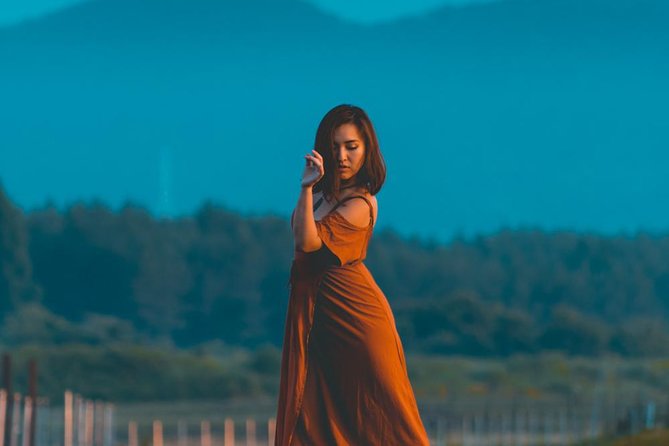
The meeting point is in Shibuya, and the activity ends back at the meeting point. Shibuya is a useful place to begin because it gives you several very different photo settings close to one another, at least in spirit: neon-lit city streets, the Hachiko statue, shopping lanes, and the famous scramble intersection.
The scramble is the obvious choice for a classic Tokyo image. It puts you in the middle of the city’s constant motion, with giant screens and streams of people forming the background. It is also crowded and visually busy, so you should expect energetic urban photographs rather than quiet, formal portraits.
Hachiko Square offers a more recognizable meeting-point image. The bronze statue honors Hachiko, the famously loyal Akita dog, and it is one of Shibuya’s best-known landmarks. It can be a good choice if you want a photograph that clearly says Tokyo without relying only on signs and buildings.
A smaller side street is also listed as a possible stop. It has shops and restaurants and can look especially appealing after dark. This gives you a useful change of pace from the giant intersection, though the exact street and lighting conditions depend on the photographer’s plan and the time of day.
How the photographer shapes the session
The activity is not presented as one fixed sightseeing route. Your photographer chooses locations based on your interests and objectives, so you should think about the kind of photographs you want before meeting.
Do you want polished couple portraits, casual street photographs, fashion images, traditional Japanese backgrounds, or a mix? Tell the photographer clearly. The more specific you are, the easier it will be to use the limited time well.
Israel has been praised for offering good area suggestions and helping shape the session. Yosuke has been associated with a street-photography approach around Omotesando and Aoyama, using the setting and the subject together rather than producing only standard posed portraits. Those examples suggest that the final look can vary with the photographer and your chosen style.
A one-hour session goes quickly. Walking between locations, choosing poses, adjusting clothing, and checking the light all take time. If you want more than one neighborhood or plan to change clothes, the two-hour option is the more sensible choice.
Asakusa offers older Tokyo backgrounds
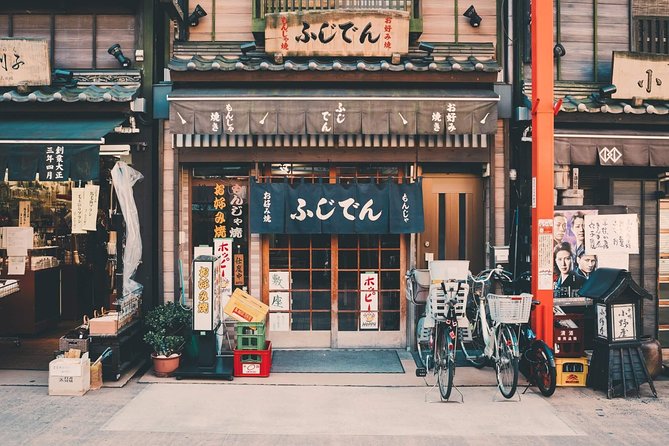
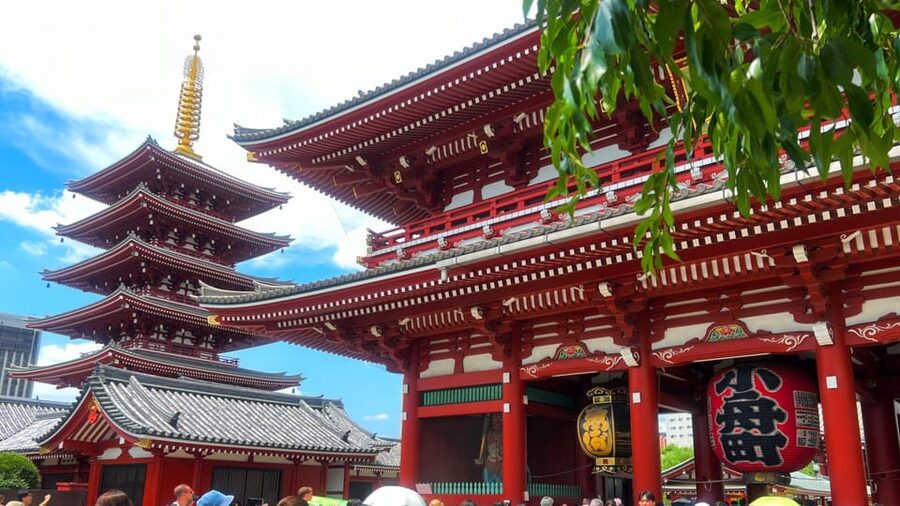
Asakusa gives you a very different setting from Shibuya. The area retains an older Tokyo feel, with traditional craft shops and food stalls along Nakamise Street near Sensō-ji Temple. This is the place to request photographs with lanterns, temple architecture, and a more traditional atmosphere.
Sensō-ji is Tokyo’s oldest temple and one of the city’s most important religious sites. It provides strong visual details, but it is also a major sightseeing area. You should expect crowds, especially around Nakamise Street, and your photographer may need patience to find a clean background.
Asakusa Shrine is another possible stop. It is a Shinto shrine, also called Sanja-sama, and offers a quieter religious setting than the main temple area may provide. If you want photographs that feel connected to Japanese traditions, Asakusa is likely a better fit than the high-rise districts.
The drawback is distance. Transportation between Shibuya and Asakusa is not included, and a short session may not leave enough time to combine both areas comfortably. Ask about the plan before choosing far-apart neighborhoods.
Harajuku and Omotesando suit fashion-focused portraits
Harajuku is a natural choice if you want colorful, youthful, or fashion-oriented photographs. Takeshita Street is packed with quirky shops, vintage clothing, cosplay stores, and colorful street details. It is also narrow and extremely busy at times, so it can be difficult to pose without people crossing behind you.
The crowd is part of the character, but it can work against a calm portrait session. You may prefer to use Takeshita Street for a few lively frames, then move toward quieter nearby areas.
Omotesando offers a more polished look. The tree-lined avenue runs through the fashionable Aoyama area, and Omotesando Hills adds modern architecture and specialty shopping. Tokyu Plaza is another appealing option, particularly for its striking entrance, which has become one of Tokyo’s most photographed urban backdrops.
Yosuke’s street-photo style around Omotesando and Aoyama may suit couples who want something less formal. Rather than standing still for every picture, you might be guided through the streets with the architecture and city mood included in the frame. The exact direction depends on the photographer and your request.
Akihabara, Ueno, and Kawasaki change the mood
Akihabara is the choice for electronics, anime, and a louder city look. Its shopping streets range from small stalls to large retailers such as Yodobashi Multimedia Akiba. This setting can work well for photographs with colorful signs and a distinctly modern Tokyo feel.
Ueno Park provides a greener setting in the middle of the city. It is Tokyo’s largest green space and is especially appealing during cherry blossom season. The park can give your photographs breathing room after the hard edges of Shibuya or Akihabara.
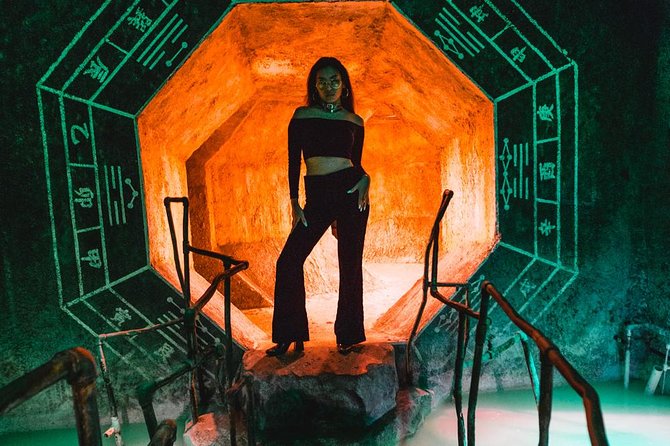
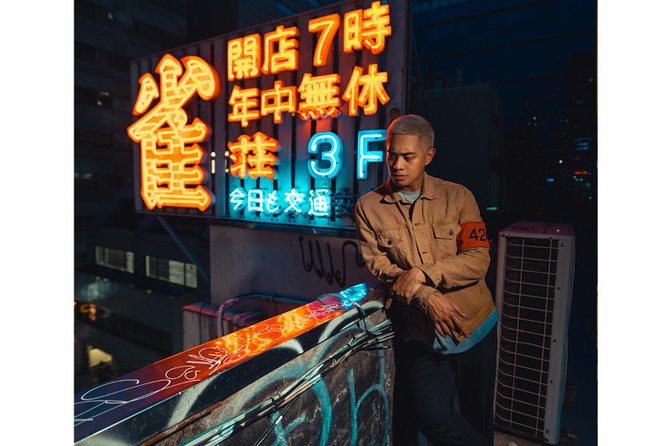
The location list also includes Anata no Warehouse in Kawasaki. This five-story arcade facility was designed to resemble Hong Kong’s former Kowloon Walled City, with a cyberpunk look. It is a striking option for dramatic, atmospheric photographs, but Kawasaki is outside central Tokyo, so travel time matters even more here.
These locations should be treated as possible choices, not as promises that you will visit all of them. A one-hour session cannot realistically cover the full range from Kawasaki to Asakusa, Harajuku, Ueno, and Ginza. Confirm your preferred area and meeting arrangements in advance.
Imperial Palace, Ginza, and central Tokyo options
The central Tokyo choices offer a cleaner, more formal city style. Hibiya Park is a calm green space near the Imperial Palace and Ginza, with maintained lawns, trees, and flower beds. It can suit couples who want a softer background without leaving the city center.
The Imperial Palace has scenic gardens and grounds connected with the emperor’s residence. Public access is limited to designated areas, so your photographer will determine which surroundings can be used. The nearby moat and small cherry-blossom park can add water, stonework, and seasonal color.
Kitanomaru Park sits north of the Imperial Palace and includes the Nippon Budokan and Science Museum area. It offers another park setting, with the palace district providing a sense of place without the intense crowds of Shibuya.
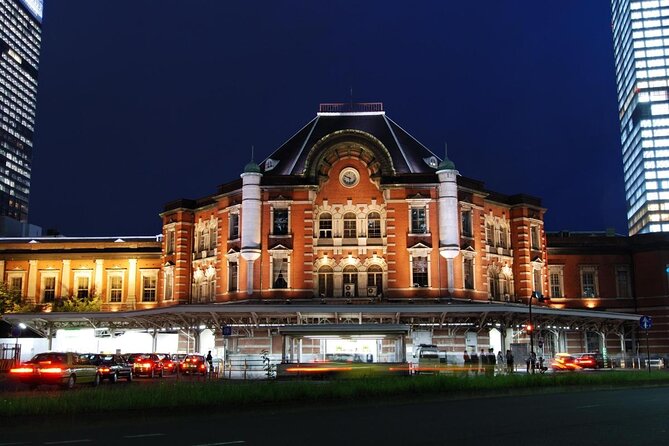
Tokyo Station is a strong architectural choice. Its nostalgic red-brick building is one of the city’s most recognizable structures, and it gives photographs a more formal, old-meets-new Tokyo character.
Ginza is best for polished urban images. The district is known for upmarket boutiques, cocktail bars, and sushi restaurants. It may suit you if you want a smart city look rather than temples, greenery, or youth culture.
Parks, shrines, and seasonal light
Yoyogi Park and Meiji Shrine sit near Harajuku but offer very different photographs. Yoyogi Park is a large public park where you can escape the traffic and buildings. In spring, cherry blossoms make it particularly attractive for portraits, though seasonal conditions cannot be guaranteed.
Meiji Shrine is surrounded by a forest made from trees donated from different parts of Japan. Its paths and shrine setting can create more restrained photographs, with natural textures replacing neon signs and glass towers.
Kanda Shrine provides another Shinto setting in central Tokyo. The shrine dates back 1,270 years, though the current buildings have been rebuilt several times after fires and earthquakes. Its location among modern city districts makes it useful if you want traditional details without committing to Asakusa.
A public park with an Edo-period layout and pond is also among the possible locations. Another listed garden sits on palace grounds and includes large lawns and remnants of Edo Castle. These settings are attractive for couples who prefer calm compositions, but gardens and shrine grounds may involve walking and may not provide the same number of quick background changes as a commercial district.
What you receive after the camera work
The one-hour package includes 10 to 12 edited photographs and the unedited versions. The two-hour package includes 20 to 22 edited photographs plus unedited copies. The edited images are sent within a few days, giving you a relatively quick way to enjoy the results.
The number of images is reasonable for a careful portrait session. You are not paying for hundreds of nearly identical frames. Instead, the useful question is whether the locations and style match what you want.
The unedited versions are a welcome extra if you like choosing your own favorites or keeping a broader record of the session. Still, editing quality matters. One person found the photographs too dark and felt that the color and light did not show Tokyo at its best. That is a fair concern, particularly in a city known for bright signs and strong night scenes.
Discuss the desired brightness and color style before you begin. If you want clean, bright portraits, say so. If you prefer a darker cyberpunk mood, that should also be clear. This small conversation may help avoid a mismatch between your expectations and the final images.
Timing, clothing, and practical details
The listed duration is approximately one to one and a half hours, while the package information also describes one-hour and two-hour sessions. Confirm the exact option at booking. The two-hour session is specifically recommended if you want to change outfits.
A wardrobe change during one hour can leave too little time for moving and shooting. For a couple, two outfits can make sense if clothing is an important part of the photographs, but you should not sacrifice too many locations just to change clothes.
Wear something you can walk in. Transportation to and from attractions is not included, and the meeting point is in Shibuya. The activity is near public transportation, but you still need to plan your own route and allow time to arrive.
The activity is private, so only your group participates. Group discounts are available, and a mobile ticket is provided. Service animals are allowed, and most people can take part.
Booking confirmation is normally provided at booking. If you book within seven days of the session, confirmation can take up to 48 hours and depends on availability.
The cancellation terms are strict. A cancellation seven days or less before the event carries a 100 percent fee, while cancellations within 14 days carry 50 percent and those within 20 days carry 25 percent. The experience is otherwise non-refundable and cannot be changed for any reason. Poor weather or failure to meet the minimum number of participants can result in a different date, another experience, or a full refund.
Who should book this experience?
I would recommend it most strongly to couples who want high-quality photographs together and already know that ordinary snapshots will not be enough. It also suits people celebrating a meaningful occasion, or anyone who wants portraits with a particular Tokyo setting.
The two-hour option is the better buy if you want several neighborhoods, multiple outfits, or a slower street-photography session. The one-hour option works best when you choose one compact area and arrive with a clear idea of the look you want.
I would be more cautious if you are mainly looking for a guided sightseeing tour. The photographer may suggest locations, but transportation is not included and the purpose is image-making, not a full explanation of every attraction. I would also think carefully about the cost if you are satisfied with casual phone pictures.
Should you book the Tokyo photoshoot?
Book it if the photographs themselves are a major part of your Tokyo memories. The private setup, custom locations, English-speaking photographers, and included edited and unedited files give the experience real value for the right occasion.
Choose one area for the one-hour session, or pay for two hours if you want outfit changes and several styles. Before meeting, tell the photographer whether you prefer bright city portraits, quiet shrine scenes, traditional Asakusa, fashion-forward Harajuku, or a darker cyberpunk mood.
This is not the cheapest way to spend an hour in Tokyo. It can be a worthwhile purchase if it gives you the photographs you would otherwise struggle to create yourself.
FAQ
Where does the photoshoot begin?
The meeting point is in Shibuya, Tokyo. The activity ends back at the meeting point.
Is the photoshoot private?
Yes. This is a private activity, and only your group participates.
Is the photographer English-speaking?
Yes. The experience includes a private photoshoot with an English-speaking professional photographer.
How many photographs are included?
The one-hour session includes 10 to 12 edited photographs and the unedited versions. The two-hour session includes 20 to 22 edited photographs and the unedited versions.
When will I receive the photographs?
The edited photographs are provided within a few days.
Can I choose the locations?
Locations are chosen based on your interests and objectives. Possible areas include Shibuya, Asakusa, Harajuku, Omotesando, Akihabara, Ueno, Ginza, the Imperial Palace area, Yoyogi Park, and others.
Is transportation included?
No. Transportation to and from attractions is not included.
Can I change outfits?
You can change outfits, but a one-hour session may not provide enough time. The two-hour option is recommended if outfit changes are important to you.
What is the price?
The listed price is $209.79 per person. Group discounts are available.
What happens if the weather is poor?
If the experience is canceled because of poor weather, you will be offered a different date or a full refund. If the minimum number of participants is not met, you will be offered a different date or experience, or a full refund.
More Photography Tours in Tokyo
More tours in Tokyo we've reviewed












Photography Sessions, compared.
 ★ 4.9Tokyo: Kimono Dressing, Walking, and Photography SessionFrom $67
 ★ 5.0Best Go Kart Experience in Shibuya Crossing with Iconic PhotosFrom $106
 ★ 4.8Tokyo Go-Karting Experience: Shibuya Crossing with PhotosFrom $901 hour
 ★ 5.0Tokyo Cyberpunk Street Photo TourFrom $184
 ★ 5.0Tokyo by Night Photography Tour (Private Option Available)From $105
 ★ 4.8Tokyo: Exclusive Access to Sumo Morning Practice with PhotosFrom $962 hours