Reviewed · GO-KARTS
Tokyo Go-Karting Experience: Shibuya Crossing with Photos
Tokyo’s famous Shibuya Crossing looks different when you approach it in a small go-kart, wearing a playful costume and following a guide through the city streets. This one-hour outing also passes through Harajuku, Omotesando, Yoyogi Park, and Shinjuku, giving you a fast, unusual look at central Tokyo.
In This Article
- Key points at a glance
- What the one-hour Tokyo route feels like
- Starting at Monkey Kart SHIBUYA
- Harajuku and Omotesando: style before speed
- Yoyogi Park and the shift toward Shinjuku
- Shibuya Crossing is the big payoff
- The guides make a real difference
- Cost and what you receive for $90
- The driving permit rules are strict
- Practical comfort and small drawbacks
- How to get the best photos
- Who should book this Tokyo activity?
- Should you book the Shibuya Crossing go-kart tour?
- FAQ
- How long does the Tokyo go-kart experience last?
- Where does the tour meet?
- What driving permit do I need?
- Are there special rules for French, Swiss, Taiwanese, German, Monaco, or Belgian licenses?
- Are photos included in the price?
- Can children join the tour?
I like the small groups of up to four and the guides’ practical approach. Names such as Rakesh, Luna, Reece, Serhii, Julian, Ken, and Izzi appear often among the staff who explain the route, use clear hand signals, and take plenty of photos. I also like that digital images, water, and one printed photo are included. The catch is simple: you must have the correct hard-copy driving permit, and one hour can feel short once you get comfortable.
Key points at a glance
- Cross Shibuya Crossing by go-kart: The main thrill is driving through one of Tokyo’s most recognizable intersections rather than viewing it from the pavement.
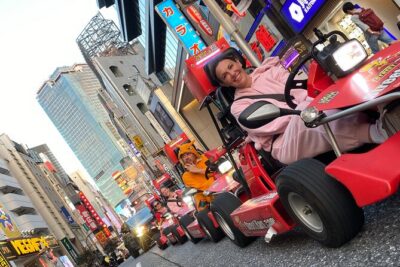
- Choose a costume before departure: Outfits add a playful touch to the photos, with choices such as Pikachu-style costumes and other character looks.
- See four central districts in one hour: The route links Harajuku, Omotesando, Yoyogi Park, Shinjuku, and Shibuya.
- Ride with a small group: A maximum of four participants makes it easier for the guide to watch the group and help nervous drivers.
- Get photos without paying an extra photo fee: Digital images, one hard-copy picture, and a camera mount are included. An action camera itself is not.
- Bring the right driving documents: Japan accepts a physical 1949 Geneva Convention International Driving Permit from an official agency, not an online permit or card.
What the one-hour Tokyo route feels like
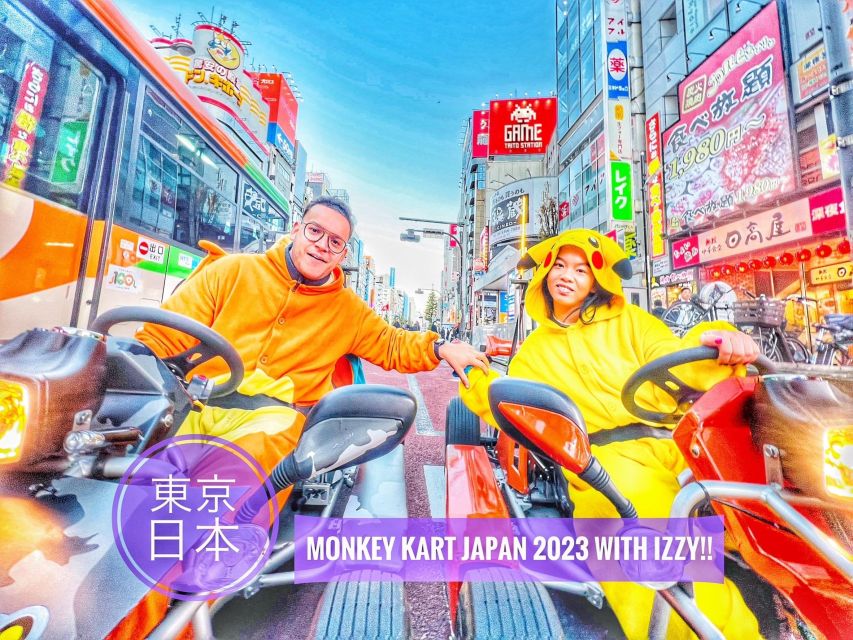
This is not a sightseeing bus with a quick photo stop. You are operating the go-kart yourself on public roads, so the experience mixes city viewing with the concentration of driving. The guide leads from the front, gives instructions, and manages the group as you move between districts.
The karts are described as custom-built and easy to handle once you understand the controls. Several guests who felt nervous at first settled in within a few minutes. Still, you need confidence behind the wheel. You will be dealing with traffic, turns, stops, and the guide’s signals while also trying to enjoy the scenery.
The route is packed for its one-hour length. You pass through Harajuku, travel along Omotesando, go by the greenery of Yoyogi Park, and continue toward Shinjuku and Shibuya. Exact traffic conditions affect the pace, so the ride is not identical every time.
The guides add useful context as you go. They point out buildings and notable spots, though the main pleasure is the sense of moving through Tokyo under your own power. At some stops or traffic lights, you may have time to take pictures with your own phone, while the guide photographs the group from selected points.
A few more Tokyo tours and experiences worth a look
Starting at Monkey Kart SHIBUYA
You meet at Monkey Kart SHIBUYA. Before setting off, expect a check of your passport and driving documents, followed by a safety briefing and an instructional video. Staff prepare the kart, help you get buckled in, and explain what to do on the road.
This preparation matters. Tokyo traffic can feel intimidating when you first sit low in a go-kart, especially if you are not used to driving in Japan. The guides use hand signals and explain how to respond when the group slows or stops.
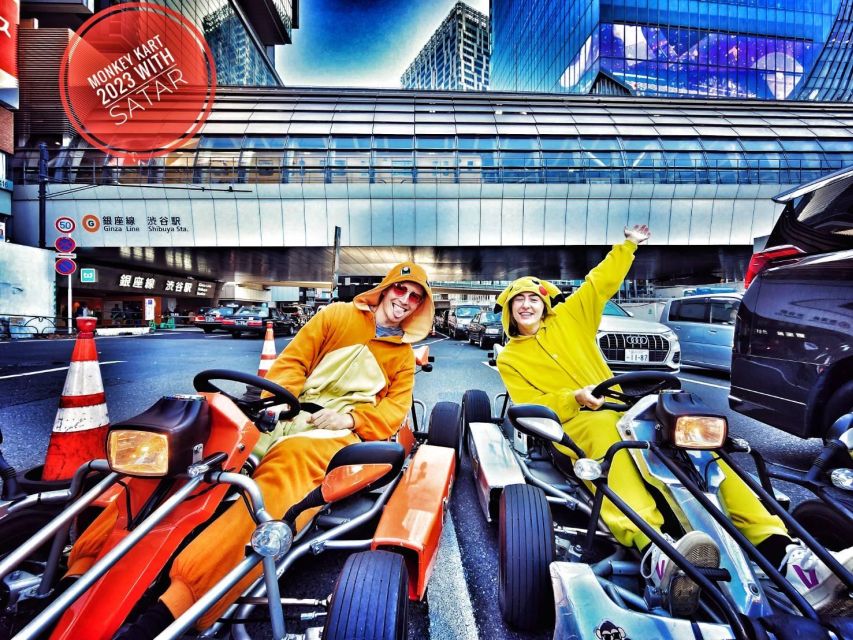
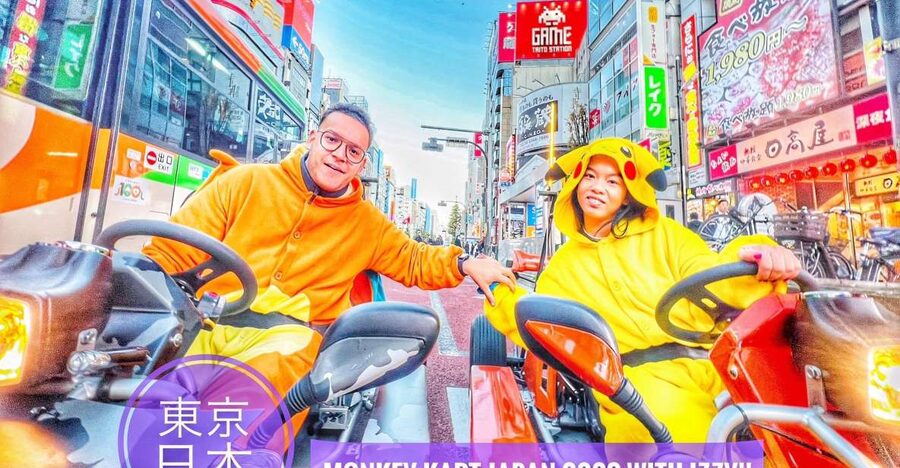
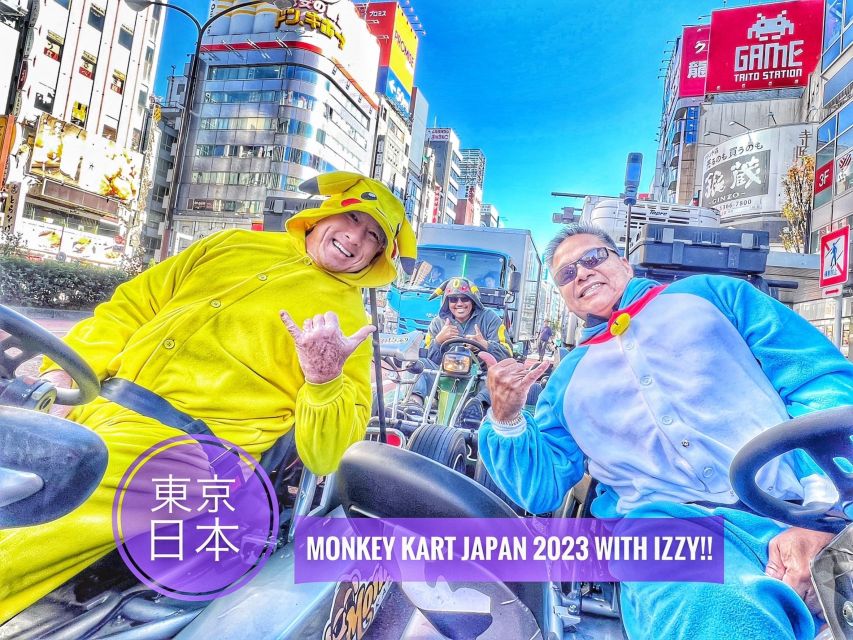
You can choose a costume before the ride. This is not a minor extra. A costume changes the mood from a standard city drive into something more theatrical, and it gives the photo stops a clear theme. The available outfits vary, but character costumes and playful choices are part of the experience.
The shop provides water, and there is a secure place to leave your phone, passport, and international driving permit. You can bring your phone for pictures and videos when stopped, but you should not try to use it while driving.
Harajuku and Omotesando: style before speed
The first part of the route takes you through Harajuku and along Omotesando. Harajuku is known for youth fashion and colorful street culture, while Omotesando has a more polished feel, with broad avenues and high-end shops.
From a go-kart, you get a street-level view that differs from walking these areas. You notice the movement of traffic, the changing shopfronts, and the way Tokyo shifts from quirky to refined within a few blocks. The route does not give you time to browse stores or stop for food, so think of this section as a moving introduction rather than a full visit.
Omotesando is also a useful early stretch for getting comfortable with the kart. You are still close to the starting area, and the guide can correct your pace or positioning before the route reaches its most exciting section.
The costumes attract attention. People on the pavement may look over, wave, or take pictures, which becomes part of the fun. If you prefer a quiet tour with no attention, this is probably the wrong activity.
Yoyogi Park and the shift toward Shinjuku
The route continues past Yoyogi Park, one of the central city’s largest green spaces. You do not stop for a park walk, but the trees offer a welcome change from commercial streets and tall buildings.
This part of the ride shows why the tour works better than a short drive around Shibuya alone. In one hour, you see several different sides of Tokyo. Harajuku brings fashion and youth culture, Omotesando feels sleek, Yoyogi Park brings open space, and Shinjuku adds a larger, more intense city setting.
As you approach Shinjuku, the surroundings become more vertical and visually busy. Depending on the time of day, traffic may limit how quickly the group can move. A morning departure can have quieter roads, while an evening outing adds more lights and atmosphere. One guest who rode at 5 p.m. especially enjoyed the night setting, while another found a 9:30 a.m. departure useful for lighter traffic.
You should not book this expecting a race. The guide controls the pace, and road conditions come first. The excitement comes from the setting, the low open kart, and the feeling of driving through Tokyo, not from competing with the other participants.
Shibuya Crossing is the big payoff
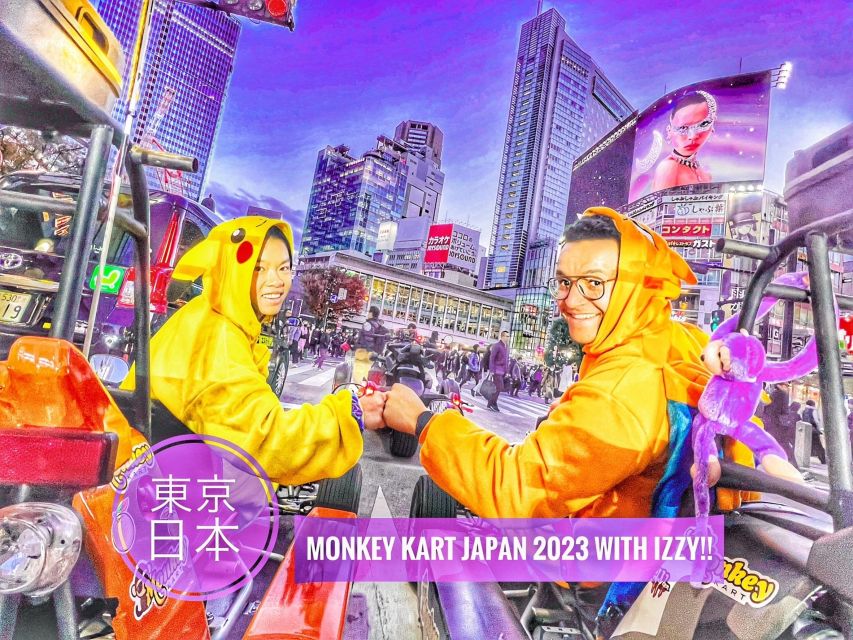
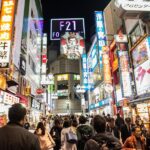
The central moment is driving through Shibuya Crossing. From the sidewalk, you watch waves of people cross beneath giant screens. From the kart, you become part of the scene, moving through the intersection while pedestrians and other drivers look on.
The crossing is brief, but it is memorable because the setting is so recognizable. Your guide positions the group and helps everyone move through safely. On some departures, the group may cross a second time if the schedule and route allow, but you should not count on that as a guaranteed part of every ride.
The guide takes photographs at selected points, including the major crossing and other central Tokyo backdrops. This is one of the best features of the package. You can focus on driving instead of asking a stranger to take pictures, and you receive the images afterward.
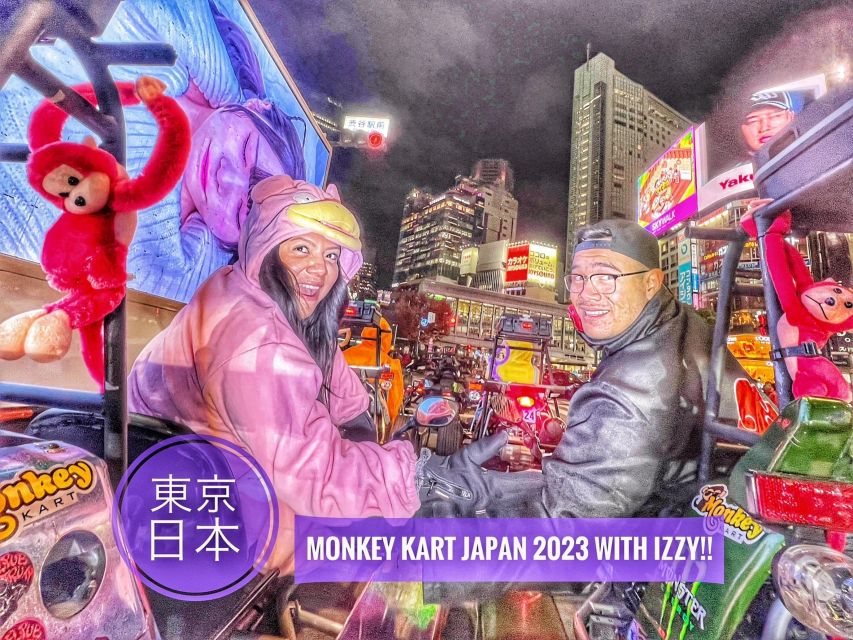
The evening version has the strongest visual appeal. Tokyo’s signs and screens shine after dark, and costumes show up well in the photos. Daytime rides can offer clearer views and easier road conditions. I would choose based on your priority: lights and atmosphere at night, or a calmer drive in the morning.
Other photography tours in Tokyo

The guides make a real difference
A go-kart tour on public roads depends heavily on the guide. The staff members praised most often include Rakesh, Luna, Reece, Serhii, Julian, Ken, Izzi, Shing, and others. Availability changes, so you may not be able to select a particular person when booking.
The useful traits are consistent. Guides explain the controls clearly, watch the group, give hand signals, and keep the mood light. Several guides also take photos at each stop and share the digital files afterward. Rakesh, in particular, is noted for taking both action shots and videos, while Luna is often singled out for checking that everyone feels comfortable.
This matters if you are nervous. You need to drive the kart yourself, but you are not left to work out the route alone. A small group of four gives the guide a reasonable chance to keep an eye on each driver.
The experience suits people who can follow instructions and remain alert in traffic. It is less suitable if you dislike driving, feel uneasy on public roads, or want a relaxed sightseeing ride where you can simply look around.
Cost and what you receive for $90
At $90 per person, this is not the cheapest way to see central Tokyo. You can walk through Shibuya and Harajuku for free, and public transport costs far less. The question is what you are paying for.
The price covers the kart, guide, costume option, water, photo session, digital photos, one printed photo, and an action camera or Insta 360 mount. You still need to provide the camera if you want to use that mount. The included photos add real value because professional-looking action pictures are difficult to arrange while you are driving.
You are also paying for a tightly managed experience in which the guide handles the route and group movement. If you value unusual photos, a small group, and the chance to drive through Shibuya Crossing, the price is reasonable. If you mainly want to see landmarks and hear detailed commentary, a walking tour or city sightseeing bus may give you more information for less money.
The one-hour duration is both a strength and a weakness. It fits neatly into a busy Tokyo schedule and works well as an evening activity. But once you pass the first few minutes of nervousness, you may wish it lasted longer. One guest’s only real complaint was that an hour was not enough.
The driving permit rules are strict
Do not leave this paperwork until you reach Japan. All drivers must be at least 18 and must bring a physical, hard-copy 1949 Geneva Convention International Driving Permit issued by an official agency in their home country, such as AAA, AA, CAA, or another recognized authority.
Japan does not recognize 1968 Vienna Convention permits, IDA permits, or IAA permits for this activity. Online copies, photocopies, and card-style licenses are not valid.
There are separate rules for licenses from France, Switzerland, Taiwan, Germany, Monaco, and Belgium. Drivers from those places need a Japanese translation of their local license, obtained through the Japan Automobile Federation, known as JAF.
Driving permits from Indonesia, Pakistan, Saudi Arabia, Mexico, Brazil, Costa Rica, Colombia, Kuwait, Qatar, and some other countries may not be accepted. Check your eligibility with the official issuing agency before booking, and obtain the document before leaving your country.
This is the most important practical point in the entire experience. Having a normal home driving license is not enough.
Practical comfort and small drawbacks
The karts are open to the air, so weather affects the ride. The tour may be rescheduled because of rain. Dress for the forecast and remember that moving through Tokyo can feel cooler than walking, especially in the evening.
The vehicle has an engine, and one guest noted that the smell of fuel was stronger at the back of the group. A simple mask may help if you are sensitive to fumes. You may also find the road noise and traffic more noticeable than expected.
Alcohol is not allowed in the vehicle. Pregnant women, children under 18, and people over 95 should not take part.
The experience is designed for a maximum of four participants. That keeps things personal, but it also means the tour may feel different if you are the only person booked for your time. In that situation, the guide may have more flexibility with the pace or route, but this is not promised.
How to get the best photos
Wear the costume if you are comfortable with the playful side of the experience. It makes the images more distinctive than ordinary street shots, and the contrast between a character outfit and Tokyo’s city lights is part of the appeal.
Keep your own phone stored safely while driving. You may use it when stopped at a traffic light, according to the tour guidance, but the guide also takes photos for you. The operator provides digital images and one printed copy, with some guides sharing extra videos when available.
If you own an action camera or Insta 360, the mount gives you another way to record the ride. The camera itself is not included, so bring your own compatible device if that matters to you.
Ask the guide about the photo stops at the start. Guides such as Rakesh and Serhii have been praised for taking many pictures, but the exact number and style depend on the route, traffic, weather, and guide.
Who should book this Tokyo activity?
I would choose this for an adventurous adult who wants a story to tell, not for someone searching for a quiet introduction to Tokyo. You should be comfortable driving, able to follow directions in English, and willing to attract some attention in costume.
It works especially well for couples, friends, and families with adult children. The small group setup also suits solo participants, though the social feel depends on who else books the same time.
This is a strong pick if you have already seen Tokyo from trains, pavements, and observation decks. It gives you a completely different viewpoint and connects several major districts quickly.
I would skip it if you cannot obtain the required permit, dislike public-road driving, are sensitive to fuel fumes, or want plenty of time at each landmark. The route passes the sights, but it does not replace visiting Harajuku, Yoyogi Park, Shinjuku, or Shibuya on foot.
Should you book the Shibuya Crossing go-kart tour?
Book it if the experience itself is your priority. For $90, you get the kart, guide, costume option, small group setting, digital photos, and a printed souvenir. The ride is short, but the combination of Tokyo streets, Shibuya Crossing, and guide-led photos is hard to duplicate.
Before paying, confirm your driving documents, check the weather, and choose a time that matches your preference for quieter roads or nighttime lights. If all of that works, this is a lively, memorable addition to a Tokyo visit. If not, explore the same districts on foot and save the money for a longer, more relaxed outing.
FAQ
How long does the Tokyo go-kart experience last?
The tour lasts one hour. Starting times vary, so check availability when choosing your booking.
Where does the tour meet?
You meet at Monkey Kart SHIBUYA.
What driving permit do I need?
You need a physical, hard-copy booklet of a 1949 Geneva Convention International Driving Permit issued by an official agency in your country. Online copies, photocopies, card licenses, 1968 Vienna Convention permits, IDA permits, and IAA permits are not accepted.
Are there special rules for French, Swiss, Taiwanese, German, Monaco, or Belgian licenses?
Yes. Drivers with licenses from France, Switzerland, Taiwan, Germany, Monaco, and Belgium need a Japanese translation of their local license. The physical translation can be obtained from a JAF office.
Are photos included in the price?
Yes. The package includes a photo shoot, digital photos, and one hard-copy photo. An action camera is not included, although an action camera or Insta 360 mount is provided.
Can children join the tour?
No. Participants must be at least 18 years old. The activity is also not suitable for pregnant women or people over 95.
More Photography Tours in Tokyo
More Shibuya Tours in Tokyo

More tours in Tokyo we've reviewed












Go-Karts, compared.
 ★ 5.0Flagship 2-Hours Official Street Go-Kart Tour – Tokyo Bay ShopFrom $642 hours to 2 hours 30 minutes (approx.)
 ★ 5.0Official Street Go-Kart in ShibuyaFrom $76
 ★ 5.0Official Street Go-Kart Tour – AkihabaraFrom $61
 ★ 5.0Tokyo Go Kart: Asakusa, Skytree, and Akihabara **IDP MUST**From $99
 ★ 5.0Shibuya Official Street Go-Kart in Shibuya AnnexFrom $69
 ★ 4.6Tokyo: Asakusa and Skytree Go-Kart Tour and Photo ShootFrom $67