Reviewed · JDM & CAR CULTURE
Tokyo: JDM Scene Tour with Daikoku PA & Tokyo Tower
Tokyo’s car culture makes the city feel like a film set, and this tour puts you inside the scene. You ride through tunnels and along the Wangan highway in a rotating line of modified cars, then spend about an hour at Daikoku Parking Area, Japan’s best-known car meet.
In This Article
- Why this Tokyo car tour is worth your evening
- Starting in Akihabara with petrolhead company
- Tokyo’s tunnels and the Wangan highway
- Daikoku PA, the hour that makes the tour special
- A PIT AutoBacs for parts, books, and souvenirs
- Tokyo Tower closes the loop
- The car lineup is exciting, but not fixed
- Is $124 a fair price?
- Who will enjoy this, and who should skip it?
- My verdict on the Tokyo JDM Scene Tour
- FAQ
- Where does the tour start?
- How long does the experience last?
- Which languages are available?
- Will I ride in a JDM car?
- Can I switch cars during the tour?
- Is Daikoku Parking Area always included?
- Is Tokyo Tower admission included?
- Can I cancel the booking?
I like two things right away: you are with local enthusiasts rather than a standard sightseeing guide, and the cars may change during the evening, giving you more than one taste of the scene. The multilingual team, including drivers such as Yuto, Ayumu, Hiro, and Kei, adds a friendly, personal touch.
The main consideration is that the exact car lineup can change. Some departures may feature several European cars alongside JDM models, and Daikoku PA can close without notice on weekends or holiday periods.
Why this Tokyo car tour is worth your evening
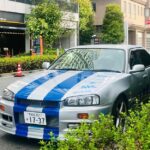
- Modified cars, not a generic sightseeing van: Depending on the departure, you might ride in an R34 Skyline, R35 GT-R, Silvia S15, NSX, WRX, Lancer Evolution, GT86, Supra, or a high-powered tuned car.
- Daikoku PA is the main event: Allow about an hour to see custom builds gathered at Tokyo’s famous highway rest area.
- The drive is part of the attraction: Tokyo’s tunnels, bridges, and Wangan highway provide the setting, not just transportation between stops.
- Car changes add variety: Small groups have often been able to switch cars during the route, though this depends on the group and available vehicles.
- A PIT AutoBacs gives you a practical look at the scene: You can browse JDM parts, books, clothing, accessories, and car merchandise.
- Tokyo Tower gives the night a classic finish: It is mainly a photo stop, with admission not included.
Starting in Akihabara with petrolhead company
The meeting point is at 4-chōme-3-3 Sotokanda in Akihabara, though the exact pickup point can vary with the option you book. Akihabara is an easy place to reach by train and a fitting launch point, since this electric-town district already feels tied to Japan’s pop culture and modified-car world.
Do not expect a long introductory talk. The appeal is getting near the cars quickly, meeting the drivers, and setting off as a small convoy. The group size is limited, and past departures have included anything from a few passengers in several cars to roughly ten or twelve people spread among four cars.
That smaller format matters. You can ask about exhausts, engine work, suspension, body kits, and Japanese car culture without shouting across a large tour bus. The drivers speak English, Japanese, or German, and their enthusiasm is a major part of the evening.
Names that have received especially warm attention include Yuto, Ayumu, Hiro, Kei, Yudo, Jay, and Ayumi. The team is not presented as a formal museum staff. You are spending time with people who own, drive, and modify cars, so the conversation tends to feel more like a casual car meet than a scripted tour.
A few more Tokyo tours and experiences worth a look
Tokyo’s tunnels and the Wangan highway
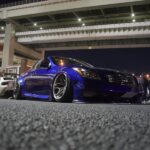
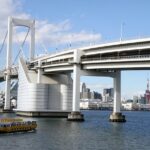
The drive gives the tour its pulse. Tokyo looks different from inside a sports car, especially after dark, when bridges, tunnel lights, and towers slide past the windows. The route uses Tokyo’s tunnel network and the Wangan highway, a road closely linked with the manga and anime Wangan Midnight.
This is not a race, and city traffic remains part of the experience. Some sections can be quick and exciting, while other stretches slow down for traffic lights or congestion. That contrast is useful to understand before booking: you are paying for a spirited car-culture outing, not a guaranteed high-speed run from start to finish.
Several passengers have singled out the tunnel and highway sections as their favorite part. The sound of a tuned WRX, Silvia, GT-R, or other performance car changes the mood completely when it echoes through an enclosed road. The route also gives you moving views of Tokyo that you would not get from a normal walking tour or taxi ride.
The strongest departures seem to make the drive social as well as fast. Drivers may play music, explain their cars, and arrange a change of vehicles at a stop. One passenger particularly enjoyed Ayumu’s WRX and Yudo’s playlist, while another praised Hiro’s Silvia for its Tokyo Drift feel.
You should keep expectations sensible. A city highway is not a private circuit, and the exact pace depends on road conditions, traffic, and the driver. If motion makes you uncomfortable, this is not the right outing. The activity specifically advises against booking if you suffer from motion sickness.
Daikoku PA, the hour that makes the tour special
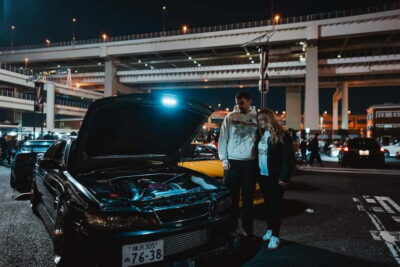
Daikoku Parking Area is the centerpiece. Located by Yokohama’s port-side highway network, it is famous for car gatherings and unusual custom builds. The stop lasts about an hour, giving you time to walk around, photograph cars, and talk with the drivers before the group moves on.
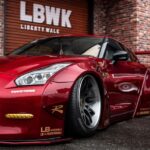
This is where the experience becomes more than a drive in a modified vehicle. You see how Japanese car culture works as a social scene, with owners bringing everything from carefully restored older cars to heavily altered modern performance models. The lineup is never fixed, which is part of the fun. You might find rare JDM machinery, luxury performance cars, tuned imports, or cars that are interesting because of their owner’s personal choices.
The atmosphere can be more memorable than any single car. The drivers help you understand what you are looking at, and multilingual conversation makes it easier to ask questions. If you know the difference between an Evo and an Impreza, you will have plenty to discuss. If you only know that you like the look and sound of fast cars, you can still enjoy the stop.
Bring a camera. Daikoku’s open parking setting, rows of cars, and night lighting offer some of the best pictures of the evening. You should also dress for the conditions, since the visit involves standing and walking outside. Food and drinks are not included or allowed in the vehicle, so do not treat the stop as a meal break.
There is one important catch. During Golden Week, New Year’s, weekends, and other holiday periods, Daikoku PA may close or open later without warning. The operator may replace it with Umihotaru PA, another highway rest area with views and a different atmosphere. That change can be disappointing if Daikoku is your main reason for booking, but it is better to know that access is not guaranteed.
A PIT AutoBacs for parts, books, and souvenirs
After Daikoku, the group visits A PIT AutoBacs in Shinonome. This is not simply a convenience stop. It is a large car-oriented retail space where you can browse JDM parts, accessories, books, clothing, and merchandise.
For a dedicated enthusiast, this may be the place to find something practical to take home. Even if you are not shopping for parts, the shelves help explain how broad Japan’s car hobby can be. You can look at tuning products and automotive publications, then compare the real-world shopping scene with the cars you have just seen at Daikoku.
Keep your budget in mind. One passenger felt that some items were overpriced, so I would treat A PIT as a browsing stop rather than assume it offers bargain shopping. You do not need to buy anything for the visit to be worthwhile.
The schedule lists no set sightseeing time here, so the stop is likely more compact than Daikoku. If you want a long shopping session, this tour may feel rushed. If you want to see a major Japanese automotive retailer without giving up much of your evening, it fits well.
Tokyo Tower closes the loop
The final sightseeing stop is Tokyo Tower. The tour uses it as a photo stop, so you can frame the brightly lit tower with the city around it and take a few last pictures before returning to Akihabara.
Tokyo Tower is a smart contrast to the car-focused parts of the evening. Daikoku shows a grassroots side of Tokyo, with owners and enthusiasts gathering around modified machines. Tokyo Tower gives you the familiar postcard image and a clear sense of place.
Admission to the tower is not included. The listed visit is sightseeing and photography, not a full observatory visit, so check what your departure includes if going up the tower matters to you. In practice, this stop works best as a short visual finale rather than the main attraction.
Some departures have added an extra viewpoint when weather or timing allowed. That is not a guaranteed part of the route, but it shows how the drivers can adjust the evening rather than rush you from one fixed point to the next.
The car lineup is exciting, but not fixed
The advertised range is wide. Potential cars include:
- R35 GT-R and R34 Skyline
- Lancer Evolution and Subaru Impreza WRX
- Honda NSX NA1
- Toyota GT86 and Supra
- Nissan Silvia S15
- BMW 335i Cabriolet
- Audi S5 with APR tuning
- Mercedes-Benz S63 AMG
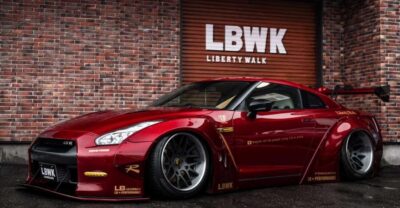
- Liberty Walk builds and other custom cars
That list should be read as a sample, not a promise that every car will appear on your date. Cars are privately owned, availability changes, and the group may be split among several vehicles.
Car rotation is one of the tour’s best features when it happens. Instead of spending the whole route in one cabin, you may ride in different cars and compare their sound, seating position, acceleration, and personality. A group of six, for example, was able to switch among three cars, while other small groups sampled more vehicles during the evening.
There is also a fair criticism to consider. One JDM-focused passenger found a departure with three European cars out of four disappointing, even though an Evo 7 later improved the experience. If your heart is set on an R34, NSX, or Silvia, contact the operator before booking and ask what is expected for your date. The tour offers access to the scene, not a guaranteed model-specific drive.
Is $124 a fair price?
At $124 per person, this is not a cheap way to get from one Tokyo district to another. You are paying for a small-group evening, local drivers, access to privately owned modified cars, the highway drive, Daikoku, A PIT AutoBacs, and Tokyo Tower.
The value is strongest if you would otherwise struggle to reach Daikoku. The parking area is not a simple central Tokyo attraction, and seeing it as part of a coordinated car outing saves you the trouble of sorting out transport and timing on your own. You also get the social side, which is hard to reproduce by visiting a car shop alone.
The price is less convincing if you only want a quick look at Tokyo Tower or a normal city drive. You could spend far less on ordinary public transport and sightseeing. The tour earns its cost through the cars, the drivers, and the access to a scene that is difficult to understand from a distance.
The score of 4.9 from 190 ratings reflects how consistently the core experience has worked for car fans and curious first-timers. Still, the two variables that matter most are the car lineup and Daikoku’s opening status. Check both before you commit if they are central to your plans.
Who will enjoy this, and who should skip it?
I would recommend this to anyone who likes Japanese performance cars, car photography, anime-inspired car culture, or unusual city experiences. You do not need to be an expert. Several people who were not serious car fans still enjoyed the city views, the meet, the sound, and the chance to see Tokyo from a different angle.
It works especially well for:
- Couples or friends who want a memorable night activity
- Parents with older teenagers who enjoy cars
- Visitors who have already seen Tokyo’s main daytime sights
- JDM fans hoping to visit Daikoku PA
- People who prefer a small group to a large bus tour
- Anyone comfortable with energetic driving and changing plans
The activity is not suitable for children under three, babies under one, pregnant people, or those over 70. It is also a poor match for anyone prone to motion sickness. Oversize luggage, pets, food, drinks, alcohol, and drugs are not allowed in the vehicles.
You should bring a camera and leave large bags at your accommodation. Wear something comfortable for a stop that may involve standing outdoors, though the tour information does not specify a dress code or weather policy.
The advertised duration is three hours, with the booking details also showing 210 minutes. In practice, allow the full stated window and remember that traffic, late arrivals, or a change in Daikoku access can affect the timing. The group has waited for late passengers on some occasions, but you should still arrive at the stated meeting point on time.
My verdict on the Tokyo JDM Scene Tour
Book it if the idea of riding through Tokyo in a modified car sounds more exciting than another bar, observation deck, or food tour. The best parts are the personal drivers, the tunnel and Wangan run, the hour at Daikoku, and the chance to switch cars when the group allows it.
Before paying, ask about the likely car lineup and confirm the meeting point. If Daikoku is closed, you will visit Umihotaru PA instead, so accept that possibility. Also remember that Tokyo traffic limits how fast the evening can feel.
For a car enthusiast, $124 is a reasonable price for access to Tokyo’s night car scene and a group of local people who genuinely enjoy talking about their machines. For a casual sightseer, it is more specialized, but still a lively way to see the city if you are comfortable with speed, noise, and a little uncertainty.
FAQ
Where does the tour start?
The stated starting point is 4-chōme-3-3 Sotokanda in Akihabara, but the exact meeting point may vary according to the option booked.
How long does the experience last?
The tour is advertised as three hours, and the booking details also show a duration of 210 minutes.
Which languages are available?
Live guidance is available in English, Japanese, and German.
Will I ride in a JDM car?
The available cars can include JDM models such as the R34 Skyline, R35 GT-R, Silvia S15, NSX, WRX, Evo, and GT86. The lineup changes, and some departures also include European performance cars.
Can I switch cars during the tour?
Small groups have been able to change cars during the route. This depends on the group size, vehicle availability, and the arrangements for that departure.
Is Daikoku Parking Area always included?
Daikoku PA is the planned main stop, but it can close or open later without notice during weekends, Golden Week, New Year’s, and other holiday periods. Umihotaru PA may be used instead.
Is Tokyo Tower admission included?
No. The tour includes a photo stop and sightseeing at Tokyo Tower, but admission fees are not included.
Can I cancel the booking?
You can cancel up to 24 hours before the activity for a full refund. A reserve-now, pay-later option is also available.
More JDM & Car Culture in Tokyo
More tours in Tokyo we've reviewed












JDM & Car Culture, compared.
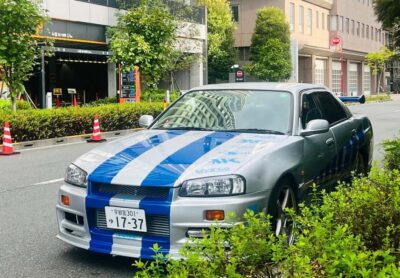 ★ 4.8Tokyo: Fast & Furious Tokyo Drift 3 Experience (Kaila Yu SP)From $157
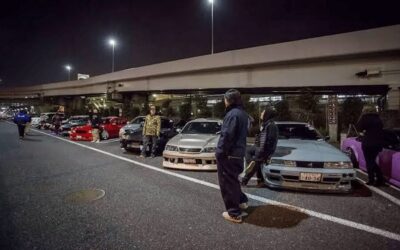 ★ 4.8Tokyo: FAST&FURIOUS EXPERIENCE Daikoku Tokyo Car ClubFrom $157
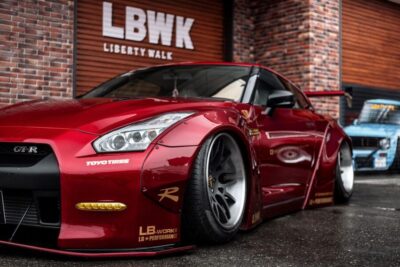 ★ 4.8Tokyo Drift: GT-R Car Club R35 Liberty Walk Daikoku meetingFrom $240
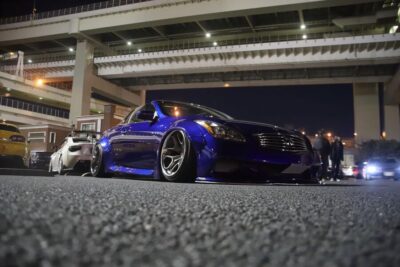 ★ 4.8Tokyo: Daikoku JDM Fast Furious Drift Style Car ExperienceFrom $123
 ★ 4.8Tokyo Drift: GO Daikoku Car Meet R34 Skyline Car ClubFrom $246
 ★ 4.7Tokyo Drift: Daikoku PA Supreme Car Experience 大黒PAFrom $583 hours