Reviewed · WALKING TOURS
Goshuin Collecting & Garden Walk in Local Tokyo
Tokyo’s goshuin tradition gives this private walk its purpose. With Ma-chan, also called Masami, you visit several quieter temples and shrines around Koto City, learn how Shinto and Buddhist customs differ, and collect handwritten goshuin stamps along the way. I like the local focus and the chance to ask questions without keeping pace with a large group. I also like the Japanese sweets, garden visit, small gifts, and help getting to your next stop from Kiyosumi-Shirakawa Station.
In This Article
- Key points at a glance
- What goshuin collecting adds to a Tokyo walk
- Starting in Monzennakacho with Japanese sweets
- Four quiet temple and shrine visits in Koto City
- Learning how to request a goshuin respectfully
- The garden walk and the change of pace
- Finishing near Kiyosumi-Shirakawa Station
- Price, private format, and what you receive
- Who will get the most from this experience
- Weather, cancellation, and planning advice
- Should you book this goshuin walk?
- FAQ
- How long does the Goshuin Collecting and Garden Walk last?
- Where does the tour begin?
- What time does the tour start?
- Where does the tour end?
- Is this a private tour?
- Are goshuin stamps included?
- Is the garden entrance included?
- Does the tour include food?
- Is a bus pass included?
- What happens if the weather is poor?
- Can I cancel for a full refund?
- Are comfortable shoes necessary?
The main thing to consider is that the tour runs only about two to three hours, so the exact sites and pace matter. Goshuin stamps are not included in the price, and the description mentions a one-day bus pass while the inclusions list does not clearly confirm it, so I would check that detail before booking.
Key points at a glance
- Collect goshuin at lesser-known sites: You visit several temples and shrines that are easy to miss on a first Tokyo trip.
- Ma-chan guides the cultural details: Masami helps you understand how to request goshuin and behave respectfully at religious sites.
- A Japanese sweets stop starts the day: The walk includes a short snack break in Monzennakacho.
- A local garden adds a change of pace: Garden admission is included, giving the tour more variety than a stamp-only outing.
- Private and flexible: Only your group joins, with time to ask questions and adjust the pace.
- Goshuin costs extra: Bring money for the stamps, as they are specifically excluded from the tour price.
What goshuin collecting adds to a Tokyo walk
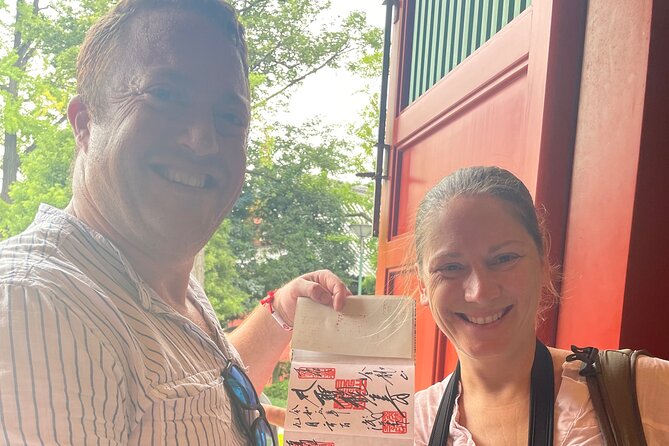
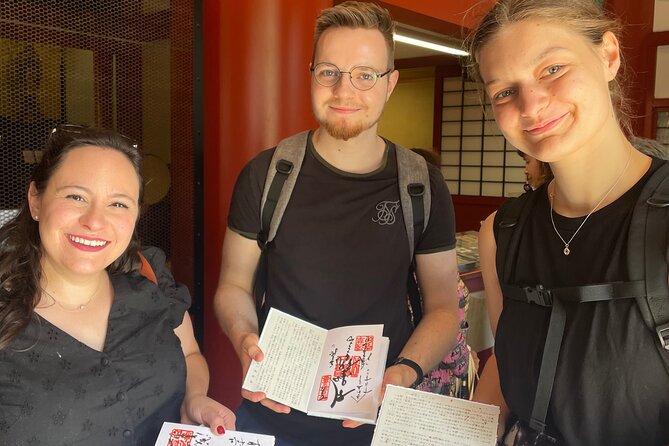
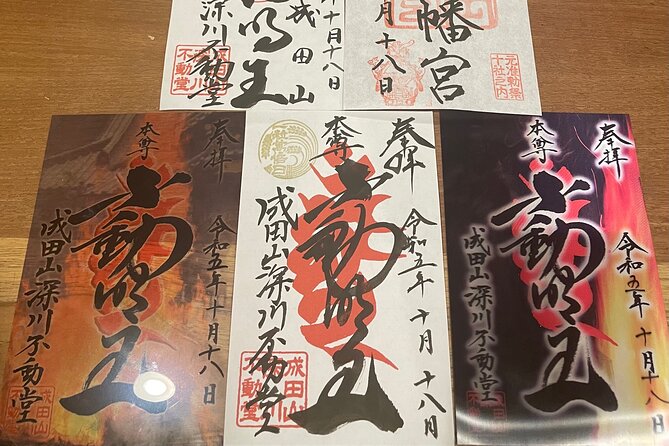
A goshuin is more than a souvenir stamp. It is usually a handwritten calligraphic inscription and seal received at a temple or shrine, often recorded in a dedicated goshuin book. The book becomes a record of places visited, but the act of requesting each entry also brings you into contact with the customs of the site.
That can feel awkward at first. You need to know when to pray, where to request the goshuin, and how to avoid treating a religious place like a stamp counter. This is where Ma-chan’s role matters. She helps you feel more at ease with the process and explains the difference between Buddhist temples and Shinto shrines.
The experience is aimed at people who want more than a quick photograph. You are not simply moving from one famous sight to the next. You are using a small personal project, collecting goshuin, to notice parts of Tokyo that often receive little attention from first-time visitors.
The private format helps here. You do not need to wait for strangers or worry about asking too many questions. You can stop to look, take notes, or ask for clarification when a ritual or symbol is unfamiliar.
Other walking tours we've reviewed in Tokyo


Starting in Monzennakacho with Japanese sweets
The meeting point is at 1-chome-9-10 Tomioka in Koto City, with a 10:00 a.m. start. The area is near public transportation, which makes the beginning practical, though you should still allow time to find the exact meeting point in Tokyo’s dense street network.
The first scheduled stop is a 15-minute snack break in Monzennakacho. You can enjoy Japanese sweets before continuing. This is a small part of the tour, but it gives the morning a friendly beginning and breaks up the religious visits with something distinctly local.
The listed time is short, so think of this as a tasting pause rather than a full food tour. It is a useful touch for anyone who appreciates a little refreshment during a walking experience, but it should not be the reason you book.
Monzennakacho also sets the tone for the rest of the morning. You are meeting in an ordinary Tokyo neighborhood rather than at one of the city’s headline attractions. That makes the tour feel more like a guided local outing than a checklist of major sights.
Four quiet temple and shrine visits in Koto City
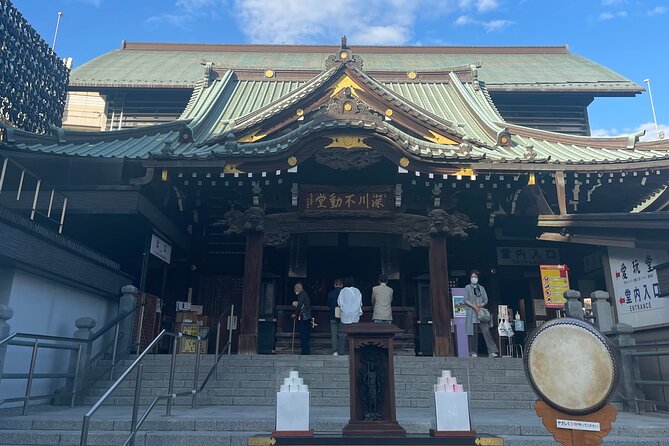
After the snack stop, the schedule includes four separate visits in Koto City. The public details do not name each site, and that means you should not expect a fixed list of famous landmarks. The appeal is the route chosen by the guide and the chance to see religious places you might not locate on your own.
The visits are scheduled for approximately 30 minutes, 45 minutes, 40 minutes, and 20 minutes. That suggests a mix of longer stops for explanation and goshuin collection, along with shorter visits where you may pause, pray, and move on.
The longer 45-minute stop should give you the most room to ask questions and look carefully at the setting. The 40-minute stop offers similar breathing space. The shorter 20-minute visit will likely feel more focused, especially if you are requesting a goshuin and learning the basic etiquette.
I appreciate that the tour does not try to pack every possible shrine into one morning. Collecting goshuin can become rushed if you are constantly watching the clock. A smaller number of stops lets you pay attention to the act itself.
At the same time, the lack of named sites is a real point to weigh. If you want a tour built around a famous temple or a particular architectural masterpiece, this may feel too open-ended. If you want a local route led by someone who knows which smaller places are worth your time, the flexibility is a benefit.
Learning how to request a goshuin respectfully
For a first-time collector, the practical instruction may be the most useful part of the tour. You learn how to approach a temple or shrine, when to request the inscription, and how the practice fits into the visit.
The experience is also helpful if you have already started collecting but still feel unsure. One person who had recently begun collecting goshuin found the tour helped with etiquette and the process of requesting stamps. That is exactly the sort of small confidence boost that can improve the rest of your Japan trip.
Ma-chan’s guidance covers both Shinto and Buddhism. That distinction matters because temples and shrines have different religious traditions, visual markers, and customs. You can ask questions as you go instead of trying to piece everything together later from a guidebook.
The tone appears personal rather than formal. Ma-chan has been described as friendly, thoughtful, and generous with cultural explanations. She has also helped in practical ways during hot weather, including providing a UV umbrella and building in breaks. Those details are especially useful if you visit during Tokyo’s humid summer months.
Still, remember that goshuin stamps themselves are extra. The tour price covers the guiding and listed inclusions, but you pay separately for each inscription. The exact cost per stamp is not provided, so bring enough Japanese yen or confirm accepted payment methods before setting out.
The garden walk and the change of pace
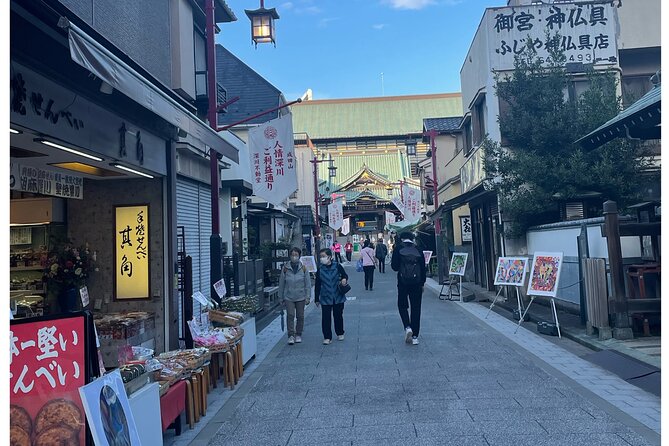
A Japanese garden is included in the route, and the entrance fee for the garden is covered. This gives the morning a welcome shift from temple and shrine visits.
Gardens reward a slower pace. Instead of focusing on a single stamp counter or religious building, you can walk, pause, and take in the arrangement of plants, paths, water, and seasonal details. The supplied information does not identify the garden, so I would treat it as a local stop rather than book this expecting one of Tokyo’s major named gardens.
The garden also helps make the experience feel balanced. A goshuin-focused tour could become repetitive if every stop followed the same pattern. The garden offers time to rest your feet and enjoy a different type of Japanese setting.
The garden entrance is included, but other inclusions are less clear. The overview says the experience includes snacks, a souvenir, and a one-day bus pass. The detailed inclusion list confirms small surprise gifts and garden admission, but it does not clearly repeat the bus pass or specify the snack beyond the itinerary. I would ask the operator to confirm exactly what is supplied before booking, especially if the transport pass affects your plans.





Finishing near Kiyosumi-Shirakawa Station
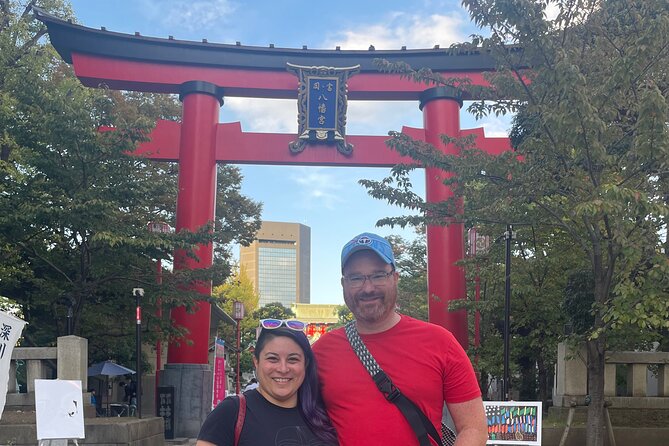
The tour ends at Kiyosumi-Shirakawa Station, at 1-chome-6-13 Shirakawa. Ma-chan offers to help you get where you want to go after the tour at the station, which is a thoughtful practical touch.
The end point also makes the experience easy to connect with the rest of your day. You are not returned to the starting point, so plan your schedule around a one-way route. Kiyosumi-Shirakawa is the place to continue from, not simply a final stop before retracing your steps.
The overall listed timing adds up to roughly two hours and 30 minutes, before any small variations in walking or stamp collection. The advertised duration of two to three hours is therefore realistic. I would keep the rest of your morning or early afternoon reasonably open, since the exact pace may depend on how many questions you ask and how long each goshuin takes.
Price, private format, and what you receive
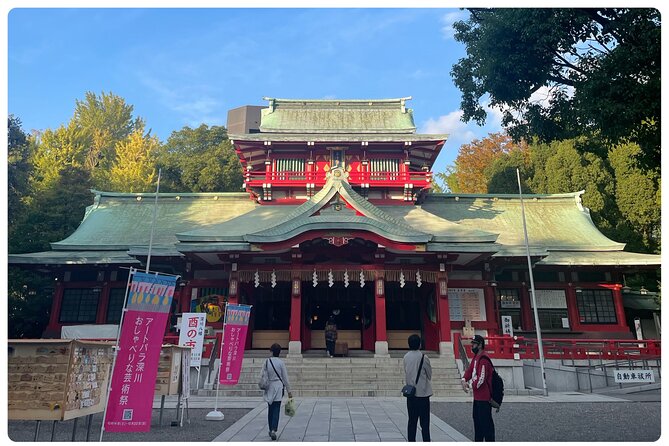
At $35.14 per person, this is priced as an affordable private cultural walk rather than a major sightseeing excursion. The value depends on how much help you want with goshuin collecting.
If you already know the etiquette, can navigate Tokyo comfortably, and plan to visit only one or two sites, you may find it cheaper to go alone. You would also have full control over your route and your stamp purchases.
The price makes more sense if you are new to goshuin, want several stops in one morning, or prefer a local guide to handle the cultural context. You receive a private experience, garden admission, snacks, small surprise gifts, and, for groups of three or more, an extra small souvenir. The possible one-day bus pass could add value, but confirm it because the supplied details are not fully consistent.
The stamps are an additional cost, so budget for them separately. That is normal for goshuin collecting, but it is easy to overlook if you focus only on the advertised tour price.
The group bonus is worth noting for families or friends. Groups of three or more receive an extra small souvenir, although the type of gift is not specified. Solo visitors and couples still receive the private format and listed gifts.
Who will get the most from this experience
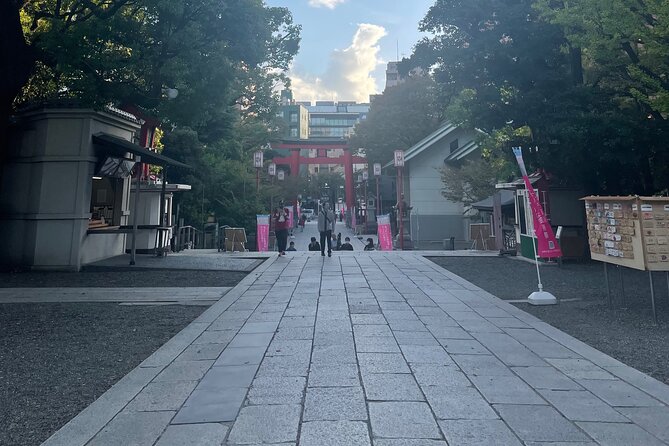
I would choose this tour if you fit one or more of these descriptions:
- You have just started a goshuin book and want to learn the proper way to use it.
- You want quiet religious sites instead of Tokyo’s best-known tourist stops.
- You enjoy asking cultural questions as you walk.
- You prefer a private guide to a large group.
- You want a short morning activity that ends near public transportation.
- You like combining temples, shrines, sweets, and a garden in one outing.
It is less suitable if you need a detailed, publicly listed route before booking. The stop names are kept vague, so the experience depends on the guide’s selected sites. It may also disappoint anyone looking for a full-day tour, a major food experience, or a long garden visit.
The walking requirement deserves attention. Comfortable shoes are advised, and the route includes several stops on foot. Most people can participate, but the experience is not presented as a seated or fully vehicle-based tour.
Service animals are allowed, and the meeting area is near public transportation. The activity is private, so only your own group takes part. Confirmation is sent within 48 hours of booking, subject to availability.
Weather, cancellation, and planning advice
The experience requires good weather. If poor weather forces cancellation, you are offered a different date or a full refund. For your own cancellation, you need to cancel at least 24 hours before the 10:00 a.m. start to receive a full refund.
I would book with a little planning room because the tour is often reserved well ahead, with average bookings made about 74 days in advance. That does not guarantee every date sells out, but it suggests that popular travel periods may require early attention.
Wear comfortable walking shoes and bring a goshuin book if you already own one. If you do not have one, confirm whether Ma-chan can direct you to a place to buy one, since the supplied details do not say that a book is included.
A small amount of planning will make the morning easier:
- Confirm the bus pass inclusion.
- Ask how much to budget for goshuin stamps.
- Check the meeting point carefully.
- Leave your schedule open until at least the stated end of the tour.
- Bring sun protection in hot weather.
Should you book this goshuin walk?
Book it if your main goal is to collect goshuin with confidence while seeing quieter religious sites in Tokyo. Ma-chan’s personal guidance, the private format, the garden, and the chance to ask questions give the experience more substance than a simple shrine-hopping route.
I would be cautious only if you need named attractions, a guaranteed itinerary, or a longer tour. Ask about the bus pass and stamp costs before paying, then book if you like the idea of a relaxed local morning in Koto City. For a first goshuin experience, this is a well-focused and reasonably priced choice.
FAQ
How long does the Goshuin Collecting and Garden Walk last?
The experience lasts approximately two to three hours.
Where does the tour begin?
It begins at 1-chome-9-10 Tomioka, Koto City, Tokyo 135-0047, Japan.
What time does the tour start?
The start time is 10:00 a.m.
Where does the tour end?
It ends at Kiyosumi-Shirakawa Station, at 1-chome-6-13 Shirakawa, Koto City, Tokyo 135-0021, Japan.
Is this a private tour?
Yes. Only your group participates in the activity.
Are goshuin stamps included?
No. The goshuin stamps are not included in the tour price.
Is the garden entrance included?
Yes. The entrance fee for the garden is included.
Does the tour include food?
The experience includes a Japanese sweets stop, and the overview also lists snacks as included.
Is a bus pass included?
The overview says the experience includes a one-day bus pass, but the detailed inclusion information does not clearly confirm it. Check with the provider before booking.
What happens if the weather is poor?
If the tour is canceled because of poor weather, you can receive a different date or a full refund.
Can I cancel for a full refund?
Yes. Cancel at least 24 hours before the local start time for a full refund. Cancellations made less than 24 hours in advance are not refunded.
Are comfortable shoes necessary?
Yes. This is a walking tour, so comfortable shoes are recommended.
More Walking Tours in Tokyo


More tours in Tokyo we've reviewed












Walking Tours, compared.
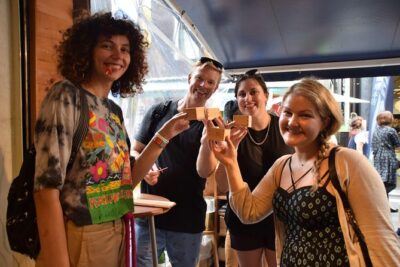 ★ 5.0Tokyo Tsukiji Fish Market Food and Culture Walking TourFrom $99
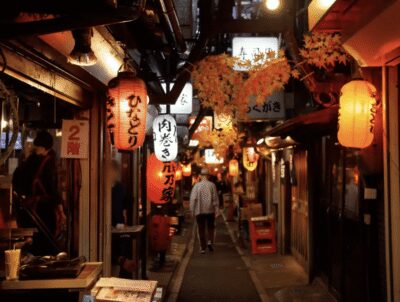 ★ 4.9Tokyo: Shinjuku Local Bar and Izakaya Guided Walking TourFrom $343 hours
 ★ 5.0Tokyo: Tsukiji Fish Market Food and Walking tourFrom $30
 ★ 4.8Tokyo: Asakusa Walking Tour with Sensoji Temple VisitFrom $222 hours
 ★ 4.9Tokyo: Tsukiji Fish Market Guided Walking TourFrom $222 hours
 ★ 4.7Tokyo Castle & Imperial PalaceーShogun Walking TourFrom $232 hours