Reviewed · MT FUJI DAY TRIPS
Tokyo: Full-Day Tour of the Six Majestic Spots of Mt Fuji
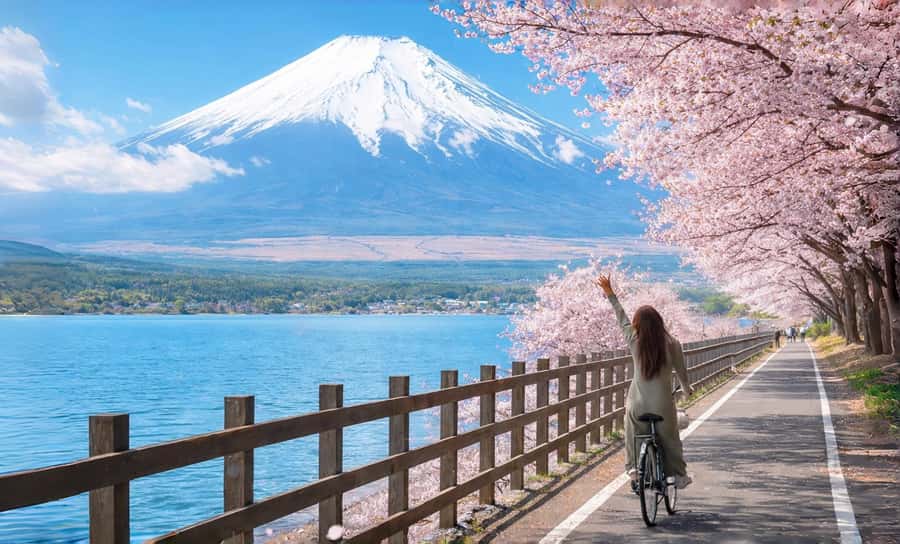
Mount Fuji is the star here, but the clever part of this tour is that you get six very different ways to see it. You might catch a morning reflection with swans at Hirano Beach, frame the peak behind a red pagoda, or find it at the end of a perfectly straight road in a quiet town. The early start matters, especially if Fuji reflections are high on your list.
In This Article
- Six Fuji moments worth planning your day around
- Why this Tokyo to Fuji day trip works
- Hirano Beach and the morning Fuji reflection
- Higashikawa Clock Shop and the straight road to Fuji
- Arakurayama Sengen Park and the famous pagoda climb
- Oshino Hakkai, eight clear springs and a traditional village
- Lawson and the ordinary view that became famous
- Oishi Park and the best season for your flower photos
- Weather is the biggest part of the decision
- Transport, guides, and what the $45 covers
- Who should book this Fuji tour
- Should you book it?
- FAQ
- How much does the Mount Fuji tour cost?
- What is included in the price?
- Is hotel pickup and drop-off included?
- Which languages are available?
- What should I bring?
- Can I see Mount Fuji reflected in Lake Yamanaka?
- Is Arakurayama Sengen Park wheelchair accessible?
- Are food and drinks included?
- Can I bring luggage?
- What happens if weather or traffic changes the itinerary?
I like the variety, and I like the price: at $45 per person, air-conditioned transport, a driver, and a guide make this a practical escape from Tokyo. I also appreciate that the day includes more than photo stops, with springs, village scenery, flowers, and small-town streets. The main catch is simple: Mount Fuji may hide behind clouds, and traffic can stretch the day on weekends and holidays.
Six Fuji moments worth planning your day around
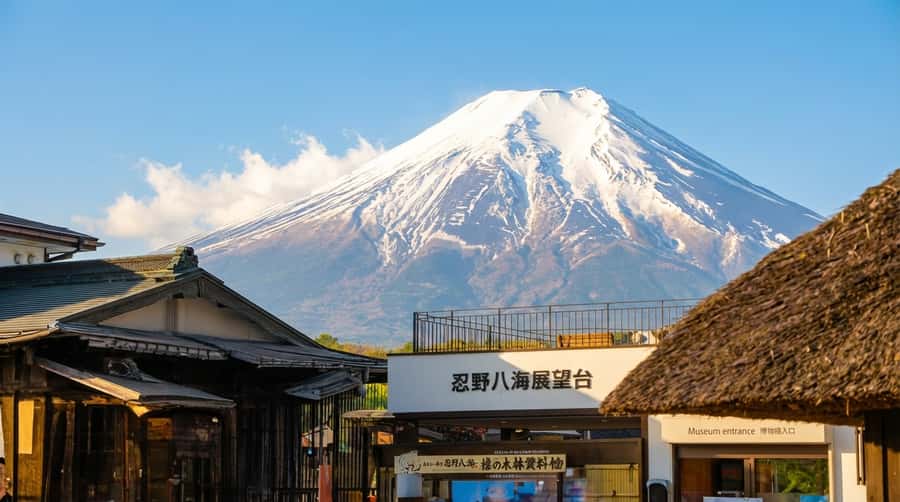
- Hirano Beach reflections: Visit in the morning for the best chance of seeing Fuji mirrored in Lake Yamanaka, with resident swans near the shore.
- Higashikawa Clock Shop street: Photograph a long, straight road that appears to point directly at Mount Fuji.
- Arakurayama Sengen Park: Climb to the famous five-story pagoda for the classic Fuji, pagoda, and seasonal foliage view.
- Oshino Hakkai springs: See eight clear springs fed by snowmelt from Mount Fuji, set among traditional buildings and bridges.
- Lawson convenience store: Make a quick stop at one of Fuji’s most photographed everyday locations.
- Oishi Park flowers: Match your visit to the season for tulips, moss phlox, lavender, begonias, or autumn maple color.
Why this Tokyo to Fuji day trip works
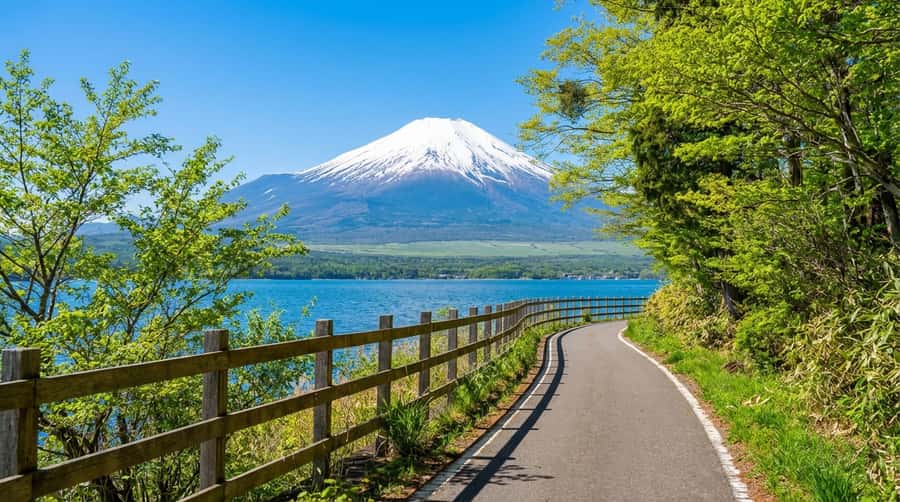
A Mount Fuji outing from Tokyo is not just about reaching one lookout. The mountain changes character depending on what sits in front of it. At Lake Yamanaka, Fuji feels broad and quiet. At Arakurayama, it becomes a picture-book backdrop. At Oshino Hakkai, water and traditional buildings add texture.
That variety gives this tour real value. You are not putting all your hopes on a single observation deck. If one angle is cloudy or crowded, another stop may still provide a worthwhile day outside the city.
The tour costs $45 per person, which is modest for a full day with transport, a driver, and a guide. You still pay for your own food and drinks, and there is no hotel pickup or drop-off. The meeting point depends on the option you book, and you return there at the end.
The strongest part of the experience is the organization. Guides named Tim, Agnes, Sakuragi, Will, and others have been praised for being friendly, helpful, and good at taking photos or explaining the stops. On small daily groups, the driver may also act as the guide. English commentary can then be limited, and there is no commentary while the vehicle is moving. The service is multilingual, not an English-only tour.
A few more Tokyo tours and experiences worth a look
Hirano Beach and the morning Fuji reflection
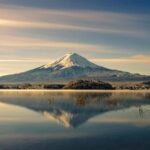
Hirano Beach sits at the northeastern end of Lake Yamanaka. This is a gravel shoreline, not a polished resort promenade, and that is part of its appeal. You get an open view across the water toward Mount Fuji, with fewer visual distractions than at some more built-up stops.
The key word is morning. The smooth reflection on the lake is described as a morning-only opportunity, so an early departure is essential if this is your main reason for booking. Later light, wind, or changing conditions can spoil the mirror effect.
Resident swans add another layer to the stop. You can photograph them near the shore while Fuji rises in the distance, creating a scene that feels more natural than a standard mountain lookout. Keep your expectations realistic, though. The reflection depends on weather and water conditions, and a cloudy day can reduce the view to a pleasant lakeside visit.
This is also one reason not to schedule an evening activity immediately after the tour. Traffic and weather can change the timing, and you want room in your day.
Higashikawa Clock Shop and the straight road to Fuji
The Higashikawa Clock Shop stop is less about entering a major attraction and more about the view along the street. A quiet, straight road runs toward Mount Fuji, creating a strong sense of depth. The mountain appears close, though the road never quite reaches it.
It is an excellent stop for simple photography. You do not need an elaborate setup. Stand along the road, line up the perspective, and let the vanishing point pull your eye toward Fuji. The scene has a calm, cinematic quality that contrasts with the more crowded photo locations later in the day.
The drawback is that this view needs clear weather. Clouds can erase the mountain at the end of the road, leaving you with an attractive Japanese streetscape but not the full effect. It is best treated as one part of a varied day, rather than the single reason to reserve a seat.
Arakurayama Sengen Park and the famous pagoda climb
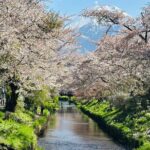
Arakurayama Sengen Park delivers the image many people associate with a Fuji visit: a red five-story pagoda in the foreground, Mount Fuji behind it, and seasonal color around the frame. In spring, cherry blossoms can soften the view. In autumn, red and gold leaves change the mood.
The park is close to Shimoyoshida Station, but the famous viewpoint requires a climb up stone steps. This is the one major physical challenge in the day. You should wear comfortable shoes and clothes, and you should not count on this stop being easy if you have mobility problems or high blood pressure.
The payoff is broad and memorable. You see the pagoda, the surrounding town, and Fuji in one composition. After the climb, there is time to relax with coffee in the village below, giving the stop a more human scale than a quick bus-side photo.
Crowds are likely during cherry blossom and autumn foliage periods. The viewpoint is popular for good reason, but you may need patience for a clear photo. Wheelchair users should note the important distinction in the practical information: most listed stops are accessible, but the pagoda steps are not. The activity is also marked as unsuitable for wheelchair users overall.
Oshino Hakkai, eight clear springs and a traditional village
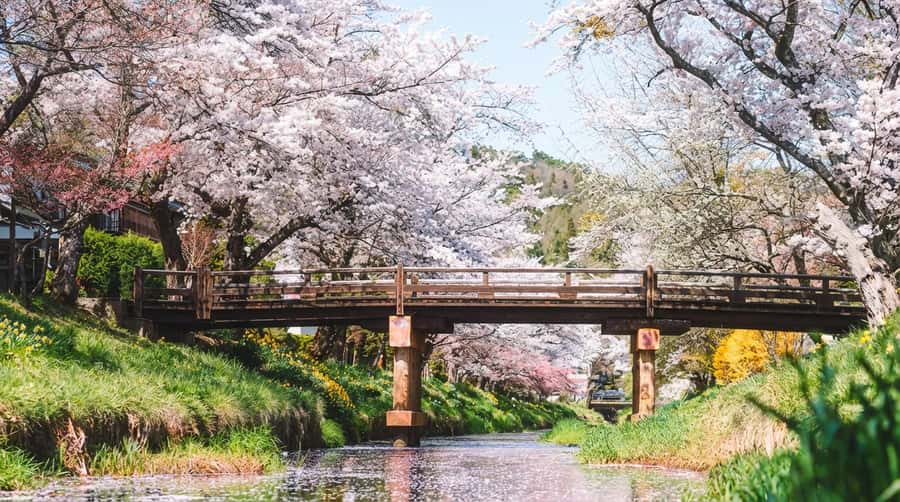
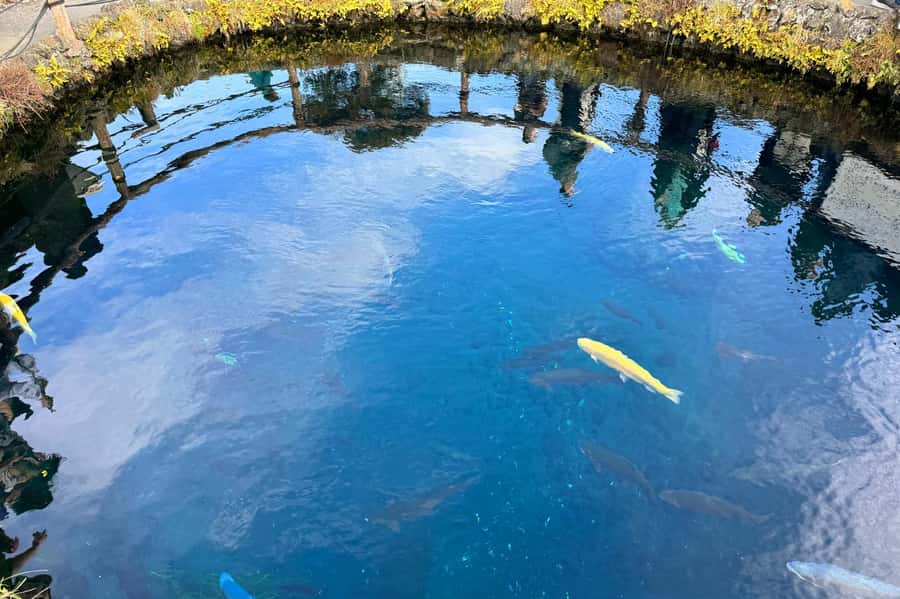
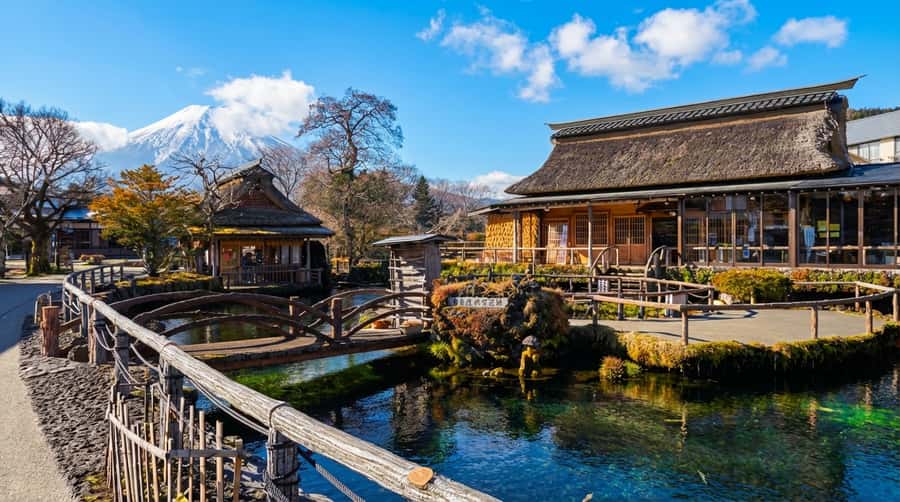
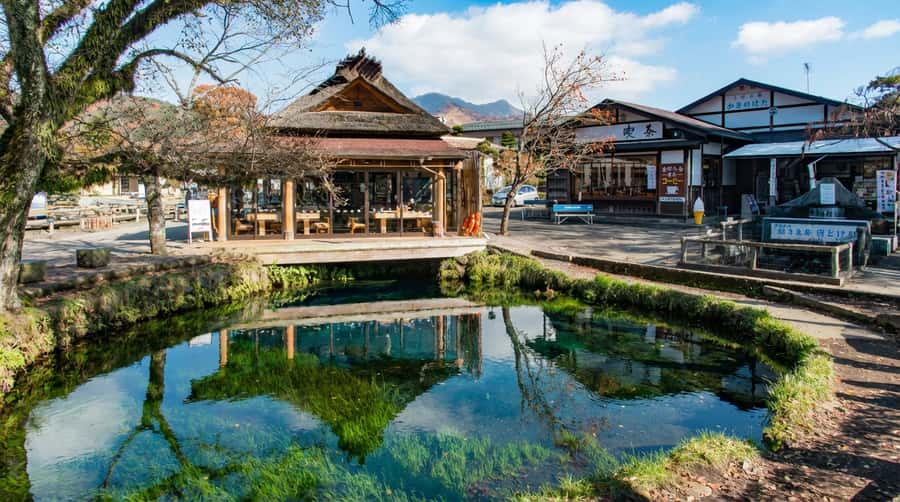
Oshino Hakkai shifts the focus from grand views to water and village life. The site has eight springs fed by melted snow from Mount Fuji. The water is famously clear, and the springs take on blue-green tones that contrast with the darker mountain and wooden structures around them.
Wooden bridges, traditional buildings, and thatched roofs give the stop a distinct sense of place. You are not simply looking at Fuji from far away. You are seeing how the mountain shapes the water, scenery, and local setting around it.
The springs are a UNESCO-designated natural monument, and their appeal is easy to understand without rushing. Take time to look into the pools and notice how cleanly the water reflects the surroundings. This is also a good stop if clouds cover Fuji, since the springs and village remain worthwhile on their own.
Oshino Hakkai can become crowded, particularly during busy seasons. Stay aware of the group meeting time, since the day continues to several more stops.
A few more Tokyo tours and experiences worth a look

Lawson and the ordinary view that became famous
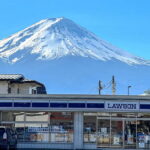
The Fuji-facing Lawson convenience store is a good example of modern Japan turning an everyday place into a photo landmark. Its clean frontage and view toward Mount Fuji have made it popular for quick phone photos and wallpapers.
The stop is brief and uncomplicated. You can buy a snack or drink, take a picture, and move on. That combination makes it useful during a long day, although food and drinks are not included in the tour price.
Do not expect a major cultural visit here. The appeal is the contrast between an ordinary convenience store and one of Japan’s most recognizable mountains. It is a light, playful stop between more substantial parks and natural sites.
Oishi Park and the best season for your flower photos
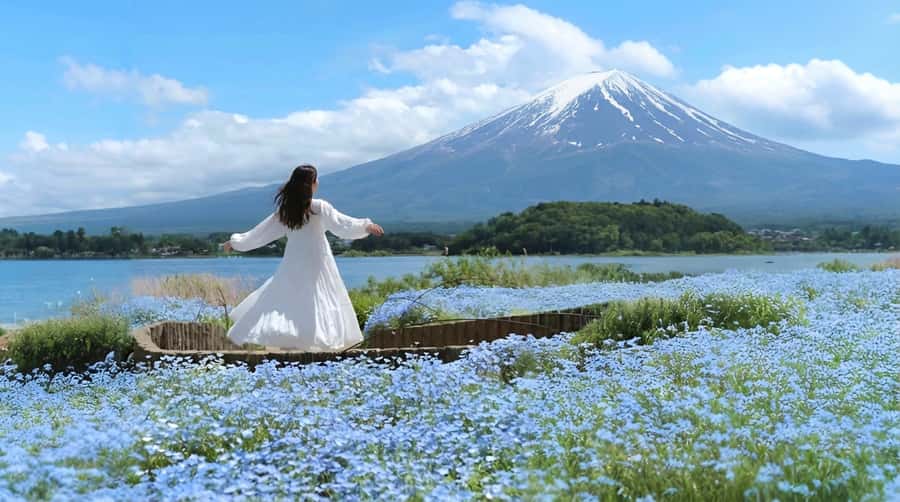
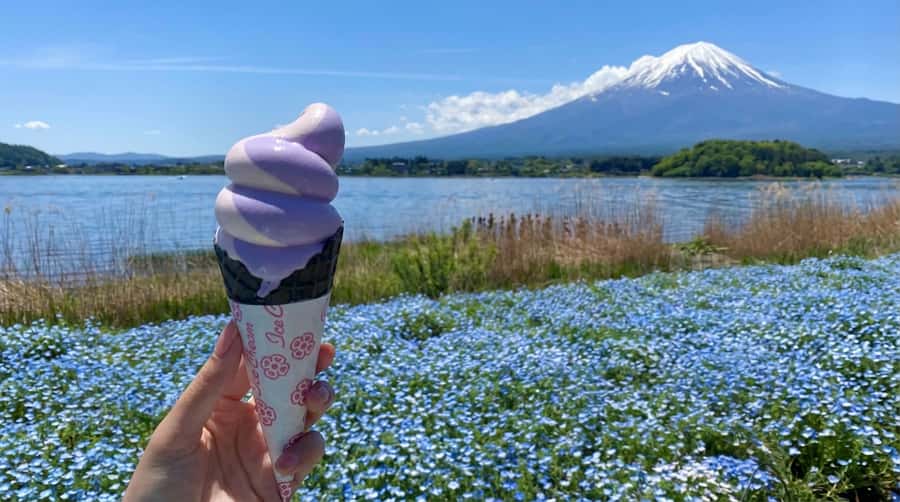
Oishi Park sits along Lake Kawaguchi and is one of the day’s strongest stops for combining flowers, open space, and Fuji views. The flower display changes through the year, so the experience depends heavily on your travel date.
The expected seasonal pattern is:
- April: tulips, daffodils, and rapeseed flowers
- May: moss phlox
- June and July: lavender, including the Kawaguchiko Herb Festival period
- August through October: begonias
- November: scarlet maple leaves
Flower timing can shift slightly, so check current conditions before you go. A late spring visit may not match the exact peak shown in photographs, and cloudy weather can still cover Fuji.
Oishi Park gives you a gentler finish than the pagoda climb. You can walk among the planted areas, look across toward Lake Kawaguchi, and take in a broad view of the mountain. The flowers supply color even when Fuji refuses to appear.
Weather is the biggest part of the decision
No Mount Fuji tour can promise a clear mountain. Clouds are common enough that you should book this day for the whole experience, not only for a perfect Fuji photograph.
One person on the tour had a cloudy day and missed a strong view of the mountain, but still enjoyed getting out of Tokyo and seeing the surrounding area. That is the right way to approach the outing. Oshino Hakkai, the pagoda, the lakes, and the village streets still give you a full day away from the capital.
Summer heat can also make the trip attractive. A visit in August offers a break from Tokyo’s city heat, although the weather may be hazy. If Fuji does appear later in the day, the changing conditions can make the sighting feel like a bonus rather than a promise.
Traffic is another practical concern. Weekend and holiday congestion may force the operator to adjust the order of stops, and some attractions may close early. If weather closes a stop, the itinerary may switch to another location. Changes caused by traffic or weather do not qualify for a refund.
Transport, guides, and what the $45 covers
You travel in an air-conditioned vehicle with a driver and guide. Several named guides, including Tim, Agnes, and Sakuragi, have been praised for clear explanations, friendly help, and assistance with photos. Sakuragi has been noted for explaining in both English and Chinese, while Agnes was credited with helping shape a particularly enjoyable day and suggesting an authentic lunch and kimono experience.
Those extras are not included, so treat such suggestions as optional rather than part of the package. Food, drinks, personal purchases, and insurance are all your responsibility.
The vehicle experience is generally described as comfortable and punctual, though one report noted that the air conditioning did not work properly. Another found the bus speakers too loud, causing ringing ears after announcements. These may be isolated equipment problems, but they are worth keeping in mind if you are sensitive to heat or sound.
You cannot eat or drink inside the vehicle. If you bring luggage, tell the operator in advance because an extra fee applies. Do not plan a same-day flight, Shinkansen connection, or evening booking after this tour. A traffic delay could make a tight connection stressful.
Who should book this Fuji tour
I would recommend this trip to you if you are staying in Tokyo and want a simple way to see several Fuji-area highlights without arranging separate trains, buses, and local transfers. It suits first-time visitors who want a broad sample of the region in one day.
It is especially good for photographers who can adjust their expectations. Hirano Beach favors early morning reflections. Arakurayama works best for the pagoda composition and seasonal foliage. Oishi Park rewards careful timing around its flower calendar. The Lawson stop is quick and fun, while Oshino Hakkai provides substance beyond photo hunting.
The tour is less suitable if you dislike a fixed schedule or want long, unhurried visits at one place. You also need to be comfortable with a full day in a vehicle and with possible crowds. The activity is listed as unsuitable for pregnant women, people with high blood pressure, people over 70, and wheelchair users.
Cancellation is free up to 24 hours before departure. You must arrive on time at the assigned meeting point, which cannot be changed on the day. Late arrivals and no-shows are not refunded.
Should you book it?
Book this tour if you want maximum Fuji variety for a low price and you are willing to accept weather and traffic uncertainty. Six viewpoints give you several chances to see the mountain, while Oshino Hakkai and the flower parks keep the day worthwhile if clouds move in.
Skip it if you need guaranteed English-only commentary, a relaxed pace, hotel pickup, or a fully accessible route. For most able-bodied visitors based in Tokyo, though, this is a practical and well-liked day out. Choose a morning departure, wear proper shoes, check the flower season, and leave your evening open.
FAQ
How much does the Mount Fuji tour cost?
The listed price is $45 per person.
What is included in the price?
Transportation in an air-conditioned vehicle, a driver, and a tour guide are included.
Is hotel pickup and drop-off included?
No. You meet at an assigned meeting point, which may vary depending on the option booked, and return to that meeting point at the end.
Which languages are available?
The stated languages are English and Chinese. On small daily groups, the driver may also serve as the guide, with limited English commentary and no commentary while driving. Multilingual service may be provided when international visitors share the vehicle.
What should I bring?
Bring comfortable shoes and comfortable clothes. This is particularly important for the stone steps at Arakurayama Sengen Park.
Can I see Mount Fuji reflected in Lake Yamanaka?
The tour visits Hirano Beach for Fuji reflections, and the best chance is in the morning. Reflection quality depends on weather and water conditions.
Is Arakurayama Sengen Park wheelchair accessible?
The pagoda viewpoint requires stone steps and is not accessible by wheelchair. The activity is listed as unsuitable for wheelchair users.
Are food and drinks included?
No. Food and drinks are not included, and eating or drinking is not allowed inside the vehicle.
Can I bring luggage?
Luggage may require advance notice and an extra payment. Contact the operator before departure if you plan to bring it.
What happens if weather or traffic changes the itinerary?
The order of stops may change because of weekend traffic, holidays, weather, or early closures. If a site closes because of weather, the operator may substitute another location. No refund is provided for changes or cancellations caused by force majeure.
More Full-Day in Tokyo
More Mt Fuji Day Trips in Tokyo
More tours in Tokyo we've reviewed












Mt Fuji Day Trips, compared.
 ★ 5.0Mt Fuji and Hakone 1-Day Bus Tour Return by Bullet TrainFrom $163
 ★ 4.0Mt Fuji & Hakone Cruise, Drum Show Bullet Train 1 Day from TokyoFrom $149
 ★ 4.4Tokyo Mt Fuji 5th St & Hakone Cruise Bus Tour w/Bullet TrainFrom $15410 hours
 ★ 4.5From Tokyo: Mount Fuji Full-Day Sightseeing TripFrom $6810 hours
 ★ 4.7Tokyo: Mt. Fuji Tour, Hakone Ropeway, Owakudani, Lake AshiFrom $5410 hours
 ★ 4.4Tokyo:Mt.Fuji,Kawaguchiko Oishi Park,Arakurayama Sengen ParkFrom $5410 hours