Reviewed · AKIHABARA & ANIME TOURS
Ramen Making from Scratch +Akihabara Tour –Cooking Class
Making Jiro-style ramen from scratch is the heart of this three-hour Tokyo experience. You turn flour into noodles, prepare the soup, cook the chashu pork, and sit down to eat the bowl you built yourself. The class begins with a short walk through Akihabara and a stop at a local supermarket, so the food lesson starts before you reach the kitchen.
In This Article
- Key points to know before booking
- From Akihabara Station to the supermarket
- Seeing ramen ingredients in a local supermarket
- Taking the train to the Patia kitchen studio
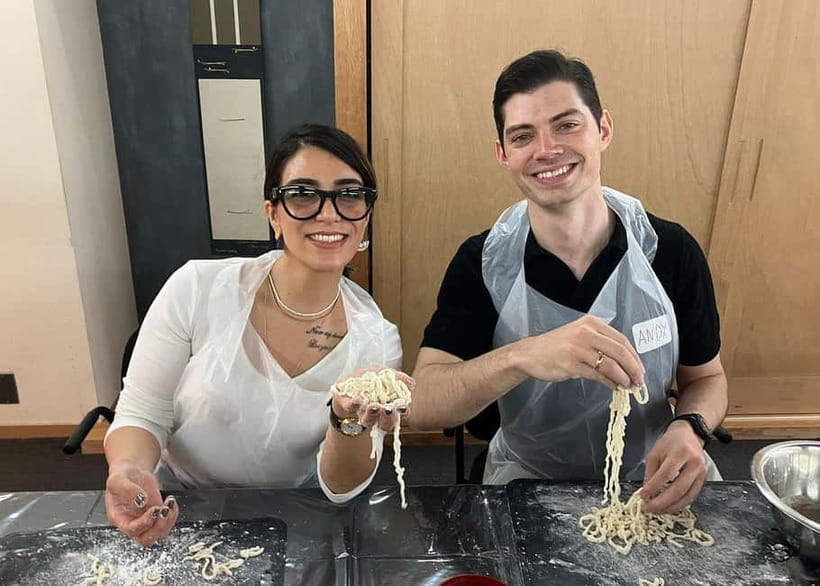
- Making noodles from flour
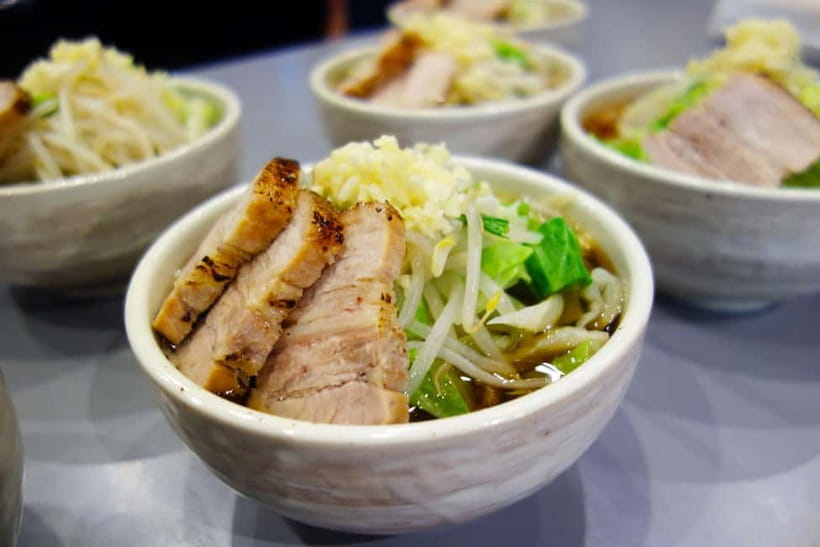
- Preparing broth, chashu pork, and toppings
- Why the small group matters
- Is $116 a fair price?
- Who should book this ramen class?
- Practical timing and meeting advice
- Should you book it?
- FAQ
- Where does the ramen-making experience start?
- Where does the activity finish?
- How long does the experience last?
- Is the class taught in English?
- Can vegans or vegetarians join?
- Can I cancel for a full refund?
I like the mix of pop culture and everyday food life. Akihabara supplies anime, electronics, and colorful streets, while the supermarket shows you the practical ingredients behind a Japanese meal. I also like the small group size, limited to six people, and the English instruction from guides such as Aki and Kyoko, with chef Rowena among the kitchen staff.
The main drawback is that this is not a vegetarian or vegan class, and the ramen is a substantial pork-based meal. You also need to reach the outside Central Ticket Gate at JR Akihabara Station by 11 AM, and the activity ends at the kitchen studio rather than back at the station.
Key points to know before booking
- You make the noodles yourself: This is not a demonstration followed by a prepared meal. You work with flour and make fresh ramen noodles.
- The supermarket stop has real value: You see Japanese ingredients in context and learn what the class uses before cooking.
- Jiro style means a hearty bowl: Expect broth, noodles, pork, and toppings rather than a light vegetarian ramen lesson.
- The group is capped at six: That gives you a better chance to ask questions and get help with technique.
- The tour has two different settings: You start among Akihabara’s gadgets and anime, then move by train to a modern Patia kitchen studio.
- The class is English-language: It is designed for English speakers and includes food, drinks, and downloadable photos.
From Akihabara Station to the supermarket
Your meeting point is outside the Central Ticket Gate at JR Akihabara Station. The group starts at 11 AM, and punctuality matters. If you arrive more than 10 minutes late, the group may leave without you, and you will need to make your own way to the kitchen studio. There is no refund for missing the start.
The opening walk lasts about 20 minutes. It is not a long sightseeing tour of every corner of Akihabara, but it gives you a quick introduction to Tokyo’s famous electric town. You pass through an area known for electronics, gadgets, anime, manga, and Japanese pop culture before turning your attention to food.
I like this opening because it puts the cooking class in a real Tokyo setting. Akihabara can feel highly specialized if you only visit the big shops and arcades. A short walk with a guide gives you a little local orientation, then shifts the focus to something you can eat and understand.
The walk may appeal most to first-time visitors who want a taste of Akihabara without spending half a day shopping. If you already know the district well, the food connection still gives the walk a clear purpose. Just keep your expectations in check: this is a 20-minute introduction, not a full guided tour of the neighborhood.
A few more Tokyo tours and experiences worth a look



Seeing ramen ingredients in a local supermarket
The supermarket visit lasts around 20 minutes. You look at the ingredients used for that day’s ramen, and the guide explains how they fit into the dish. This is one of the more useful parts of the experience because it links Japanese cooking to the ordinary shopping habits of people living in Tokyo.
A supermarket can tell you things a restaurant menu cannot. You see the ingredients as products people buy, compare, and take home. The guide can explain what you are looking at and answer questions before you begin cooking. That makes the later kitchen work easier to follow.
The exact ingredients may vary by the day’s menu, so you should not expect a fixed shopping list. The important point is that you get a guided look at the building blocks of the ramen you will prepare. This is especially helpful if you want to recreate the dish at home and need a better sense of what to search for in a Japanese or Asian grocery store.
I also like that the supermarket stop keeps the experience grounded in modern Japanese food culture. You are not only learning a restaurant-style recipe. You are seeing how ingredients appear in a familiar local setting, then taking that understanding into the kitchen.
The visit is brief, so it will not be a full food-market tour. You will have time to look and ask questions, but not necessarily time for a long shopping session. If you are interested in Japanese groceries, stay focused and ask about the ingredients that seem least familiar.
Taking the train to the Patia kitchen studio
After the supermarket, you take a train to the cooking venue. The train ride is part of the practical flow rather than a sightseeing segment. It moves you from Akihabara to a modern kitchen studio in central Tokyo.
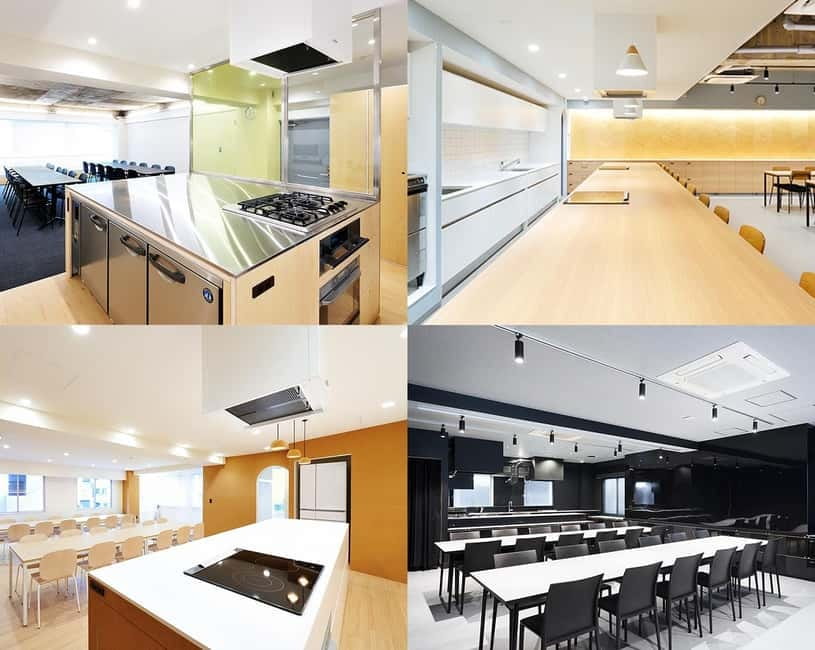
The class takes place at a Patia Kitchen Studio, described as a stylish, spacious cooking space used for cooking activities and Japanese television programs. The studio is only a few minutes from the nearest train station, which helps keep the transition manageable.
This change of setting works well. Akihabara gives the experience a lively urban start, while the studio provides room to work with dough, broth, meat, and toppings. You should not expect a tiny home kitchen or a restaurant counter demonstration. The venue is set up for cooking classes, with enough space for a small group to work comfortably.
The train transfer also means the class does not begin and end at the same place. This is important when planning the rest of your day. The activity finishes at the kitchen studio, not at JR Akihabara Station, so you should allow time to find your way onward from the studio after the meal.
Making noodles from flour
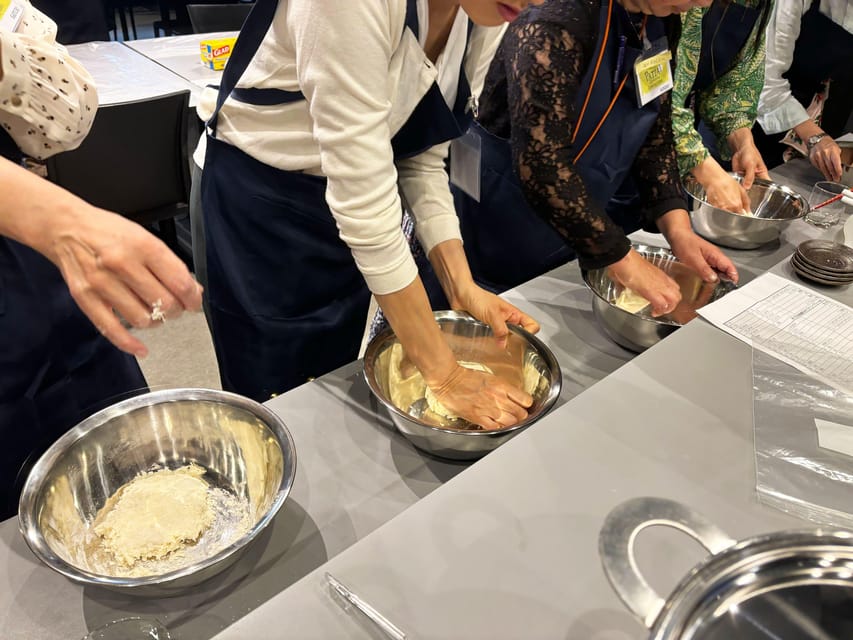
The cooking portion lasts about 90 minutes. The signature task is making fresh ramen noodles from flour. For many people, this is the part that separates the class from a standard ramen lunch or a simple cooking demonstration.
You learn how the dough becomes noodles and take part in the process rather than watching a chef do all the work. The English-speaking instructor guides you through the steps, helping you understand how the noodles fit the final bowl. Since the group is limited to six, you should have a reasonable opportunity to ask questions and receive help.
Fresh noodles also give the class a satisfying sense of progress. You begin with basic ingredients, work through several stages, and finish with something that has a clear connection to the food in front of you. I find that kind of lesson more memorable than simply learning a list of ingredients.
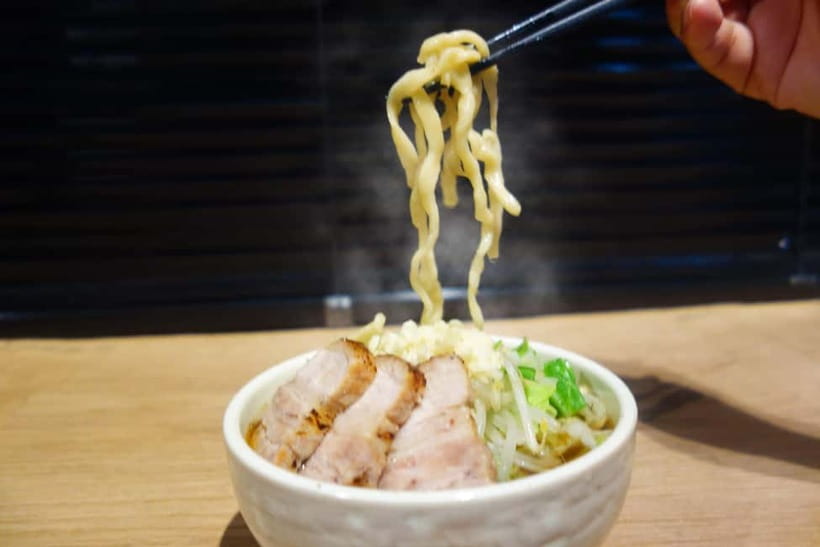
The class is billed as a rare English-language opportunity to learn Jiro-style ramen. Jiro ramen is known for a generous, filling style, with a strong focus on noodles, broth, pork, and toppings. This is not presented as a delicate bowl designed around a few small garnishes. You should arrive ready for a hearty meal.
The precise recipe and ingredients can change, since the guide explains what is being used that day. If your main goal is to learn one exact recipe to reproduce at home, ask questions during the class and take notes. The downloadable photos can also help you remember the steps later.
Preparing broth, chashu pork, and toppings
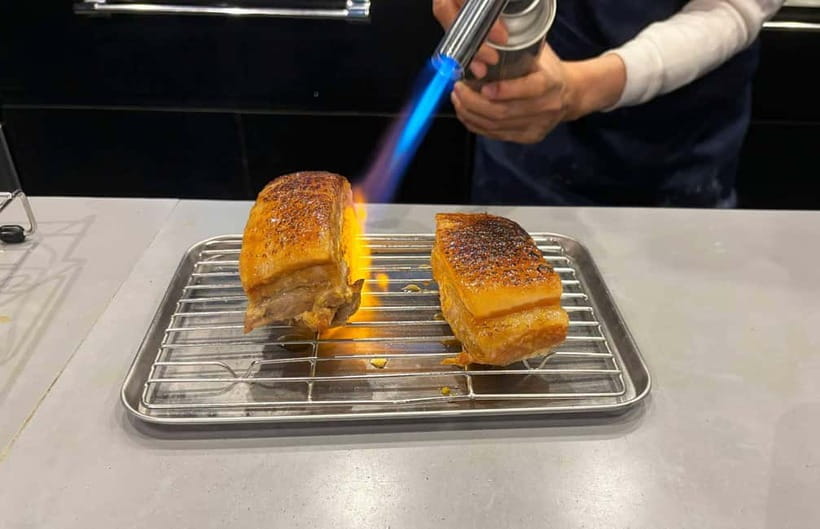
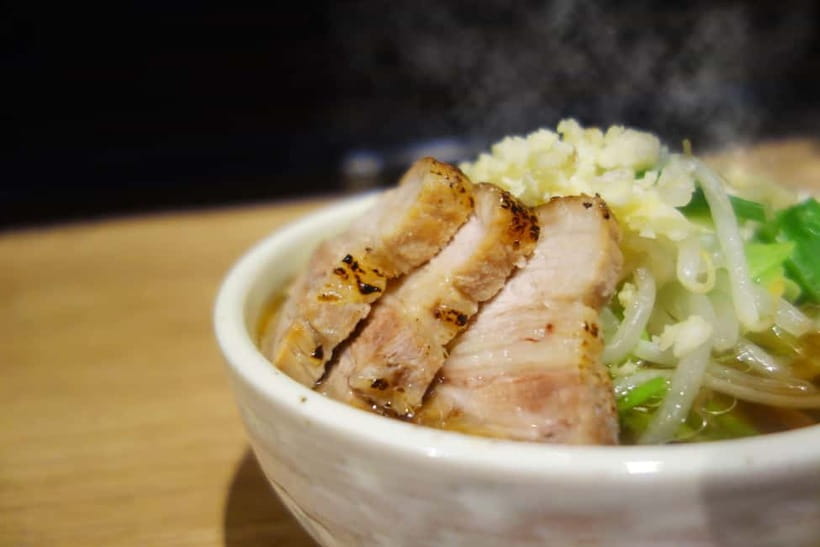
The noodles are only one part of the work. You also prepare the broth, cook the chashu pork, and assemble the toppings. This gives you a fuller picture of ramen than a noodle-making lesson alone.
The broth is central to the finished dish, and the guide explains how it is prepared for the class. You also handle the pork and toppings before everything comes together. The process shows how several separate elements need to be timed and combined to make one bowl.
Cooking the chashu is particularly useful for anyone who wants to understand why ramen takes more work than simply boiling noodles. The pork adds weight and texture, while the broth and toppings shape the overall flavor. You leave with a better sense of how the parts support one another.
The English instruction is a major practical advantage. You can ask about unfamiliar ingredients, cooking steps, and the role of each topping without relying on guesswork. Guides named in connection with the class include Aki and Kyoko, and chef Rowena has been praised for helping participants through the cooking process.
The food and beverages are included in the $116 price. At the end, you eat the ramen you prepared. That final meal is not an extra restaurant stop, and it is not a small tasting portion detached from the lesson. It is the payoff for the work you have just done.
Other cooking classes in Tokyo


Why the small group matters
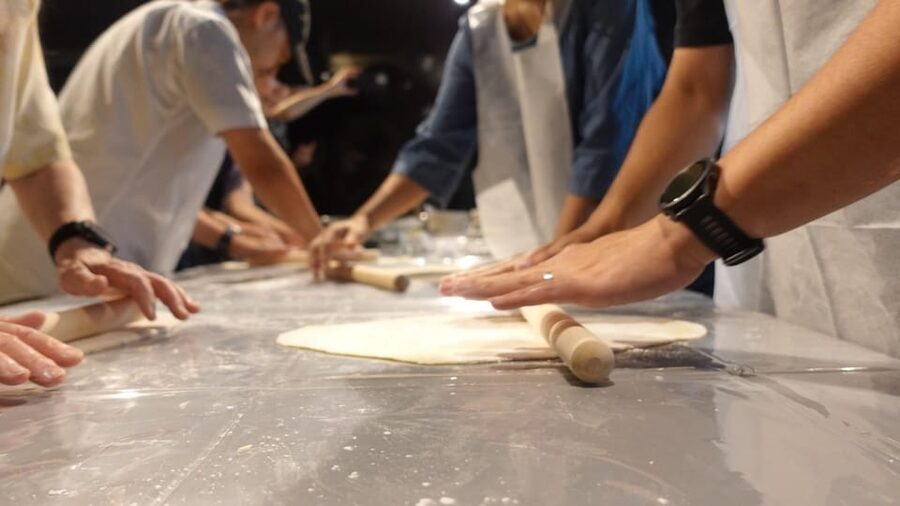
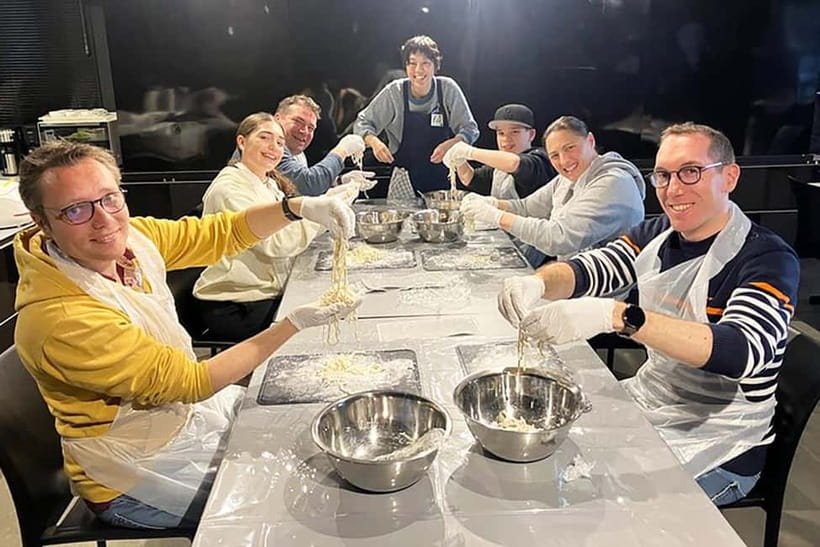
A six-person limit is useful in a hands-on class. Ramen preparation involves several stages, and a crowded group could leave you standing behind someone else while the instructor handles the important parts. With fewer participants, you have a better chance to work directly and ask for clarification.
The small format should also suit families with older children. One family brought children aged 11 and 13, and the children took part in the process and enjoyed the finished meal. The activity is not suitable for children under five, and younger children may find the timing or kitchen work difficult even if they meet the age requirement.
I would choose this class over a large group session if you care about learning technique rather than simply eating ramen. The guide names and chef may vary, but the English-speaking format and small group remain the key advantages.
Still, small does not mean private. You share the class with other participants, and the minimum reservation is two people. Solo bookings may not work unless another reservation brings the group to the required minimum, so check availability carefully before making plans.
Is $116 a fair price?
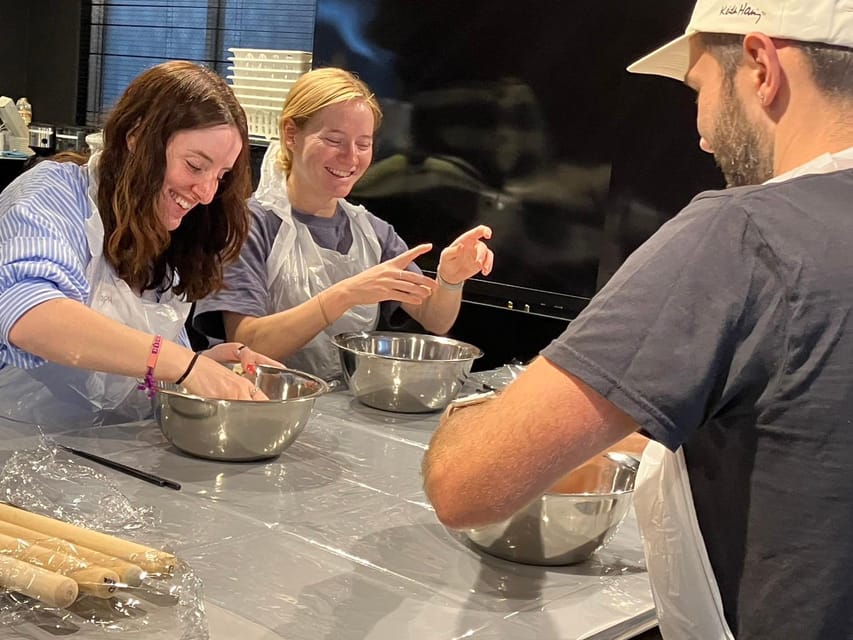
At $116 per person, this is not a cheap lunch. You can buy a bowl of ramen in Tokyo for far less. The value comes from the full three-hour experience: the Akihabara walk, supermarket visit, train transfer, instruction, hands-on cooking, meal, drinks, and downloadable photos.
I think the price makes the most sense if you want an activity with several layers. You are not paying only for food. You are paying for an English-speaking guide, a structured lesson, access to a cooking studio, help with fresh noodles and broth, and the chance to eat your own finished bowl.
The value is weaker if you only want to taste Jiro-style ramen or spend your time in Akihabara. A restaurant visit will be faster and less expensive. This class is for someone who wants to understand how the dish is made and enjoy a social activity along the way.
The photos add a small but useful extra. They can help you remember the process after the class and give you a record of the day without needing to stop constantly for pictures. They are available to download later, rather than being the main focus of the experience.
Free cancellation up to 24 hours before the activity and the option to reserve now and pay later also make the booking easier to fit into a changing Tokyo schedule. You still need to treat the meeting time seriously, since the late-arrival rule is strict.
Who should book this ramen class?
I would recommend it to food-focused visitors who want more than a restaurant meal. It also suits first-time visitors who plan to see Akihabara and would like a guided introduction that ends with a practical cooking lesson.
Families with children over five may enjoy it, especially if the children like making things with their hands. The experience has enough variety to hold attention: a short city walk, a supermarket, a train ride, and several kitchen tasks. Children aged 11 and 13 took part successfully, but the class is still a real cooking activity, not a children’s entertainment program.
It is also a good fit for anyone who wants English-language instruction. The class is designed around explaining ingredients and methods, so you can ask questions as you go. The small group makes that easier than in a large demonstration.
I would skip it if you need a vegetarian or vegan menu. Those options are not available. It is also not suitable for wheelchair users or people with back problems, and the activity is not designed for anyone who wants to avoid walking, standing, or moving between locations.
Pack light and wear something comfortable for the cooking portion. Baby strollers are not allowed, and smoking is not permitted during the activity.
Practical timing and meeting advice
The total duration is about three hours, with the start time listed as 11 AM for this departure. The published schedule divides the day into roughly 20 minutes of Akihabara walking, 20 minutes in the supermarket, a train ride, and about 90 minutes of cooking. Allow a little extra mental space for transitions.
Find the outside Central Ticket Gate before the morning of the class. Akihabara Station has several exits and can be confusing, especially if you arrive by a different train line. The correct meeting point is not simply the station area in general.
The tour ends at the kitchen studio. You should not plan to collect luggage, meet someone, or catch a tightly timed reservation back at Akihabara immediately afterward. The studio is near a train station, but you will need to continue from there on your own.
Should you book it?
Book this class if you want to make a complete bowl of ramen from basic ingredients, not just sample Japanese food. The combination of Akihabara, a local supermarket, fresh noodles, broth, chashu pork, and a small English-speaking class gives the experience more substance than a standard meal.
Skip it if you are looking for a low-cost lunch, a vegetarian menu, or a full-day Akihabara tour. For the right person, the $116 cost is reasonable because it covers instruction, ingredients, food, drinks, photos, and a distinctive Tokyo activity. Just arrive on time, prepare for a filling pork-based meal, and remember that you finish at the kitchen studio rather than the station.
FAQ
Where does the ramen-making experience start?
It starts at 11 AM outside the Central Ticket Gate of JR Akihabara Station.
Where does the activity finish?
The activity finishes at the kitchen studio, which is different from the Akihabara meeting point.
How long does the experience last?
The experience lasts about three hours. The schedule includes an Akihabara walk, a supermarket visit, travel to the studio, and about 90 minutes of cooking.
Is the class taught in English?
Yes. The instructor language is English.
Can vegans or vegetarians join?
No. Vegan and vegetarian options are not available.
Can I cancel for a full refund?
Yes. You can cancel up to 24 hours in advance for a full refund.
More Cooking Classes in Tokyo
More Cooking Classes in Tokyo
More Akihabara & Anime Tours in Tokyo



More tours in Tokyo we've reviewed












Akihabara & Anime Tours, compared.
 ★ 5.0Official Street Go-Kart Tour – AkihabaraFrom $61
 ★ 5.0Tokyo Go Kart: Asakusa, Skytree, and Akihabara **IDP MUST**From $99
 ★ 4.5Tokyo Studio Ghibli Museum and Ghibli Film Appreciation TourFrom $193
 ★ 5.0Akihabara Anime & Game Adventure Walking Tour (Group or Private)From $90
 ★ 4.6Asakusa/Tokyo Bay & Akihabara Go Karting ToursFrom $70
 ★ 4.8Akihabara: Private Anime and Pop Culture TourFrom $953 hours