
Reviewed · PRIVATE CAR WITH DRIVER
Tokyo City Tour by Private Car & English guide
Tokyo is hard to size up from a train window. This private car tour links Senso-ji, Meiji Shrine, Tsukiji, Shibuya, Odaiba, and one observation tower in a single day, with a guide handling the roads, parking, and route.
In This Article
- Key points to know before booking
- Why a private car helps in enormous Tokyo
- Senso-ji and Nakamise: Tokyo’s old face
- Tokyo Skytree: the high view, with an added fee
- Meiji Jingu: a forested pause near Harajuku
- Tsukiji Outer Market: make lunch part of the plan
- Odaiba: Tokyo Bay and modern entertainment
- Shibuya Crossing: Tokyo at full speed
- Imperial Palace gardens: an optional Edo-era pause
- Tokyo Tower: the retro alternative
- The guides make the private format worthwhile
- Timing, comfort, and who gets the most value
- What the $445 price really buys
- Should you book this Tokyo private car tour?
- FAQ
- How long does the Tokyo private car tour last?
- How many people can join the private tour?
- Is pickup available?
- Which sights are included in the route?
- Are tower admission fees included?
- Is lunch included?
- What happens if I need to cancel?
I like the personal pace and the roomy, air-conditioned vehicle, especially for families or anyone tired of sorting out Tokyo’s train system. I also like the guide flexibility: Hadi, Zubi, Ali, Mohid, and Sekii are praised for adjusting stops, taking photos, and helping with lunch. The tradeoff is price, plus Tokyo traffic can limit how long you have at each sight.
Key points to know before booking
- One private vehicle for up to six: The $445 group price makes more sense when shared by a family or small party.
- A full Tokyo sampler: You cover old Asakusa, Shinto tradition, modern towers, markets, bay views, and Shibuya in 8 to 9 hours.
- Choose one tower: Tokyo Skytree and Tokyo Tower are not both included as full tower visits, so decide which view matters most.
- Guides can shape the day: Hadi, Zubi, Ali, Mohid, and Sekii are praised for timing, explanations, photos, and itinerary changes.
- Private transport saves effort: You avoid crowded trains and complicated transfers, though road traffic still affects the schedule.
- Main extra costs are clear: Lunch and tower admission are separate. Skytree costs 3,400 yen and Tokyo Tower costs 1,500 yen.
Why a private car helps in enormous Tokyo
Tokyo’s sights are spread across a huge urban area. Senso-ji is in Asakusa, Meiji Shrine is near Harajuku, Tsukiji sits closer to Ginza, and Odaiba is across Tokyo Bay. Add Shibuya and either Skytree or Tokyo Tower, and a day of train changes can become tiring.
I like this tour because the vehicle turns those transfers into rest time. You can sit in air-conditioning while your driver handles the movement between districts. Fuel and parking fees are included, so the advertised $445 price is not followed by a separate transport bill.
The vehicle is intended for up to six people. Several families found the car clean, modern, spacious, and comfortable, with one guide supplying bottled water and a phone charger. Those touches matter on an eight or nine-hour day, especially if you are traveling with older relatives or children.
The price works best for a group. Split six ways, it is about $74 per person before admissions and lunch. For two people, it becomes a much more expensive sightseeing day than public transportation. You are paying for time, convenience, privacy, and a guide who can adjust the route, not simply for a ride.
Other guided tours in Tokyo
Senso-ji and Nakamise: Tokyo’s old face
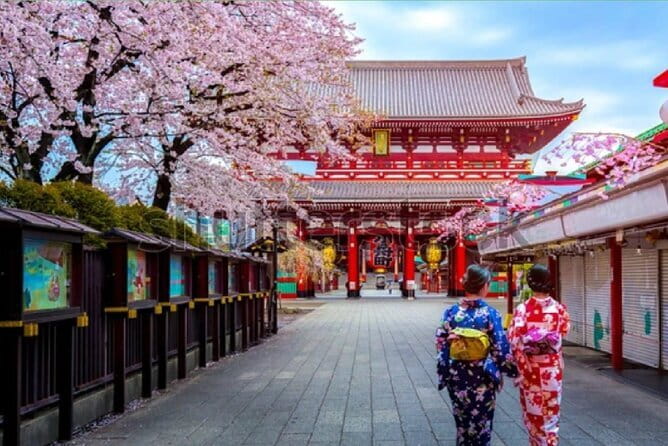
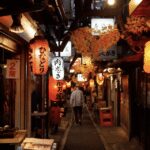
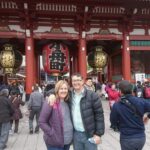
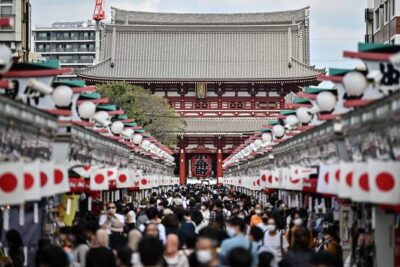
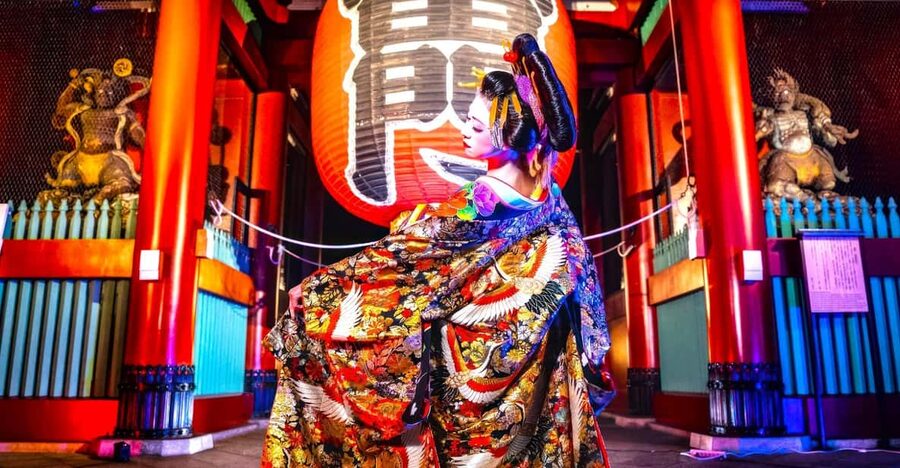
Start in Asakusa at Senso-ji, Tokyo’s best-known Buddhist temple. This is the right place to begin if you want a sense of older Tokyo before moving on to its skyscrapers and neon districts.
You get about an hour at the temple, with no admission charge. Your guide can explain the setting and point out details that are easy to miss when you are only taking photographs. The atmosphere changes quickly as you move from the broad approach to the temple buildings and nearby lanes.
Nakamise Shopping Street leads about 250 meters from Kaminarimon, the Thunder Gate, to Hozomon, the Treasure-House Gate. Allow roughly 30 minutes here. It is lined with traditional crafts, souvenirs, and snack stalls.
This is a good place to try dango, small mochi balls, or agemanju, a deep-fried sweet bean-filled mochi. You can also pick up gifts without setting aside another shopping stop later in the day.
The limitation is time. Asakusa rewards wandering, and 90 minutes for Senso-ji and Nakamise gives you a useful introduction rather than a leisurely morning. If food, shopping, or temple architecture is your main interest, ask your guide to protect time here.
Tokyo Skytree: the high view, with an added fee
Tokyo Skytree is the tallest tower in Japan, rising 634 meters. The tour description lists its height as 637 meters, but the commonly used figure is 634 meters. Either way, it is the high-rise view choice and a major stop in Asakusa.
You receive about an hour here. The admission charge is not included and is listed as 3,400 yen. That separate fee is important when you compare the tour price with other options.
On a clear day, you may see far across the Tokyo region and possibly Mount Fuji. One full-day party had that view, though mountain visibility always depends on weather. The tower gives you a useful sense of Tokyo’s scale, something that is difficult to grasp from street level.
You must choose one tower between Skytree and Tokyo Tower. Skytree suits you if height and broad views are the priority. It also fits naturally with the Asakusa portion of the route, so it can reduce backtracking.
Because admission is extra, ask your guide about timing before entering. If the line or viewing time expands, another stop may need to be shortened.
Meiji Jingu: a forested pause near Harajuku
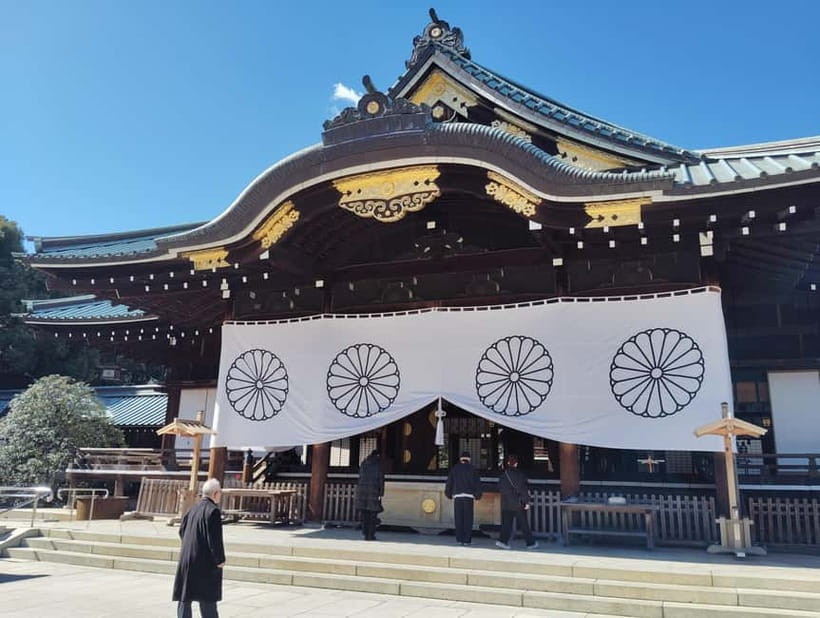
Meiji Jingu offers a sharp contrast with Skytree. This Shinto shrine is dedicated to the deified spirits of Emperor Meiji and Empress Shoken, and it was completed in 1920.
The one-hour stop gives you time to walk through the wooded shrine setting and notice the difference between Buddhist Senso-ji and Shinto Meiji Jingu. That pairing is one of the tour’s strongest features. You are not seeing temples and shrines as interchangeable photo stops. You are seeing two important sides of Japanese religious tradition in the same day.
The shrine is free to enter. You should still allow time for the walk from the vehicle to the main areas, since the grounds are not simply a roadside monument. Wear comfortable shoes and keep your pace realistic if your group includes anyone who tires easily.
This stop also gives the day some breathing room. Tokyo sightseeing can become a chain of city streets and shopping areas, while Meiji Jingu supplies a quieter setting before the route moves toward Tsukiji and Shibuya.
Tsukiji Outer Market: make lunch part of the plan
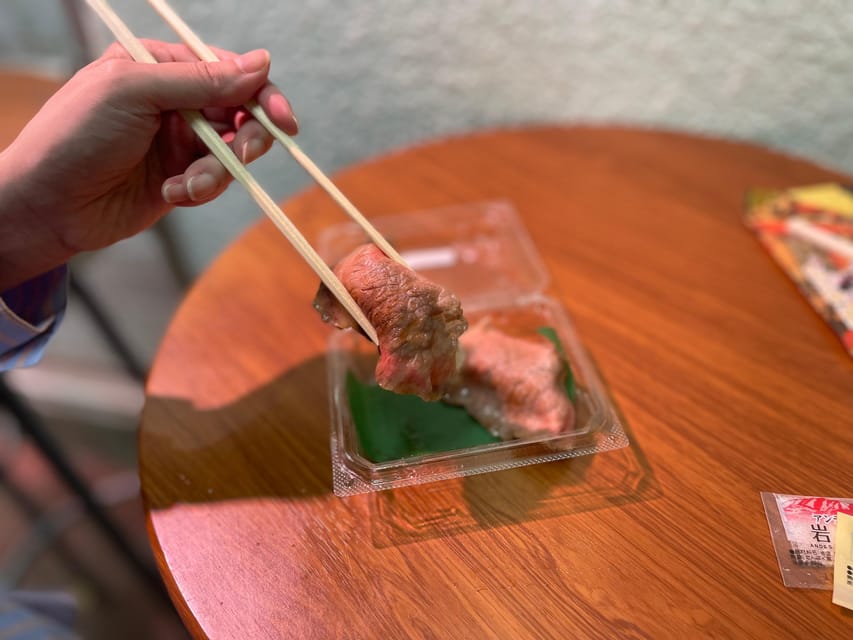
Tsukiji Outer Market is a practical food stop, not just a place to take pictures. The former wholesale market area is known for seafood stalls, cooked dishes, raw fish, and restaurants.
You have about an hour here, and lunch is not included. I would plan to eat at this point rather than treat the market as a quick walk-through. Your guide may suggest a restaurant or help you choose food, but the meal itself is your responsibility.
The market is useful for groups with different appetites because the choices are varied. You might find street food, a sit-down restaurant, or seafood prepared in a simple way. The supplied details do not promise a particular restaurant, so keep your preferences clear and ask for help if you want cooked food rather than raw fish.
One hour is enough for a focused meal and a look around. It is not enough for a slow food crawl. Also remember that a private car does not make every stop private. Tsukiji can be crowded, and you still need to walk among stalls and other shoppers.
Other city tours we've reviewed in Tokyo

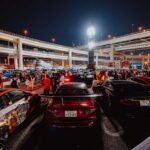
Odaiba: Tokyo Bay and modern entertainment
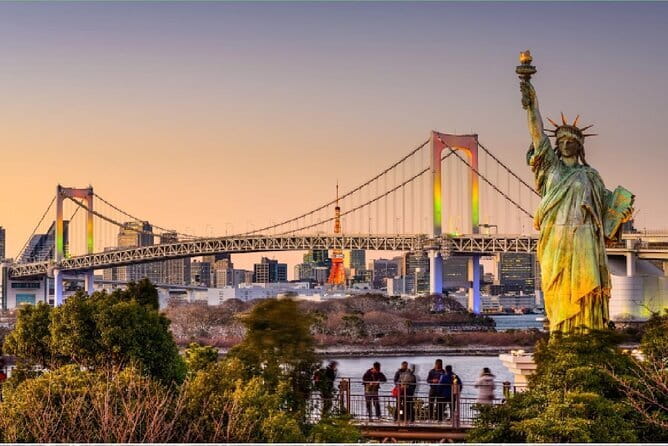
Odaiba is a shopping and entertainment district on a man-made island in Tokyo Bay. Its origins go back to small defensive islands built in the late Edo period, with daiba meaning fort.
The tour allows about an hour. This is the modern city counterpoint to Senso-ji and Meiji Jingu, with a setting shaped by the bay and large-scale urban development.
Odaiba works well for a group that wants variety. You can see a different side of Tokyo without spending another day on trains. The stop also gives your guide room to adapt the pace. If your group has had enough temples, markets, and crowds, this district changes the mood.
The main caution is that Odaiba covers a broad area, and one hour is selective. You will not experience every shop or attraction. Treat it as a city and waterfront overview, not a complete visit to the island.
Shibuya Crossing: Tokyo at full speed
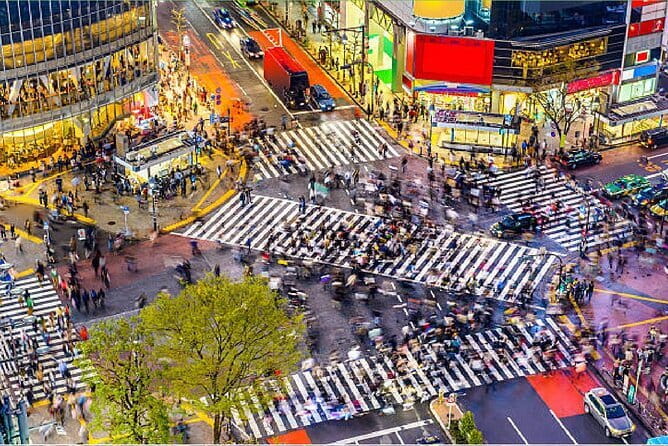
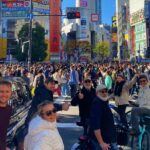
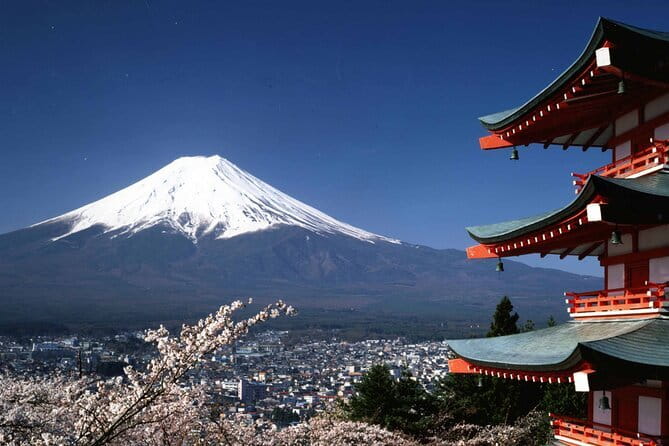
Shibuya Crossing is the tour’s clearest dose of modern Tokyo. When the signals change, pedestrians move through the famous intersection from several directions, creating the scene used in films and television.
The stop lasts about an hour, which is generous enough to cross the intersection, take photographs, and look around the district. Your guide can help position the stop within the day and point out nearby details, but the core pleasure is simply watching the movement around you.
Shibuya is a good place to use the private-tour format. You do not need to decode which station exit leads to the crossing or reunite your group after a crowded train ride. You can leave the vehicle together and return when your agreed time is up.
Do not expect a quiet cultural visit. Shibuya is loud, busy, and intensely modern. That is the point. If your idea of Tokyo is temples and gardens, this stop shows you the other half of the city.
Imperial Palace gardens: an optional Edo-era pause
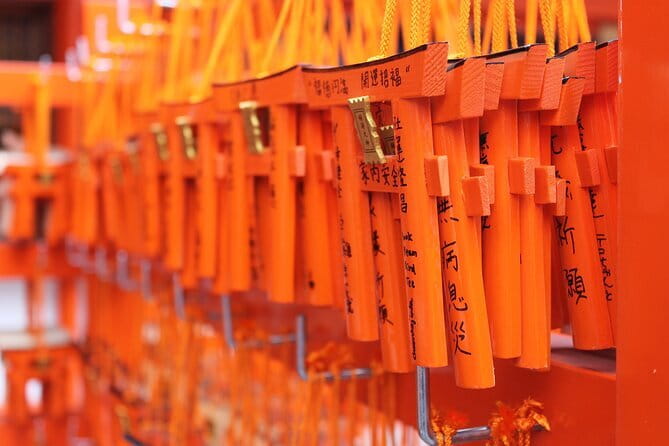
The East Gardens of the Imperial Palace are listed as an optional one-hour stop. They occupy part of the former Edo Castle site, where you can see historic remains and gardens in central Tokyo.
This is the choice for travelers who want more history and open space rather than another tower. The setting connects present-day Tokyo with the era of the shoguns and gives the day a slower, more reflective stop.
Because it is optional, the gardens may be left out when traffic, weather, or your group’s interests make another stop more useful. Discuss this early. If you prefer gardens, castle remains, and historical atmosphere, say so rather than assuming the default schedule will give them priority.
Tokyo Tower: the retro alternative
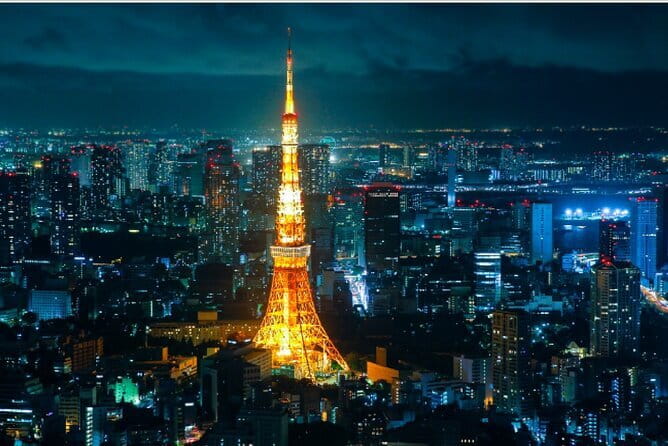
Tokyo Tower is the second tower option. It was Tokyo’s tallest broadcasting tower until 2010 and has a more retro look than Skytree.
Admission is not included and is listed as 1,500 yen. The tour gives about an hour for this stop if you choose it instead of Skytree.
Tokyo Tower is the better fit if you care about the landmark itself and its older visual character. Skytree is the choice for maximum height. Neither option is automatically better, but you should decide based on the kind of view and atmosphere you want.
The tour data lists both the East Gardens and Tokyo Tower as optional, while also stating that you should choose one tower between Skytree and Tokyo Tower. Confirm the final plan with your guide so you know which stop is fixed and which can be adjusted.
The guides make the private format worthwhile
The guide is the part that can turn a private car into a real city tour rather than an expensive transfer service. Hadi is praised for clear planning, history, patience, bottled water, and a clean van. Zubi is repeatedly noted for tailoring the route, explaining the next stop and travel time, and giving groups room to explore.
Ali is praised for punctuality, photographs, a clean car, and patient care for families. Sekii is described as helpful with Japanese customs, food suggestions, and keeping a group together. Mohid and Mohammad are also described as courteous, flexible, and informative.
You should not assume every guide has exactly the same English level. One three-star assessment specifically found communication difficult. Most of the supplied feedback is strongly positive, but that one qualification is worth keeping in mind if precise English explanations are central to your decision.
The best use of the guide is to speak up. Tell the guide if you have already seen Senso-ji, want more time at Tsukiji, need a slower pace, or prefer the Imperial Palace gardens over another shopping district. The private setup is built for those changes.
Timing, comfort, and who gets the most value
The day lasts approximately 8 to 9 hours. The listed stops add up to a demanding schedule, especially if you include every location and one tower. Traffic, walking time, meals, and photo stops can all change the rhythm.
I would not try to turn every stop into a long visit. The value is in seeing several different parts of Tokyo in one day. If you want serious time at museums, shopping streets, or food stalls, choose fewer stops and ask for a slower route.
This tour fits you best if:
- You have one full day in Tokyo and want a broad first look.
- You are traveling with up to six people.
- You have older family members or anyone who finds crowded trains tiring.
- You want a guide to handle route planning and explain cultural sites.
- You prefer a private schedule to a fixed group departure.
- You need help with photographs, food choices, or changing the order of stops.
It is less suitable if you enjoy using trains, exploring one neighborhood slowly, or keeping costs low. Tokyo’s rail system is excellent, and independent sightseeing can cost much less if you are comfortable planning it yourself.
What the $445 price really buys
At $445 per group, the strongest value appears when four to six people share the vehicle. Private transportation, fuel surcharge, and parking fees are included, which makes the cost easier to understand.
You still pay for lunch and tower admission. Skytree is listed at 3,400 yen, while Tokyo Tower is listed at 1,500 yen. Those fees can affect the final total, particularly for a larger family.
The real purchase is a full day of saved effort. You are paying to avoid transfers, stay together, rest between districts, and ask one person to manage the day. If that saves your group from getting lost or worn out, the price can be sensible. If you are a couple who enjoys public transport and has several days in Tokyo, it is harder to justify.
Free cancellation is available if you cancel at least 24 hours before the start time. Changes or cancellations inside that window are not accepted for a refund, so keep that cutoff in mind.
Should you book this Tokyo private car tour?
Book it if you want to see Tokyo’s major districts in one organized day, especially with family or a group of friends. The combination of Senso-ji, Meiji Jingu, Tsukiji, Shibuya, Odaiba, and one tower gives you a useful first portrait of the city, while the private car removes much of the daily navigation work.
Before booking, decide which tower you want and be realistic about the pace. Ask for the stops that matter most to you, and use the guide’s flexibility rather than trying to force every optional site into the schedule.
For a first day in Tokyo, limited time, or a group that values comfort, this is a strong choice. For independent rail fans, slow food explorers, and budget-minded couples, public transportation will likely offer better value.
FAQ
How long does the Tokyo private car tour last?
The tour lasts approximately 8 to 9 hours.
How many people can join the private tour?
The price covers one private group of up to six people.
Is pickup available?
Yes, pickup is offered.
Which sights are included in the route?
The route includes Senso-ji Temple, Nakamise Shopping Street, Tokyo Skytree, Meiji Jingu Shrine, Tsukiji Fish Market, Odaiba, and Shibuya Crossing. The East Gardens of the Imperial Palace and Tokyo Tower are listed as optional stops.
Are tower admission fees included?
No. Tokyo Skytree admission is listed as 3,400 yen, and Tokyo Tower admission is listed as 1,500 yen. You should choose one tower between Skytree and Tokyo Tower.
Is lunch included?
No. Lunch is not included, so you should budget separately for food at or near Tsukiji Outer Market.
What happens if I need to cancel?
You can receive a full refund by canceling at least 24 hours before the experience starts. Cancellations or changes made less than 24 hours before the start time are not accepted for a refund.
More Private Tours in Tokyo

More City Tours in Tokyo
More Guided Tours in Tokyo
More tours in Tokyo we've reviewed












Private Car with Driver, compared.
 ★ 5.0Tokyo Private Sightseeing Tour by Car- English speaking chauffeurFrom $268
 ★ 5.0Tokyo Private Tour by Vehicle with English-Speaking ChauffeurFrom $468
Mt FUJI Day Tour with Private Car and English Speaking GuideFrom $440
★ 5.0Tokyo Private Tour by Vehicle with English-Speaking ChauffeurFrom $468
Mt FUJI Day Tour with Private Car and English Speaking GuideFrom $440
 ★ 5.0Private Car Tour to Mt. Fuji Lake Kawaguchiko or HakoneFrom $1,286
 ★ 5.0Tokyo Private Driving Tour by Car/Van with English ChauffeurFrom $320
 ★ 5.0Mt Fuji Exclusive Tour with Private Car English GuideFrom $445
![[Private]Shinjuku Golden Gai Bar Hopping w/ Japanese Local Guide - Walking through Kabukicho after dark](https://tokyoezine.com/wp-content/uploads/2026/08/private-shinjuku-golden-gai-bar-hopping-w-japanese-local-guide.jpg)