Reviewed · TOKYO FOOD TOURS
Eat/Drink like a LOCAL-Taverns & Ramen
Ueno is the point here, not the usual Shibuya or Shinjuku circuit. Aki takes you into Japanese-only taverns where ordering may be hard on your own, then guides you through sashimi, grilled fish, skewers, drinks, and a final bowl of ramen. It is a full meal spread across four stops, not a few polite nibbles.
In This Article
- Key points to know before booking
- Why Ueno makes a smart food-tour base
- Meeting Aki at Ueno Station
- Stop one: a welcome drink and the first local flavors
- The three taverns in Ueno and Taito City
- What the food format means for your evening
- Drinks, customs, and the social side
- The final stop: ramen after the taverns
- Is $126 a fair price?
- Who should book this experience?
- Booking details worth keeping in mind
- Should you book Eat/Drink like a LOCAL?
- FAQ
- Where does the tour begin?
- Is the meeting point at Ueno Hirokōji Station?
- How do I find the meeting point from JR Ueno Station?
- How do I reach the meeting point using Tokyo Metro?
- How long does the experience last?
- What food is included?
- How many drinks are included?
- Is the tour offered in English?
- Is the tour suitable for wheelchair users?
- What is the cancellation policy?
I like the generous all-inclusive setup, with at least seven dishes and five drinks, and I like the way the tour gives you a useful introduction to Japanese eating customs. Aki’s jokes and easy manner also help solo visitors settle into the group. The main caution is simple: come hungry, and expect a walk, stairs, Japanese-only restaurant service, and alcoholic drinks unless you choose the soft drinks.
Key points to know before booking

- Three local taverns plus ramen: You visit three eateries in Ueno and Taito City, then finish with ramen popular with local diners.
- At least seven dishes and five drinks: Food, beer, cocktails, spirits, wine, and soft drinks are included in the $126 price.
- Aki leads in English: He explains Japanese food and drinking customs, answers questions, and keeps the mood light.
- A small porcelain cup is included: You receive a souvenir and use one cup during the experience.
- A real meal, not a tasting plate: The tour lasts three hours, so it suits you best if you arrive ready to eat.
- The meeting point needs care: Meet at the Starbucks beside Ueno Station’s Hirokōji Exit, not Ueno Hirokōji Station.
Why Ueno makes a smart food-tour base

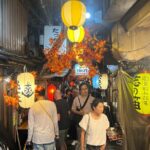
Ueno gives you a different side of Tokyo dining. Shibuya and Shinjuku are famous, but they can feel geared toward first-time sightseeing routes. Ueno has a strong reputation among Japanese food fans for casual meals with drinks, and this tour uses that setting to get you away from the most obvious tourist corridors.
The value is not only in the food. You get help entering places where staff speak only Japanese, plus an explanation of what you are eating and drinking. That matters in a small tavern, where a menu may be brief, handwritten, or hard to interpret. Aki places the dishes in context, so you can ask why something is served a certain way or how a drink fits into Japanese dining culture.
You also get suggestions for other prefectures in Japan. This is useful if you are at the start of a longer trip and want ideas beyond Tokyo. The advice is part of the conversation rather than a separate lecture, so bring questions about food, drinks, and places to visit elsewhere.
A few more Tokyo tours and experiences worth a look

Meeting Aki at Ueno Station
The starting point is Starbucks Coffee at atré Ueno, beside Ueno Station’s Hirokōji Exit. Ueno is a large station with several exits, so allow extra time to get your bearings.
If you arrive on a JR line, look for the Central Gate, marked 中央改札. After passing through, follow signs for the Hirokōji Exit, marked 広小路口, with yellow backgrounds and black lettering. If you use the Tokyo Metro Ginza or Hibiya Line, go toward the JR Ueno Station District Gate and Exit 9, then reach ground level and find the Hirokōji Exit.
The Starbucks has more than one entrance. Use the entrance beside the crosswalk and the large crossing. Do not go to Ueno Hirokōji Station. That is a different station, and confusing the two could make you late.
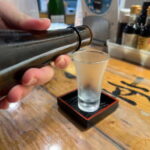
Aki begins with a welcome drink and presents the small souvenir porcelain cup. That opening gives the group time to meet and sets the tone before the food starts. Aki is joined by Yumi on some tours, and the guide team makes a point of introducing people to one another. That is especially helpful if you are traveling alone.
Stop one: a welcome drink and the first local flavors

The first stage includes a short walk of about 15 minutes around Ueno, followed by food and drink. The exact tavern sequence can vary, but the plan is to order signature dishes instead of asking you to choose blindly from a menu.
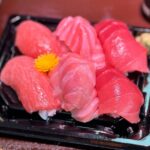
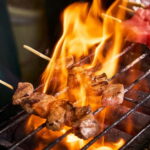
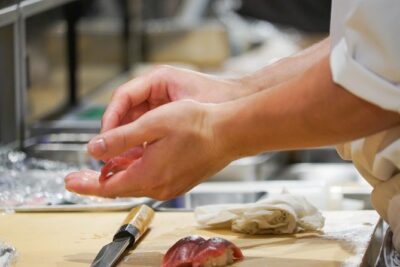
The meal includes sashimi, grilled fish, and skewered chicken and pork. These dishes give you a useful spread of Japanese tavern cooking. Sashimi shows the importance of freshness and simple presentation. Grilled fish brings a different texture and flavor, while skewers make the meal casual and easy to share.
Dietary restrictions can be discussed, and other options may be available. You should tell the provider in advance rather than waiting until you sit down. The supplied information does not promise every possible substitute, so do not assume that all restrictions can be handled without notice.
The first restaurant is also where the tour’s teaching style becomes clear. Aki talks about Japanese food and drink culture while you eat, and you can pepper him with questions. The result is more useful than a fixed speech because you can ask about the dish in front of you.
The three taverns in Ueno and Taito City

The main food portion uses three restaurants or taverns, with roughly 45 minutes at each food stop. Between them, you walk about five minutes. These short transfers keep the evening moving without turning it into a long city walk.
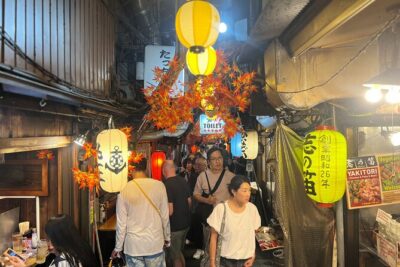
The locations are in Ueno and Taito City, areas that let you see ordinary dining streets near major transport links. You are not being taken to a grand restaurant with a formal tasting menu. Expect casual places where the appeal comes from the food, the local atmosphere, and the chance to see how Japanese diners use taverns for eating and drinking.
At least seven dishes are included, with ramen counted among them. The exact selection depends on what is being served and on dietary needs. You may sample sashimi, grilled fish, chicken and pork skewers, regional dishes, and other signature plates selected by the guide.
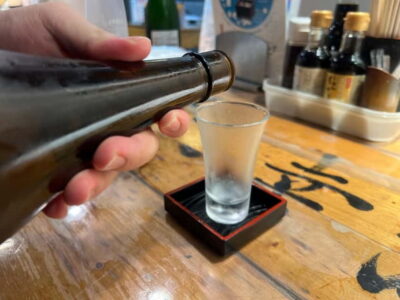
The tour also includes at least five different drinks. The choices can include beer, wine, cocktails, spirits, and soft drinks. The experience is designed around Japanese alcoholic drinks, so it suits you if you like trying unfamiliar beverages. You are not required to drink alcohol, since soft drinks are included, but you should tell Aki what you prefer at the start.
The 45-minute timing at each stop is a practical compromise. You have enough time to eat several dishes and discuss them, but you are not stuck in one place all night. If you prefer a single long dinner with plenty of quiet time, this format may feel quick. If you want variety and would not know where to begin alone, the rotation is a strong point.
What the food format means for your evening

This is not a light crawl built around one bite at each restaurant. The guide clearly advises you to come hungry, and the meal includes full-size portions across several restaurants, ending with ramen. Pace yourself at the first tavern, even if the opening dishes are tempting.
The spread also gives you a better sense of how Japanese meals work socially. You may share several dishes, compare drinks, and learn how different foods pair with alcohol. Aki explains the culture as you go, rather than leaving you to decode the meal from a menu.
The food can include mystery ingredients. One account of the tour recalls trying mystery pork, which became part of the fun. If you are adventurous, this adds a little surprise. If you need to know every ingredient before eating, ask Aki before accepting a dish.
People with firm dietary restrictions should take care. The experience says other options are available depending on your needs, but it does not list a full allergen policy or guarantee a particular menu. Contact the provider before booking if cross-contamination or strict avoidance is important.
A few more Tokyo tours and experiences worth a look



Drinks, customs, and the social side

The drinks are a major part of the price and the atmosphere. Five or more drinks are included, covering several types rather than repeating the same beer or soft drink all evening. You might try wine, beer, a cocktail, or spirits while learning how drinking fits into a Japanese tavern meal.
Aki’s role is especially useful here. Alcoholic drinks can be unfamiliar, and the social rules around ordering and sharing may not be obvious. You can ask direct questions without needing to pretend you understand the menu or customs.
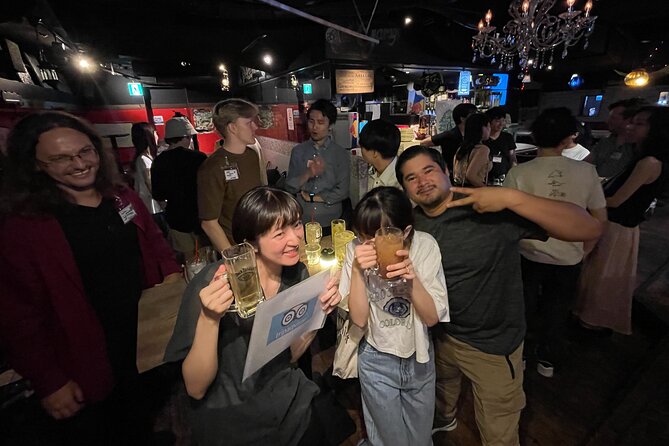
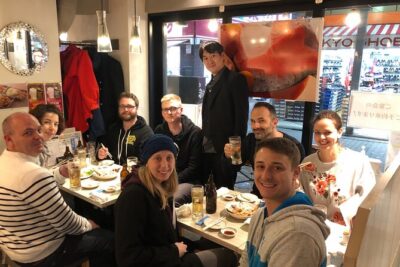
The tour also has a friendly group element. Aki has been praised for making introductions, including solo guests in the conversation, and keeping the mood lively with jokes. That does not mean the evening is a comedy show. It means the meal is designed to feel social rather than stiff.
For a solo visitor, this can be one of the strongest reasons to book. You get a ready-made table group and a guide who helps you take part. Couples can also enjoy it, especially if they want to taste more dishes than they would order alone.
The final stop: ramen after the taverns

After the three taverns, the tour ends at a ramen shop popular with local diners. This is not an optional extra or a quick taste. Ramen is part of the included meal, so save room for it.
Ending with ramen gives the evening a clear finish. The earlier stops focus on shared dishes and drinks, while the final bowl provides a more substantial closing course. If you have already eaten heavily, this final stop may test your capacity. That is why the advice to arrive hungry is important, even though the tour asks you to pace yourself.
The published route finishes around Okachimachi Station. At the end, Aki shows you the entrances for the train lines you may need, based on your onward destination. This is a useful final service after a food-and-drink evening, when station layouts can feel less obvious than they did at the start.
The information also describes the activity as ending back at the meeting point, so confirm the final meeting and departure details when you reserve. In either case, the guide helps you reach the relevant station entrance rather than simply saying goodbye at an unfamiliar street corner.
Is $126 a fair price?
At $126 per person, this is not the cheapest way to eat in Tokyo. It can be good value if you use what is included: at least seven dishes, at least five drinks, the guide, restaurant coordination, cultural explanations, and the souvenir cup.
Ordering the same spread independently would also require you to find three suitable taverns and a ramen shop, manage Japanese-only service, choose enough food for a full meal, and pay for several drinks. The fee covers that work and removes much of the guesswork.
The value is weaker if you do not drink, eat very little, or already feel comfortable ordering in local taverns. Soft drinks are included, but much of the tour’s character comes from sampling several Japanese alcoholic drinks. You should also consider the three-hour pace and the fact that this is a moving meal, not a relaxed single-restaurant dinner.
Food is included, as are all drinks listed for the tour. You do not need to budget for separate tavern bills during the experience. The price also includes the small porcelain cup souvenir, which you use during the tour and take as a reminder afterward.
Who should book this experience?

I would point this tour toward first-time visitors who want an introduction to Japanese food and drinking culture without spending the evening in a tourist-focused district. It also suits solo visitors, couples, and anyone who likes a social meal with a guide.
You should enjoy trying several dishes, walking between stops, and eating in casual places. An adventurous appetite helps, since the food selection includes items you may not recognize and the guide may introduce ingredients you would not order on your own.
This is less suited to wheelchair users, since the activity is not suitable for wheelchair users. It may also be a poor fit if you want a quiet meal, dislike group dining, or need a guaranteed menu for strict dietary reasons.
The English-language guidance is a practical advantage. Aki explains the food, drinks, and customs in English, and the group can ask questions as the meal unfolds. His humor and effort to include everyone are part of the experience, particularly for a solo female visitor or anyone uneasy about entering small Japanese taverns alone.
Booking details worth keeping in mind
The experience lasts three hours, with starting times available through the booking calendar. Free cancellation is available up to 24 hours before the activity for a full refund, and you can reserve now and pay later.
Wear comfortable shoes for the short walks between restaurants and for navigating the station meeting point. The supplied details do not give a group-size limit, so check the current booking page if the size of the group matters to you.
Most important, do not arrive after eating a large meal. You will have food at three taverns and ramen at the end. A light meal earlier in the day is the safer plan.
Should you book Eat/Drink like a LOCAL?
Book it if you want a guided way into Ueno’s casual food scene, especially if Japanese-only restaurants make you hesitant. The combination of three taverns, a ramen finish, five or more drinks, and practical explanations gives you a full evening rather than a quick tasting.
Think twice if you want a slow dinner, have strict food requirements, or do not care about alcohol and shared plates. For everyone else, the strongest reason to go is the access: Aki gets you through the door, orders a broad selection, explains what arrives, and leaves you with a better sense of how local tavern dining works.
FAQ
Where does the tour begin?
It begins at Starbucks Coffee at atré Ueno, beside Ueno Station’s Hirokōji Exit.
Is the meeting point at Ueno Hirokōji Station?
No. The meeting point is at Ueno Station, not Ueno Hirokōji Station.
How do I find the meeting point from JR Ueno Station?
Use the Central Gate, marked 中央改札, then follow the signs for the Hirokōji Exit, marked 広小路口. Meet at the Starbucks entrance beside the crosswalk.
How do I reach the meeting point using Tokyo Metro?
From the Ginza or Hibiya Line, go to the JR Ueno Station District Gate and Exit 9. After reaching ground level, find the Hirokōji Exit.
How long does the experience last?
The tour lasts three hours. Starting times are shown when you check availability.
What food is included?
The meal includes at least seven dishes in total, including ramen. The food can include sashimi, grilled fish, skewered chicken and pork, and other dishes selected for the tour.
How many drinks are included?
At least five drinks are included. Options can include beer, cocktails, wine, spirits, and soft drinks.
Is the tour offered in English?
Yes. The live guide language is English, and the experience is provided in English.
Is the tour suitable for wheelchair users?
No. The activity is listed as not suitable for wheelchair users.
What is the cancellation policy?
You can cancel up to 24 hours in advance for a full refund. A reserve-now, pay-later option is also available.
More Food Experiences in Tokyo
More Tokyo Food Tours in Tokyo
More tours in Tokyo we've reviewed












Tokyo Food Tours, compared.
 ★ 5.0Tokyo: Shinjuku Food Tour (13 Dishes at 4 Local Eateries)From $86
 ★ 4.9Tokyo: Shinjuku Food Tour (13 Dishes and 4 Eateries)From $97
 ★ 5.0Tokyo Night Foodie Tour in Shinjuku – Seasonal Sushi, Wagyu BeefFrom $111
 ★ 5.0Eat and Drink Like a Local: Tokyo Ueno Food Tour-Taverns&RamenFrom $95
 ★ 5.0Tokyo: Shibuya Food Tour (13 dishes and 4 Eateries)From $77
Tokyo: Shinjuku Food Tour – 15 Dishes, 3 Drinks, 4 EateriesFrom $723 hours
★ 5.0Tokyo: Shibuya Food Tour (13 dishes and 4 Eateries)From $77
Tokyo: Shinjuku Food Tour – 15 Dishes, 3 Drinks, 4 EateriesFrom $723 hours