Reviewed · GINZA TOURS
Experience Old local Tokyo & traditional food in Yanaka Ginza
Yanaka Ginza is the kind of Tokyo neighborhood that rewards slow walking. This private Yanesen tour leads you past cat-themed shops, freshly fried menchi-katsu, Japanese sweets, old drinking spots, a puppet show, and Nezu Shrine’s red torii tunnel. It feels far removed from Tokyo’s neon center.
In This Article
- Key points to know before booking
- Why this corner of Tokyo feels different
- From Yuyake Dandan to Yanaka Ginza
- Cat-tail sweets and traditional tea tools
- Menchi-katsu, chestnuts, and the pleasure of small bites
- A Japanese beer and sake stop at Echigoya Honten
- The 40-minute puppet performance
- Snake Road and the story of old lanes
- Nezu Shrine and its red torii tunnel
- Old liquor shops and Yanaka Cemetery
- What the $86.71 price really covers
- Who should book this Yanesen walk?
- Should you book it?
- FAQ
- Where does the tour start?
- Where does the tour end?
- What time does the tour begin?
- How long does the experience last?
- Is this a private tour?
- Is a tour guide included?
- Can I request a Cantonese-speaking guide?
- Are food and drinks included?
- Is the puppet show included?
- Do I need cash?
- Can children join the tour?
- Is the stamp shop open every day?
- What happens if I need to cancel?
I like the private format, since your guide can adjust the pace and explain small details that a large group would pass by. I also like the mix of food, neighborhood life, craft shops, and history. The main consideration is cost: the advertised $86.71 does not cover every food, drink, or admission expense, so you should carry cash and budget extra.
Key points to know before booking

- Yanaka Ginza street food: Try menchi-katsu, cat-tail-shaped doughnuts, Japanese chestnut sweets, and other snacks as you walk.
- Private guidance: Only your party takes part, and a Cantonese-speaking guide can be arranged when requested.
- Old Tokyo atmosphere: The route includes Snake Road, Yanaka Cemetery, traditional stores, and a former liquor shop.
- Nezu Shrine: Walk through the shrine gate and tunnel of red torii gates, with about 30 minutes here.
- Local drinking stop: Echigoya Honten offers Japanese beer and sake in a casual kadouchi setting.
- Extra costs: Food, drinks, the puppet show, and other purchases are paid separately. The puppet admission is listed at ¥700 per person.
Why this corner of Tokyo feels different

Tokyo can be exhausting in the best and worst ways. The trains are packed, the major sights are busy, and many visitors spend their whole stay moving from one famous district to another. Yanesen, the combined area of Yanaka, Nezu, and Sendagi, gives you another view of the city.
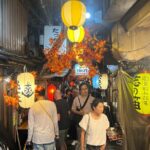
This is an older, more residential side of Tokyo. You walk through narrow lanes, browse small shops, and pause at places that make sense in daily life rather than on a standard sightseeing checklist. The tour does not rely on one grand monument. Its appeal comes from the sequence of modest, local stops.
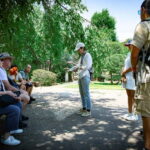
The private setup matters here. A guide can explain how to approach a tiny food counter, tell you what to order, or slow down while you browse. One past booking specifically arranged a professional Cantonese-speaking guide, so Cantonese guidance is possible if requested in advance. A guide’s language ability and personality can shape this experience, so include your preference when booking.
The route lasts about four and a half hours and begins at 12:30 pm at Nippori Station. It ends at Sendagi Station, which makes the tour useful as an afternoon introduction to the area rather than a round trip from your hotel.
A few more Tokyo tours and experiences worth a look

From Yuyake Dandan to Yanaka Ginza
Your first stop is Yuyake Dandan, the staircase between Gotenzaka and Yanaka Ginza. Its name refers to the evening glow, and the steps offer a view toward Yanaka Ginza that is especially appealing later in the day.
The stop itself lasts only about five minutes, but it helps you understand the neighborhood’s layout. From here, the route moves into the shopping street and its surrounding lanes. Since the tour starts at 12:30 pm, you may not get the staircase at sunset, but the guide can still point out why it is associated with evening views.
Yanaka is often linked with cats, and the next stop makes that theme clear. At Shinimonogurui, a shop marked by a large cat sign, you can make a name stamp with a cute illustration. This is a practical souvenir rather than a generic Tokyo trinket, although the shop is closed on Thursdays and Fridays. On those days, the guide substitutes another stop.
That closure is worth noting if your schedule is flexible. The alternate location is not specified, so anyone especially interested in making a stamp should avoid those two days.
Cat-tail sweets and traditional tea tools
Yanaka Shippoya offers a doughnut stick shaped and patterned like a cat’s tail. The creamy versions are a favorite choice, and the stop is brief, around five minutes. This is a snack-sized tasting, not a full meal, so you should think of it as part of a moving food tour.
Next comes Kanekichien, a shop selling equipment used in Japanese tea ceremonies. Even if you have no plans to buy a tea whisk, bowl, or related item, this stop adds useful context. It shows how Japanese traditions remain tied to specialized stores and everyday commerce.
The advantage of seeing such a shop with a guide is that you can ask what an item is for instead of simply looking at unfamiliar objects. The limitation is that shopping stops can be less interesting if you are not drawn to crafts or tea culture. Still, the visit is short and fits the tour’s local focus.
Menchi-katsu, chestnuts, and the pleasure of small bites

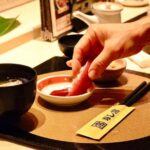
Niku no Suzuki is one of the food highlights. The shop serves freshly fried menchi-katsu, a breaded meat croquette with a hot, savory center. It is the sort of snack that makes sense on a walking route: inexpensive compared with a sit-down meal, easy to eat, and best while fresh.
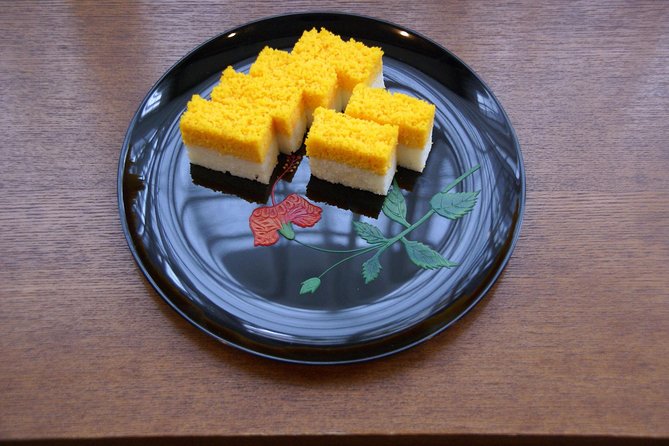
You then stop at Waguriya, a shop devoted to Japanese chestnuts. It owns its own farm and makes sweets that focus on the natural flavor of the nuts. The visit lasts about five minutes, so expect a taste or a look at the specialty products rather than a long dessert break.
These food stops are one reason I find the tour more useful than a simple neighborhood walk. You are not only being shown Yanaka Ginza. You are given reasons to pause, taste, and notice what local shops choose to specialize in.
Do not assume that every bite is included in the tour price. The booking information lists meal costs at ¥0 per person, but it also says that food and drink costs at visited locations are paid by the customer. Bring cash, especially because some shops do not accept credit cards.
A Japanese beer and sake stop at Echigoya Honten

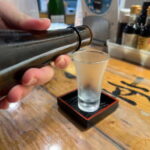
Echigoya Honten is a liquor shop where you can taste Japanese beer and sake in the style known as kadouchi. This means drinking at or near a liquor shop, in a casual setting rather than a formal restaurant.
The stop is scheduled for about 25 minutes, long enough to make it more than a quick sample. Your guide can help explain how to drink and order in the local way, though the precise beverages available on the day may vary.
Alcohol is optional, but this stop affects who will enjoy the route. Children may enter, but only people aged 20 or older may drink alcohol. If no one in your party drinks, you should ask how the stop will work for your group. The listing also separates optional costs from the base price, with ¥4,350 per person shown as optional experience expenses. Confirm what that figure covers before you pay.
A few more Tokyo tours and experiences worth a look


The 40-minute puppet performance

The longest single stop is Hand Puppets Shokichi, where professional puppeteers present an expressive puppet show. Admission is not included, and the listed fee is ¥700 per person.
This gives the tour a welcome change of pace. Most of the afternoon involves walking, browsing, and eating. Sitting down for a 40-minute performance adds a cultural experience that you would be unlikely to find by simply wandering Yanaka on your own.
It also creates a possible drawback. A puppet show may not appeal to every adult, and the fixed performance time can make the afternoon feel less flexible. If your group has young children or enjoys traditional performance, it could be a highlight. If you prefer an entirely food-focused walk, this is the stop to ask about before booking.
Snake Road and the story of old lanes

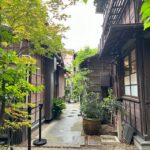
Behind Yanaka Ginza, Snake Road curves through the neighborhood in a long, winding line. The alley follows the path of small rivers that once ran through the area, giving the route a useful connection between present-day streets and older city planning.
The walk here lasts about 10 minutes. It is not a major attraction with an entrance gate or formal exhibit. Its value is in seeing how Tokyo’s residential lanes bend and narrow, and in letting your guide connect the physical street to the area’s past.
This is where a private tour earns its keep. A map can show you Snake Road, but a guide can point out why the lane looks the way it does and help you notice details you might otherwise ignore.
Nezu Shrine and its red torii tunnel

Nezu Shrine receives about 30 minutes, making it one of the route’s main stops. You enter through its large tower gate and walk through a tunnel of red torii gates. The shrine is also described as a power spot, a term commonly used in Japan for places believed to have special spiritual energy.
The torii-lined path makes a strong visual break from the shopping street and narrow residential lanes. It is also a place where you should slow down and show respect. Keep your voice low around worship areas, and follow your guide’s instructions about where to walk and pause.
The visit is free, but you should remember that shrine customs matter more than taking a quick photograph. The tour gives you enough time to see the gate and torii tunnel without turning the stop into a rushed photo break.
Old liquor shops and Yanaka Cemetery
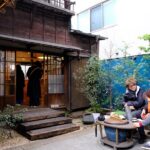
The route also includes the Shitamachi Museum Annex, known as Old Yoshidaya Sakayaten. The building dates from 1910 and was once a working liquor shop. Today it serves as an exhibition hall connected with the Shitamachi Folk Museum.
This stop gives you a look at the old commercial side of the district. Rather than hearing only about famous temples and shrines, you see how a neighborhood shop operated in an earlier period. The scheduled visit is about 15 minutes.
Yanaka Cemetery adds another quiet layer. Its graves include generals who once ruled Japan, literary figures, and ordinary residents. That mix is important. The cemetery is not just a place to seek famous names. It is also part of the living neighborhood, and a reminder that Tokyo’s past includes both celebrated people and everyday families.
The provided timing does not specify how long the cemetery visit lasts, so the exact route may vary. Treat it as a respectful walk, not a sightseeing attraction in the usual sense.
What the $86.71 price really covers
The advertised price is $86.71 per person, with group discounts available. Because this is a private tour, the value depends heavily on the size of your party. For two people, the cost is higher per person than for a larger group, but you gain a guide focused only on your needs.
The price includes the guide, private touring, and the guide’s necessary expenses. It does not cover all expenses made along the way. The cost information lists an estimated ¥5,050 per person, including ¥700 for the puppet admission and ¥4,350 in optional experience costs. It also states that transportation is ¥0 and meal costs are ¥0 per person in that estimate.
Those figures can be confusing beside the instruction that customers pay for food and drinks. I would ask the provider to clarify exactly which optional activities are included in the ¥4,350 estimate and how much cash you should bring for snacks, sake, beer, and shopping.
There is no planned transportation cost, which makes sense because this is a walking tour. Wear comfortable clothes and shoes. Four and a half hours across shopping streets, alleys, a shrine, and a cemetery is a lot of time on your feet.
Who should book this Yanesen walk?
I would recommend this experience to first-time Tokyo visitors who want a calmer neighborhood afternoon after spending time in the city center. It also suits repeat visitors who have already seen the major sights and want food, small shops, and local streets instead of another large attraction.
The private format works well for families, couples, and small groups with different interests. One person can ask about food, another can browse tea tools, and the guide can adjust the pace more easily than on a large group outing.
It is less suitable if you want a cheap food crawl with every tasting included. It is also not ideal for anyone who dislikes walking, alcohol-related stops, shopping detours, or fixed cultural performances. Some locations may close temporarily, and the route can be changed to an alternative stop.
The experience has a perfect five-star rating from 23 reviews, with 100 percent recommending it. That is a small sample, but it fits the tour’s strongest qualities: a fun private guide, a personal pace, and a good mix of food and neighborhood culture. The Cantonese guide arrangement is another useful option for Cantonese-speaking parties.
Free cancellation is available up to 24 hours before the start time. Changes or cancellations inside that window are not accepted for a refund.
Should you book it?
Book this tour if you want Tokyo to feel smaller and more personal for an afternoon. The best reasons are the private guide, Yanaka Ginza snacks, the sake and beer stop, the puppet show, and the route through Snake Road and Nezu Shrine.
Before booking, confirm the guide language, optional-cost breakdown, puppet admission, and food budget. If you are comfortable carrying cash and walking for several hours, this is a strong choice for seeing old local Tokyo without spending the day in a standard sightseeing crowd.
FAQ
Where does the tour start?
It starts at Nippori Station, at 2 Chome-19 Nishinippori, Arakawa City, Tokyo.
Where does the tour end?
The tour ends at Sendagi Station on the Tokyo Metro Chiyoda Line, at 3 Chome-38 Sendagi, Bunkyo City, Tokyo.
What time does the tour begin?
The start time is 12:30 pm.
How long does the experience last?
The tour lasts approximately 4 hours and 30 minutes.
Is this a private tour?
Yes. Only your party participates in the activity.
Is a tour guide included?
Yes. A tour guide and the necessary expenses for the guide are included.
Can I request a Cantonese-speaking guide?
A Cantonese-speaking guide can be arranged, based on the information provided. Make the request when booking.
Are food and drinks included?
No. Food and drink costs at the visited locations are paid by the customer.
Is the puppet show included?
No. Admission to Hand Puppets Shokichi is not included. The listed admission fee is ¥700 per person.
Do I need cash?
Yes. Some stops do not accept credit cards, so bring Japanese yen for food, drinks, admission, and purchases.
Can children join the tour?
Children are allowed to enter the locations where alcoholic beverages are served, but only people aged 20 or older may drink alcohol.
Is the stamp shop open every day?
No. Shinimonogurui is closed on Thursdays and Fridays. An alternative stop is provided on those days.
What happens if I need to cancel?
You can cancel at least 24 hours before the local start time for a full refund. Cancellations or changes made less than 24 hours before the start time are not accepted.
More Food Experiences in Tokyo


More Ueno & Yanaka Walks in Tokyo
More Ginza Tours in Tokyo


More tours in Tokyo we've reviewed












Ginza Tours, compared.
 ★ 4.8Chopstick Making Workshop in GinzaFrom $251 hour
 ★ 4.5Tokyo: Art Aquarium Museum GINZA Entry TicketFrom $171 day
 ★ 5.0Tokyo: Best Ginza Food Tour at 3 Local EateriesFrom $150
 ★ 4.5Official Japan Go-Kart Through Tokyo Bay / Ginza (IDP Required)From $85
 ★ 5.0Private Ginza Architecture Walking TourFrom $132
 ★ 4.8Tokyo GINZA: KONPARU Japanese Cabaret Show with DrinkFrom $502 hours