Reviewed · TEA CEREMONY & MATCHA
Tokyo: Practicing Zen with a Japanese Tea Ceremony
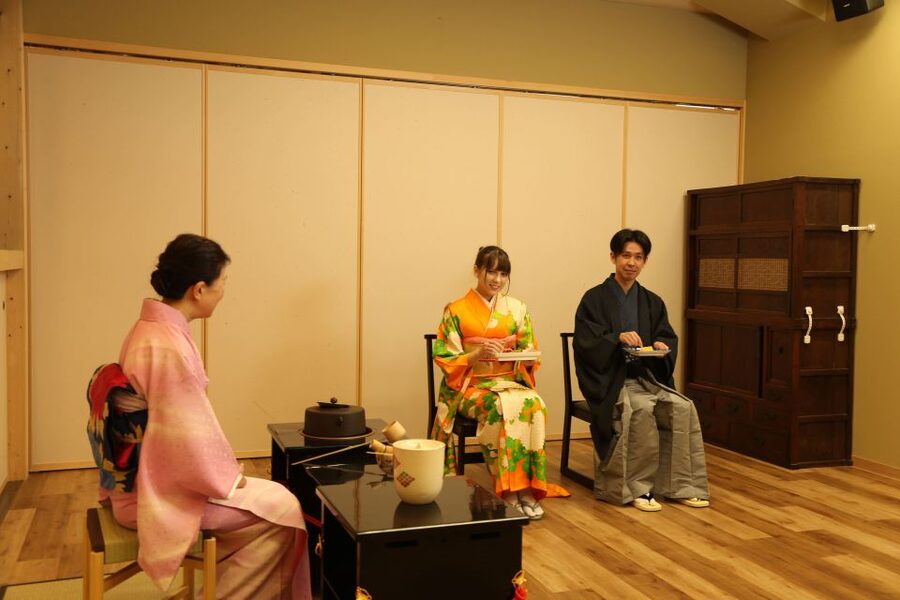
The heart of this 75-minute experience is not simply drinking matcha. You first watch an expert perform the tea ceremony, then repeat key steps yourself. That change from spectator to participant makes the ritual easier to understand and gives the session real purpose.
In This Article
- Key points to know before booking
- What this tea ceremony actually teaches you
- The first ceremony: watch the rhythm before trying it
- Your turn at the bowl
- A quiet lesson with a practical setting
- Meeting opposite Tokyo Tower
- Is $63 a fair price?
- What the instructors add
- Who should book this experience?
- What to keep in mind before you go
- Should you book it?
- FAQ
- How long does the Japanese tea ceremony experience last?
- How much does the experience cost?
- Is the instruction offered in English?
- Where is the meeting point?
- What should I do if I cannot find the instructor?
- Is transportation included?
- Can I take part if I cannot sit on the floor?
- Are children under 4 allowed to join?
I like the clear link between Zen Buddhism and everyday actions, and I like the thoughtful pairing of green tea with a traditional Japanese sweet. The small group, limited to 10 people, should also make it easier to see the utensils and ask questions. The main consideration is the setting: one visitor heard activity next door, so the room may not offer perfect silence.
Key points to know before booking
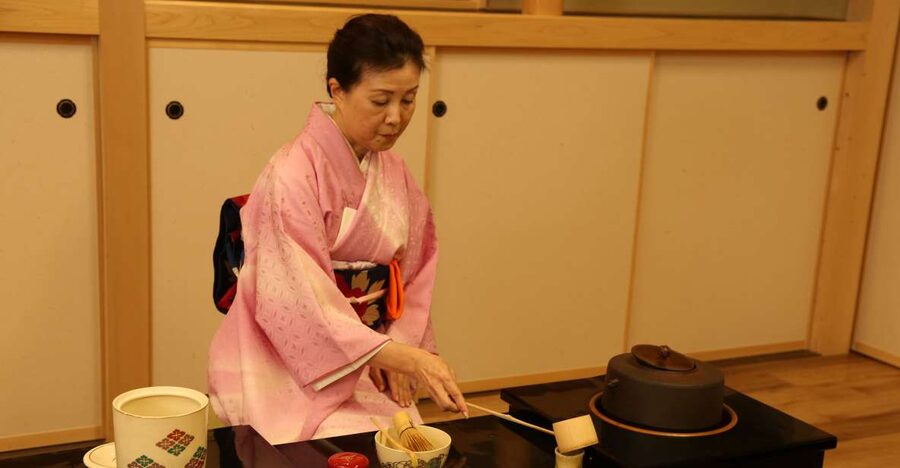
- You prepare tea yourself: After watching the first ceremony, you conduct a second one with step-by-step help.
- Zen is part of the lesson: The instructor explains how calm attention, movement, art, and architecture connect with the ceremony.
- Matcha comes with a traditional sweet: The confection is specially paired with the tea, not added as an afterthought.
- Tokyo Tower is your landmark: Meet at the main entrance of Kikai Shinko Kaikan, directly opposite the tower.
- You do not have to sit on the floor: Seats are available, and the activity is wheelchair accessible.
- English instruction keeps it approachable: Tea masters and hosts explain both the actions and the reasons behind them.
What this tea ceremony actually teaches you
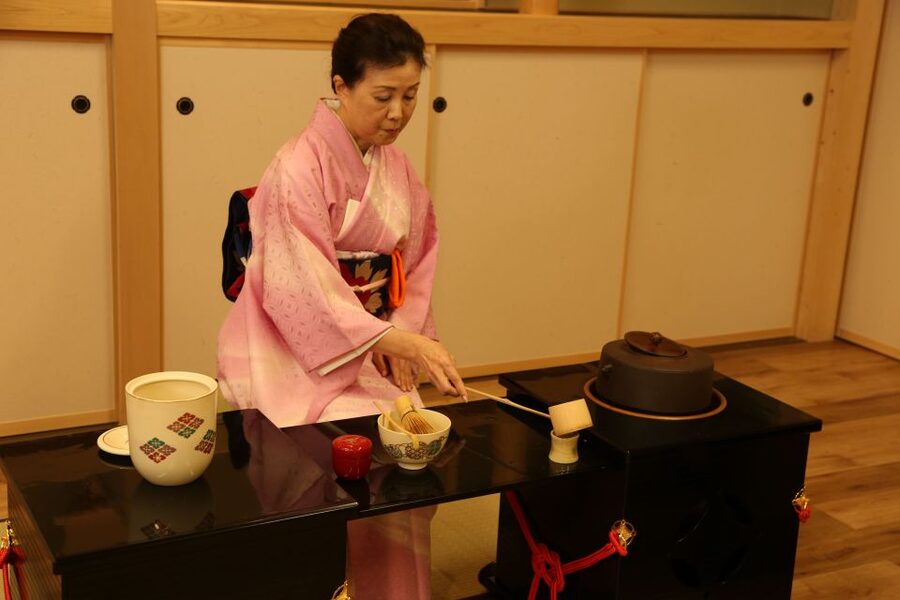
Many visitors first meet Japanese tea ceremony through its quiet gestures: the bowl is handled in a certain way, the whisk moves with care, and the guest receives the tea with attention. Those actions can seem mysterious if you only watch them.
This session gives you the missing explanation. Your instructor introduces the utensils, demonstrates the preparation of matcha, and describes the meaning behind the movements. You learn that the ceremony is not just a recipe for powdered tea. It is a formal way to focus on the present moment and show care to the people sharing it.
The connection with Zen Buddhism is a central part of the class. You hear how Zen ideas are expressed through Japanese art and architecture, and how the tea ceremony has retained a role in parts of modern Japanese society. That context matters because it keeps the activity from becoming a quick photo opportunity with a bowl of green tea.
The lesson also has a useful practical side. Once you understand why the host pauses, turns an item, or handles a utensil in a particular manner, the ceremony becomes less about memorizing rules and more about noticing detail.
A few more Tokyo tours and experiences worth a look

The first ceremony: watch the rhythm before trying it
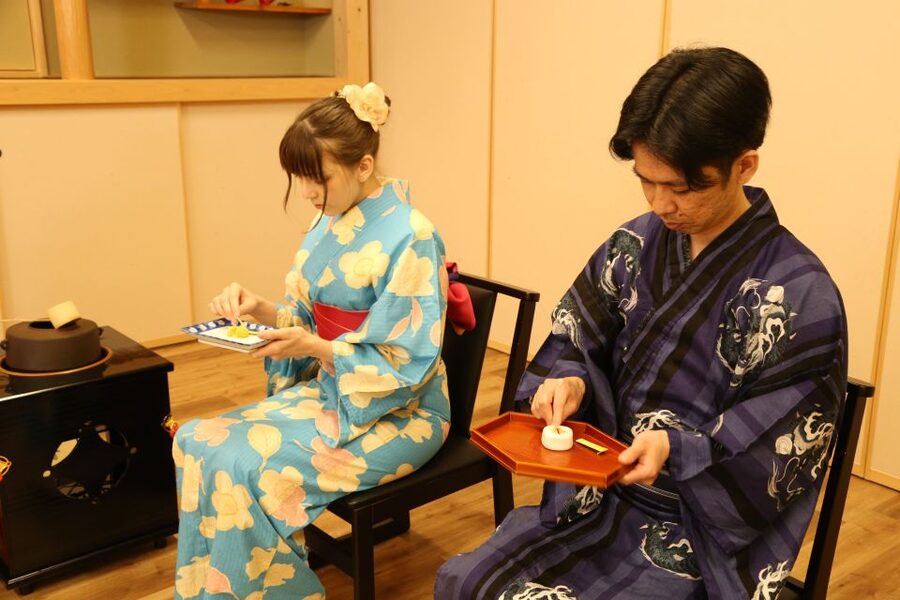
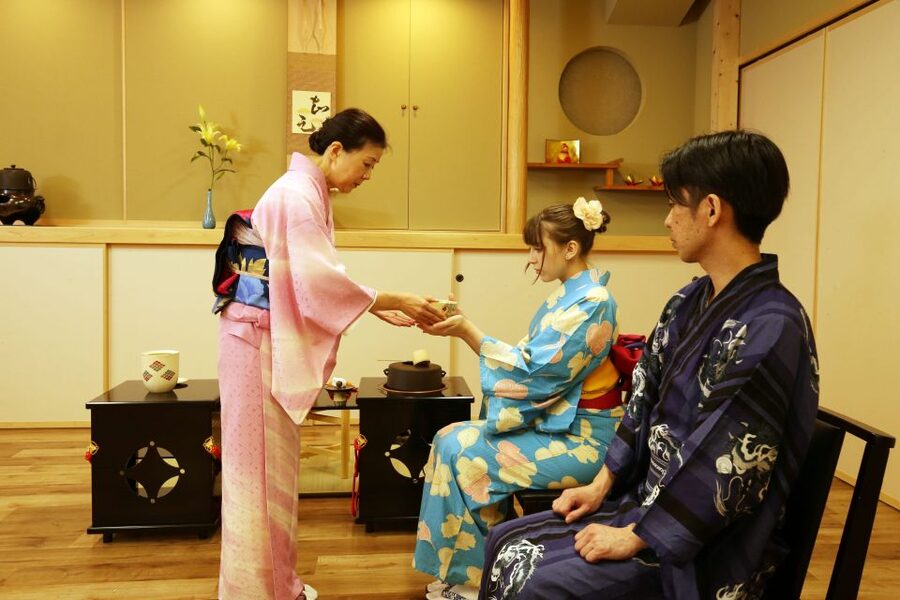
The session begins with a demonstration by the tea master or instructor. You watch the preparation of matcha and the series of movements that shape the ceremony. The pace is deliberately measured, so you have time to notice the utensils and follow the order of events.
This first part is valuable for beginners. You are not expected to arrive with any knowledge of Japanese tea culture, and the instructor explains what is happening as the demonstration unfolds. English is the teaching language, and past sessions have included instructors such as Junko, Ken, and Midori. The specific teacher may vary, but the format is built around direct explanation.
You also receive a traditional Japanese sweet with the green tea. The sweet is paired with the matcha, giving you a chance to notice how the flavors work together. The confection helps soften the tea’s strong, grassy taste and adds another small piece of Japanese food culture to the lesson.
I would pay close attention during the demonstration rather than treating it as a performance to watch passively. The second half makes much more sense if you notice how the instructor positions the bowl, handles the tools, and moves between each stage.
Your turn at the bowl
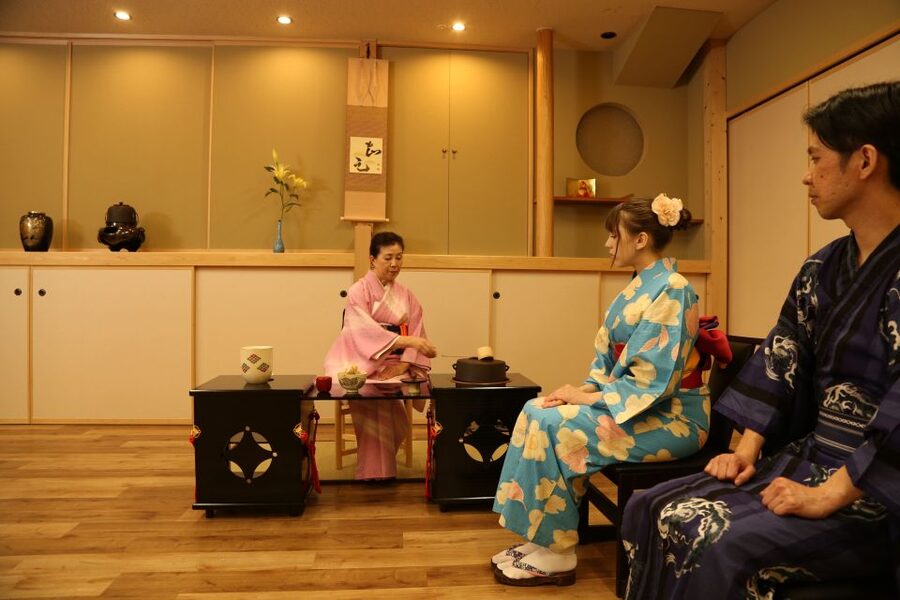
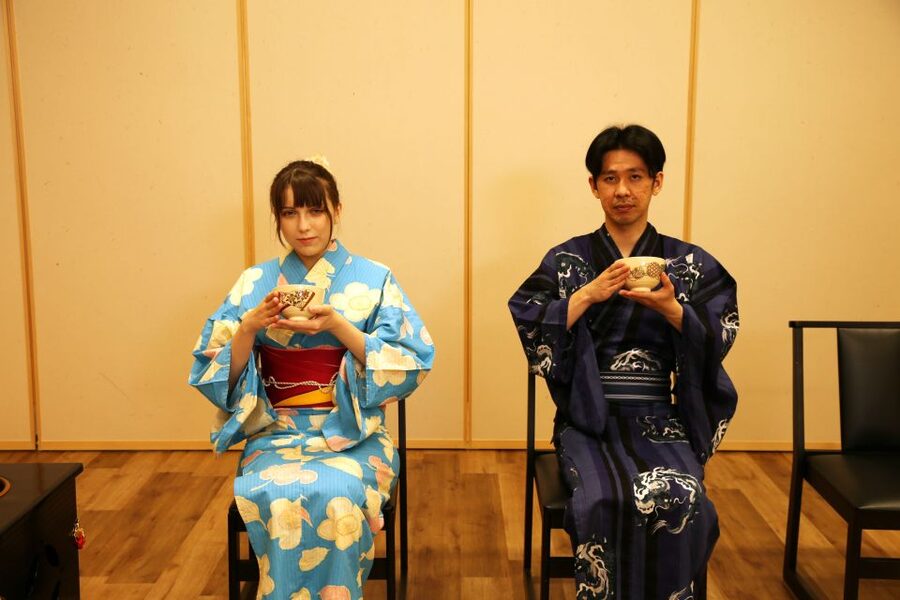
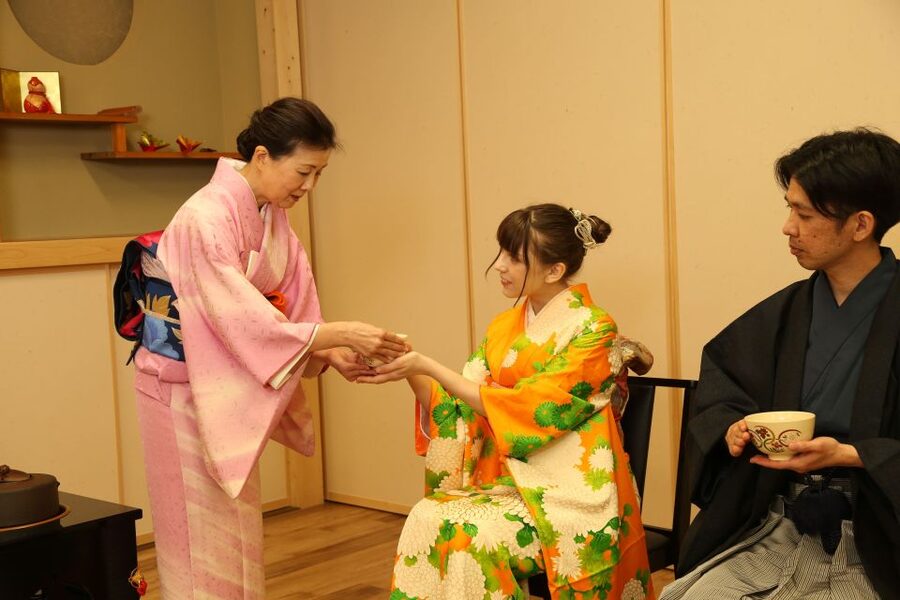
After the demonstration, you conduct a tea ceremony yourself with expert guidance. This is the strongest feature of the experience. Instead of leaving with only a general impression, you practice the actions and discover which parts require care and concentration.
The instructor walks you through the process, correcting or assisting when needed. You learn about the specific utensils and try to recreate the preparation for yourself. The aim is not to turn you into a tea master in 75 minutes. It is to help you understand the discipline and intention behind the ritual.
That hands-on section also makes the Zen discussion more concrete. You feel how much attention is required to complete a simple sequence calmly. The experience asks you to slow down, watch what your hands are doing, and respect the person receiving the tea.
Several details make this especially suitable for first-time visitors. You can ask questions as you go, the group is capped at 10 participants, and the instructor can explain why a particular movement matters instead of simply telling you to copy it.
A quiet lesson with a practical setting
The room is arranged to feel like a tea room, according to the experience details, but you are not required to kneel or sit directly on the floor. Seats are available for anyone who prefers them, and this makes the activity more accessible than a traditional tearoom visit might be.
That point is important if you have limited mobility or find floor seating uncomfortable. The activity is listed as wheelchair accessible, and a previous participant who could not sit on the floor found the arrangement accommodating.
The atmosphere is meant to support quiet attention. Making noise is not allowed, which fits the tone of the ceremony. Still, you should keep your expectations realistic. The space is in a city building, and one participant could hear another activity through the adjoining area. If complete silence is essential to your idea of Zen, this may be a minor disappointment.
For most people, the instruction will matter more than perfect soundproofing. The small classroom format helps you see what is happening and hear the explanations. It also keeps the ceremony personal without requiring the formal setting of a private temple.
Meeting opposite Tokyo Tower
The meeting point is easy to identify if you use Tokyo Tower as your reference. Go to the main entrance of Kikai Shinko Kaikan on the first floor. The building is directly opposite Tokyo Tower.
If you cannot find the instructor, visit True Japan Tour in Room B109 on the basement level of the building. This backup location is useful because the meeting instructions involve both the first floor entrance and the basement office.
Transportation is not included, so you make your own way there. The location works well as part of a Tokyo Tower area visit, but allow enough time to find the building and reach the entrance before the scheduled start. The activity lasts 75 minutes, and starting times depend on availability.
A few more Tokyo tours and experiences worth a look




Is $63 a fair price?
At $63 per person, this is not the cheapest way to taste matcha in Tokyo. You are paying for instruction, a structured ceremony, a traditional sweet, the tea, and your own guided attempt at the ritual.
I think the price makes the most sense if you value cultural explanation and personal participation. A quick cup of matcha gives you a taste. This experience explains the utensils, the movements, the Zen connection, and the role of the ceremony in Japanese life. It also gives you time with an instructor who can answer questions.
The small group improves the value. With no more than 10 participants, you should have a clearer view of the demonstration than in a large classroom, and the instructor has a better chance to guide your own preparation. Some sessions may feel especially personal, depending on the number of people who book.
The price is less convincing if you mainly want a quiet drink or a formal ceremony performed entirely for you. The activity places real emphasis on learning and doing. That is its strength, but it is not the right choice if you want to remain a passive observer.
What the instructors add
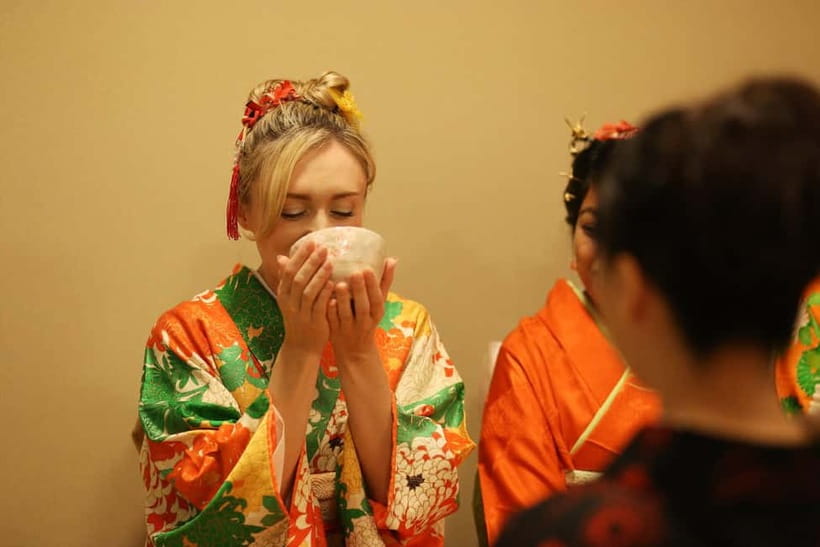
The teaching is one of the most praised parts of the experience. Junko is singled out for her warm manner and clear explanation of the tea ceremony’s connection with Zen Buddhism. Ken is also noted as a strong guide, and Midori helped create a comfortable, welcoming session.
Those individual names do not guarantee which instructor you will meet, but they show the sort of teaching style to expect: personal, patient, and focused on the reasons behind the ritual. The hosts are described as speaking English very well, which matters when the subject depends on subtle details.
A good instructor can make the difference between a string of unfamiliar gestures and a lesson you remember. Here, the teaching covers history, preparation, utensils, etiquette, and Zen. It also includes humor in at least some sessions, which helps keep the formal subject from feeling stiff.
The best approach is to ask questions. You can ask about the bowl, the whisk, the sequence of movements, or the role of the sweet. Since the class is designed for beginners, you do not need to worry about appearing uninformed.
Who should book this experience?
I would recommend this for first-time visitors who want a cultural activity with more substance than a demonstration. It is also a good fit if you are interested in Zen, Japanese design, traditional arts, or the way old customs continue in modern society.
The format suits solo visitors, couples, and small groups. A 75-minute session is long enough to learn and participate without taking over your day. It works well before or after visiting Tokyo Tower, since the meeting point is directly across from it.
Families should note that children under 4 are not suitable for the activity. Older children may need to sit quietly and follow the instructor’s directions, since noise is not allowed, but no further age guidance is provided.
You should also choose this if floor seating is a concern. Chairs are available, and the activity is wheelchair accessible. That makes it a more practical option than many traditional experiences held in spaces designed mainly for kneeling.
What to keep in mind before you go
Do not expect a full Zen retreat. The Zen exercise is brief, and the main focus remains the tea ceremony, its background, and your own attempt at preparing matcha.
Do expect a quiet, carefully ordered class. Wear comfortable clothing that allows you to sit or move easily, even though chairs are available. The supplied information does not set a dress code, so you do not need to plan around formal attire.
Arrive with curiosity rather than a desire to perform perfectly. The instructor is there to guide you, and the value lies in understanding the process. Your tea may not look like a master’s work, but you will leave knowing why the steps matter.
The free cancellation policy allows a full refund when you cancel at least 24 hours in advance. You can also reserve now and pay later, which is helpful when you are still arranging a Tokyo schedule.
Should you book it?
Book this experience if you want to do more than taste matcha. The strongest reasons are the English instruction, the clear Zen connection, the small group, and the chance to conduct the ceremony yourself after watching a demonstration.
I would be less eager to book it if your priority is total silence, a temple setting, or a long meditation session. The city location may allow some sound from nearby activities, and the Zen portion is short.
For most visitors, the balance is right. You get a traditional sweet, matcha, cultural background, practical instruction, and a hands-on ritual in just 75 minutes. At $63, it earns its price when you treat it as a guided introduction to Japanese culture, not simply a tea tasting.
FAQ
How long does the Japanese tea ceremony experience last?
The experience lasts 75 minutes.
How much does the experience cost?
The price is $63 per person.
Is the instruction offered in English?
Yes. The instructor language is English.
Where is the meeting point?
Meet at the main entrance of the Kikai Shinko Kaikan building on the first floor, directly opposite Tokyo Tower.
What should I do if I cannot find the instructor?
Go to True Japan Tour in Room B109 on the B1 floor of the Kikai Shinko Kaikan building.
Is transportation included?
No. Transportation is not included.
Can I take part if I cannot sit on the floor?
Yes. Seats are available, and the activity is wheelchair accessible.
Are children under 4 allowed to join?
No. The activity is not suitable for children under 4.
More Temples & Meditation in Tokyo
More Tea Ceremony & Matcha in Tokyo

More tours in Tokyo we've reviewed












Tea Ceremony & Matcha, compared.
 ★ 5.0Matcha Making Class in Tokyo with Authentic Japanese Sweets SetFrom $21
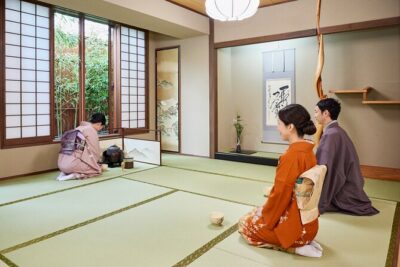 ★ 5.0Kimono Tea Ceremony at Tokyo, Asakusa MaikoyaFrom $55
 ★ 5.0Tokyo: Traditional Tea Ceremony with a Tea MasterFrom $381 hour
 ★ 4.5Dynamic Tokyo: Tokyo Tower, Tea Experience, Bay Cruise Day TourFrom $99
 ★ 4.9Tokyo: Matcha Making Experience with Mochi Sweets in AsakusaFrom $221 hour
 ★ 4.7Tokyo: Matcha and Kimono ExperienceFrom $57