Reviewed · MT FUJI DAY TRIPS
Mount Fuji Full Day Tour form Tokyo Lake Kawaguchi & Yamanaka
Mount Fuji is the star, but this eight-stop day tour gives you much more than one mountain photograph. From Tokyo, you visit Lake Yamanaka, Oshino Hakkai, Lake Kawaguchi, Oishi Park, Chureito Pagoda, a historic shrine, a retro shopping street, and the famous Lawson photo stop.
In This Article
- Key points
- Why this is an efficient Fuji day from Tokyo
- Lake Yamanaka brings a quieter first stop
- Oshino Hakkai shows Fuji’s water source
- Lake Kawaguchi offers classic Fuji views
- Oishi Park changes with the seasons
- Chureito Pagoda requires your legs and your camera
- Arakura Fuji Sengen Shrine adds spiritual context
- Shimoyoshida Honcho Street feels more everyday
- Lawson Fujikawaguchiko Town Hall is a modern photo stop
- The guides can make a tightly timed day work
- What the $60.90 price really covers
- Who will enjoy this route most
- Practical details before you reserve
- Should you book this Mount Fuji tour?
- FAQ
- How long does the Mount Fuji tour from Tokyo last?
- Where does the tour start and finish?
- What is included in the tour price?
- Is lunch included?
- How many people can join the tour?
- Can I bring a stroller or large luggage?
- What happens if I need to cancel?
I like the easy coach transport and the wide mix of views. You get lakes, spring water, flowers, shrine grounds, a pagoda, and an ordinary Japanese shopping street in one day. Guides including Taiyo, Belle, and Eric have been praised for clear explanations, good communication, and a friendly manner. The catch is pace: most stops last only 15 to 25 minutes, and clouds or rain may hide Fuji.
Key points
- Eight Fuji-area stops in one day: You cover major photo spots without piecing together several train and bus routes.
- A useful mix of scenery: Lakes and flower gardens are balanced with shrines, spring pools, shops, and a convenience store photo stop.
- Air-conditioned transport included: The coach removes much of the strain of reaching the Fuji Five Lakes from Tokyo.
- Good guide support: Taiyo, Belle, and Eric are among the guides associated with especially warm feedback for their communication and local explanations.
- Strong value at $60.90: Transport and entrance costs are included, though lunch and personal purchases are extra.
- Weather matters: Mount Fuji may be hidden by cloud or rain, so the tour is best viewed as a full regional outing, not a guaranteed mountain photograph.
Why this is an efficient Fuji day from Tokyo
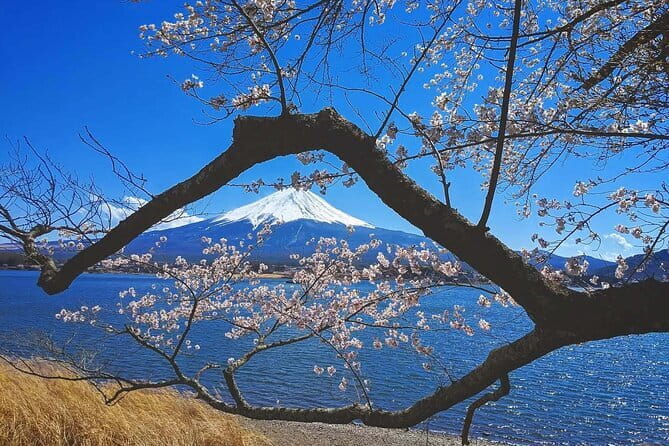
This tour starts at 8:00 a.m. from STAND TJapan in Marunouchi, near Tokyo Station, and returns to the same meeting point. That central start is useful if you are staying in Tokyo and want a clear departure point rather than a complicated series of local trains and buses.
The trip lasts about 10 hours. That is a long day, but the distance makes it sensible. The Fuji Five Lakes area is far enough from central Tokyo that independent visits require careful planning, transfers, and attention to return times. Here, you settle into an air-conditioned vehicle and let the driver handle the road.
The coach can hold up to 48 people, so you should not expect a small private outing. That larger size helps keep the price down, but it also means fixed departure times and brief visits. One useful detail from the trip feedback is that the bus had reclining seats and air conditioning, though no chargers were available. Bring a charged phone and a power bank if you plan to take photos all day.
At $60.90 per person, the value is good for a full day with transport and all listed fees included. You still pay for lunch, drinks, souvenirs, and other personal costs. The real saving is time and effort, not just admission money.
A few more Tokyo tours and experiences worth a look
Lake Yamanaka brings a quieter first stop
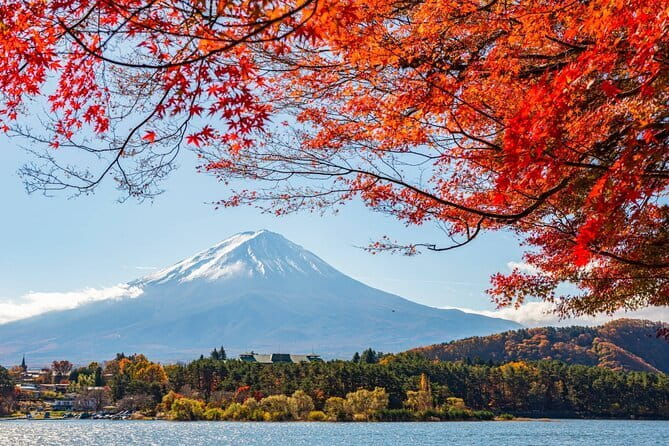
Lake Yamanaka, also called Swan Lake, is the largest of the five Fuji lakes. The tour gives you about 25 minutes here, enough for a short walk, photographs, and a chance to feed the swans.
This is a gentle opening to the day. The water gives you a broad setting for Fuji views, and the swans add a pleasant bit of life to the scene. If the mountain is covered by cloud, the lake still offers something to see, unlike a stop that exists only for one iconic angle.
The short time is the main limitation. You will not have time for a long lakeside walk or a slow café break. Treat it as a first look and a chance to stretch your legs after leaving Tokyo.
Oshino Hakkai shows Fuji’s water source
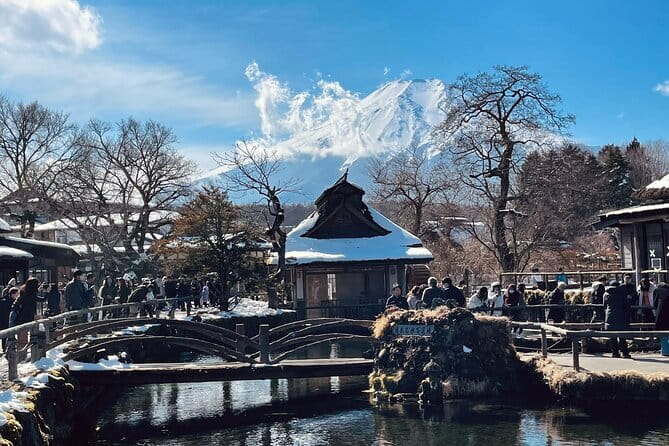
Oshino Hakkai receives about an hour, making it one of the more substantial stops. The site has eight clear springs formed by snowmelt from Mount Fuji and is recognized as a World Heritage Site. The water is also known as one of Japan’s 100 Famous Waters.
You can taste the spring water at no charge, then walk among the pools and traditional-style surroundings. This stop adds meaning to the mountain. Fuji is not only a summit for photographs. Its snow and rain feed the water systems around the region, and Oshino Hakkai lets you see that connection in a direct way.
An hour is a useful amount of time here, though the stop can feel busy when several groups arrive together. You may want to taste the water early, take your main photographs, and then use any remaining minutes to look around rather than waiting until the end.
Lake Kawaguchi offers classic Fuji views
Lake Kawaguchi is often called the shining pearl of the Fuji Five Lakes. Its irregular shoreline creates several angles toward Mount Fuji, and the tour includes about 25 minutes for photographs and a short walk.
This is one of the places where weather can make a major difference. On a clear day, the lake and mountain create the classic Fuji scene many people hope to see from Tokyo. On a cloudy day, you still have the water and surrounding area, but the main subject may disappear.
Because the stop is short, listen carefully to your guide’s meeting instructions. A few minutes spent wandering in the wrong direction can take a large share of your photo time. Keep your phone ready and use the first clear view you find.
Oishi Park changes with the seasons
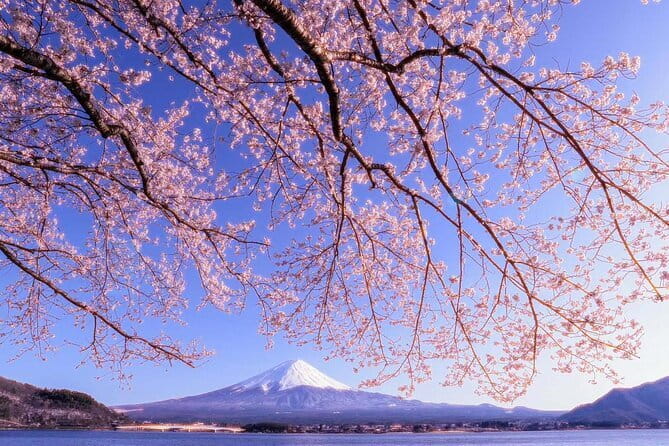
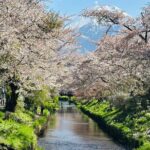
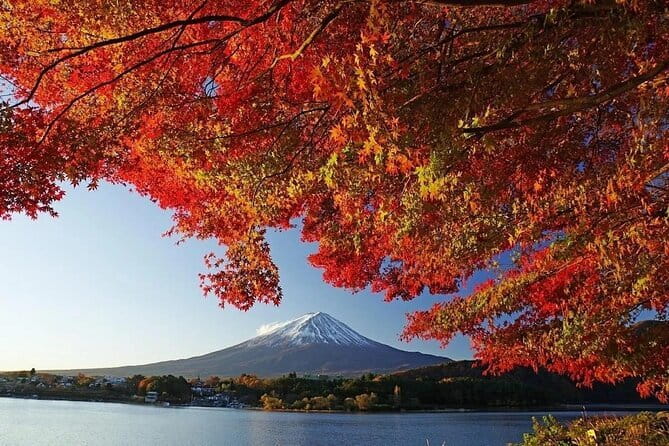
Oishi Park is known for seasonal flower displays. Depending on when you go, you might see cherry blossoms, lavender, red autumn leaves, kochia, snow, or reeds. The park gives you 25 minutes and a pleasant contrast to the lake stops.
This is a smart inclusion because Fuji’s surroundings do not look the same all year. Spring, summer, autumn, and winter each offer a different setting, and the flowers or foliage can frame the mountain when the air is clear.
Do not book the tour expecting one fixed flower show. The exact display depends on the season, and the description covers several possibilities rather than promising a particular bloom. The stop is best for a quick stroll and photographs, not a full botanical visit.
A few more Tokyo tours and experiences worth a look


Chureito Pagoda requires your legs and your camera
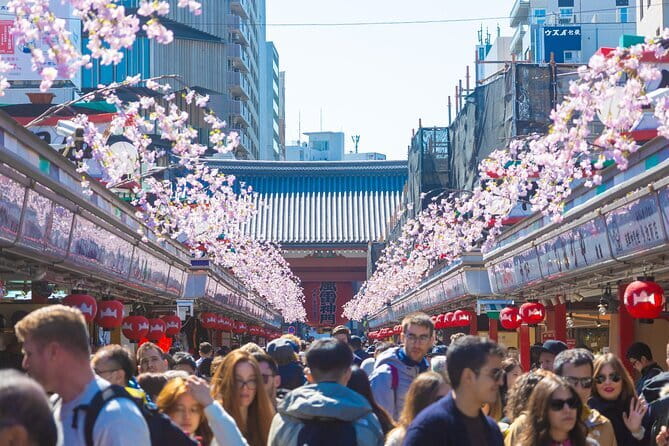
Arakurayama Sengen Park is the tour’s one-hour stop and one of its main highlights. It is famous for the five-story Chureito Pagoda, with views toward Mount Fuji that have become among the most recognized images of Japan.
The pagoda sits within a park in Fujiyoshida City, and reaching the best viewpoints involves steps. The tour information does not give a precise step count, so plan for an uphill walk and wear comfortable shoes. This is not a stop where you simply step off the coach and take a photograph beside the road.
The hour gives you more room than at the lakes. You can climb, take photographs, enjoy the pagoda, and return without rushing quite as much. Still, if you are with a young child or need a slower pace, the schedule may feel tight. One piece of feedback specifically pointed to wanting more time when traveling with a small child.
Weather again controls the result. The pagoda remains worth seeing even when Fuji is hidden, but the famous three-part view depends on clear conditions. Your guide can help with timing and directions, yet no tour operator can control the clouds.
Arakura Fuji Sengen Shrine adds spiritual context
The Arakura Fuji Sengen Shrine receives about 15 minutes. It was built in 705 and has more than 1,300 years of history. The shrine is associated with prayers for well-being and family happiness.
The site also connects to Mount Fuji’s volcanic past. After a large eruption in 807 caused widespread fear, the shrine held ceremonies connected with the crisis. That detail gives the mountain a deeper place in local life. Fuji is both a natural landmark and a sacred presence.
Fifteen minutes is enough for a quick look, a few photographs, and a short explanation from the guide. It is not enough for a long quiet visit or detailed shrine study. Think of this as a compact cultural stop that fills in part of the story behind the scenery.
Shimoyoshida Honcho Street feels more everyday
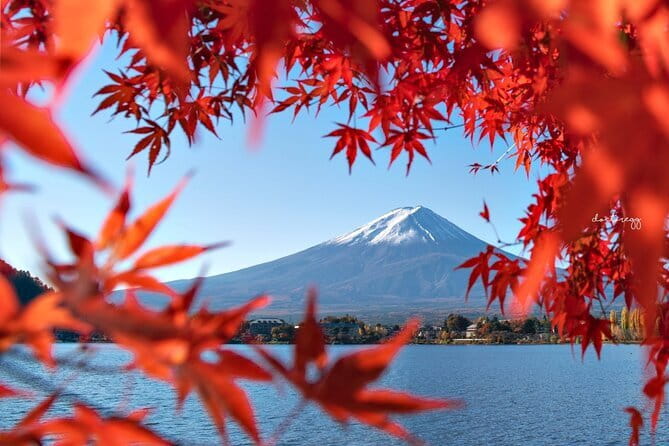
The Fujiyoshida retro shopping street stop lasts about 20 minutes. At the Hikawa Clock Shop and Shimoyoshida Honcho Street, you see a more ordinary town setting, with a direct sightline toward Mount Fuji often described as the Stairway to Mt. Fuji.
This stop is useful because the day is not made up only of parks and formal sights. You get a glimpse of a Japanese street where shops, signs, and daily life share space with the mountain view. The contrast makes the photograph more interesting, too.
Twenty minutes is enough for the main view and a few pictures, but not for serious shopping. Keep your expectations modest. This is a quick street scene, not a long market visit.
Lawson Fujikawaguchiko Town Hall is a modern photo stop
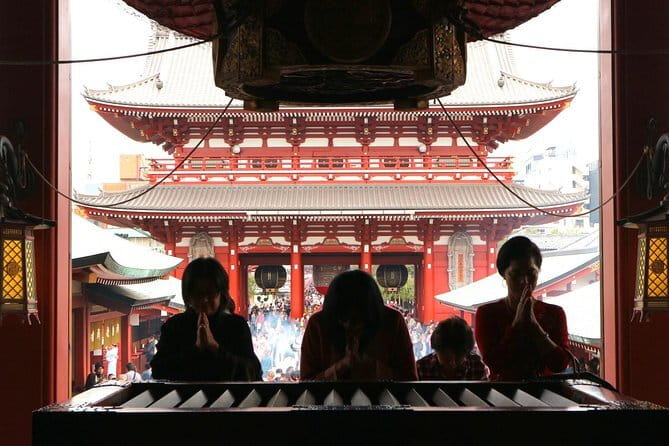
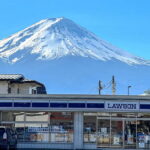
The final listed stop is the Lawson Fujikawaguchiko Town Hall convenience store, with about 15 minutes available. Its blue facade creates a striking contrast with Mount Fuji and has become a popular Instagram location.
Some people will find this stop amusing and visually clever. Others may wonder why a convenience store is part of a Fuji tour. That is exactly its appeal: it shows how Japan’s most famous mountain appears alongside ordinary modern places, not only temples and flower fields.
Use the stop for a quick photograph and, if needed, a purchase of a drink or snack. The time is short, and the location is included for its unusual composition rather than for a major cultural explanation.
The guides can make a tightly timed day work
The tour is not simply a transfer service. You are meant to hear about Japanese history, culture, and nature as you move between the stops. Guides named Taiyo, Belle, and Eric have been singled out for friendly service, good organization, clear communication, and useful information.
Taiyo is associated with strong comments about making the day fun and explaining the highlights well. Belle has been described as flexible and considerate, which matters when a long day includes many stops. Eric has been praised for a friendly, well-informed approach. Your guide may be someone else, so treat these names as examples rather than a guarantee.
Good communication matters here. With eight stops and several short visits, you need clear instructions about where and when to return to the coach. The best guide for this format is not only someone who knows the facts, but someone who keeps the group moving without making you feel hurried.
The guide cannot fix poor visibility. Several experiences included rain or cloud that blocked Fuji, yet the day still worked because the route included shrines, water, parks, and town streets. That is an important point when deciding how much to spend on a Fuji excursion.
What the $60.90 price really covers
The $60.90 price includes an air-conditioned vehicle and all fees and taxes listed for the experience. The eight stops themselves do not add separate admission charges according to the tour details.
Lunch is not included. You should budget for food and any personal purchases, though the Lawson stop may provide a handy chance to buy something. The supplied information does not specify a set lunch venue, so do not count on a long restaurant break built into the schedule.
For comparison purposes, the price is strongest if you value convenience. You are paying for a full day of road transport, a planned route, and a guide who provides context. You are not paying for a private vehicle, a guaranteed clear view, or long, leisurely time at every place.
Who will enjoy this route most
I would choose this tour if I had one free day in Tokyo and wanted a broad first look at Fuji’s surrounding towns and lakes. It suits you especially well if public transport planning feels like work, or if you want a guide to connect the scenery with local culture.
It also works for photographers who want several chances at Fuji. If one lake is cloudy, another angle may open later. The route includes the classic pagoda view, seasonal park scenery, lake reflections, a shrine, and the unusual convenience store composition.
You should think twice if your top priority is a slow visit. The schedule is busy, and many stops last 15 or 25 minutes. Families with young children may find the pace demanding, especially at Arakurayama Sengen Park where walking and steps take time.
The tour is also a poor fit if you need certainty that Fuji will be visible. The mountain can be hidden by rain or cloud. Book it for the whole Fuji area, not for one guaranteed postcard.
Practical details before you reserve
Meet at STAND TJapan, 100-6590 Tokyo, Chiyoda City, Marunouchi, 1-chōme 5 1F, at 8:00 a.m. The activity ends back at that same meeting point.
Confirmation is provided when you book, and the meeting point is near public transportation. Most people can participate, but tell the operator in advance if you have a stroller or large luggage. If you book separately from relatives or friends, notify the provider at least one day ahead so the group can try to place you in the same vehicle.
Wear shoes suitable for walking and steps, carry water, and charge your phone before departure. A power bank is sensible because the coach may not have chargers. Pack light, since a full vehicle and repeated boarding are easier with a small bag.
Free cancellation is available if you cancel at least 24 hours before the start time. Changes or cancellations made less than 24 hours ahead are not accepted for a refund, and the cut-off follows local time.
Should you book this Mount Fuji tour?
Book it if you want maximum coverage in one day and accept a brisk schedule. The route gives you more than the usual single viewpoint, and the combination of lakes, springs, flowers, shrines, a pagoda, and everyday streets offers good value for $60.90.
Skip it if you want a quiet, private outing or need a guaranteed view of Fuji. For most first-time visitors with limited time in Tokyo, though, the air-conditioned coach, included fees, and capable guide support make this a practical way to see the region without wrestling with several separate transport routes.
FAQ
How long does the Mount Fuji tour from Tokyo last?
The tour lasts approximately 10 hours, starting at 8:00 a.m. and ending back at the meeting point in Tokyo.
Where does the tour start and finish?
It starts and ends at STAND TJapan, 100-6590 Tokyo, Chiyoda City, Marunouchi, 1-chōme 5 1F.
What is included in the tour price?
The price includes an air-conditioned vehicle and all listed fees and taxes.
Is lunch included?
No. Lunch and other personal expenses are not included.
How many people can join the tour?
The tour can have a maximum of 48 participants.
Can I bring a stroller or large luggage?
You should indicate when booking if you are traveling with a stroller or large luggage.
What happens if I need to cancel?
You can receive a full refund if you cancel at least 24 hours before the experience start time. Cancellations or changes made less than 24 hours before the start time are not accepted for a refund.
More Full-Day in Tokyo
More Mt Fuji Day Trips in Tokyo
More tours in Tokyo we've reviewed












Mt Fuji Day Trips, compared.
 ★ 5.0Mt Fuji and Hakone 1-Day Bus Tour Return by Bullet TrainFrom $163
 ★ 4.0Mt Fuji & Hakone Cruise, Drum Show Bullet Train 1 Day from TokyoFrom $149
 ★ 4.4Tokyo Mt Fuji 5th St & Hakone Cruise Bus Tour w/Bullet TrainFrom $15410 hours
 ★ 4.5From Tokyo: Mount Fuji Full-Day Sightseeing TripFrom $6810 hours
 ★ 4.7Tokyo: Mt. Fuji Tour, Hakone Ropeway, Owakudani, Lake AshiFrom $5410 hours
 ★ 4.4Tokyo:Mt.Fuji,Kawaguchiko Oishi Park,Arakurayama Sengen ParkFrom $5410 hours