Reviewed · ASAKUSA TOURS
Tokyo: Asakusa Walking Tour with Japanese Comedian
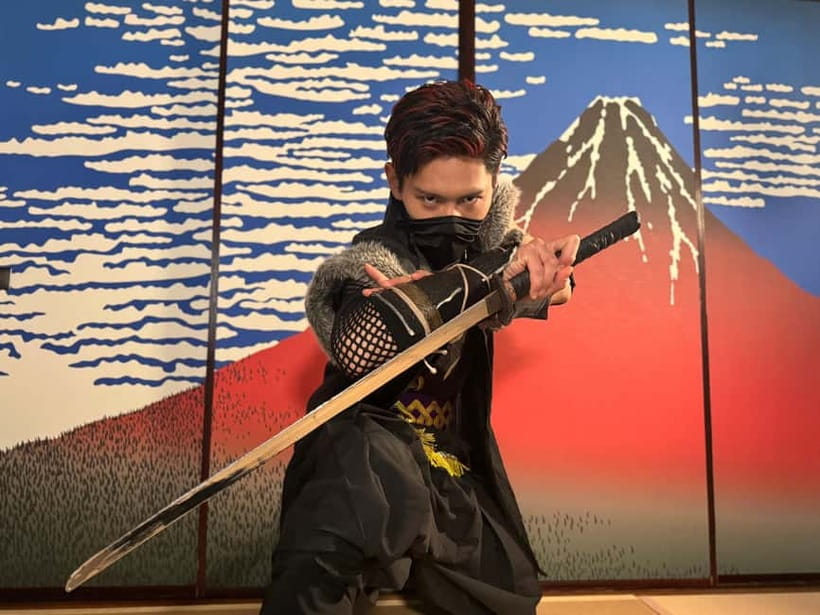
Asakusa is more than a quick photo at Senso-ji. On this small-group walk, comedian-guide Ryo connects the famous gates and temple halls with everyday Japanese beliefs, local history, and a few well-timed jokes. You also get a free high viewpoint of Asakusa before entering the temple district.
In This Article
- Key points
- Why This Asakusa Walk Works
- Meeting Ryo Near Tokyo Cruise
- Sumida Park and the View Toward Tokyo Skytree
- Kaminarimon Gate and the First Big Photo Stop
- Nakamise Shopping Street and the Story of Senso-ji
- Asakusa Shrine Beside a Buddhist Temple
- Senso-ji Temple and Its Buddhist Statues
- What Ryo Adds as a Comedian
- A 90-Minute Tour With a Clear Limit
- Is $31 a Fair Price?
- Who Should Book This Walk?
- Practical Tips Before You Go
- Should You Book the Asakusa Walking Tour?
- FAQ
- How long is the Asakusa walking tour?
- Where does the tour meet?
- Where does the tour finish?
- Which languages are available?
- Is the tour suitable for wheelchair users?
- Does the tour include shopping or food stops?
- Can I cancel for a full refund?
- Do I have to pay when I book?
I like the mix of serious cultural explanation and light humor, and I like that Ryo points out smaller temples, shrines, and Buddhist statues that are easy to pass without context. The main consideration is pace: at 90 minutes, you will see the key sights, but you will not have much time for shopping, food stops, or lingering photographs.
Key points
- Ryo’s local background: He spent six years working as an Asakusa rickshaw driver and brings a street-level view of the district.
- A useful first look at Asakusa: The tour begins near Tokyo Cruise, with views toward Tokyo Skytree and the Asahi Beer Company.
- Buddhism and Shinto together: You will visit Senso-ji Temple and Asakusa Shrine while learning how the two traditions exist side by side.
- Small-group format: The tour is limited to eight people, making questions easier than on a large bus tour.
- English comedy with cultural context: Ryo uses his standup background to add humor without turning the walk into a pure comedy show.
Why This Asakusa Walk Works

Asakusa is one of Tokyo’s easiest districts to visit on your own, but it is also easy to misunderstand. You can walk through Kaminarimon Gate, follow Nakamise Shopping Street, and reach Senso-ji without learning why the buildings matter or how Buddhist and Shinto practices fit together.
That is where this tour earns its price. For $31, you are not paying for entry to a major attraction. The temple and shrine grounds are open to the public. You are paying for 90 minutes of explanation, orientation, local stories, and a guide who can answer questions in English and Japanese.
I especially like the way the tour starts with a broad view before narrowing its focus. Seeing Tokyo Skytree, the Asahi Beer Company, and Asakusa from above gives you a simple map in your head. Once you enter the temple district, the gates, lanes, statues, and buildings make more sense.
The small group matters, too. With a maximum of eight people, Ryo can respond to individual questions and keep the walk personal. One booking ended up as a private tour, though you should not count on that. The regular format is a small shared group.
A few more Tokyo tours and experiences worth a look


Meeting Ryo Near Tokyo Cruise

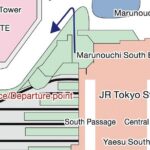
The meeting point is in front of Tokyo Cruise, the water bus station near Asakusa Station on the Tokyo Metro Ginza Line. The walk from the station takes about one or two minutes, so this is a convenient place to begin if you are already exploring the area.
Arrive five minutes early. The tour starts on time, and the guide cannot wait for late arrivals. Ryo cannot collect you from your hotel or meet you at another location, so allow time to find the water bus station before the start.
This opening point also places you near the Sumida River and Sumida Park. The setting gives the tour a pleasant start, away from the tightest crowds around Kaminarimon Gate. You begin with the geography of Asakusa rather than walking straight into its most famous landmark.
Sumida Park and the View Toward Tokyo Skytree
The first part of the walk introduces the wider Asakusa area. Ryo points out Tokyo Skytree and the Asahi Beer Company, two very different symbols of modern Tokyo. The Skytree gives you a clear sense of the city’s scale, while the beer company’s recognizable building helps you identify the riverside part of the district.
You will also visit the top of a nearby building for a free view of Asakusa. That small stop adds value because it gives you a look at the area before the tour becomes focused on temple grounds. It is not a paid observation deck, and the attraction here is the quick orientation rather than a long panoramic visit.
I would take a few photographs at this stage, but I would not expect a long break. The tour has several stops ahead, and the guide needs to keep moving to cover the main religious sites within the scheduled time.
Kaminarimon Gate and the First Big Photo Stop

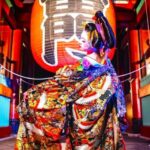
Kaminarimon, or Thunder Gate, is the grand entrance to Senso-ji. Its huge lantern is one of the most recognizable sights in Asakusa, and it is often the first image people associate with the district.
Ryo explains the gate and its place in the approach to Senso-ji rather than simply giving you time for a photograph. That context helps you see the gate as part of a religious route, not just a famous backdrop.
This is also where the walking environment becomes more crowded. You will need to stay aware of other people and keep track of the group. The tour is not designed for extended photography, so if you want careful shots from several angles, return later on your own.
Nakamise Shopping Street and the Story of Senso-ji

From Kaminarimon, the walk continues along Nakamise Shopping Street. The street leads toward Senso-ji and is lined with shops selling souvenirs, snacks, and traditional-looking goods.
The tour does not stop for food or shopping. That rule is useful if you want a focused cultural walk, but it may disappoint you if you hoped to sample sweets or browse during the 90 minutes. Ryo can recommend places to shop after the tour, so note his suggestions and return once the walk ends.
Nakamise is also where Ryo uses illustrations to explain the origin of Senso-ji. The visuals help make the story easier to follow, especially if you are unfamiliar with Japanese temple traditions or the early development of Asakusa.
You also learn how Senso-ji received support from different groups over time, including local people and military leaders from several periods. This gives the temple a broader social story. It was not simply an isolated religious building. Its survival and influence were tied to the people and rulers who supported it.
Other walking tours we've reviewed in Tokyo


Asakusa Shrine Beside a Buddhist Temple

One of the most useful parts of the walk is the chance to see Asakusa Shrine beside Senso-ji Temple. This close pairing gives Ryo a natural way to explain the difference between Shinto and Buddhism in Japan.
You will not just hear a list of religious terms. The setting lets you compare the two traditions in the same small area. Ryo explains how Japanese people may take part in both traditions, rather than treating them as mutually exclusive choices.
For many first-time visitors, this is the moment when Asakusa becomes easier to understand. Japanese religious life can look confusing when you only see gates, purification areas, statues, offerings, and prayer halls. Seeing a Shinto shrine and Buddhist temple next to each other gives you a practical example to remember.
Asakusa Shrine is also quieter in feel than the main approach to Senso-ji. The stop helps break up the more famous sights and gives you a chance to ask questions about what you have just seen.
Senso-ji Temple and Its Buddhist Statues

Senso-ji is the main event, and the tour ends at the temple’s main hall. Ryo explains the temple’s origins and the way it became loved and supported across different eras.
Along the way, he introduces Buddhist statues and explains the meaning of the deities they represent. This is one of the strongest reasons to take the tour rather than walk alone. A statue can look impressive, but without an explanation, you may not know what you are seeing or why it is placed there.
The area also includes smaller temples and shrines beyond the standard route. Ryo’s experience working in Asakusa helps him point out places that a first visit could easily miss. You should not expect a long stop at every site, but the added details give the district more depth than a simple Kaminarimon to Senso-ji walk.
The tour finishes at the main hall, not back at the original meeting point. Plan your next step from there. Ryo will not escort you to a station or hotel after the tour, although his shopping and food suggestions can help you continue exploring independently.
What Ryo Adds as a Comedian

Ryo has worked as a standup comedian in English and Japanese, and humor is part of his guiding style. The comedy is an extra layer, not the entire reason to book the tour.
That distinction matters. If you want a formal academic lecture, jokes may make the presentation feel less traditional. If you prefer a relaxed guide who can explain cultural differences without making the walk heavy, Ryo’s style should suit you.
The strongest praise for Ryo centers on his detailed explanations, local knowledge, kindness, and ability to answer questions about Japanese history. His humor works best when it supports those explanations. You should book this walk for the cultural information first and treat the comedy as a bonus.
He also gives practical local recommendations. One participant followed his advice and found an excellent melon pan, a sweet bread with a crisp cookie-like top. Since the tour itself does not include a food stop, these suggestions are useful after the walk.
A 90-Minute Tour With a Clear Limit
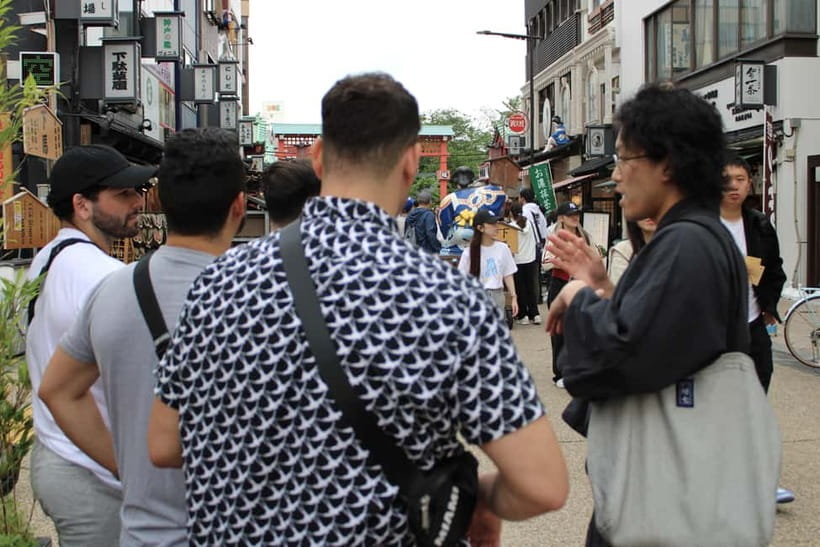
The stated duration is 90 minutes. That is enough for a well-organized introduction to Asakusa, especially because the route covers the riverside area, Kaminarimon, Nakamise, Asakusa Shrine, and Senso-ji.
It is not enough for a slow exploration of every side lane. You will also have limited time to shop, eat, or wait for the perfect photograph. One participant described the experience as lasting about two hours, so the actual pace may vary, but you should plan around the official 90-minute schedule.
I see the short length as an advantage if you are fitting Asakusa into a busy Tokyo day. It gives you a cultural framework, then leaves the rest of the afternoon free. If you want a long, unhurried temple walk, you may prefer to explore independently after the tour or choose a longer experience.
The route is wheelchair accessible according to the activity details. Still, the walk includes public temple, shrine, park, and shopping areas, so you may want to confirm any specific mobility needs before booking.
Is $31 a Fair Price?
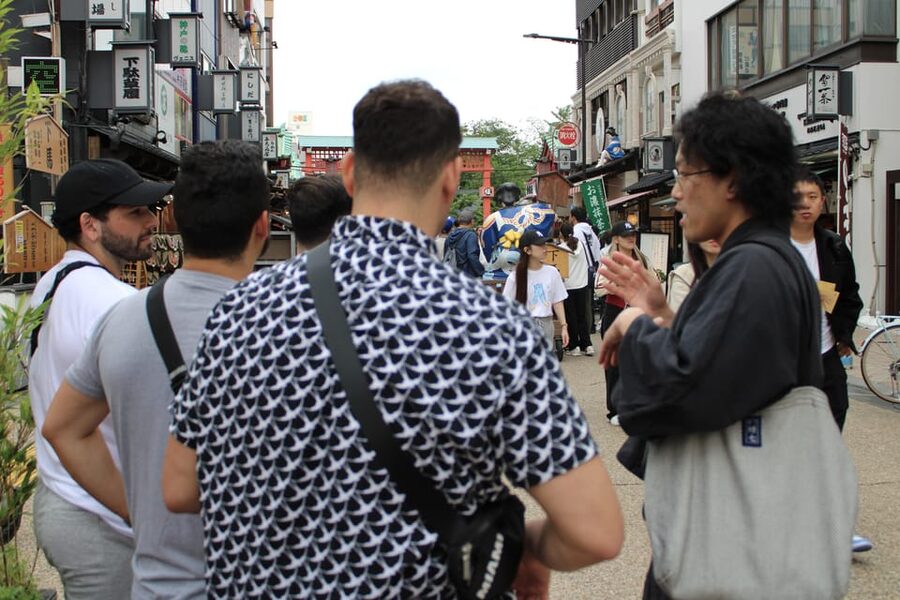
At $31 per person, the cost is reasonable for a small guided walk in central Tokyo. The attractions themselves do not require a separate admission ticket, so the value comes from Ryo’s explanations and the limited group size.
I would compare the price with what you want from Asakusa. If you are happy reading signs, following a map, and researching Senso-ji on your phone, you can visit the area without paying for a guide. If you want someone to explain Buddhist statues, Shinto and Buddhist practices, the temple’s development, and lesser-known local details, the fee is easier to justify.
The free viewpoint is a nice addition, though I would not book the tour for that alone. The real value is the combination of orientation and interpretation. You get a clearer sense of what you are looking at, then have the option to return to favorite spots at your own speed.
Who Should Book This Walk?
I would recommend it most strongly for first-time visitors to Tokyo, especially those who want to understand Asakusa before exploring it on their own. It also suits people who like history and culture but prefer explanations in plain English rather than a long formal lecture.
Families and mixed-age groups may appreciate the humor and short duration. The small group makes it easier to ask questions, and the route focuses on major sights without requiring a full day.
This may not be the best choice if your main goal is shopping or eating. The guide does not stop for food or souvenirs, and the tour keeps to a set route. It may also feel repetitive if you already planned a detailed visit to every major sight in Asakusa and want only new locations.
The feedback is mostly very positive, but not every experience will feel the same. One recent participant found the information useful but felt that many of the stops were already on their personal plan and did not find the guide especially enthusiastic. That is a fair warning: the tour adds context to well-known places, but it is not built around a secret route far from the main attractions.
Practical Tips Before You Go
Wear comfortable shoes and keep your schedule tight around the start time. You will be walking through public streets and religious grounds, with several stops packed into a short visit.
Bring questions. Ryo’s value increases when you ask about the customs, statues, buildings, and history you are seeing. The small group format makes that possible.
Save shopping and snacks for afterward. Nakamise is part of the route, but the group will not stop to browse. If you want melon pan or souvenirs, ask Ryo for recommendations and return after the tour.
Take photographs early, especially at the viewpoint and Kaminarimon. Once the group reaches the busiest parts of Asakusa, the pace and crowds may make photography less relaxed.
Finally, remember that you finish at Senso-ji’s main hall. That is convenient if you want to continue exploring the temple area, but it means you should not expect a guided return to Tokyo Cruise or Asakusa Station.
Should You Book the Asakusa Walking Tour?
Book this tour if you want clear cultural context, a small group, and a guide who mixes history with English comedy. Ryo’s six years as an Asakusa rickshaw driver give him a useful local connection, and his explanations of Senso-ji, Asakusa Shrine, Buddhist figures, and the district’s development are the main reason to go.
Skip it if you mainly want free time for shopping, food, or independent photography. The route covers many famous sights you can visit alone, and the short schedule leaves little room for wandering.
For a first visit, $31 is a fair price for a compact introduction. I would take the tour early in an Asakusa visit, then use Ryo’s suggestions to explore the shops, snacks, and temple grounds at your own pace afterward.
FAQ
How long is the Asakusa walking tour?
The stated duration is 90 minutes. One participant described a tour lasting about two hours, so the pace can vary, but you should plan around the official 90-minute duration.
Where does the tour meet?
You meet in front of Tokyo Cruise, the water bus station near Asakusa Station on the Tokyo Metro Ginza Line. The meeting point is about a one or two-minute walk from the station.
Where does the tour finish?
The tour finishes at the main hall of Senso-ji Temple. The guide does not take you back to the starting point or escort you to a station afterward.
Which languages are available?
The tour is offered in English and Japanese. Ryo also has experience performing standup comedy in English.
Is the tour suitable for wheelchair users?
The activity is listed as wheelchair accessible. Contact the provider if you need to confirm details for your particular mobility requirements.
Does the tour include shopping or food stops?
No. The tour follows a set route and does not stop for food or souvenir shopping. Ryo can give recommendations for shopping after the walk.
Can I cancel for a full refund?
Yes. You can cancel up to 24 hours before the activity for a full refund.
Do I have to pay when I book?
No. The reserve-now, pay-later option lets you secure a place without paying immediately. Availability and starting times are shown when you check the booking details.
More Walking Tours in Tokyo
More Asakusa Tours in Tokyo
More tours in Tokyo we've reviewed












Asakusa Tours, compared.
 ★ 4.8Tokyo: Japanese Dance Cabaret Theater Asakusa-Kaguwa TicketFrom $492 hours
 ★ 4.7Tokyo: Meiji Shrine, Asakusa, Skytree Bus Tour and CruiseFrom $12210 hours
 ★ 4.9Tokyo: Roll and Authentic Sushi Making Class in AsakusaFrom $581h 40m
 ★ 4.8Tokyo: Asakusa Walking Tour with Sensoji Temple VisitFrom $222 hours
 ★ 5.0Tokyo Asakusa Rickshaw TourFrom $42
 ★ 4.5Tokyo Panoramic 1 Day: Meiji Shrine, Asakusa, Odaiba and SKYTREE®From $85