Reviewed · JDM & CAR CULTURE
TOKYO PREMIUM CAR TOUR: Daikoku PA & Japan’s Amazing JDM Car Meet
Daikoku Parking Area is the main event: a huge roadside meeting place where Japan’s car culture gathers after dark. This tour takes you there in a small group, with stops at Liberty Walk Tokyo and A-PIT Super Autobacs before crossing Rainbow Bridge and heading toward Yokohama.
In This Article
- Key points before you book
- Why this Tokyo car tour is different
- Starting in Shibuya with Liberty Walk Tokyo
- A-PIT Super Autobacs: the parts-store stop
- The optional central Tokyo parking-area stop
- Rainbow Bridge and the Shuto Expressway
- Two hours at Daikoku Parking Area
- What the four to five hours really include
- Is $297.23 a fair price?
- Practical details that can change your evening
- Who should book this experience?
- Should you book the Daikoku JDM tour?
- FAQ
- Where does the tour begin?
- How long does the experience last?
- How many people can join the tour?
- Is transportation provided?
- Does the tour visit Daikoku Parking Area?
- What happens if bad weather cancels the tour?
I like the mix of shopping and real car-spotting, and I like having a guide along for the Shuto Expressway routes and Daikoku visit. The maximum group size of nine also gives you a better chance to ask questions than you would on a large bus tour. The main drawback is that the meet can vary from night to night, and the price is high if your interest in Japanese cars is only casual.
Key points before you book

- Daikoku PA is the centerpiece: Plan on about two hours among the cars at one of Japan’s best-known car meet locations.
- The tour begins in Shibuya: Meet outside the Hachiko ticket gate area, near the B2F board and the Tokyu Railway station concourse.
- You get more than a parking-lot visit: Liberty Walk, A-PIT Super Autobacs, Rainbow Bridge, and parts of the Shuto Expressway route fill out the evening.
- Groups are kept small: The maximum is nine people, usually riding in a 2023 Toyota Alphard Executive or a modified JDM Toyota.
- A Tokyo drop-off is included: Courtesy drop-off is available at limited locations, so confirm your destination before booking.
- Weather matters: The tour requires good weather. A poor-weather cancellation brings a new date or a full refund.
Why this Tokyo car tour is different

Tokyo has plenty of car museums and racing-themed shops, but Daikoku Parking Area gives you something less polished. It is a working expressway rest area in Yokohama that becomes a gathering point for Japanese domestic-market cars, modified vehicles, luxury models, and classic machines.
That difference matters. You are not just looking at cars behind a rope or under museum lights. You are seeing a meeting place tied to Japan’s road culture, with the exact mix of cars changing from one evening to the next.
The tour also gives you context on the way there. You will hear about the famous parking areas connected with Tokyo’s street-racing scene and learn why one central Tokyo location no longer has the same role it once did. Since access, timing, and the night’s car turnout can change, having a guide helps you make sense of what you are seeing.
This is a small-group half-day outing rather than a private supercar experience. The standard transport is generally a 2023 Alphard Executive or a modified JDM Toyota. GTR and supercar upgrades are available separately through the provider, so check the current options if the vehicle itself is as important to you as the destinations.
A few more Tokyo tours and experiences worth a look
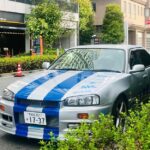
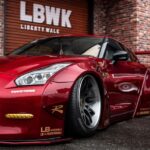
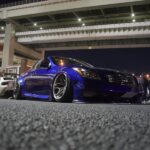
Starting in Shibuya with Liberty Walk Tokyo
The evening begins in Shibuya, at the meeting point outside the Hachiko ticket gate area near the board by the Tokyu Railway station concourse. Shibuya is a crowded place, so allow enough time to find the correct station exit and meeting spot. A mobile ticket is used for the booking.
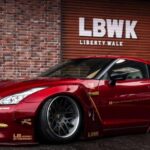
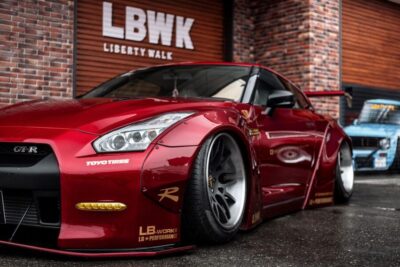
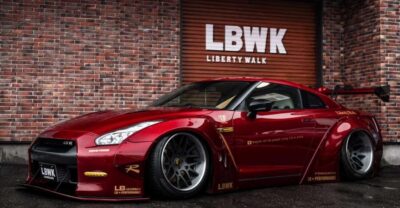
The first stop is Liberty Walk Tokyo, with about 15 minutes set aside. Liberty Walk is one of Japan’s best-known names in aggressive custom-car styling, and the shop is a quick introduction to the visual side of the scene.
You can look through the latest clothing and merchandise, and there may be an LB vehicle parked outside. The stop is short, so think of it as a preview rather than a full shopping session. If you want a long look at every item, this tour will not leave you much spare time.
Still, it is a smart opening stop. You get a taste of Japan’s tuning culture before the evening shifts toward parts, roads, and the Daikoku meet. I would also treat it as a good place to ask your guide what styles and makers to watch for later.
A-PIT Super Autobacs: the parts-store stop

Next comes A-PIT Super Autobacs, with around 30 minutes inside. The store is described as Japan’s largest of its kind, carrying automotive accessories, parts, and souvenirs.
For a car enthusiast, this may be nearly as interesting as a normal tourist attraction. You can browse the practical side of Japanese car culture, from equipment and accessories to branded goods. Even if you do not plan to buy anything, the scale of the store helps explain how broad the local market is.
Thirty minutes is enough for a focused look, but not enough to study every aisle. I would decide before arriving if you are mainly interested in parts, clothing, souvenirs, or unusual car goods. Keep your phone ready too, since product names and labels may be unfamiliar.
The stop also adds value to the price. You are not spending the entire tour in a vehicle waiting for the evening meet. Instead, you get a place where you can walk around, shop, and ask questions before heading onto the expressway.
The optional central Tokyo parking-area stop

The schedule includes an optional quick stop at a famous central Tokyo parking area. The exact stop is not presented as a full attraction, and the point is mainly to share background about its past connection with street racers.
You will hear why it is not what it once was and why racers no longer gather there in the same way. A photo stop may be possible, but this part should be treated as a short add-on, not a guaranteed car meet.
That distinction is useful. Some people book a JDM tour expecting every parking area to be full of rare cars. This stop is more about understanding how Tokyo’s car scene has changed. The bigger gathering comes later at Daikoku.
Rainbow Bridge and the Shuto Expressway

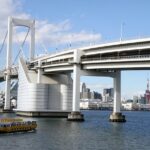
The route toward Yokohama includes the Bayshore Route and a crossing of Rainbow Bridge. This is one of the tour’s best breaks from the car-shopping and car-spotting. You get wide views of Tokyo’s skyline, especially as the city lights come on.
The tour also uses the Shuto Expressway, including a scenic loop on the C1. The drive is part of the experience, not simply transport between stops. You will receive information about the roads and the spots linked with Tokyo’s street-racing past, with quick stops planned along the way.
The route can be a strong part of the evening if you enjoy the setting around Japanese expressways. It also gives you a better sense of how the city connects to the port and industrial areas around Yokohama.
Keep your expectations sensible. The tour does not promise a high-speed ride or illegal racing. It is a guided drive on public roads with scenic views and car-culture background. Traffic and road conditions can affect the pace, and the timing of sunset will change with the season.

Two hours at Daikoku Parking Area

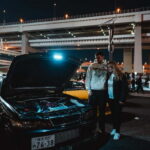
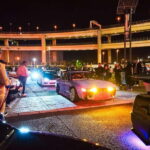
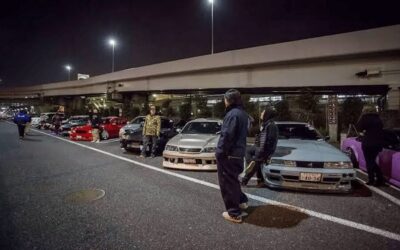
Daikoku Parking Area is where the tour spends its longest stretch, about two hours. This is the time to walk around, inspect the cars, take photos, and compare what has gathered that night.
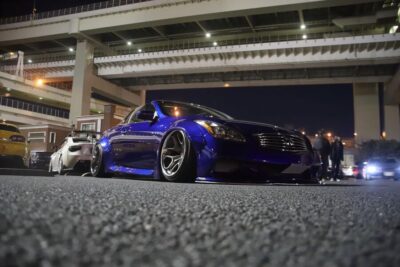
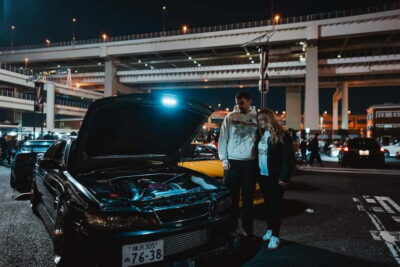
The scene can include classic Japanese cars, modern JDM builds, luxury vehicles, and other enthusiast cars. The exact mix is never fixed, which is part of the appeal. You might find a night with a large range of cars, or a quieter evening with fewer special vehicles.
That uncertainty is worth understanding before you pay $297.23. You are buying transport, a guided route, several stops, and access to an evening built around Daikoku. You are not buying a guaranteed list of specific cars.
I like the two-hour window because it gives you time to look without racing through the parking area. You can return to cars that caught your eye, talk with people in your group, and ask the guide about models or modifications. A large group would make this harder, but nine people is a workable limit.
The guide’s role matters most here. Daikoku can be visually overwhelming, especially if you do not already know the difference between common JDM models, major tuning styles, and the cars that carry special meaning for Japanese enthusiasts. The supplied information does not name the individual guides, so do not book this expecting a specific host.
The parking area is also a functioning stop rather than a private event venue. Be respectful with photography and avoid treating the cars or their owners like props. The tour gives you the chance to see the meet, but normal courtesy still applies.
What the four to five hours really include

From the Shibuya meeting point to the last drop-off, the experience takes at least four hours and often closer to five. The listed timing adds up to a full evening: about 15 minutes at Liberty Walk, 30 minutes at Super Autobacs, 45 minutes for the expressway and related stops, two hours at Daikoku, and roughly an hour for the return to Tokyo.
The drive back uses a different route before the courtesy drop-off. That makes the return more than a simple repeat, although the final hour can be affected by traffic.
The ride itself is a practical advantage. Daikoku is outside central Tokyo, and finishing the evening by finding your own train or taxi could be inconvenient. A Tokyo drop-off is included at limited locations, but you need to confirm that your hotel or preferred destination qualifies.
The group size is another reason this tour may suit you better than trying to arrange the visit alone. With no more than nine people, you can ask questions and socialize with other car fans without the feel of a large coach group.
Is $297.23 a fair price?

At $297.23 per person, this is not a budget sightseeing trip. The price makes the most sense if you would otherwise spend time and money trying to reach several car-related locations on your own, and if the Daikoku visit is a major reason for your Tokyo trip.
You are paying for a guided evening, transport between central Tokyo and Yokohama, the Liberty Walk and Super Autobacs stops, the Rainbow Bridge route, time at Daikoku, and a limited Tokyo drop-off. The small group adds real value because the guide can respond to your questions instead of delivering a fixed speech to a busload of people.
The value is weaker if you only have a mild interest in cars. Liberty Walk is brief, Super Autobacs may not hold your attention, and the Daikoku turnout cannot be guaranteed. In that case, the price may feel high for a four to five-hour outing.
The optional GTR and supercar upgrades also mean you should check the final cost carefully. The standard tour uses group transport, while upgraded options are handled separately through the provider.
This experience is best seen as a specialist tour. If Japanese cars, tuning, expressways, and car meets are high on your list, the focused schedule is useful. If you want a general Tokyo night tour, there are less expensive ways to see the city.
Practical details that can change your evening
Bookings receive confirmation within 48 hours, subject to availability. Demand is high, and some bookings may be declined automatically, with priority given to direct bookings. If your date is within two weeks, the supplied instructions ask you to check availability through the provider’s Instagram account. Another note asks you to check within four weeks, so I would confirm directly whenever your booking is close to the tour date.
The tour is near public transportation, and most people can participate. No special accessibility details are provided, so contact the provider if you have mobility needs or require a specific vehicle arrangement.
The activity requires good weather. If poor weather causes cancellation, you can choose another date or receive a full refund. For your own plans, I would avoid placing an important late-night reservation immediately after the tour.
Free cancellation is available until 24 hours before the start time. Changes or cancellations inside that period are not accepted for a refund.
The meeting point is in Shibuya, and the activity ends back at the meeting point area, with courtesy drop-off available at limited Tokyo locations. Confirm the drop-off before you book, since this benefit is not described as citywide.
Who should book this experience?
I would recommend it first to fans of JDM cars, Japanese tuning culture, Liberty Walk, and expressway car meets. It also suits solo visitors who want an easy way to meet people with the same interest.
It can work well for photographers too, particularly if you want Tokyo skyline views from Rainbow Bridge and nighttime car photos at Daikoku. Just remember that the weather and the night’s turnout will affect the results.
I would be more cautious if you are traveling with children who are not interested in cars, if you dislike several hours in a vehicle, or if you need a fully fixed schedule. The tour is built around a changing meet, not a guaranteed exhibition.
Should you book the Daikoku JDM tour?
Book it if Daikoku is one of the experiences you most want in Tokyo and you value a guide, small group, transport, and a return to the city. The combination of Liberty Walk, A-PIT Super Autobacs, Rainbow Bridge, and two hours at the meet gives the evening more range than a simple parking-area visit.
Skip it if you are looking for a cheap city tour or a guaranteed collection of specific supercars. The $297.23 cost is justified mainly by strong interest in Japanese car culture and the convenience of reaching Daikoku without arranging the route yourself.
Before booking, confirm availability for your date, ask about the limited drop-off locations, and check the price of any GTR or supercar upgrade. If those details suit your plans, this is a focused and memorable way to see the working side of Tokyo’s JDM scene.
FAQ
Where does the tour begin?
The meeting point is in Shibuya, Japan, outside the Hachiko ticket gate area near the board by the Tokyu Railway station concourse.
How long does the experience last?
The tour lasts approximately four to five hours from the meeting point to the final drop-off.
How many people can join the tour?
The maximum group size is nine people.
Is transportation provided?
Yes. Group tours generally use a 2023 Toyota Alphard Executive or a modified JDM Toyota. A courtesy Tokyo drop-off is available at limited locations, subject to confirmation.
Does the tour visit Daikoku Parking Area?
Yes. Daikoku Parking Area is the final main stop, with approximately two hours planned there.
What happens if bad weather cancels the tour?
Because the experience requires good weather, a poor-weather cancellation gives you the choice of another date or a full refund.
More JDM & Car Culture in Tokyo
More tours in Tokyo we've reviewed












JDM & Car Culture, compared.
 ★ 4.8Tokyo: Fast & Furious Tokyo Drift 3 Experience (Kaila Yu SP)From $157
 ★ 4.8Tokyo: FAST&FURIOUS EXPERIENCE Daikoku Tokyo Car ClubFrom $157
 ★ 4.8Tokyo Drift: GT-R Car Club R35 Liberty Walk Daikoku meetingFrom $240
 ★ 4.8Tokyo: Daikoku JDM Fast Furious Drift Style Car ExperienceFrom $123
 ★ 4.8Tokyo Drift: GO Daikoku Car Meet R34 Skyline Car ClubFrom $246
 ★ 4.7Tokyo Drift: Daikoku PA Supreme Car Experience 大黒PAFrom $583 hours