Reviewed · GO-KARTS
Tokyo Bay: Scenic Skyline Go-Kart Tour (120 Minutes)
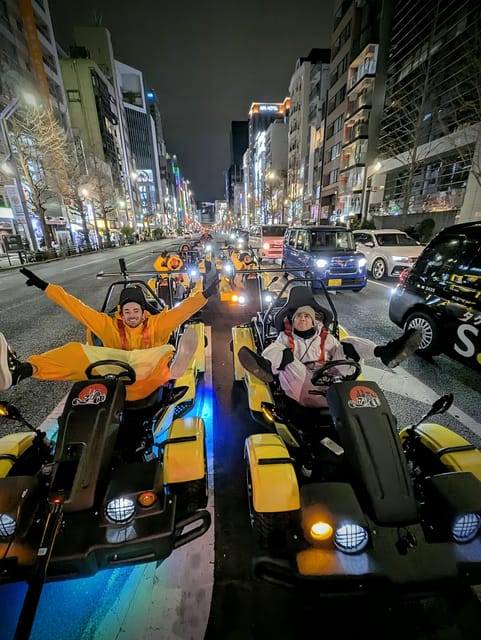
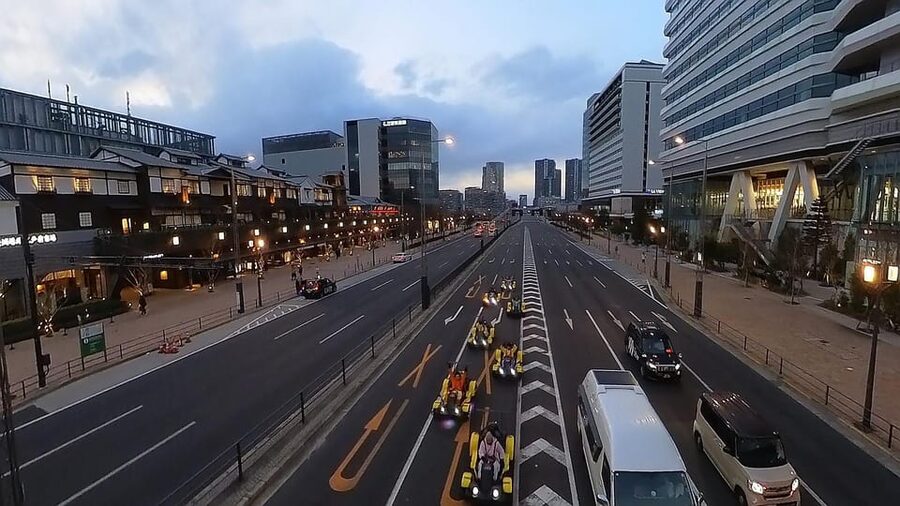
Tokyo looks different from the driver’s seat. This two-hour street-legal go-kart tour leaves the Tokyo Skytree area and threads through waterfront districts, Ginza, Tokyo Station, and the Imperial Palace surroundings. You are not racing. You are part of a small convoy, following a guide who talks you through the roads, sights, and local stories by two-way radio.
In This Article
- Key points before you book
- What the Tokyo go-kart ride is really like
- Starting near Tokyo Skytree
- Monzen-Nakachō, Toyosu, and the waterfront
- Ariake Coliseum and Harumi by kart
- Ginza and Kabuki-za from the driver’s seat
- Tokyo Station and the Imperial Palace surroundings
- Why the kart design matters in city traffic
- Cost, inclusions, and the value of two hours
- The license rules are the most important detail
- Who will enjoy this Tokyo route
- Should you book the Tokyo Uptown Route?
- FAQ
- How long does the Tokyo Bay go-kart tour last?
- Where does the tour start and finish?
- What driving license do non-residents need?
- Is a passport required?
- Is the camera included?
- What languages are available for the live guide?
I like the small group of up to eight people, which should make the ride easier to manage than a large convoy. I also like the comfort-minded karts, with suspension, hydraulic brakes, reinforced frames, and stable handling for first-time drivers. The main catch is paperwork: you must arrive early with the exact license documents accepted in Japan. Bring the wrong license, or only a photo of it, and you cannot drive or receive a refund.
Key points before you book
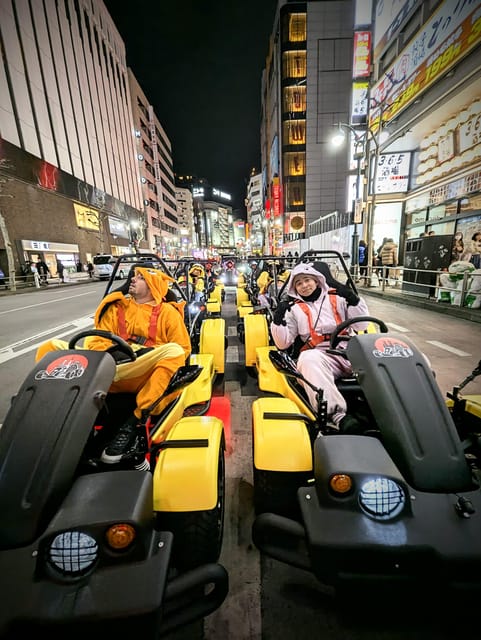
- Tokyo from street level: See Skytree, Toyosu, Ginza, Kabuki-za, Tokyo Station, and the Imperial Palace area from the road rather than from a sightseeing bus.
- Live guidance by radio: Your guide provides road instructions, safety reminders, landmark stories, and cultural notes during the ride.
- Comfort-focused karts: Suspension, hydraulic brakes, reinforced frames, and stable handling make the vehicles suitable for many first-time drivers and larger riders.
- A strict license rule: Non-residents need an International Driving Permit issued under the 1949 Geneva Convention, with specific exceptions for some licenses and official Japanese translations.
- Optional video recording: An Insta360 camera is available on board, but you need a Micro SD card or must buy one at the facility.
- Plan for the real timing: The tour lasts two hours, but check-in and the safety briefing begin at least 40 minutes before departure.
What the Tokyo go-kart ride is really like
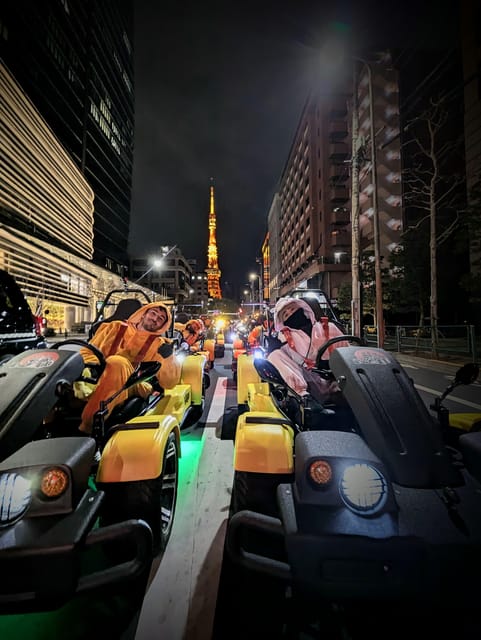
This is a guided city drive with sightseeing built into it, not a track session dressed up as a tour. You sit behind the wheel of a professionally engineered kart and follow a local guide through public streets. The appeal is the sensation of moving through Tokyo in real time: traffic, signals, bridges, city blocks, and famous buildings all pass at eye level.
The route covers a lot for two hours. That gives you a broad look at Tokyo, but it also means you should not expect long visits inside each district. The named locations are points along the drive, with guided touring and views on the way. You will see the city from the road rather than stop for museum visits, market meals, palace entry, or theater tours.
The guide’s two-way radio matters here. Instead of waiting until the next stop for information, you can receive instructions as the group moves and hear stories about the places around you. The radio also helps the guide control the group and give timely safety advice, which is especially useful in a major city.
A few more Tokyo tours and experiences worth a look
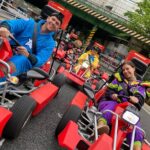
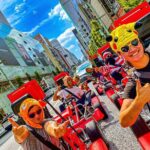
Starting near Tokyo Skytree
You meet at Kartzilla Go Kart Tokyo, near Hiraki Children’s Clinic. Look for the building with the outdoor Kartzilla Go Kart sign. Google Maps is considered reliable for finding the facility, but you should still allow plenty of time because the operator asks you to arrive at least 40 minutes before the scheduled start.
The early arrival is not wasted time. You will check in, show your passport and driving documents, receive basic instructions, and take part in the required road-safety briefing. The driving itself is designed to be approachable, but this is still a public-road activity. You need to understand the controls and the guide’s radio instructions before setting off.
Tokyo Skytree forms the natural opening point. It is one of the city’s most recognizable modern landmarks, and beginning here gives the tour an immediate visual reference. As you leave the area, the experience shifts from landmark viewing to ordinary city movement, which is one of the stronger reasons to choose a road tour instead of a fixed observation deck.
Monzen-Nakachō, Toyosu, and the waterfront
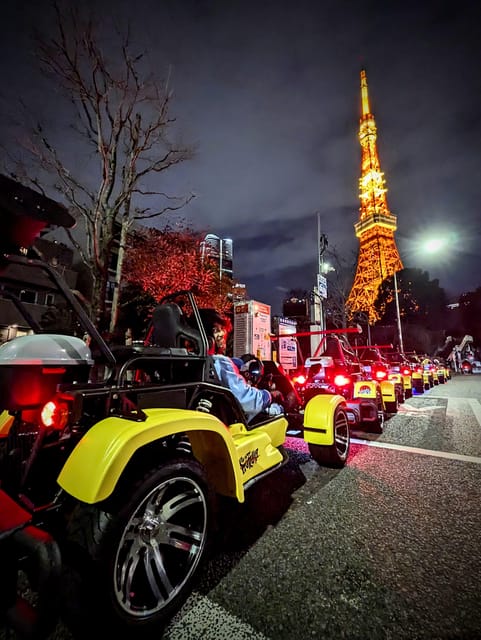
The route continues toward Monzen-Nakachō Station. This part of Tokyo helps connect the modern tower district with older neighborhood areas. The tour information promises guided commentary and scenic views along the way, so listen to the radio as the guide places the streets and districts in context.
Next comes Toyosu Fish Market. This is a useful stop on the route because Toyosu represents Tokyo’s newer waterfront development and its well-known seafood economy. The tour does not include a meal or a market visit, so think of this section as a passing look at the area from the kart.
That distinction matters. If your main goal is to eat at Toyosu, reserve separate time for it. The go-kart route gives you access to several districts in one moving experience, but it is not a food tour. You will pay for the drive, guide, vehicle, fuel, insurance, and sightseeing, not for lunch or market admission.
Ariake Coliseum and Harumi by kart
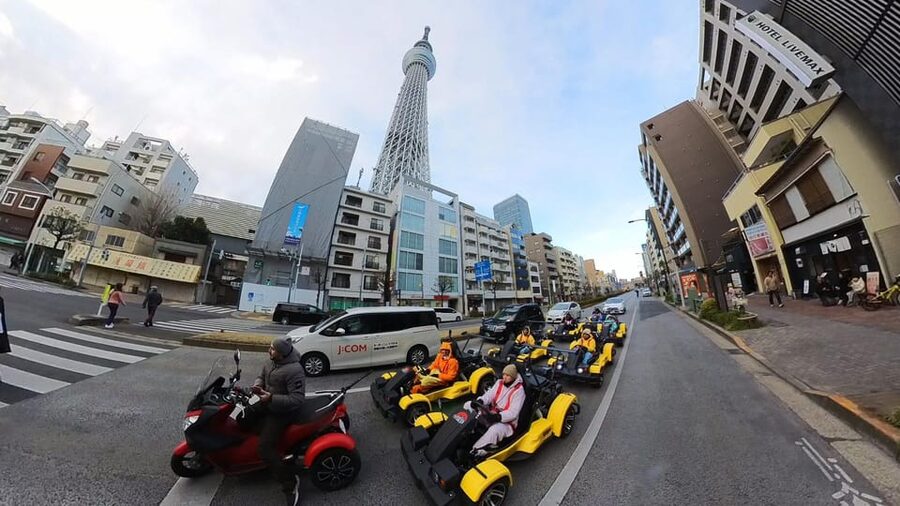
Ariake Coliseum and Harumi continue the waterfront portion of the ride. These districts show a more spacious, modern side of Tokyo than the tight streets around traditional central neighborhoods. You may find this section particularly enjoyable if you like seeing how a city changes from older commercial areas to newer public and residential zones.
The route’s value comes from the transitions. You are not simply taken to one famous building, photographed, and returned. You travel between different parts of Tokyo and get a sense of their relationship to one another. The guide’s live commentary helps turn those changes into a story rather than a string of place names.
Still, keep your expectations sensible. A go-kart convoy must follow the road and traffic conditions. You may have only a short view of some landmarks, and the exact rhythm of the ride can depend on city traffic. This is best for a broad city introduction, not for slow photography at every stop.
Ginza and Kabuki-za from the driver’s seat
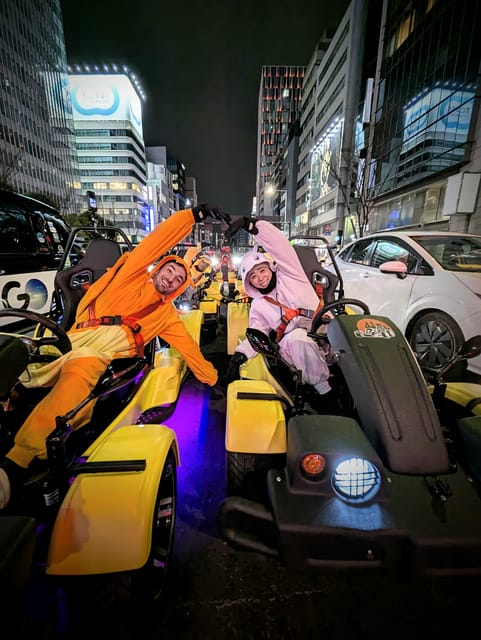
Ginza brings the tour into one of Tokyo’s best-known shopping and commercial districts. From a kart, you experience Ginza as a working city street, with its architecture, traffic flow, signs, and pedestrians all around you. That street-level view feels more immediate than looking at the district through a coach window.
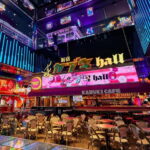
Kabuki-za adds a cultural note to this part of the route. The theater is closely tied to kabuki, Japan’s traditional stage art, and its distinctive exterior gives the drive an easy landmark to recognize. The tour includes guided viewing, but it does not include theater admission or a performance.
This is also where the guide’s radio commentary can add real value. You may already know Ginza and Kabuki-za by name, but a local guide can explain what you are seeing as the group passes. Since the tour offers English, German, Spanish, and Persian, check the available language when booking if live explanation is important to you.
The kart format can make a central-city sight feel playful, but it requires concentration. You should not expect to stare at buildings continuously. You are driving, watching the road, listening to instructions, and keeping the group together. The best approach is to enjoy the scenery in short bursts and trust the guide to point out the main sights.
A few more Tokyo tours and experiences worth a look


Tokyo Station and the Imperial Palace surroundings
Tokyo Station is another major visual marker on the route. The station area connects rail travel, offices, shopping, and historic architecture, giving you a sense of Tokyo’s central business core. You pass through it as part of the drive, so this is a good preview for a later visit on foot.
The final major sight is the area around the Imperial Palace. The tour offers scenic driving and guided commentary here, but there is no palace entry. You see the surroundings from public roads, which makes this a useful orientation stop if you plan to return later for a walking visit.
I like the order of the route because it moves through several versions of Tokyo: tower district, older neighborhood streets, waterfront redevelopment, central shopping streets, theater culture, major rail infrastructure, and imperial surroundings. You cover a lot of ground without changing trains or navigating complicated transfers.
The tradeoff is equally clear. If you want detailed time at Tokyo Station or the Imperial Palace, this tour will not replace a walking tour. It works better as a moving introduction that helps you decide where to spend more time during the rest of your stay.
Why the kart design matters in city traffic
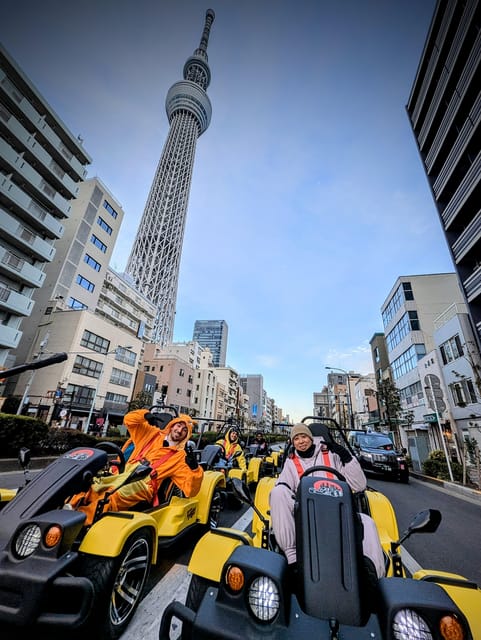
Kartzilla emphasizes comfort and stability rather than speed. The vehicles use advanced suspension for a smoother ride, hydraulic brakes for controlled stopping, and reinforced frames that can accommodate big and tall riders. Stable handling is especially useful if you have never driven a kart on public roads.
These details are more than sales language. A two-hour drive can feel tiring in a cramped recreational kart. Suspension can reduce the harshness of uneven streets, and hydraulic brakes offer more precise control when the group slows or stops. The reinforced frame may also make the seating more comfortable for riders who often find standard karts tight.
The operator describes the pace as relaxed and beginner-friendly, with no racing. That makes this a better fit for sightseeing than for people seeking speed. You still need normal road awareness, a valid license, and the ability to follow instructions. A beginner-friendly vehicle does not remove the responsibility of driving in Tokyo.
The tour is listed as wheelchair accessible, but the provided information does not explain the exact transfer or vehicle arrangements. If you use a wheelchair, contact the provider before booking so you can confirm how participation works for your needs.
Cost, inclusions, and the value of two hours
At $116 per person, this is not a cheap way to cover Tokyo. You are paying for a guided city activity, a street-legal kart, fuel, accident insurance, a local guide, drinks, and a two-hour route through several major districts. The included water, tea, and coffee are useful, though they are not a substitute for a meal.
The value depends on what you want from your sightseeing. If you want the most efficient transport between landmarks, trains and taxis cost less and are more practical. If you want a memorable way to connect those districts and enjoy being outside at street level, the price becomes easier to justify.
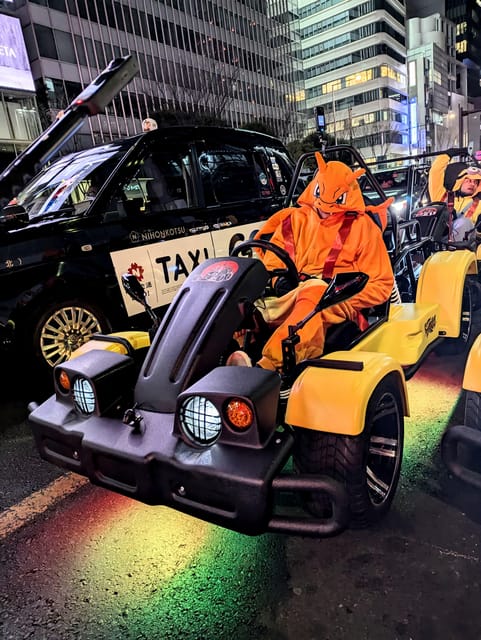
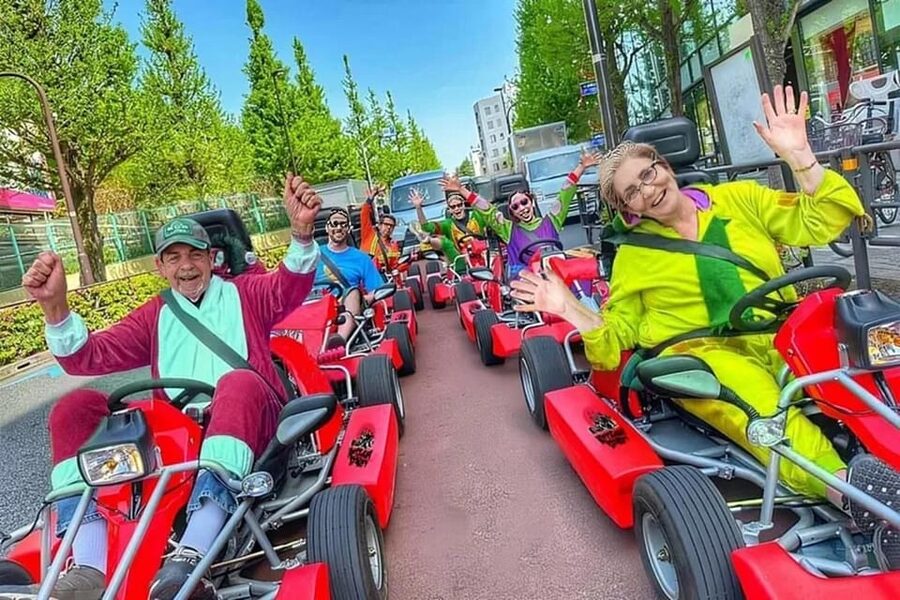
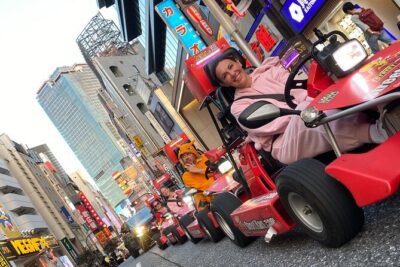
The small group helps. With a maximum of eight participants, the guide can keep the convoy compact and communicate clearly. You also avoid the feel of a large sightseeing bus. The tour includes anime costume rental, which adds a lighthearted visual element, though you should be comfortable wearing a costume while driving through public streets.
The Insta360 option may also affect your budget. Camera use is included, but the Micro SD card is not. Bring a compatible card if you want to save the footage, or buy one on site. The camera lets you record hands-free, so you can capture the route without holding a phone while driving.
There are no hotel transfers and no meals. You need to reach the facility yourself, and the tour returns there at the end. The return point is convenient if you are staying near the starting area, but you should allow extra time afterward if you have a dinner booking or another timed attraction.
The license rules are the most important detail
Do not treat the driving documents as a minor booking note. You need a valid Japanese driving license, or, if you are a non-resident, an International Driving Permit issued under the 1949 Geneva Convention.
Licenses from Switzerland, Germany, France, Belgium, Monaco, or Taiwan require an official Japanese translation issued by JAF. A digital license, a photograph of your license, or an expired document is not accepted.
Bring your passport as well as the original license documents. If you cannot show an accepted license on the day, you cannot take part and no refund is provided. This is the single issue most likely to turn an exciting booking into a wasted $116, so check your documents before paying.
Drivers must be at least 18 years old. The activity is not suitable for visually impaired people or anyone over 95 years old. Alcohol and drugs are not allowed, and alcoholic drinks cannot be taken in the vehicle. Drones are also prohibited.
Who will enjoy this Tokyo route
I would choose this tour for an adult who already wants to drive and sees sightseeing as an active experience. It suits first-time kart drivers who are comfortable on public roads, couples or friends who want unusual photos, and repeat Tokyo visitors looking for a new way to connect familiar districts.
It is also a useful first-day orientation if you can manage the early preparation. You will not learn every street, but you will see where the waterfront sits relative to Ginza, central Tokyo, and the Skytree area. Later, you can return to the districts that catch your interest.
I would be more cautious about booking it for someone who dislikes traffic, wants long stops, or prefers quiet museum visits. The tour is guided and controlled, but you are still driving in a busy capital. The route is scenic, not tranquil.
The two-hour length is well judged for a novelty activity. It gives you enough time to see several parts of Tokyo without taking an entire day. You should, however, add the 40-minute pre-tour arrival requirement to your schedule.
Should you book the Tokyo Uptown Route?
Book it if you want a moving city tour with a playful edge, you meet Japan’s license rules, and you value seeing Tokyo from the road more than spending time inside individual attractions. The live radio guidance, small group, stable karts, and wide route make it more than a simple photo ride.
Skip it if your main goals are Toyosu food, a Kabuki performance, palace grounds, or detailed architectural visits. You can see those places on this route, but you will not explore them at length.
For the right driver, $116 buys an unusual two-hour view of Tokyo, with fuel, insurance, guide service, drinks, and optional camera use included. Check the license requirements first, arrive early, and treat the experience as a guided urban drive rather than a race. That is when the tour makes the most sense.
FAQ
How long does the Tokyo Bay go-kart tour last?
The guided tour lasts 120 minutes, or two hours. You should also arrive at least 40 minutes before the scheduled start for check-in and the mandatory safety briefing.
Where does the tour start and finish?
The tour starts and returns at Kartzilla Go Kart Tokyo, near Hiraki Children’s Clinic. The building has a Kartzilla Go Kart outdoor sign, and Google Maps is considered reliable for finding it.
What driving license do non-residents need?
Non-residents need an International Driving Permit issued under the 1949 Geneva Convention. Licenses from Switzerland, Germany, France, Belgium, Monaco, or Taiwan must be accompanied by an official Japanese translation issued by JAF.
Is a passport required?
Yes. You should bring your passport, your valid driving license, and the required International Driving Permit or official Japanese translation, depending on your license.
Is the camera included?
Use of the on-board Insta360 camera is included. You need to provide a Micro SD card, or you can purchase one at the facility. The camera lets you record hands-free during the ride.
What languages are available for the live guide?
Live guides are available in English, German, Spanish, and Persian. The guide also uses two-way radio communication for safety instructions and commentary during the drive.
More JDM & Car Culture in Tokyo
More Go-Kart Tours in Tokyo

More tours in Tokyo we've reviewed



Go-Karts, compared.
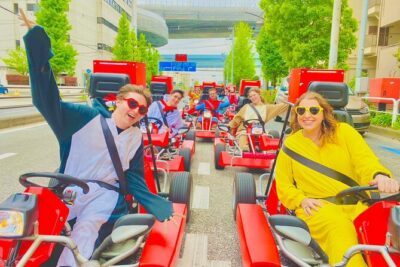 ★ 5.0Flagship 2-Hours Official Street Go-Kart Tour – Tokyo Bay ShopFrom $642 hours to 2 hours 30 minutes (approx.)
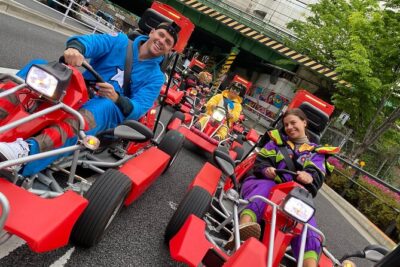 ★ 5.0Official Street Go-Kart in ShibuyaFrom $76
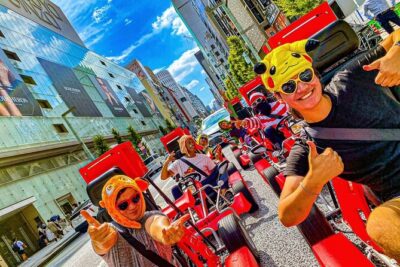 ★ 5.0Official Street Go-Kart Tour – AkihabaraFrom $61
 ★ 5.0Tokyo Go Kart: Asakusa, Skytree, and Akihabara **IDP MUST**From $99
 ★ 5.0Shibuya Official Street Go-Kart in Shibuya AnnexFrom $69
 ★ 4.6Tokyo: Asakusa and Skytree Go-Kart Tour and Photo ShootFrom $67