Reviewed · TOKYO
Tokyo: Taste the downtown atmosphere and enjoy Japanese culture
Tokyo’s most memorable cultural moments can happen away from the usual sightseeing circuit. This three-hour evening walk takes you through Monzen-nakacho for a shrine visit, a Buddhist goma fire ceremony, and a traditional soba dinner. The fire ritual is the main event: priests burn prayer sticks while loud chanting and sound fill the hall.
In This Article
- Key points to know before booking
- Why the goma fire ceremony is the heart of the tour
- Starting at Tomioka Hachimangu at 3:30 pm
- A short taste of local shops on Tomioka Street
- What to expect inside Fukagawa Fudo-do
- Finishing with soba at Nakamuraya Monzen Soba
- Is $92.99 a fair price for three hours?
- Timing, meeting point, and walking practicalities
- Who will get the most from this evening
- Should you book this Monzen-nakacho culture walk?
- FAQ
- How long does the Tokyo culture tour last?
- What time does the tour start?
- Where does the tour begin and end?
- How many people can join the tour?
- Is dinner included?
- Can I join if I have a buckwheat allergy or dislike loud noises?
I like the maximum group size of four, which gives your guide room to explain what you are seeing and help you follow local customs. I also like the practical finish: your meal is included, so you can focus on the experience instead of hunting for dinner afterward.
The main consideration is the goma ceremony itself. Loud sound lasts about 30 minutes, so this may not suit you if you have a weak heart or dislike noise. You also need to avoid the soba if you are allergic to buckwheat.
Key points to know before booking
- A rare hands-on ritual: Join the goma ceremony at Fukagawa Fudo-do and pay for a wish card as part of the tour.
- A genuinely small group: The experience accepts no more than four people, allowing plenty of room for questions.
- Three contrasting stops: You see a Shinto shrine, traditional shops, and a Buddhist temple complex in one compact outing.
- Dinner is built in: A soba meal at Nakamuraya Monzen Soba follows the cultural visits.
- An easy evening schedule: The tour starts at 3:30 pm and ends at Monzen-nakacho Station.
- A guide bridges the language gap: Your guide explains customs and translates so you can take part with more confidence.
Why the goma fire ceremony is the heart of the tour
If you want a quick look at Tokyo’s temples, this is not the usual photo stop. At Fukagawa Fudo-do, you take part in a goma fire ceremony, a Buddhist rite centered on wooden sticks carrying written prayers. Priests burn the sticks as part of a ceremony for purification and blessings.
That makes this tour different from a simple shrine-and-temple walk. You are not only looking at architecture. You are given a way to understand how people use a religious place, and the guide helps explain what is happening as the ceremony unfolds.
The sound matters. About 30 minutes of the goma experience can be loud, so I would not treat this as a quiet, reflective temple visit. If you enjoy ceremonies with strong rhythm and energy, it can be powerful. If loud chanting or repeated noise makes you uncomfortable, the warning should guide your decision.
The tour includes payment for wish cards, which means you can participate without working out that small detail on your own. Still, the exact process may feel unfamiliar. This is where a guide is especially useful. You can ask what to write, when to present it, and how to behave during the ceremony instead of trying to copy people around you.
If you're still narrowing it down, here are other tours in Tokyo we've reviewed.
Starting at Tomioka Hachimangu at 3:30 pm
The meeting point is Tokyu Stay Monzen Nakacho, at 1-chome-23-2 Tomioka in Koto City. The walk begins at 3:30 pm, putting the first part of the experience in the late afternoon and carrying you into the evening.
The opening stop is Tomioka Hachimangu, a historic Shinto shrine with a main hall where you can offer prayers. The visit lasts about 20 minutes. That is enough time for an introduction, a look at the architecture, and a basic explanation of shrine customs, but not enough for a long, unhurried exploration.
I like this as the first stop because it gives you a useful cultural reference point before the Buddhist ceremony. Shinto shrines and Buddhist temples can look similar to a first-time visitor, yet they serve different religious traditions. A guide can help you notice those differences and avoid treating every sacred site as just another sightseeing backdrop.
You should expect a focused visit rather than a full historical lecture. The shrine is one piece of a larger evening, and the schedule moves on after 20 minutes. If your main goal is to spend an hour photographing shrine details, you may find this portion brief. If you want a clear introduction before the more unusual ceremony, the timing works well.
A short taste of local shops on Tomioka Street
The next stop is at 1-chome-8-12 Tomioka and lasts about 10 minutes. Here, the guide introduces a traditional Japanese sweets shop and a store specializing in sake.
Ten minutes is a short visit, so think of this as a cultural snapshot rather than a shopping session. You get to see the kinds of everyday specialties tied to the neighborhood, and your guide can explain what makes the shops traditional and how sweets and sake fit into Japanese food culture.
This pause also breaks up the religious visits. The tour is not three straight hours inside sacred buildings. You move through a local downtown area where history remains part of ordinary street life. That mix is one reason the route can feel more grounded than a checklist of famous Tokyo sights.
The supplied details do not promise tastings or purchases, so do not book this part expecting a food sampler. The value is in the introduction and explanation. If you want time to buy gifts, ask questions about individual products, or browse at length, the 10-minute slot may feel tight.
What to expect inside Fukagawa Fudo-do
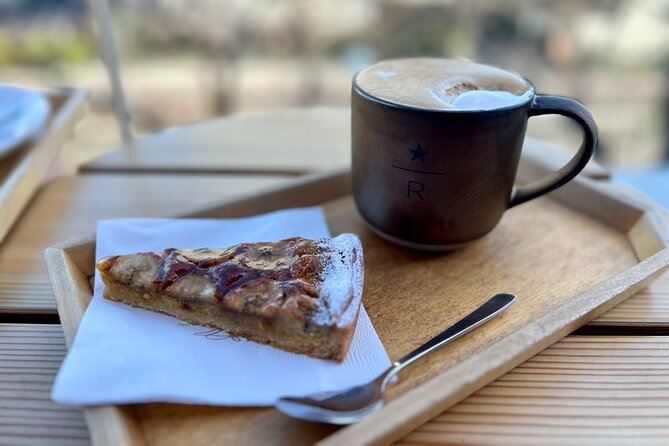
Fukagawa Fudo-do receives the longest portion of the tour, about one hour and 40 minutes. That tells you where the emphasis lies. The shrine visit and shop stop set the stage, while this Buddhist temple provides the main cultural and ceremonial experience.
The goma rite uses fire and written prayers. Priests burn the wooden sticks as a way to purify and remove negative energy, while the ceremony offers a prayer for blessings. Your guide explains the meaning and helps you take part rather than leaving you to guess what each action means.
The ceremony has an unusual visual quality. One review specifically praised the prayer as powerful and the building’s design as innovative. You can expect the temple to feel different from a quiet, conventional worship space, with the ceremony’s sound and movement shaping the visit.
The guide’s role is important here. Haruka is one guide associated with this experience, and the feedback about her points to a kind and attentive manner. You should not assume Haruka will lead every departure, but the tour is designed around personal explanation and help with customs. With only four people allowed, you can ask questions that might be difficult in a large group.
I would allow yourself to be present during this portion rather than trying to document every moment. The ceremony may have rules about where to stand or how to participate, and following your guide’s instructions is the respectful choice. You are entering an active religious setting, not watching a staged performance.
Finishing with soba at Nakamuraya Monzen Soba
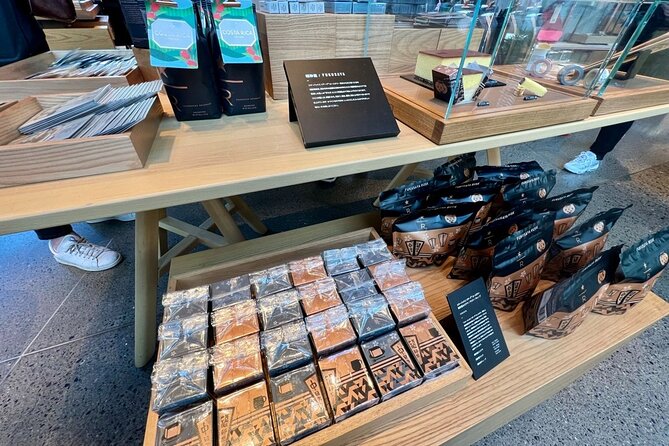
After the temple, the group sits down for a soba dinner at Nakamuraya Monzen Soba. The meal is scheduled for about 50 minutes and the cost is included.
This is a smart ending. By the time a late-afternoon cultural walk reaches its final stop, you are ready to sit down. You also avoid the common problem of finishing a tour in an unfamiliar neighborhood and then spending another 30 minutes deciding where to eat.
The meal centers on Japanese buckwheat noodles. Soba is a fitting finish because it keeps the evening tied to local food rather than ending with a generic restaurant stop. The information provided does not specify the exact dish, side dishes, drink, or dessert, so you should not expect a full tasting menu.
The buckwheat warning is important. If you have a buckwheat allergy, you should not eat the soba. The tour does not promise an alternative meal, so I would contact the provider before booking if you need a substitute. This is not a minor ingredient issue: soba is the central dinner included in the price.


Is $92.99 a fair price for three hours?
At $92.99 per person, this is not the cheapest way to walk around Tokyo. Its value depends on how much help you want with the ceremony and how useful you find the included dinner.
You are paying for a private-feeling group capped at four, a guide, translation and cultural explanation, payment for wish cards, and a soba dinner. The small group matters most. A large tour could show you the same streets, but it would be harder to ask questions or receive help during a religious ritual.
The dinner also adds practical value. You are not paying the tour price and then immediately adding a separate evening meal. Still, the price makes less sense if you only want to see Tomioka Hachimangu or browse neighborhood shops. The main reason to book is the guided access to the goma ceremony and the context around it.
The experience has a five-star rating based on three reviews, which is encouraging but a very small sample. I would treat the comments as useful clues, not a guarantee. The strongest praise focuses on the guide’s care, the cultural explanation, the downtown walk, and the impact of the goma prayer.
Timing, meeting point, and walking practicalities
The tour starts at Tokyu Stay Monzen Nakacho and ends at Monzen-nakacho Station, at 2 Chome-4 Monzennakacho. It is near public transportation, and most people can participate.
The end point at a station is helpful. You finish with dinner near a known transport connection rather than being left at an isolated site. The start and finish are in the Monzen-nakacho area, but the supplied information does not give an exact walking distance or explain every transfer between stops. Arrive with enough time to find the meeting point without rushing.
The total duration is approximately three hours. The timing breaks down as:
- Tomioka Hachimangu: about 20 minutes
- Traditional sweets and sake shops: about 10 minutes
- Fukagawa Fudo-do and the goma ceremony: about 1 hour 40 minutes
- Soba dinner: about 50 minutes
That schedule gives you a clear sense of the evening. The religious ceremony takes most of the time, while the shrine and shops provide shorter introductions. If you prefer a fast-moving tour with many sights, the long temple portion may feel slow. If you want one cultural activity explained properly, it is the right balance.
A mobile ticket is provided. Confirmation arrives when you book, and free cancellation is available up to 24 hours before the start time. Changes or cancellations inside that 24-hour window are not accepted for a refund. The operator also requires a minimum number of participants, so a cancellation for that reason results in another date or experience, or a full refund.
Who will get the most from this evening
I would recommend this tour to you if you want more than exterior photos of temples and shrines. It suits first-time visitors who want a guide to explain manners, symbolism, and the differences between Shinto and Buddhist settings.
It also works well for people who like food to be part of a cultural outing. The soba dinner is not presented as a cooking class or a long food tour, but it gives the evening a clear local flavor and removes the need to make another plan.
The small group should appeal to solo visitors, couples, or friends who prefer conversation over a crowded bus tour. With a limit of four, the guide can respond to individual questions and help with the wish-card ritual.
I would hesitate if you have a buckwheat allergy, unless the provider confirms a safe alternative. I would also hesitate if you strongly dislike loud sound or have a weak heart, since the goma ceremony includes about 30 minutes of loud noise.
This is not the best choice if your Tokyo plans already include several long temple visits and you want modern neighborhoods, major city viewpoints, or shopping. The route is focused on spiritual customs, a historic downtown area, and one traditional dinner.
Should you book this Monzen-nakacho culture walk?
Book it if the goma ceremony is the part that catches your attention. That is the distinctive reason to choose this experience, and the guide’s translation and small-group help make it easier to take part respectfully.
The included soba dinner, station finish, and compact three-hour schedule add real convenience. I especially like that the tour connects a shrine, neighborhood shops, a Buddhist ritual, and food instead of presenting Japanese culture as a single photo stop.
Skip it if you need a quiet temple visit, cannot eat buckwheat, or want a broad survey of Tokyo landmarks. For the right visitor, though, $92.99 buys a focused evening with a rare ritual, personal guidance, and dinner already handled.
FAQ
How long does the Tokyo culture tour last?
The experience lasts approximately three hours.
What time does the tour start?
The tour starts at 3:30 pm.
Where does the tour begin and end?
It begins at Tokyu Stay Monzen Nakacho, 1-chome-23-2 Tomioka, Koto City, Tokyo. It ends at Monzen-nakacho Station, 2 Chome-4 Monzennakacho.
How many people can join the tour?
The tour has a maximum of four travelers.
Is dinner included?
Yes. The cost of a soba noodle dinner at Nakamuraya Monzen Soba is included.
Can I join if I have a buckwheat allergy or dislike loud noises?
You should not eat the soba if you are allergic to buckwheat. The goma ceremony includes loud sound lasting about 30 minutes, and the tour advises against joining if you have a weak heart or do not like loud noises.
More tours in Tokyo we've reviewed












Tokyo, compared.
 ★ 5.0Mt Fuji and Hakone 1-Day Bus Tour Return by Bullet TrainFrom $163
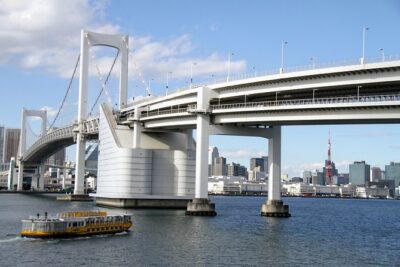 ★ 5.01-Day Tokyo Bus TourFrom $129
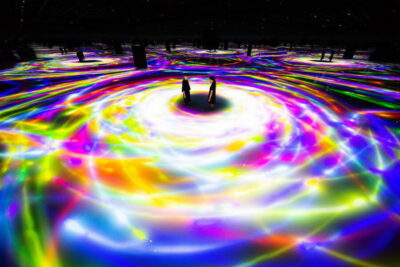 ★ 4.6Tokyo: teamLab Planets TOKYO Digital Art Museum Entry TicketFrom $251 day
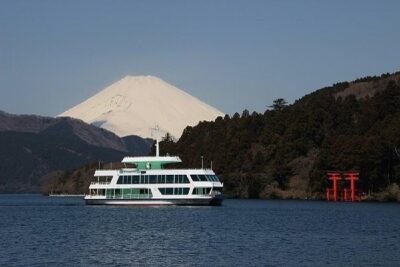 ★ 4.0Mt Fuji & Hakone Cruise, Drum Show Bullet Train 1 Day from TokyoFrom $149
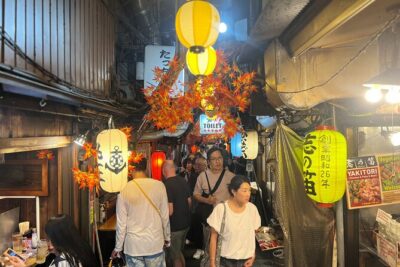 ★ 5.0Tokyo: Shinjuku Food Tour (13 Dishes at 4 Local Eateries)From $86
 ★ 4.4Tokyo Mt Fuji 5th St & Hakone Cruise Bus Tour w/Bullet TrainFrom $15410 hours