Reviewed · MT FUJI DAY TRIPS
Full Guided Mt. Fuji & Hakone Attractive Private Day Tour
Mt. Fuji and Hakone make a big day from Tokyo, but this private tour gives you a useful advantage: you can change the plan as you go. You can visit the 5th Station, Oishino Hakkai, Chureito Pagoda, Lake Ashi, Owakudani, and Gotemba, or skip stops that do not fit your group.
In This Article
- Key points at a glance
- What the $430 private day really buys you
- Reaching Mount Fuji at the 5th Station
- Oishino Hakkai, Chureito Pagoda, and seasonal changes
- Lake Ashi and Hakone’s famous torii gate
- Moto Hakone Shrine and the Torii of Peace
- Owakudani’s sulfur vents and black eggs
- Art among the mountains at the Open-Air Museum
- Gotemba Premium Outlets and the cost of shopping time
- Guides, vehicles, and how the day feels
- Who should book this Mt. Fuji and Hakone tour?
- Should you book it?
- FAQ
- How long does the private Mt. Fuji and Hakone tour last?
- How many people can join the private tour?
- Is transportation included?
- Are Mount Fuji 5th Station and the Open-Air Museum admission fees included?
- Is the shuttle to Mount Fuji 5th Station included?
- Can the itinerary be changed?
I like the private vehicle, especially for families and groups of up to five. I also like the guide service, with Abdul Manan praised for arriving early, being courteous, and suggesting activities that suited a family. The main drawback is the packed schedule. Six listed stops in about 10 hours means you may need to choose between lingering at a scenic place and fitting in the next one.
Key points at a glance
- Private transport for up to five people: Air-conditioning, onboard WiFi, and a child seat are included.
- Mt. Fuji’s 5th Station reaches about 2,300 meters: It gives you mountain views and a sense of the climbing route, but access can depend on the hiking season and road conditions.
- Lake Ashi adds the classic Hakone view: You can see the shrine torii, surrounding mountains, and possibly Mount Fuji from the lakeside area.
- Owakudani has real volcanic activity: Sulfur vents, steaming ground, and the famous black eggs make this more than a photo stop.
- The day can be adjusted: Seasonal interests such as cherry blossoms or autumn foliage can shape the route.
- The $430 group price can work well: Split among five people, it is $86 each before optional costs and meals.
What the $430 private day really buys you
The tour costs $430 per group of up to five, not $430 per person. That matters. A full vehicle shared by five people works out to $86 each before lunch and entrance charges. For a couple, the price feels much steeper, but you are paying for privacy, a dedicated vehicle, and the ability to make changes without following a fixed coach schedule.
The tour lasts about 10 hours and starts and ends at Tokyo Station, at 1 Chome-9 Marunouchi. The private setup is most valuable when your group has different needs. Parents can use the included child seat, couples can skip the shopping stop, and friends can spend more time at a favorite viewpoint.
The package includes private transportation, an air-conditioned vehicle, WiFi, and a child seat. Lunch and alcoholic drinks are not included. The Hakone Open-Air Museum costs about $15, and the Mount Fuji 5th Station Subaru Line entrance charge is listed as $15 per group. During the hiking season, a shuttle service to the 5th Station may also cost ¥2,500, about $20, and is described as optional.
That makes the headline price attractive for a full group, but you should budget for food and the paid attractions. Ask your guide early in the day which fees apply to your route, since mountain access and the final schedule can affect what you actually use.
A few more Tokyo tours and experiences worth a look
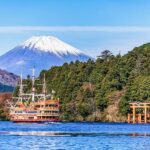
Reaching Mount Fuji at the 5th Station
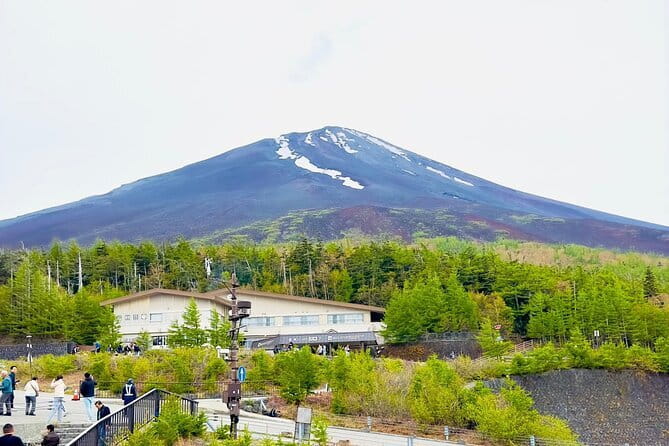
The Subaru Line 5th Station sits at about 2,300 meters, or 7,546 feet. It is a common starting point for climbers, but you do not need to climb Mount Fuji to enjoy the stop. Shops, restaurants, restrooms, and lodging options make it a practical place to pause and get your bearings at altitude.
The appeal is the view. On a clear day, you may see the Japanese Alps, Tokyo, and the Pacific Ocean. The mountain itself is the obvious prize, but the wide view helps explain the scale of the region. I would give this stop real time if the weather is good, since clouds can erase much of the reason for coming up here.
The itinerary allows two hours at the 5th Station, though road access deserves attention. The Subaru Line shuttle service runs during the hiking season from July 6 through September 10, with a listed ¥2,500 fee. The information also lists a $15 group entrance charge for the Subaru Line. Because access rules and road arrangements can vary by season, confirm the day’s plan with your guide.
At this height, some people may feel the altitude. You are not being asked to climb, but walking slowly and carrying water is sensible. The stop is better for views, shops, and mountain atmosphere than for a long hike.
Oishino Hakkai, Chureito Pagoda, and seasonal changes
The overview also includes Oishino Hakkai and Chureito Pagoda, even though the six-stop timing does not assign each a separate duration. This is important when you compare the tour with other Mt. Fuji outings. You should ask how these places fit into your chosen route before departure, especially if they are priorities.
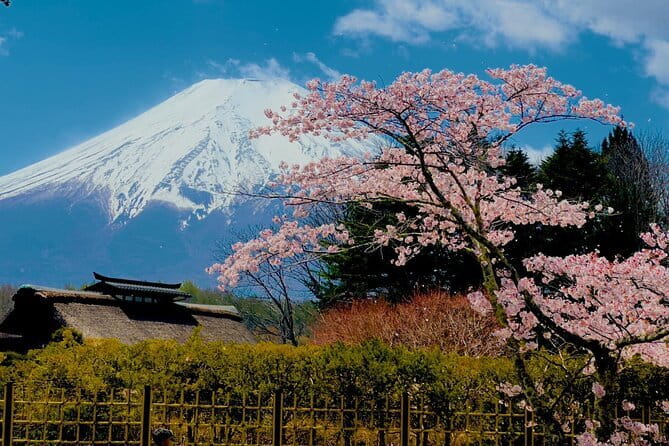
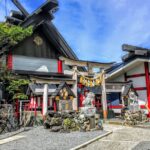
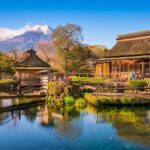
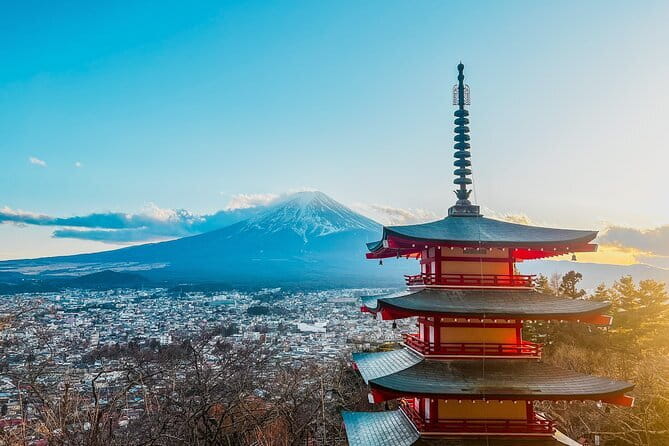
Oishino Hakkai is presented as a traditional village, offering a more grounded contrast to the big mountain viewpoints. Chureito Pagoda is another familiar Fuji image, especially when the mountain is visible behind the pagoda. These stops can add cultural character and a classic photograph, but they also increase the pressure on the clock.
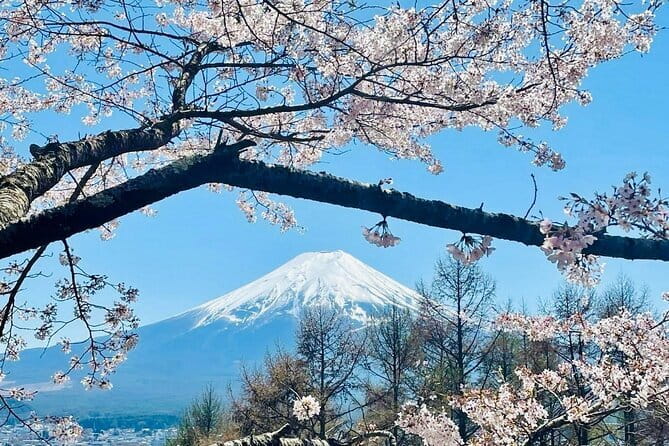
The operator says the route can be tailored to the season. In spring, that may mean focusing on cherry blossoms. In fall, autumn foliage can guide the choice of stops. This flexibility is one of the better reasons to choose a private outing, since you can ask to spend less time at a shopping mall and more time outdoors.
Still, flexibility is not the same as unlimited time. Mount Fuji weather changes quickly, and a clear morning can become a cloudy afternoon. I would tell the guide your top two priorities at the start. That gives the driver a practical basis for cutting a lower-priority stop if the mountain views are especially good.
Lake Ashi and Hakone’s famous torii gate
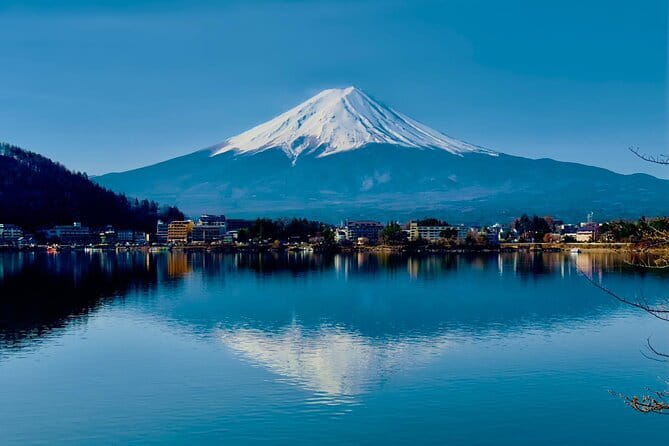
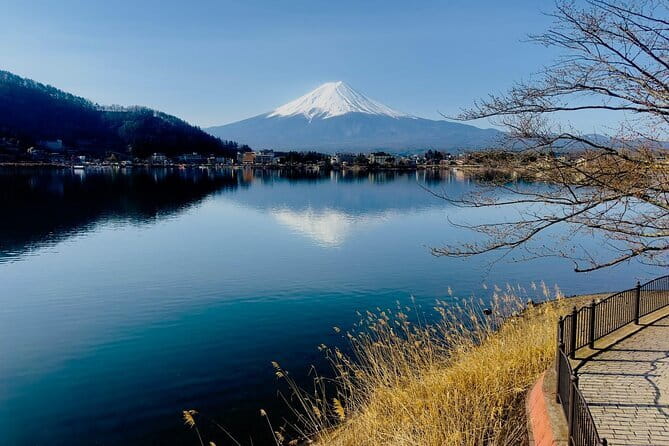
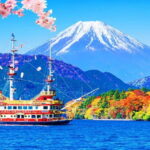
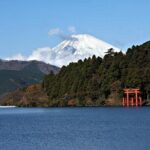
Lake Ashi, also called Lake Ashinoko, brings a different mood from the high mountain road. The lake is surrounded by mountains and hot springs, and clear conditions can give you a fine view toward Mount Fuji. The lakeside is also home to a historic Shinto shrine with a red torii gate that appears to float on the water.
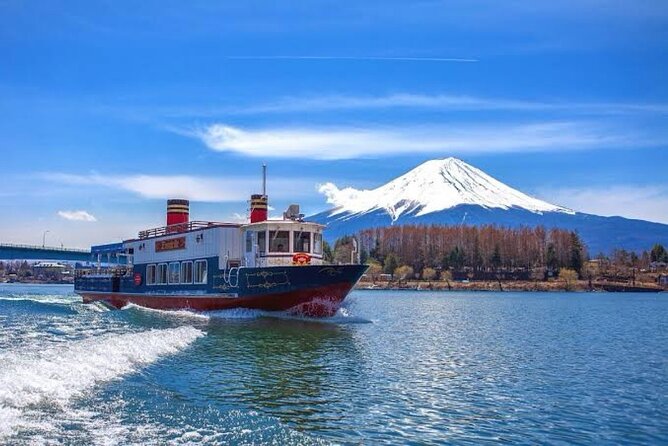
The listed Lake Ashinoko Sky Line stop allows about two hours. That is enough time to see the lake area without turning the day into a rushed series of parking-lot photographs. You can look for the shrine torii, take in the mountain setting, and consider a sightseeing boat shaped like a pirate ship.
The boat is one of Hakone’s most recognizable tourist touches. It offers a pleasant way to see the lake from the water, but do not assume the boat ticket is included simply because the lake stop has no admission charge listed. The tour description says you can enjoy the ride, while the included-cost section does not name a boat ticket. Confirm the fare before boarding.
The lake is also a weather gamble. Mount Fuji may be hidden even when the lake itself looks beautiful. I would still keep the stop for the scenery, shrine setting, and change of pace, but I would not choose this tour solely for a guaranteed Fuji photograph.
Moto Hakone Shrine and the Torii of Peace
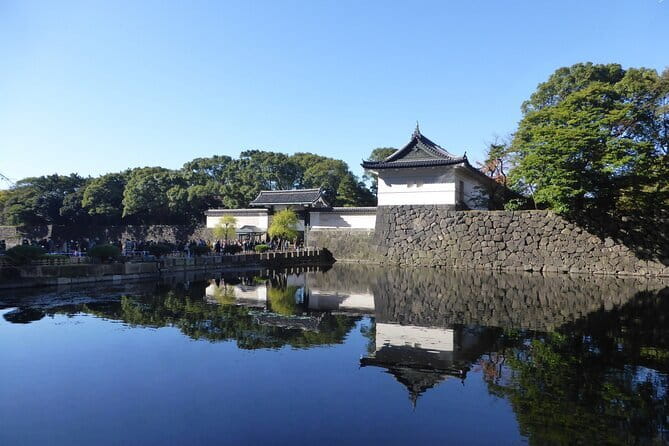
Moto Hakone Shrine, also called Moto-Hakone Jinja, sits near Lake Ashi in a forested setting. Its waterside torii is known as the Torii of Peace, and the shrine is associated with protection, good fortune, travel, and business.
The visit is allotted 30 minutes. That is enough for a short look and a quiet pause, but not a leisurely shrine visit if you want to explore every approach. The shrine can be reached by boat or by walking from Hakone-machi or Moto-Hakone, though your private vehicle makes it easier to connect this stop with the rest of the day.
I like this part of the route because it adds a religious and local setting to a day otherwise driven by views and attractions. Be respectful around the shrine, and remember that the famous torii may draw a line of people waiting for photographs. With only half an hour, your guide may need to keep the visit moving.
The shrine works especially well for people who want more than a mountain lookout. It also gives you a quieter contrast with the commercial areas around the lake and Gotemba.
A few more Tokyo tours and experiences worth a look
Owakudani’s sulfur vents and black eggs
Owakudani is a volcanic valley formed during the last eruption of Mount Hakone around 3,000 years ago. The area is known for sulfur vents, hot springs, geothermal activity, and views toward Mount Fuji when the sky is clear.
The famous local snack is the black egg. It is hard-boiled in sulfur-rich hot spring water, which turns the shell black. The unusual appearance makes it an easy souvenir of the day, although the tour does not include food.
The schedule lists only one minute at Owakudani, which is clearly too short for a meaningful visit. Treat that figure as a scheduling warning rather than a promise of an actual stop. Ask your guide how long you will have and what access is open that day. Volcanic areas can have restrictions, and the tour information does not promise a particular walking route.
Owakudani is valuable because it shows you the force beneath Hakone’s hot-spring country. You smell and see the sulfur, rather than simply hearing that the area is volcanic. If this is high on your list, say so before setting out. Otherwise, it may become a quick photo and snack break between larger stops.
Art among the mountains at the Open-Air Museum
The Hakone Open-Air Museum is Japan’s first open-air art museum, founded in 1969. More than 120 sculptures are spread through a broad garden, with the Hakone mountains forming the backdrop.
This is not a small roadside gallery. One hour gives you a taste, but you will need to be selective. The collection includes works by Henry Moore, Niki de Saint Phalle, and other major artists. The Picasso Pavilion adds an indoor collection of more than 300 works, including ceramics, paintings, and drawings.
A colorful stained-glass tower is another distinct feature. You can climb inside it for views through the glass panels. This gives the stop a visual appeal even if modern sculpture is not normally your main reason for sightseeing.
Admission is not included and is listed at about $15. For art lovers, that is one of the stronger paid additions to the day. For families focused on Mount Fuji and Lake Ashi, it may be the first stop to skip. The private format lets you make that choice, though removing it can also make the day less rushed.
Gotemba Premium Outlets and the cost of shopping time
Gotemba Premium Outlets is a large shopping center near Mount Fuji, with more than 400 stores. You will find international names such as Gucci, Nike, Coach, and Prada, along with Japanese brands, restaurants, cafés, and food stands.
The two-hour allowance is generous enough for a focused shopping visit. Many shops offer tax-free shopping to international customers, but you will need to check the conditions at the individual store. The mall is also valued for its Mount Fuji views on clear days, so it is not only about buying things.
The catch is simple: shopping uses time that could go to shrines, village streets, or a scenic overlook. If your group includes serious shoppers, the outlet adds practical value and a comfortable break. If you want a more traditional Japan day, tell the guide to shorten or remove it.
I would not let the word premium decide for you. The benefit here is choice. You can eat, shop, rest, and possibly see Fuji from a different angle. The stop makes the tour more flexible for a mixed group, but it is not essential to a first visit focused on nature and culture.
Guides, vehicles, and how the day feels
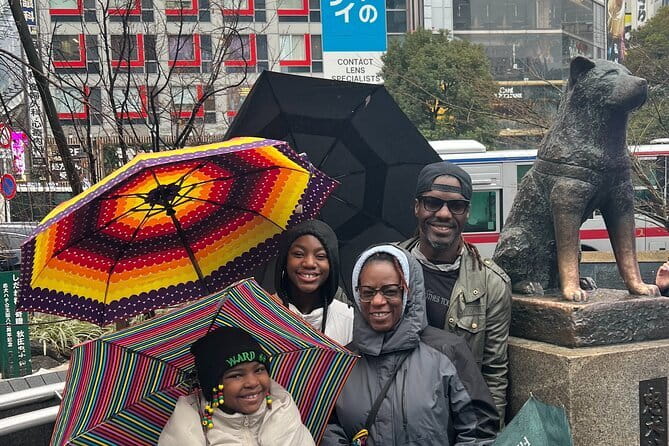
The service is led by experienced drivers and staff, with guides including Abdul Manan and Hiroyuki Sato named in the available feedback. Abdul Manan was specifically praised for arriving early, being courteous, helping a family feel comfortable, and suggesting activities that they enjoyed. Hiroyuki Sato’s response emphasizes that guides work to answer questions and respond to requests.
That fits the tour’s main strength: the human flexibility. You are not locked into a large group’s pace, and you can ask for a different balance between scenery, shopping, and cultural stops. The driver-guide arrangement also means your guide plays an important role in keeping the route realistic.
The vehicle is air-conditioned and has WiFi. A child seat is included, a useful detail for families who do not want to arrange one separately. The activity is private, so only your own group participates.
The day begins at Tokyo Station and returns there. Since the tour lasts about 10 hours, I would keep your evening plans light. Mountain roads, weather, traffic, and the number of stops can all affect how much time you have at each place.
Who should book this Mt. Fuji and Hakone tour?
I would choose this tour for a family, group of friends, or small party that values a private vehicle and wants to combine several major sights in one day. It is also a good fit if you want to ask for cherry blossoms, autumn colors, extra Fuji viewpoints, or less time at the outlet mall.
The tour is less suited to someone who wants a slow visit at every stop. The listed route covers a lot: the 5th Station, Lake Ashi, Owakudani, Moto Hakone Shrine, the Open-Air Museum, Gotemba, and possibly Oishino Hakkai and Chureito Pagoda. That is ambitious in 10 hours.
The best strategy is to name your priorities before the vehicle leaves Tokyo. Choose two must-see stops, then let the guide build around them. If Mount Fuji is hidden by clouds, the shrine, volcanic valley, art museum, village, and lake still give you a worthwhile day.
Free cancellation is available if you cancel at least 24 hours before the start time. Changes made less than 24 hours before departure are not accepted, and the timing uses local Japanese time.
Should you book it?
Book this tour if you want private door-to-door sightseeing and the freedom to shape a demanding Mt. Fuji and Hakone route around your group. The $430 price is reasonable when five people share it, and the included vehicle, WiFi, and child seat add useful value.
Think twice if you prefer public transport, long walks, or a single-region visit with plenty of time. The schedule is ambitious, some entry costs are extra, and the one-minute Owakudani listing needs clarification.
For most small groups, I would book it with one condition: tell the guide your top priorities in advance and confirm the optional fees. That turns a crowded list of attractions into a more sensible day.
FAQ
How long does the private Mt. Fuji and Hakone tour last?
The tour lasts approximately 10 hours and starts and ends at Tokyo Station.
How many people can join the private tour?
The $430 price covers one private group of up to five people.
Is transportation included?
Yes. The tour includes private transportation in an air-conditioned vehicle, onboard WiFi, and a child seat.
Are Mount Fuji 5th Station and the Open-Air Museum admission fees included?
No. The Mount Fuji 5th Station Subaru Line entrance charge is listed as $15 per group, and the Hakone Open-Air Museum entrance fee is listed as $15. Lunch and alcoholic drinks are also not included.
Is the shuttle to Mount Fuji 5th Station included?
The shuttle service is optional and has a listed fee of ¥2,500. It operates during the stated hiking season from July 6 through September 10.
Can the itinerary be changed?
Yes. The tour can be customized, and you can ask to skip stops or visit another place. Seasonal interests such as cherry blossoms and autumn foliage can also shape the route.
More Guided Tours in Tokyo


More Hakone Day Trips in Tokyo
More Mt Fuji Day Trips in Tokyo

More tours in Tokyo we've reviewed












Mt Fuji Day Trips, compared.
 ★ 5.0Mt Fuji and Hakone 1-Day Bus Tour Return by Bullet TrainFrom $163
 ★ 4.0Mt Fuji & Hakone Cruise, Drum Show Bullet Train 1 Day from TokyoFrom $149
 ★ 4.4Tokyo Mt Fuji 5th St & Hakone Cruise Bus Tour w/Bullet TrainFrom $15410 hours
 ★ 4.5From Tokyo: Mount Fuji Full-Day Sightseeing TripFrom $6810 hours
 ★ 4.7Tokyo: Mt. Fuji Tour, Hakone Ropeway, Owakudani, Lake AshiFrom $5410 hours
 ★ 4.4Tokyo:Mt.Fuji,Kawaguchiko Oishi Park,Arakurayama Sengen ParkFrom $5410 hours