Reviewed · NIKKO DAY TRIPS
NIKKO PASS All Area
Nikko is the rare escape from Tokyo where one pass can carry you from city rail platforms to cedar-lined shrines, mountain waterfalls, and hot-spring country. The Nikko All Area Pass gives you four consecutive calendar days of Tobu trains and selected buses, so you can set your own pace instead of squeezing Nikko into one rushed day.
In This Article
- Key points to know before you buy
- What the Nikko All Area Pass actually covers
- Starting in Asakusa and reaching Tobu-Nikko
- Tobu-Nikko Station and the World Heritage area
- Route 2A to Yumoto-Onsen
- Route 2C to Lake Chuzenji and the waterfall country
- Route 2D and Kirifuri no Taki
- Four days gives you room to slow down
- Adding Kinugawa Onsen to a Nikko visit
- Is the pass good value?
- Who should buy it?
- Booking, collection, and cancellation details
- Should you book the Nikko All Area Pass?
- FAQ
- How long is the Nikko All Area Pass valid?
- Is the train from Asakusa to Nikko included?
- Are limited express train fees included?
- Which buses are included?
- Does the pass include shrine and temple admissions?
- Can I use the pass to visit Kinugawa Onsen?
- Who can purchase the pass?
- Does the pass include the Lake Chuzenji cruise?
I like the generous four-day validity, and I like the included bus network, especially for reaching places such as Kirifuri Waterfall, Chuzenji-Onsen, and Yumoto-Onsen. The catch is that limited express trains, temple and shrine admissions, food, and some attractions cost extra. Bus routes can also be confusing, and the mountain roads have many sharp switchbacks.
Key points to know before you buy
- Four calendar days, not 96 hours: A pass beginning April 1 expires at the end of April 4.
- Asakusa to Nikko is included: The pass covers round-trip Tobu travel between Asakusa and Shimo-Imaichi, with local Tobu connections onward.
- Buses do the heavy lifting: Routes 2A, 2B, 2C, and 2D reach the World Heritage area, mountain resorts, waterfalls, and hot springs.
- Limited express trains cost extra: The trip takes about 1 hour and 50 minutes with a limited express service, but that supplement is not part of the pass.
- A non-Japanese passport is required: You must show your passport and booking voucher at the Tobu Tourist Information Center in Asakusa.
- Nikko is more than temples: The pass can support a mix of shrines, waterfalls, hiking areas, Lake Chuzenji, and Kinugawa Onsen.
What the Nikko All Area Pass actually covers
Think of this as a regional transport pass, not a guided tour or an all-inclusive sightseeing ticket. You collect it at the Tobu Tourist Information Center in Asakusa, then travel independently.
The pass includes round-trip train fare between Asakusa and Shimo-Imaichi. It also gives you unlimited local Tobu train travel between Shimo-Imaichi and Tobu-Nikko or Shin-Fujiwara. That last destination matters if you plan to include Kinugawa Onsen.
Within the Nikko area, unlimited rides are included on buses 2A, 2B, 2C, and 2D departing from or arriving at Tobu-Nikko Station. These routes cover the main sightseeing corridors, but not every bus in the region. Check the route map before setting out, since a pass that looks broad on paper still has defined limits.
The pass does not include admission to Nikko’s shrines and temples. Limited express fees are also extra, as are JR trains, meals, drinks, and other personal costs. The supplied booking information displays a price of $0.00, which is not a useful guide to the actual purchase cost of a transport pass. Check the current fare before booking and compare it with the number of train and bus rides you expect to take.
A few more Tokyo tours and experiences worth a look

Starting in Asakusa and reaching Tobu-Nikko
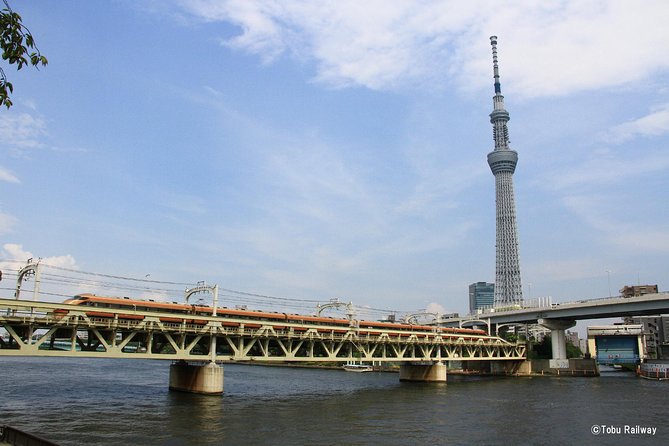
Your starting point is the Tobu Tourist Information Center at Tobu Asakusa Station, at 1-chōme-4-1 Hanakawado in Taito City. Bring the same valid non-Japanese passport used for the booking, along with your voucher.
The journey from Asakusa to Nikko takes about 1 hour and 50 minutes with a limited express service. That sounds simple, but the limited express supplement is not included. The basic pass covers the relevant Tobu travel, while the faster reserved service requires an added fee.
You should also understand that the included train is not necessarily a direct ride. A connection may be required, and one detailed account described changing trains as many as two times. That is not a deal breaker, but it changes the experience. Allow extra time, watch the platform information, and do not assume the pass itself guarantees a reserved seat on the fastest train.
The return trip follows the same general arrangement. If you want a quick ride back to Tokyo after a long day in the mountains, budget for the limited express supplement rather than discovering the extra cost at the station.
Tobu-Nikko Station and the World Heritage area
Tobu-Nikko Station is your main base for local sightseeing. From here, bus 2B follows the World Heritage sightseeing route, with buses departing about every 15 minutes. Each loop takes roughly 23 minutes, and service runs from about 8:20 AM to 5:30 PM.
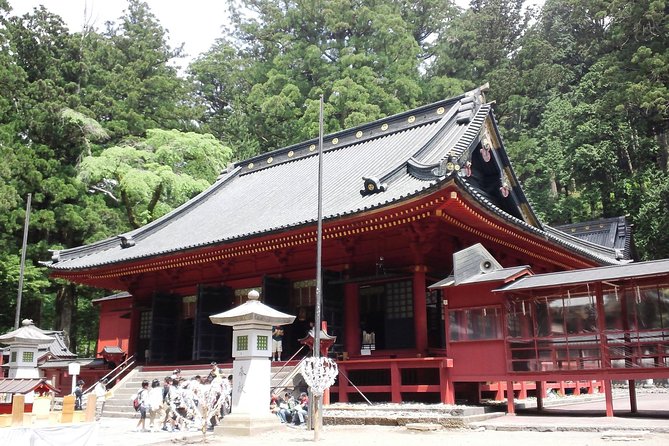
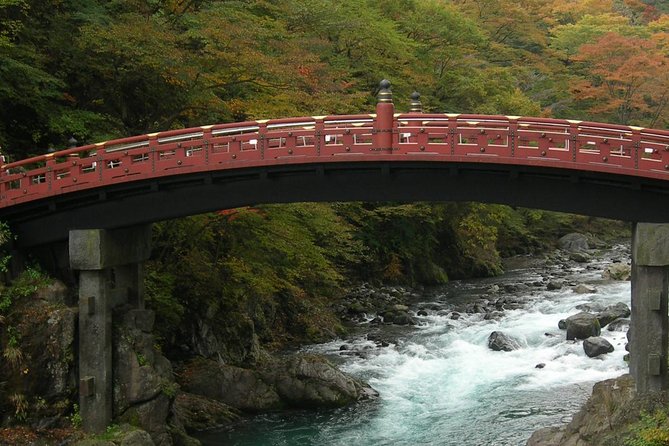
This is the easiest route for reaching the famous shrine and temple zone without organizing separate local fares. Nikko’s cultural sights are set among tall trees and mountain scenery, and the area rewards a slower visit. You will still pay separate admission charges at individual shrines and temples, so keep those costs outside your pass calculation.
A practical point matters here: the bus network can feel harder to follow than the Tokyo subway. Route letters, destinations, operating hours, and seasonal changes all matter. Keep the Tobu route map handy, and check the day’s last bus before walking far from the station.
Route 2A to Yumoto-Onsen
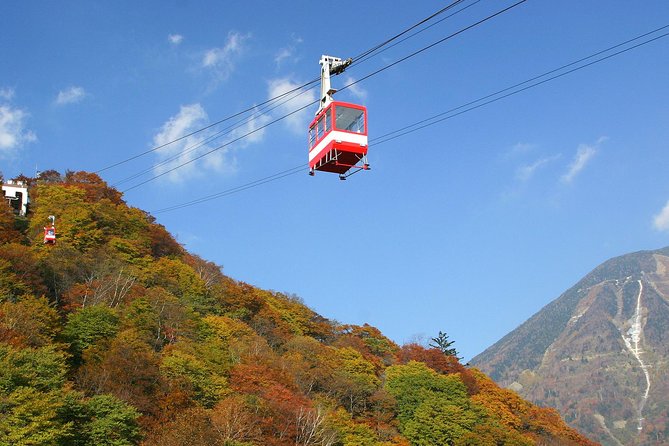
Bus 2A runs between Tobu-Nikko Station and Yumoto-Onsen. Each leg takes about 75 minutes, with service listed from 6:15 AM to 6:10 PM.
That makes this the longest of the main bus rides covered by the pass. Yumoto-Onsen gives you a chance to trade temple crowds for mountain air and hot-spring town scenery, but the journey requires planning. A 75-minute ride each way takes a large part of a day, especially if you are also stopping at Lake Chuzenji or the World Heritage area.
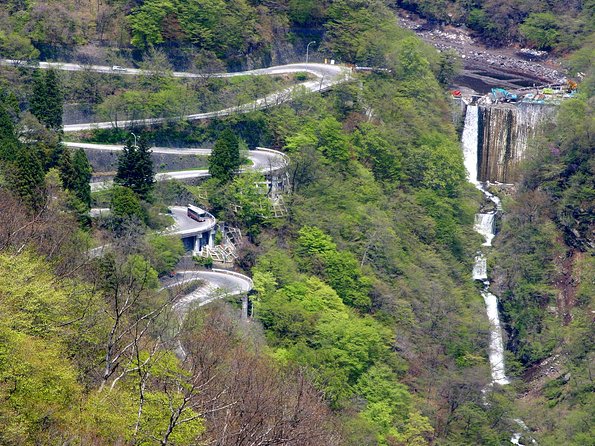
The mountain road is notably winding. If you are prone to motion sickness, sit where you feel most comfortable, avoid a heavy meal before the ride, and keep the long return journey in mind. One useful way to use this route is to give the upper mountain area its own day rather than trying to attach it to every other Nikko sight.
Route 2C to Lake Chuzenji and the waterfall country
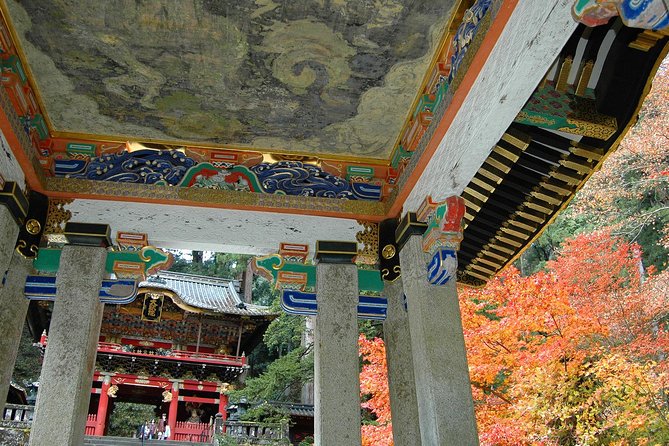
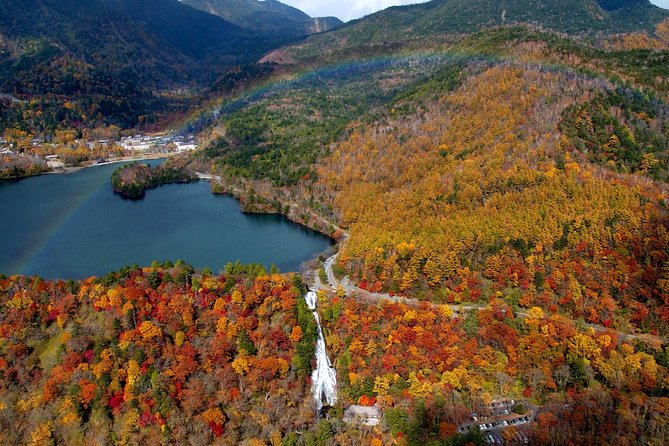
Bus 2C connects Tobu-Nikko Station with Chuzenji-Onsen, taking about 45 minutes each way. Service runs roughly from 6:30 AM to 6:30 PM.
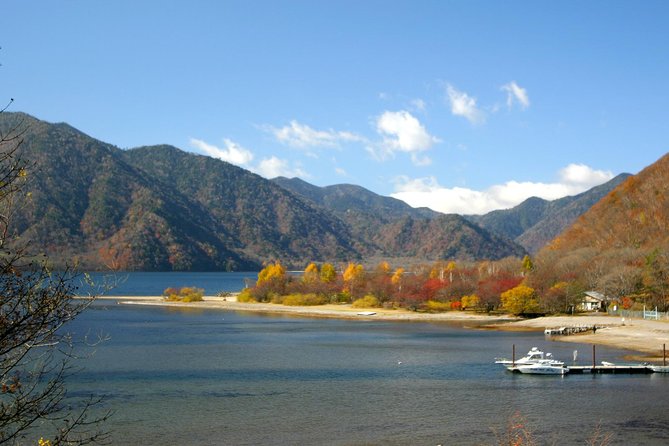
This route opens the door to a different side of Nikko, with lake and mountain scenery replacing the compact shrine district. The pass does not automatically cover every activity at the lake. A lake cruise, for example, may require separate arrangements, and the cruise closes during winter from December 1.
That seasonal detail can change your plan. In warmer months, you can consider combining the bus ride with the lake cruise and nearby sights. In winter, you should not build a day around the cruise. Always confirm current operating dates for seasonal attractions before you leave Tokyo.
A few more Tokyo tours and experiences worth a look




Route 2D and Kirifuri no Taki
Route 2D changes destination with the season. From November 24 through March 31, it runs between Tobu-Nikko Station and Kirifuri no Taki. From April 1 through November 23, it runs between the station and Kirifuri-Kogen.
Kirifuri no Taki, or Kirifuri Waterfall, drops about 246 feet, or 75 meters. It has long attracted artists, including Katsushika Hokusai, and the surrounding trees change with the seasons. This is one of the most distinctive natural stops supported by the pass.
The main warning is the timetable. Route 2D hours vary, and the destination changes during the year. Confirm the current schedule before setting out. If you arrive expecting Kirifuri no Taki but the seasonal service is directed to Kirifuri-Kogen, your day will need a different plan.
Four days gives you room to slow down
The pass is valid for four consecutive calendar days beginning on the date selected at booking. It is not a rolling 96-hour pass. Activate it on April 1, and it ends at the close of April 4, even if you first use it late in the day.
That distinction can make a real difference. A late afternoon departure from Asakusa uses one calendar day, even though you may have spent only a few hours traveling. If possible, begin early on the first day and use the pass across four full dates.
A sensible plan might look like this:
- Day one: Travel from Asakusa, settle into the Tobu-Nikko area, and visit the World Heritage route.
- Day two: Use route 2C for Chuzenji-Onsen and the lake area.
- Day three: Choose route 2A for Yumoto-Onsen, or route 2D for Kirifuri Waterfall or Kirifuri-Kogen.
- Day four: Return to favorite shrines, take a shorter local outing, or continue toward Shin-Fujiwara and Kinugawa Onsen.
You do not need to follow that schedule. Its value is in showing how the four-day window can spread out long bus rides and reduce the pressure to see everything in one exhausting circuit.
Adding Kinugawa Onsen to a Nikko visit
Kinugawa Onsen is a hot-spring town reached by the Tobu network in about 2 hours and 10 minutes from Asakusa with a limited express service. The pass supports local Tobu travel toward Shin-Fujiwara, but again, the limited express fee is separate.
Kinugawa works best as a deliberate side trip rather than a last-minute add-on. The town offers a change of mood after the shrines and mountain buses, with hot-spring relaxation and discounts at selected stores and restaurants around Nikko and Kinugawa.
Discounts are not fixed across the year. Entrance fees, transport fares, and purchases can vary by season, so treat them as a bonus rather than the main reason to buy the pass. Check the current discount list and operating dates before counting any saving.
Is the pass good value?
The value depends on how much of Nikko you plan to see. If you only travel from Asakusa to Tobu-Nikko, ride one local bus, and return the next day, the savings may be modest. If you use several long bus routes, local trains, and the Kinugawa corridor over multiple days, the pass becomes more useful.
The biggest benefit is not simply the fare calculation. It is the freedom to board included buses without stopping to work out a separate payment each time. That matters on a mountain itinerary, where you may change plans based on weather, seasonal operation, or how much energy you have left.
Still, do not confuse transport coverage with free sightseeing. Temple and shrine admissions remain extra. The lake cruise, ropeway, and other attractions may involve separate fees, even if seasonal discounts are available. One account specifically understood the pass to include a ropeway and the Lake Chuzenji cruise, but the official inclusions provided here list neither as included. Plan on paying separately unless the current terms clearly say otherwise.
The bus system also has a cash-handling issue. Carry small denominations, since exact payment can be useful when a ride is not covered or when a separate fare applies. Do not count on every situation being simple, and do not leave all transport planning until the final bus of the day.
Who should buy it?
I would consider this pass for someone who wants Nikko’s cultural sights and natural stops, not just a quick look at the main shrine district. It suits independent sightseeing, flexible schedules, and a stay of two to four days.
It is especially helpful if you want to reach Kirifuri no Taki, Chuzenji-Onsen, or Yumoto-Onsen. Those longer bus rides can add up, and the included network removes some of the friction from moving around.
I would be more cautious if you have only one short day, dislike winding mountain roads, or plan to use only the central shrine area. You may not get enough rides to justify the pass, particularly after adding admission fees and any limited express supplements.
The activity requires a moderate level of physical fitness. Expect walking around shrine and temple grounds, changing between transport services, and spending time outdoors. The pass itself has no guide, so you are responsible for reading schedules, choosing routes, and checking seasonal closures.
Booking, collection, and cancellation details
Confirmation is provided at booking. You collect the pass at the Tobu Tourist Information Center in Asakusa, and you must show a valid non-Japanese passport on the day of use. Children aged five and younger are complimentary when accompanied by a paying adult.
The experience begins and ends at the Asakusa meeting point, although the pass lets you spend the intervening days independently in Nikko and the surrounding area. Free cancellation is available up to 24 hours before the scheduled start time. Cancellations inside that window are not refunded, and late changes are not accepted.
Should you book the Nikko All Area Pass?
Book it if you want to spread Nikko across several days and make serious use of the bus network. Its strongest feature is the combination of four calendar days, local trains, and routes to the lake, waterfalls, high mountain areas, and hot springs.
Skip it if your plan is a single short outing focused only on the shrine district, or if you expect a fully direct train and an all-inclusive sightseeing ticket. Budget separately for limited express travel, admission fees, food, and optional attractions.
For the best value, start early, use the pass across all four dates, check the Tobu timetable before each mountain trip, and confirm seasonal services such as route 2D and the Lake Chuzenji cruise. With those limits understood, this is a useful transport base for a self-directed Nikko visit.
FAQ
How long is the Nikko All Area Pass valid?
The pass is valid for four consecutive calendar days beginning on the date selected at booking. It is not valid for 96 hours from the first use.
Is the train from Asakusa to Nikko included?
Round-trip Tobu train travel between Asakusa Station and Shimo-Imaichi Station is included. Local Tobu trains between Shimo-Imaichi and Tobu-Nikko or Shin-Fujiwara are also included.
Are limited express train fees included?
No. Limited express train fees are not included and must be paid separately.
Which buses are included?
Unlimited rides are included on buses 2A, 2B, 2C, and 2D departing from or arriving at Tobu-Nikko Station.
Does the pass include shrine and temple admissions?
No. Admission to shrines and temples in the Nikko area is not included.
Can I use the pass to visit Kinugawa Onsen?
The pass includes local Tobu train travel between Shimo-Imaichi and Shin-Fujiwara, supporting travel toward Kinugawa Onsen. A limited express fee, if you choose that service, is extra.
Who can purchase the pass?
The Nikko All Area Pass is available only to foreign tourists with a non-Japanese passport. You must present a valid non-Japanese passport when collecting or using it.
Does the pass include the Lake Chuzenji cruise?
The listed inclusions do not include the cruise. The cruise is closed during winter from December 1, and any current fare or seasonal discount should be checked before your visit.
More Tickets & Passes in Tokyo
More Nikko Day Trips in Tokyo
More tours in Tokyo we've reviewed












Nikko Day Trips, compared.
 ★ 4.5Tokyo: Nikko Toshogu Shrine and Kegon Waterfall TourFrom $8410h 30m
 ★ 5.0Nikko, Kegon Waterfall & Chuzenji Lake from TokyoFrom $89
 ★ 4.4From Tokyo: Nikko, Toshogu Shrine, Waterfall & Chūzenji LakeFrom $54
 ★ 4.3Nikko: Edo Wonderland Edomura Cultural Theme Park TicketFrom $351 day
 ★ 4.8Tokyo: Nikko World Heritage Private Day Trip Hotel Pick-upFrom $39011 hours - 1 day
From Tokyo: Nikko World Heritage Sight Full Day Private TourFrom $36210 hours