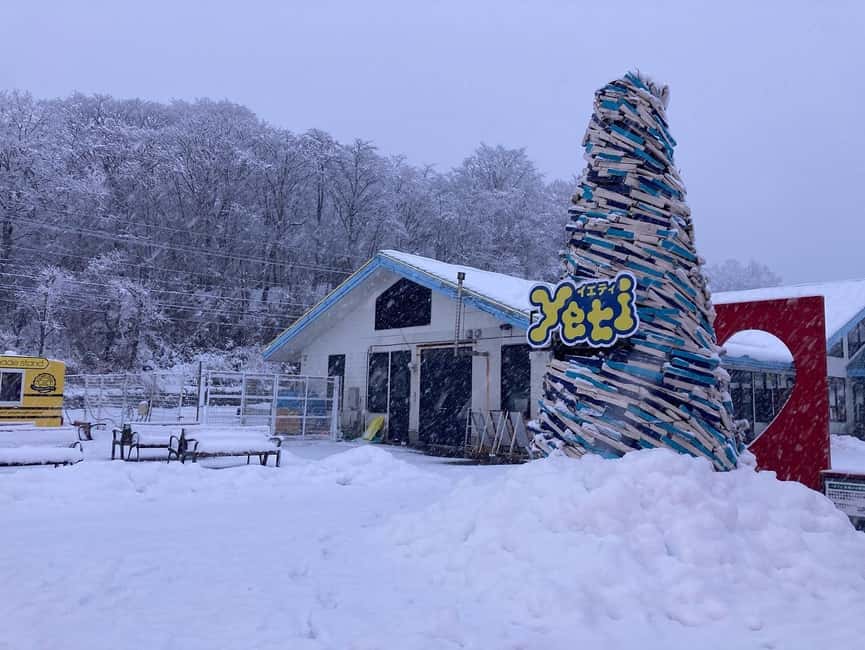
Reviewed · WINTER ACTIVITIES
From Tokyo : Fujiyama Snow Resort Yeti Day Tour
Mount Fuji is the star of this snow day, but the real appeal is simple: you can leave central Tokyo in the morning, learn basic skiing with an instructor, and return that evening without arranging your own transport. The six hours at Yeti give beginners time to learn, practice, and enjoy the snow rather than rush through a short lesson.
In This Article
- Key Points
- Why Yeti Works as a Tokyo Snow Day
- Meeting at Tokyo Mode Gakuen at 7:45
- The 2.5-Hour Ride From Tokyo
- Six Hours at Fujiyama Snow Resort Yeti
- The Two-Hour Lesson and Group Size
- Equipment, Ski Clothing, and the Important Fine Print
- Is $164 Good Value From Tokyo?
- Winter Temperatures and What the Weather Means
- Who Should Book This Snow Resort Day
- Should You Book Fujiyama Snow Resort Yeti?
- FAQ
- Where does the tour meet in Tokyo?
- What time should I arrive?
- How long is the bus ride to the resort?
- Does the price include ski equipment and lift access?
- Are ski clothing, goggles, and gloves included?
- Is snowboarding instruction available?
I like the included ski equipment and lift ticket, which remove two common costs at a Japanese ski area. I also like the clear meeting point at Tokyo Mode Gakuen and the help of guides such as KO, who carefully supported a January 2025 group in simple English. The main caution is important: the details conflict on ski clothing. One section lists ski suits as included, while repeated notes say jackets, pants, goggles, gloves, and other clothing are not included, so confirm this before paying.
Key Points
- Mount Fuji views: Ski with Japan’s most famous peak nearby, weather permitting.
- Six hours on the snow: You have time for a two-hour lesson and independent practice.
- Beginner-friendly setup: The resort has a 1,300-meter beginner slope and three lifts.
- Transport from Tokyo: Meet at Tokyo Mode Gakuen at 7:45 a.m. for the 8:00 departure.
- Gear is included: Skis and lift access are covered, but accessories and possibly ski clothing are extra.
Why Yeti Works as a Tokyo Snow Day
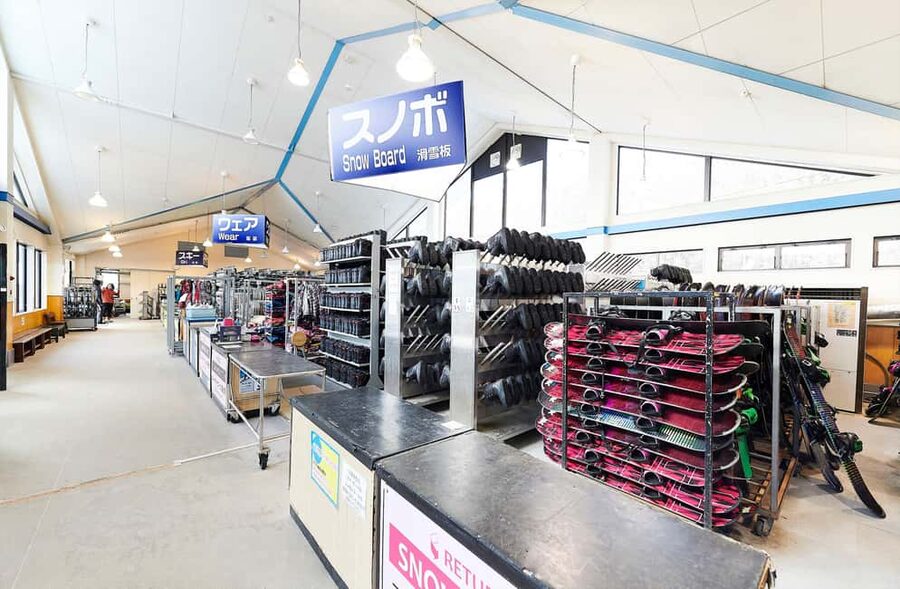
Fujiyama Snow Resort Yeti sits on Honshu at an elevation ranging from 1,300 to 1,450 meters. It is a compact resort, with three ski slopes totaling 3 kilometers and three lifts. That size is useful for a first day because you are not dealing with a huge network of runs or long transfers between areas.
The setting is the big draw. You get alpine scenery and views toward Mount Fuji, although clear views depend on the weather. Snow conditions, cloud cover, and visibility can change quickly in the mountains, so I would treat the Fuji view as a valuable bonus rather than a guarantee.
The resort has one beginner slope listed at 1,300 meters, an intermediate slope of 1,450 meters, and an advanced run of 3 kilometers. The available information does not describe the runs in detail, so I would not book this as a serious destination for expert skiers seeking a full day of varied terrain. For a first lesson and gentle practice, though, the compact layout makes sense.
One detail matters greatly: the group lesson is for skiing only, not snowboarding. The general description mentions skiing or snowboarding, but the specific conditions say the included group instruction focuses only on skiing. If snowboarding is your goal, ask the operator before booking rather than assuming the same lesson applies.
A few more Tokyo tours and experiences worth a look
Meeting at Tokyo Mode Gakuen at 7:45
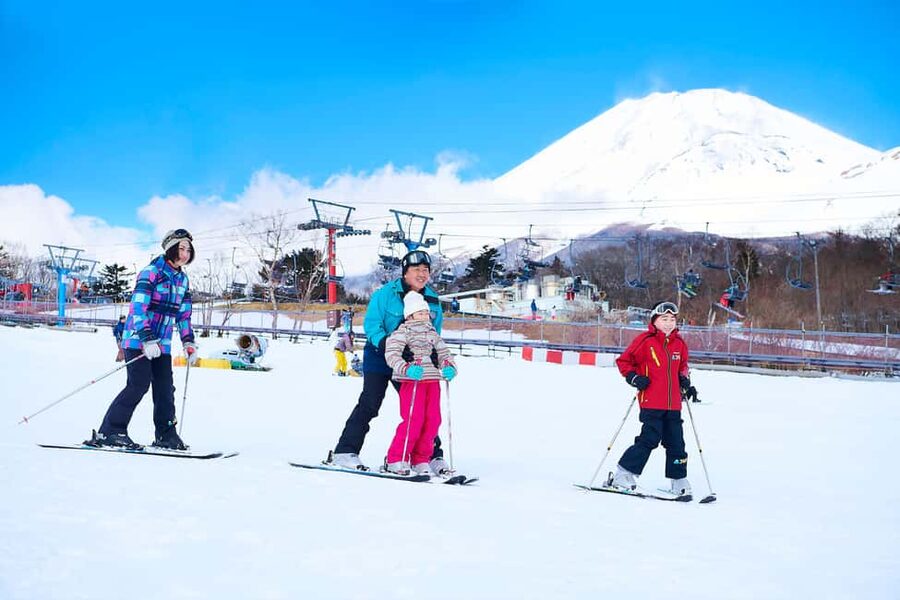
The day begins at Tokyo Mode Gakuen, a practical meeting point near Shinjuku. You can reach it from the Shinjuku West Exit on the JR Line or from Nishi-Shinjuku Station on the Marunouchi Subway Line.
Look for the guide holding an EASYGO flag. The meeting time is 7:45 a.m., with departure scheduled for 8:00. I would arrive early, especially if you are carrying winter gear or navigating Shinjuku for the first time. A late arrival could be a serious problem on a fixed bus departure.
The location is not hotel pickup. You need to make your own way there, and the tour does not provide hotel drop-off at the end. That is easy enough for visitors staying near Shinjuku, but it adds time and planning if your hotel is in another part of Tokyo.
The guide languages are English and Chinese. The guide helps coordinate the day, while ski instruction is handled by a professional instructor. One instructor serves roughly 10 participants, with instruction adjusted to the group’s preferences. That ratio is reasonable for a basic introduction, but it is not private coaching. If you need close, one-to-one correction, you may find the group format limited.
The 2.5-Hour Ride From Tokyo
The bus ride to Yeti takes about 2.5 hours each way. This is a major part of the day, but it is also what makes the trip practical for someone who does not want to arrange trains, buses, equipment, and a resort visit independently.
You can settle in after leaving Tokyo and let the tour handle the route. The tradeoff is time. A six-hour resort visit requires roughly five hours on the bus, so this is a long day with an early start and evening return.
The scenery becomes more interesting as the bus leaves the city, and the approach toward the Mount Fuji area gives the trip a clear sense of purpose. Still, I would bring water, snacks, and anything you need for a comfortable ride. Meals and personal expenses are not included.
The bus returns to Tokyo Mode Gakuen after the snow session. Since the return journey also takes about 2.5 hours, avoid making an important evening reservation that cannot be changed. The schedule can shift, and final arrangements may change as needed.
Six Hours at Fujiyama Snow Resort Yeti
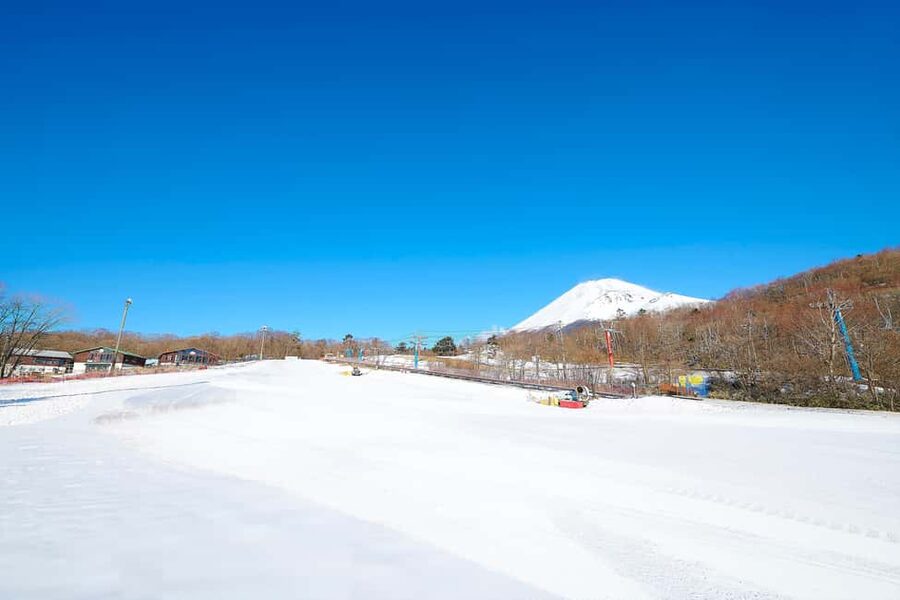
You have about six hours at the resort. That time includes the two-hour ski lesson, equipment arrangements, lift use, and your own practice.
For a first-time skier, six hours is much better than a quick introductory session. You can learn the basic movements, try them on a gentle slope, take a break, and return to practice without feeling that every minute is being rushed. The lesson should focus on fundamentals, while the remaining time gives you a chance to repeat them.
The resort’s beginner slope is listed at 1,300 meters. That does not mean every section will feel equally easy, but it gives beginners a meaningful area in which to build confidence. The three lifts help move skiers uphill, and the included lift ticket means you do not have to pay separately for each run.
I like this arrangement for someone who wants to say I tried skiing in Japan without committing to a multi-day ski holiday. You get enough time to learn the basic rhythm of the sport and enjoy the setting. You should also keep your expectations sensible. The resort has only 3 kilometers of total slope length, so advanced skiers may run out of variety.
The Two-Hour Lesson and Group Size
The included lesson lasts two hours and is taught by a professional instructor. The group size is around 10 people per instructor, and the lesson is adjusted to the group’s preferences.
That arrangement is most useful for beginners. You will have an instructor to explain the fundamentals rather than trying to work everything out from a rental counter or a few online tips. The lesson also gives the day some structure, which helps if you have never used ski equipment before.
The limit is personal attention. Ten students can have different levels of fitness, balance, and confidence. If one person needs extra help, the group may move more slowly. If you already ski comfortably, the lesson may cover material you know.
Guide KO received especially strong praise for explaining everything clearly in simple English, staying attentive, and looking after the whole group. That is a useful detail for first-timers who worry about communication. Guide quality can vary by departure, but English and Chinese support is part of the advertised service.
Although the main activity description includes snowboarding, the group lesson itself is only for skiing. I would choose this tour for a beginner skier, not for someone specifically seeking snowboard instruction.


Equipment, Ski Clothing, and the Important Fine Print
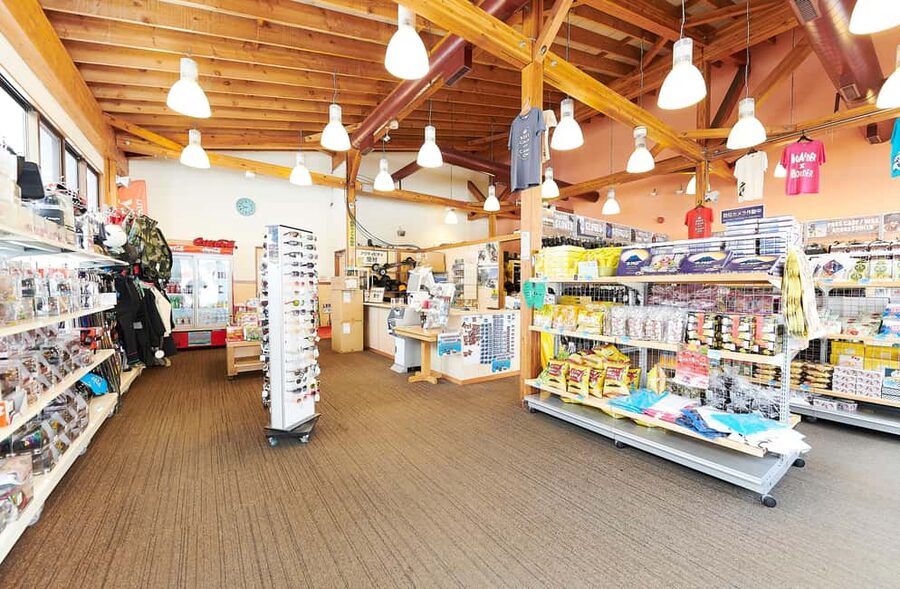
The package includes ski equipment rental and ski lift access. That normally makes the $164 price easier to understand, since these are costs you would otherwise arrange and pay for at the resort.
The clothing information needs careful attention. The included list says ski suits are covered, but the detailed notes repeatedly say ski clothing rental is not included. They name jackets, pants, goggles, gloves, and similar items as separate costs or items you must bring yourself.
Because of that contradiction, do not arrive assuming a full ski outfit is waiting for you. Bring warm snow clothing if you have it, or confirm the current rental arrangement with the provider before departure. At minimum, plan for warm layers, waterproof outer clothing, gloves, a hat, and goggles or eye protection. The stated packing advice also includes comfortable shoes and sunscreen.
Sunscreen is not overkill here. Snow can reflect strong light, and Mount Fuji’s higher setting can feel colder and brighter than Tokyo. You should also avoid wearing ordinary city clothes as your only protection. Wet trousers and thin gloves can turn an enjoyable first lesson into a miserable afternoon.
The tour does not include meals, personal expenses, or accessories such as goggles, gloves, and hats. Pets, smoking, alcohol, and drugs are not allowed.
Is $164 Good Value From Tokyo?
At $164 per person, this is not a cheap sightseeing outing. It becomes more reasonable when you add up the round-trip coach, resort entrance, lift ticket, ski equipment, and two-hour lesson.
You are paying for convenience as much as for skiing. The bus removes the need to work out the route, the resort handles the equipment, and an instructor gives you a starting point. For a first visit to a Japanese snow resort, those practical benefits can be worth more than saving a little money through independent planning.
The value is weaker if you already own equipment, know how to ski, and can arrange transport yourself. Experienced skiers may prefer a larger resort with more runs and greater freedom. Yeti’s 3 kilometers of slopes are enough for learning and casual practice, but not designed as a major multi-day ski destination.
You should also budget for clothing and accessories until the operator confirms otherwise. The possible extra cost for a ski jacket, pants, gloves, goggles, and other items could change the total price. This is the single biggest point to settle before booking.
Winter Temperatures and What the Weather Means
Yeti’s listed average temperatures range from 0°C in December to minus 3°C in January, minus 2°C in February, and 2°C in March. These figures are averages, so actual conditions can vary.
January and February are the coldest months, making warm clothing especially important. March may feel slightly easier for standing around and learning, but snow conditions are not guaranteed by the month alone. The view of Mount Fuji also depends on cloud and visibility.
The resort’s elevation is moderate rather than extreme, but you are still spending hours outdoors in winter. Wear layers that you can adjust, and protect your hands and feet. The advice to bring comfortable shoes matters during the parts of the day spent walking around the resort or handling equipment.
The tour promises scenery, not a guaranteed clear view. On a bright day, the combination of snow and Fuji can be memorable. On a cloudy day, the skiing remains the main activity.
Who Should Book This Snow Resort Day
I would recommend this trip to:
- First-time skiers who want an instructor and a gentle starting point
- Visitors staying in or near Shinjuku
- People who want a full winter day without organizing transport
- Skiers who value Mount Fuji scenery more than a large choice of runs
- English or Chinese speakers who want guide support
I would think twice if you are an advanced skier seeking challenging terrain. The resort’s compact size may feel restrictive after a few runs.
I would also avoid booking if you want snowboard instruction, since the group lesson is specifically for skiing. Pregnant people, wheelchair users, people over 60, and people with a cold are listed as unsuitable for the activity. The age restriction is unusually specific, so anyone near that limit should ask for clarification before booking.
One operational warning deserves attention. A booking dated January 31, 2026 records that the bus or tour did not show up, with a full refund then provided. That is a serious reliability concern, even though another booking praised the day as safe, convenient, and fun. I would keep confirmation details handy and avoid scheduling a nonrefundable evening activity after the planned return.
Should You Book Fujiyama Snow Resort Yeti?
Book it if you want a straightforward first ski day from Tokyo, value included equipment and a lesson, and like the idea of practicing near Mount Fuji. The long bus ride is the price of convenience, but the six hours at the resort give beginners a fair chance to learn.
Before paying, confirm two things: what ski clothing is actually included and that the departure is operating on your chosen date. If those details are settled, this is a practical introduction to Japanese skiing, especially for a beginner who wants help rather than a complicated independent trip. If you are an experienced skier or snowboarder, spend the money elsewhere.
FAQ
Where does the tour meet in Tokyo?
You meet at Tokyo Mode Gakuen. The guide holds an EASYGO flag. You can reach the meeting point from the Shinjuku West Exit on the JR Line or from Nishi-Shinjuku Station on the Marunouchi Subway Line.
What time should I arrive?
The meeting time is 7:45 a.m., and the bus departs at 8:00 a.m. Hotel pickup is not included, so you must reach Tokyo Mode Gakuen yourself.
How long is the bus ride to the resort?
The bus ride takes about 2.5 hours each way. You spend about six hours at Fujiyama Snow Resort Yeti before returning to Tokyo.
Does the price include ski equipment and lift access?
Yes. The package includes ski equipment rental, the ski lift ticket, and the resort entrance fee.
Are ski clothing, goggles, and gloves included?
The information is inconsistent about ski suits, so you should confirm this before departure. The detailed notes say ski clothing rental is not included, and accessories such as goggles, gloves, and hats are excluded.
Is snowboarding instruction available?
No. The group lesson focuses only on skiing. The general activity description mentions skiing or snowboarding, but the specific conditions identify the included lesson as skiing only.
More Winter Activities in Tokyo


More tours in Tokyo we've reviewed












Winter Activities, compared.
 ★ 4.6From Tokyo: Snow Monkey 1 Day Tour with Beef Sukiyaki LunchFrom $1511 day
 ★ 4.7From Tokyo: Private Tour Snow Monkey Park & Zenko-ji TempleFrom $4451 day
 ★ 4.7Tokyo: Snow Monkey Park and Zenkoji Temple Private Day TourFrom $4641 day
 ★ 4.5Nagano Snow Monkey 1 Day Tour with Beef Sukiyaki Lunch from TokyoFrom $151
 ★ 4.7Nagano Tokyo: Snow Monkey Private Day Tour Hotel Pick & DropFrom $45510 hours
 ★ 4.9From Tokyo/Nagano: Luxury Snow Monkey Private Full-Day TourFrom $537