Reviewed · AKIHABARA & ANIME TOURS
Akihabara Free for Kids Anime Eats and Games With A Guide
Akihabara is much more than flashing signs and shelves of manga. With a guide, you can connect the district’s anime shops, gaming halls, maid café culture, local food, and quiet shrine corners in one well-packed outing. I especially like the small group limit of eight and the chance to choose restaurants around your tastes.
In This Article
- Key points to know before booking
- Starting at Akihabara Station
- Akihabara Radio Kaikan and the collector’s side of town
- Kanda Shrine, a quiet change of pace
- Maidreamin and the maid café introduction
- Animate Akihabara and the larger anime selection
- GiGO Akihabara 5 and hands-on game time
- Kanda River and the final walk
- How the food program affects the value
- What the small group changes
- Best for families, first visits, and curious fans
- Practical details that affect your day
- Should you book the Akihabara food and anime tour?
- FAQ
- Where does the tour start and finish?
- How long does the experience last?
- Which languages are available?
- How many people can join the group?
- Is food included?
- Is the maid café included?
I also like that the tour gives you more than shopping time: you get a maid café drink, local snacks, lunch at three restaurants, and a visit to Kanda Shrine. The main consideration is pace. Four hours can feel short when food is plentiful, and the $157 price makes the tour best value for people who want guided access and a broad introduction rather than a simple walk around town.
Key points to know before booking
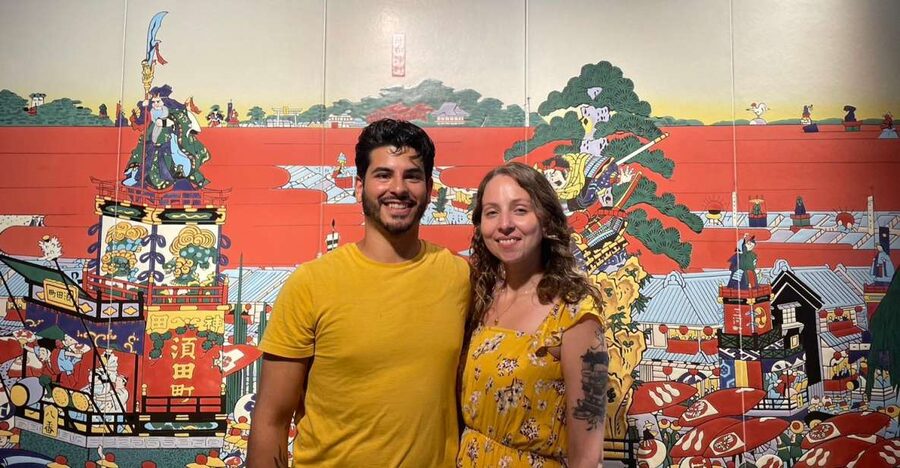
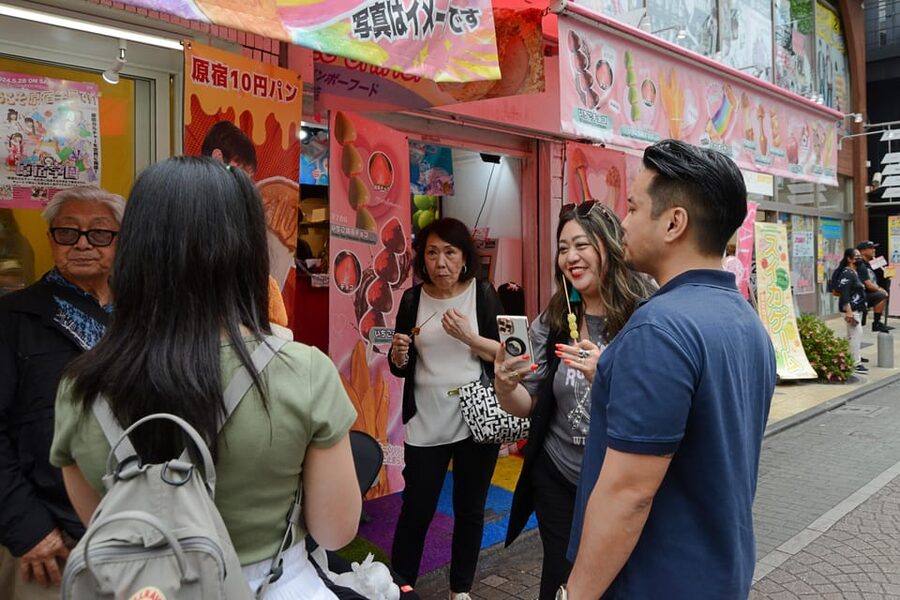
- Three restaurants in four hours: Food is built into the tour, with choices tailored to your tastes and one lunch drink included.
- A real Akihabara mix: You visit anime shops, a gaming hall, a maid café, Kanda Shrine, and the Kanda River.
- Guides who personalize the day: Hiromi, Yumi, Midoko, and Adam are named in the feedback, with special attention to interests and occasions.
- Maid café entry is included: You receive entrance and one drink, with alcoholic drinks available at an extra cost.
- Limited to eight people: The small group should make it easier to ask questions and shape the food and shopping stops.
- The price favors food-focused visitors: At $157 per person, the value depends on how much you eat and how much help you want navigating Akihabara.
Starting at Akihabara Station
The tour begins and ends at Akihabara Station, which keeps the meeting point practical. You do not have to arrange hotel pickup, and transportation to or from the individual attractions is not included, so plan to reach the station on your own.
Akihabara can feel like several districts stacked together. One block may focus on electronics, the next on figures and trading cards, and another on games, manga, or cosplay culture. A guide helps turn that jumble into a story instead of leaving you to guess which building fits your interests.
That matters most on a first visit. You can spend hours browsing without finding the stores that match your taste. Tell your guide if you care most about manga, video games, cards, collectibles, electronics, or food. The named guides include Hiromi, Yumi, Midoko, and Adam, and the feedback gives useful signs of the guiding style: personal interests, conversation, special occasions, and food preferences receive attention.
A few more Tokyo tours and experiences worth a look



Akihabara Radio Kaikan and the collector’s side of town
The first listed stop is Akihabara Radio Kaikan, with about 30 minutes for guided touring and shopping. This is a useful opening because it introduces the district’s collector culture early, before the tour moves into food and entertainment.
You might find shelves filled with manga-related goods, figures, cards, and other character items. The exact shops and products can change, so do not arrive with the expectation of one guaranteed purchase. Instead, use this stop to tell your guide what catches your eye.
Thirty minutes is enough for an orientation and a quick look, but it is not a long shopping session. If you spot something you want, ask about the price and whether a later stop offers more time. The tour has several scheduled sections, so serious collectors should not expect to browse every floor at leisure.
This is also where the guide’s value becomes clear. Akihabara’s stores can be highly specialized. A guide who understands your interests may save you from spending your limited time in shops that do not suit you.
Kanda Shrine, a quiet change of pace
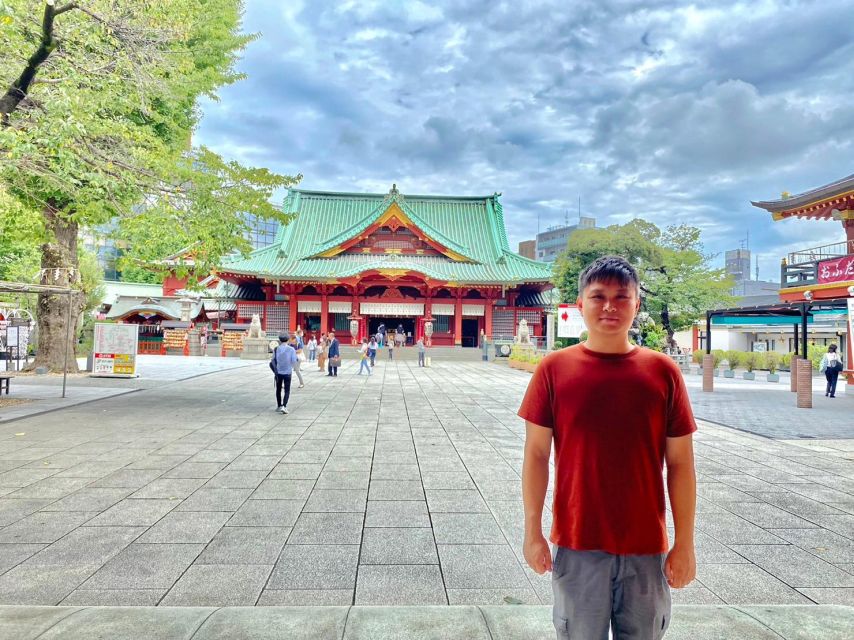
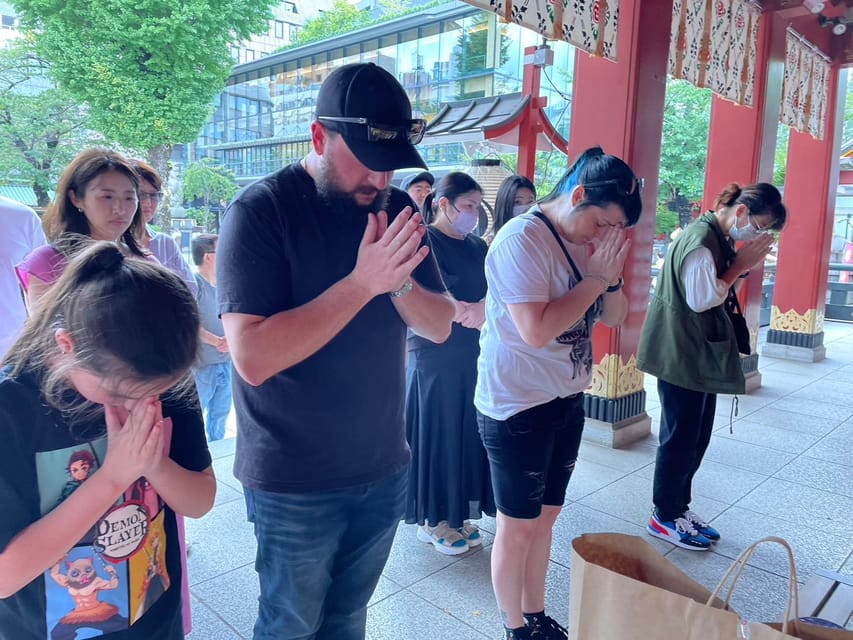
After the electric energy of the shopping district, the tour visits Kanda Shrine for about 30 minutes. This contrast is one of the best features of the route. You get a traditional religious site without leaving the Akihabara area for a separate half-day excursion.
The shrine is described as one of Tokyo’s beautiful, less obvious shrine stops. It gives you time to look beyond the district’s pop-culture image and see a different part of local life. You can expect sightseeing and guided explanation rather than a long formal ceremony or extended visit.
Half an hour is a sensible amount of time here. It lets you see the grounds and take photographs, while keeping the tour focused on Akihabara. I would treat this as a reset between shopping stops, not as the main attraction for a visitor whose top priority is shrine architecture.
It is also a helpful stop for families. Children who need a break from stores and screens get an open-air cultural pause, while adults gain a little context about the area.
Maidreamin and the maid café introduction

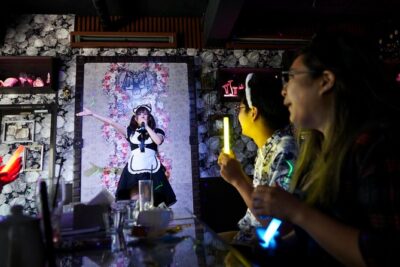
The Maidreamin stop on Akihabara’s Idol-dori lasts about 30 minutes and includes entrance plus one drink. A dance show is listed as part of the visit, giving you a short introduction to one of Akihabara’s most famous forms of themed entertainment.
If you have never visited a maid café, this can be the most unfamiliar part of the afternoon. The appeal is not simply the drink. It is the playful service style, costumes, performance, and carefully created character world. You do not need to be an anime expert to understand what makes the setting distinctive.
A guide is especially useful here because the format may feel confusing at first. One guide, Hiromi, arranged a special message from the maid staff for a couple celebrating a wedding anniversary. That detail shows how the experience can become more personal when you tell the guide about a special occasion in advance.
The stop is short, so think of it as a sample rather than a full evening at a maid café. One drink is included. Alcohol is not included, though it can be purchased. If you are uncomfortable with performance-based venues, this is the part of the tour to consider carefully.
Animate Akihabara and the larger anime selection

The tour then allows about 45 minutes at Animate Akihabara. This is the longest dedicated anime-store visit in the schedule, and it should appeal to anyone who wants a broad look at manga and character merchandise.
You can browse at a more relaxed pace than at the opening stop, though 45 minutes still passes quickly in a large store. The visit works well for people who want to compare products, learn what different sections offer, or get help finding a particular series.
A guide can also explain the difference between browsing for souvenirs and shopping for serious collectibles. If you are buying manga, games, cards, or character goods, set a spending limit before the tour. Akihabara makes small purchases easy, and several shop stops can quickly turn into a heavy bag.
The food schedule matters here. Since meals and snacks are spread through the experience, you may not want to shop for edible souvenirs too early. Keep room in your bag and your appetite for the later stops.
Other guided tours in Tokyo




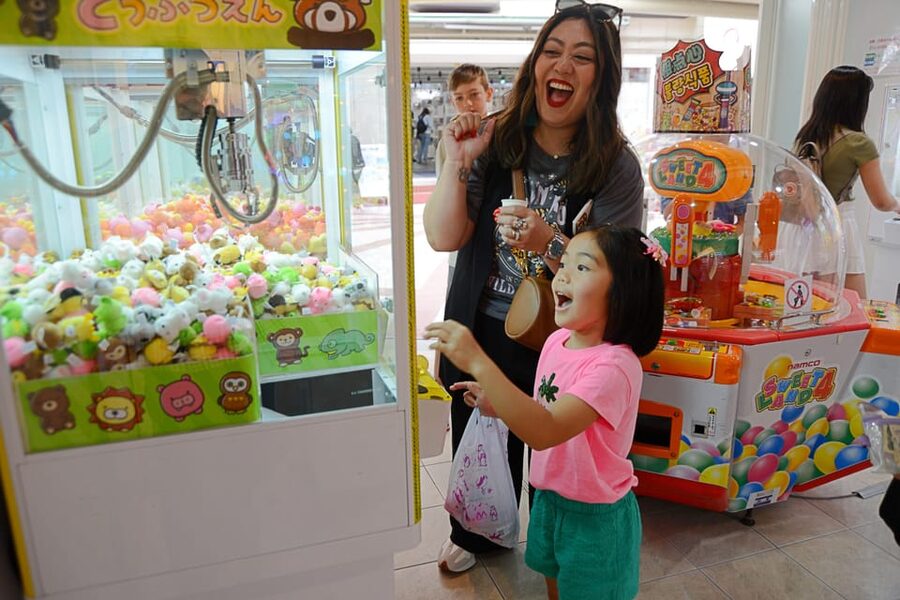
GiGO Akihabara 5 and hands-on game time
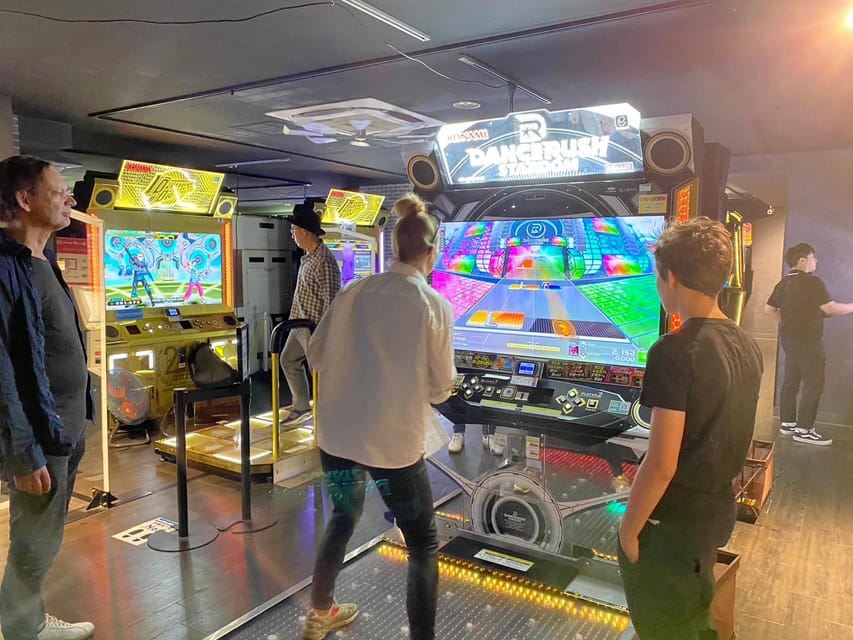
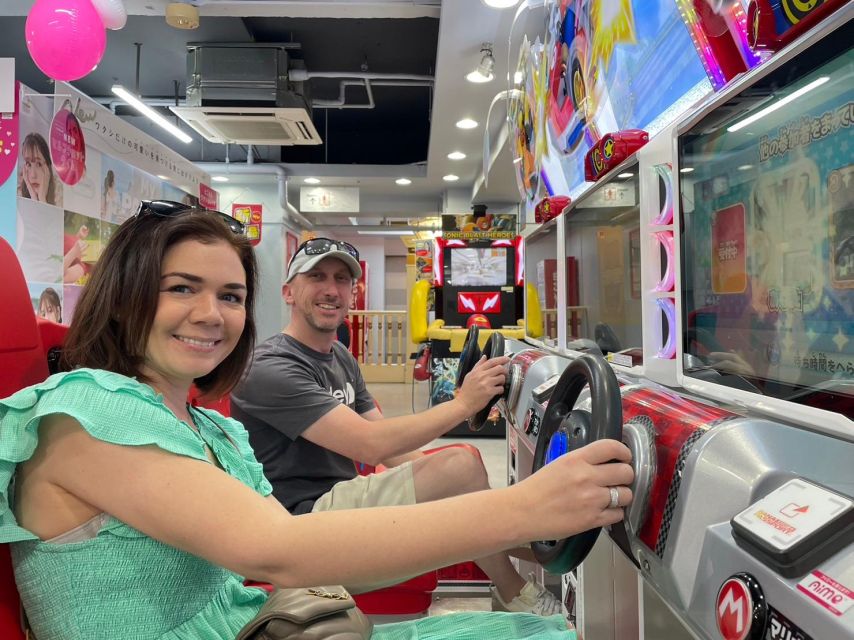
The 45-minute visit to GiGO Akihabara 5 adds play to the shopping. This is more than looking at shelves. You can expect time in a major gaming venue, with the chance to play some games during the tour.
One guest singled out the gaming hall as a highlight, and that makes sense for families, couples, and anyone who wants to do something rather than simply browse. It also gives the tour a useful rhythm: shopping, culture, café entertainment, anime merchandise, then active game time.
The exact games available can change, so do not book this expecting one particular machine or title. The value comes from having a guide lead you into the gaming side of Akihabara and help you use the stop well.
Forty-five minutes is enough to try a few things, but not enough for a long arcade session. If gaming is your main reason for visiting Akihabara, you may want extra free time in the district after the tour.
Kanda River and the final walk
The final listed stop is the Kanda River, with about 30 minutes for a visit, guided tour, and sightseeing. This gives the afternoon another change of mood after the bright stores and gaming hall.
A river stop may not sound as dramatic as anime shopping, but it helps you see Akihabara as a real Tokyo neighborhood rather than a sealed-off entertainment zone. It is a calmer way to finish, and the guide can connect the district’s commercial energy with its surrounding streets.
The route returns to Akihabara Station. Keep the end point in mind if you plan dinner, shopping, or another reservation afterward. The tour is scheduled for four hours, but food stops and personal interests can affect how much time you spend at the last section.
How the food program affects the value
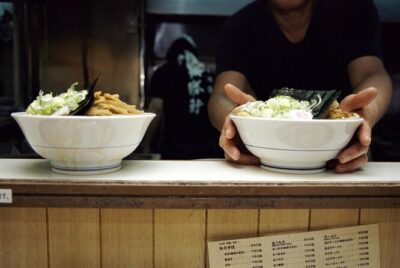
Food is not a side note here. The package includes various local snacks, one lunch drink, and visits to three different restaurants chosen around your taste. That is a lot of eating for a four-hour activity.
The restaurant format is a strong reason to choose this tour if you want help ordering or prefer sampling several places instead of committing to one long meal. Yumi, for example, adjusted restaurant choices around a guest’s interests. That kind of tailoring can be more useful than a fixed food route.
You should also arrive ready for a substantial amount of food. One guest became so full that the final stop was skipped. That is not necessarily a fault, but it shows the tradeoff: three restaurants can offer variety and generous portions, yet may leave less energy for shopping and games.
The $157 price per person is easier to justify if you plan to eat well, use the guide’s local knowledge, visit the maid café, and want help finding anime and gaming stops. It is less attractive if you intend to eat lightly, avoid themed entertainment, or spend most of your time shopping alone.
Alcohol costs extra. The included drink is not a general bar allowance, so budget separately if you want alcoholic beverages.
What the small group changes
The group is limited to eight people, which is a practical middle ground. You get more social energy than on a private tour, but the guide should still be able to hear your questions and respond to different interests.
That matters in Akihabara because a group may include an anime fan, a gamer, a parent with children, and someone mainly interested in Japanese food. The tour is not built around one narrow theme. A good guide needs to balance those priorities, and the named guides have been praised for doing so.
The small group also helps with special requests. Hiromi arranged an anniversary message and a manga gift for one couple. You should not assume every personal request can be arranged, but it is sensible to tell the operator about an occasion when booking.
Best for families, first visits, and curious fans
The title says the experience is free for kids, but the supplied details do not explain the age limits or child pricing rules. Confirm that point before paying. The mix of games, snacks, colorful stores, and a maid café should appeal to older children and teenagers, though parents should decide if the café’s performance style suits their family.
I see this tour as especially useful for:
- First-time visitors to Akihabara who want direction instead of random browsing
- Anime and manga fans who want several store types in one outing
- Families looking for food and activities rather than shopping alone
- Couples who want a themed experience and can share restaurant choices
- Visitors who want to try a maid café with a guide nearby
- People who value conversation and tailored stops over a fixed sightseeing script
It may be less suitable for a serious collector who wants hours in one shop, or for a visitor who dislikes scheduled food stops. You may also find the pace tiring if you prefer a slow lunch and long, unhurried shopping.
Practical details that affect your day
The experience lasts four hours and is offered with live guiding in English or Japanese. The starting times vary, so check availability before choosing your day.
Free cancellation is available up to 24 hours before the start for a full refund. You can also reserve now and pay later, which helps if your Tokyo schedule is still shifting.
There is no hotel pickup or drop-off. You are responsible for reaching Akihabara Station and for any transport to or from attractions. Since the route is centered in Akihabara, the station meeting point keeps the plan simple, but allow enough time to arrive without rushing.
The published rating is 5 out of 5 from four verified bookings. The strongest praise centers on three things: the food, the guides’ personal attention, and the mix of anime, gaming, and maid café culture. The sample is small, so I would treat that rating as encouraging rather than proof that every group will have the same day.
Should you book the Akihabara food and anime tour?
Book it if you want Akihabara explained by a local guide, with food, shopping, games, a maid café, and a shrine all in one compact outing. The best value comes when you take full advantage of the three restaurants, included snacks, maid café drink, and personalized route.
Think twice if you want a cheap orientation walk or several uninterrupted hours for your own shopping. At $157, this is a full experience rather than a basic neighborhood tour. For families, first-time visitors, and anime fans who also want to eat well, it offers a convenient way to see many sides of Akihabara without having to plan each stop yourself.
FAQ
Where does the tour start and finish?
The tour starts at Akihabara Station and returns to Akihabara Station at the end.
How long does the experience last?
The tour lasts four hours.
Which languages are available?
Live guiding is available in English and Japanese.
How many people can join the group?
The group is limited to eight participants.
Is food included?
Yes. The experience includes local snacks, a drink with lunch, and visits to three different restaurants tailored to your taste.
Is the maid café included?
Yes. Maid café entrance and one drink are included. Alcoholic drinks are available to purchase separately.
More Guided Tours in Tokyo
More Akihabara & Anime Tours in Tokyo



More tours in Tokyo we've reviewed





Akihabara & Anime Tours, compared.
 ★ 5.0Official Street Go-Kart Tour – AkihabaraFrom $61
 ★ 5.0Tokyo Go Kart: Asakusa, Skytree, and Akihabara **IDP MUST**From $99
 ★ 4.5Tokyo Studio Ghibli Museum and Ghibli Film Appreciation TourFrom $193
 ★ 5.0Akihabara Anime & Game Adventure Walking Tour (Group or Private)From $90
 ★ 4.6Asakusa/Tokyo Bay & Akihabara Go Karting ToursFrom $70
 ★ 4.8Akihabara: Private Anime and Pop Culture TourFrom $953 hours