Reviewed · TICKETS
Tokyo: Robot Piloting Attraction Ticket
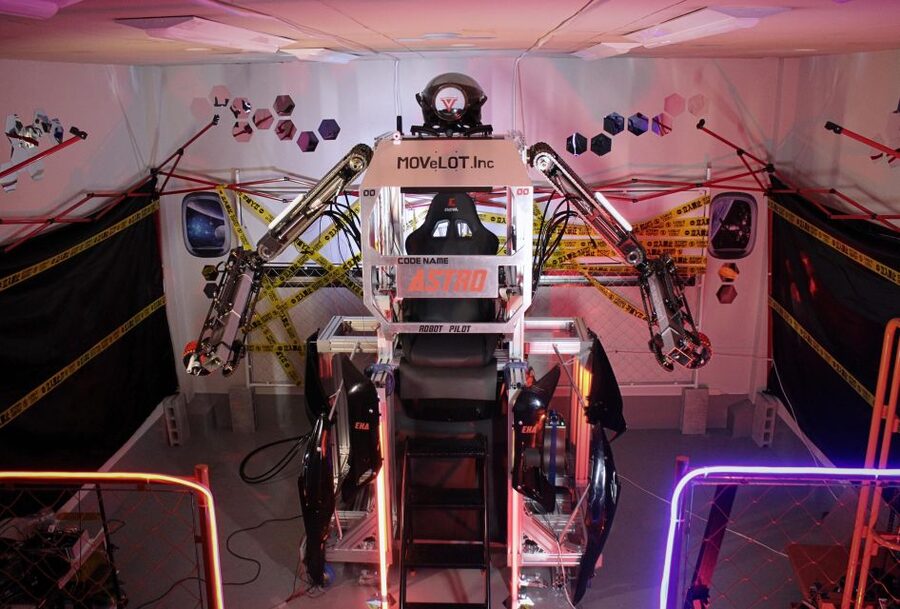
Tokyo’s Robot Base Lab lets you do something rare: sit inside a human-piloted robot prototype and operate it yourself. The story casts you as a new pilot defending a remote base from alien attackers, with VR shooting games and robot programming adding to the mission.
In This Article
- Quick take: what makes this Robot Base visit special
- Entering MOVeLOT’s Robot Base in Ryogoku
- A compact session with three different kinds of play
- VR shooting games
- Programming a mini robot
- Piloting ASTRO, the main event
- The human side of a developing robot project
- Is $32 a good value?
- Who should book, and who should skip it
- A practical plan for your visit
- How it fits into a Tokyo day
- Should you book Tokyo’s Robot Piloting Attraction?
- FAQ
- Where is the Robot Piloting Attraction in Tokyo?
- How long does the experience last?
- How many people can join a group?
- Can the robot walk?
- What activities are included?
- Is English instruction available?
- Who cannot take part?
- What should I bring?
I like the mix of real hardware and playful fiction, and I like meeting a small team that is still developing its machine rather than presenting a polished theme-park ride. The main drawback is simple: ASTRO is an early prototype, so you can move only its arms and fire its blasters. Your actual piloting time is about 10 minutes.
Quick take: what makes this Robot Base visit special
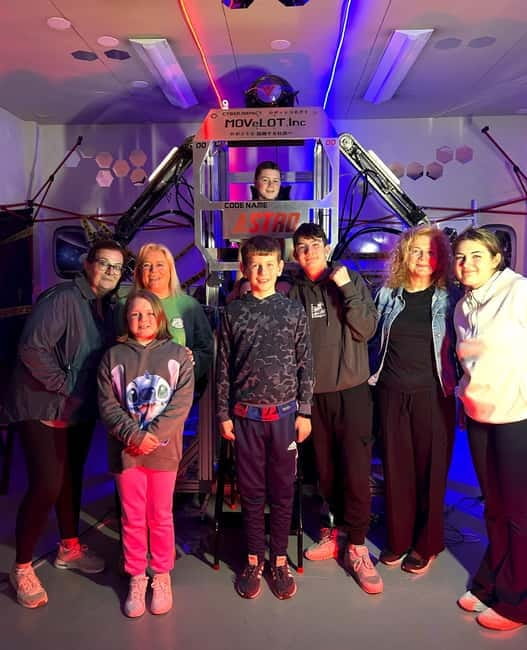
- ASTRO is a real human-piloted robot prototype, not only a screen-based simulator.
- Tomo and the team guide you in English or Japanese, with clear help during each activity.
- Three types of play may be included: VR shooting, mini-robot coding, and piloting ASTRO.
- Small groups are limited to four people, although groups larger than three may receive less time at the controls.
- The robot has no working legs, since they have been removed to fit inside the lab.
- Ryogoku access is easy, with a seven-minute walk from Toei Ryogoku Station and a 13-minute walk from JR Ryogoku Station.
Entering MOVeLOT’s Robot Base in Ryogoku
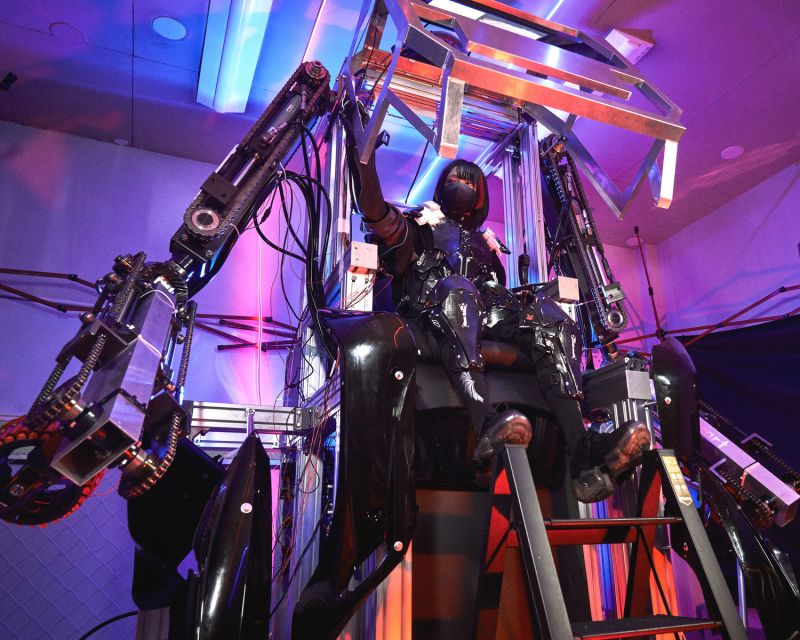
The facility is operated by MOVeLOT and sits in Tokyo’s Ryogoku area. Check in with the staff at Robot Base, also identified as MOVeLOT Inc. The walk takes about seven minutes from the A3 exit of Toei Ryogoku Station on the Oedo Line, or about 13 minutes from JR Ryogoku Station.
That location matters because this is not a large amusement complex with a broad lobby and many backup activities. It is a working-style robotics facility with a compact setup. Arrive on time, since the 50-minute slot cannot be extended if you are late. There may not be a waiting area, so avoid arriving far ahead of your appointment unless you are happy to wait at a nearby cafe.
Once inside, the staff explain the scenario. You are not simply handed a controller and told to shoot targets. The lab becomes a base on another planet, and an enemy robot is on its way. Your task is to clear unidentified life forms around the hangar and prepare the prototype for the next attack.
That anime-style framing is part of the fun, especially if you enjoy giant robots, manga, video games, or science-fiction stories. It gives the short session a purpose. You are not just testing machinery. You are completing a mission.
A few more Tokyo tours and experiences worth a look



A compact session with three different kinds of play
The experience lasts about 50 minutes. The exact flow can vary, but the activities center on VR shooting games, programming a launch sequence, and operating ASTRO.
The variety is one of the strongest reasons to book. A person who is less interested in coding still has the VR games. Someone who has played plenty of VR still gets to handle a physical robot. Families can split their attention between building, screens, and the large machine.
The pace is fairly brisk. Staff provide a safety briefing and explain how the equipment works before you begin. The facility has limited room, so you need to listen carefully and pay attention to your surroundings when the robot moves.
VR shooting games
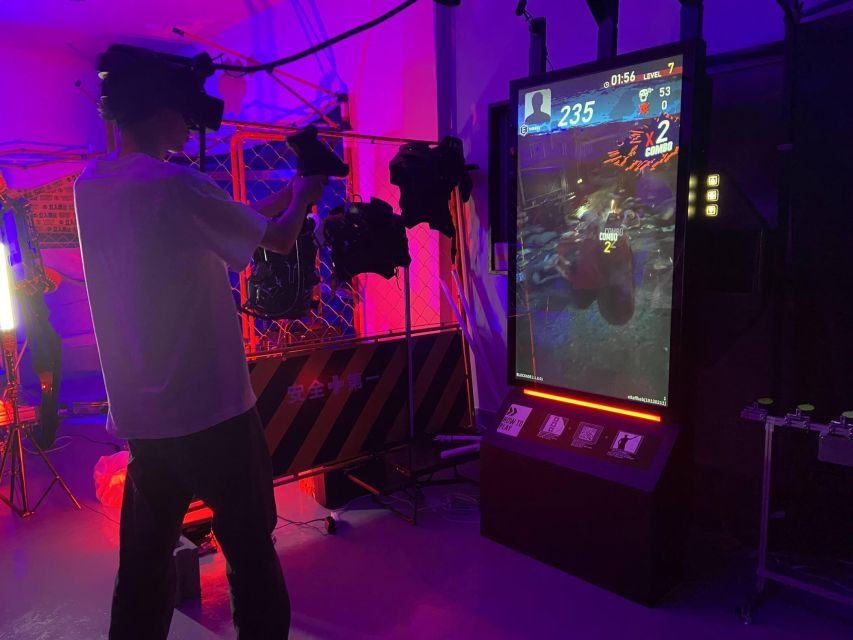
The VR section gives you a quick way to learn the mission and get comfortable with aiming. The supplied information refers to VR shooting games, and some sessions have included two VR games. One is described as a first-person shooting activity, while another uses lasers in a more unusual flying ride setting.
These games are not the main reason to book this activity, but they help build momentum. They also give younger participants something active to do while the staff prepare the robot controls. If you already play VR games at home, you may adapt quickly. If you are new to VR, the guides can help you get oriented.
The VR segment also shows the difference between a virtual robot fantasy and the physical ASTRO prototype. Screens can make you feel powerful at once. The real machine is slower, more limited, and more interesting for that very reason. You can see the gap between an imagined mecha and the engineering work needed to build one.
Programming a mini robot
The programming portion uses a small robot build described by one participant as a Lego Technic-style project. You assemble or adjust the mini machine, then put its controls together on a laptop.
This part may appeal most to children, families, and anyone curious about how commands become movement. It is not a full engineering course, but it gives you a hands-on look at the thinking behind robotics. You do not only press buttons. You help create a simple control system.
The mini robot can also make the experience work better for a mixed-age group. One person may be eager to pilot ASTRO, while another enjoys building and coding more. Parents should note that children under 11 are not permitted, but children who meet the age requirement can take part in the broader activities.
The activities are not purely decorative. The coding section helps explain why a large machine like ASTRO needs careful controls, clear instructions, and a pilot who understands the system.
Piloting ASTRO, the main event
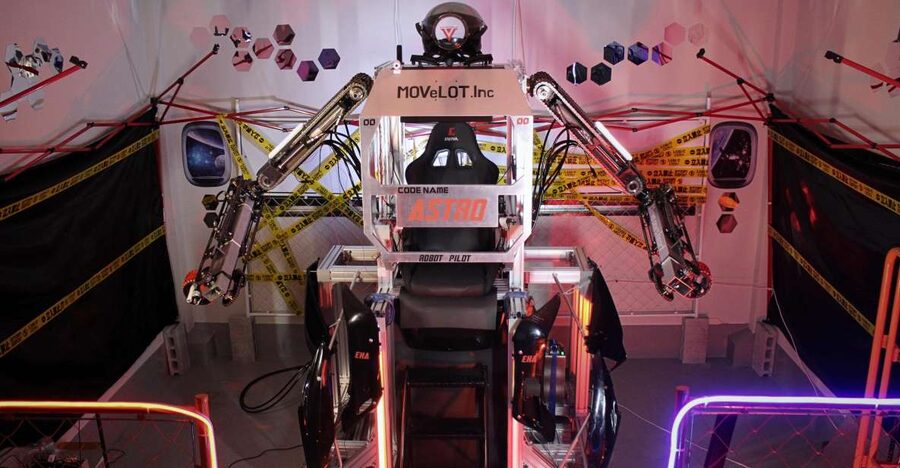
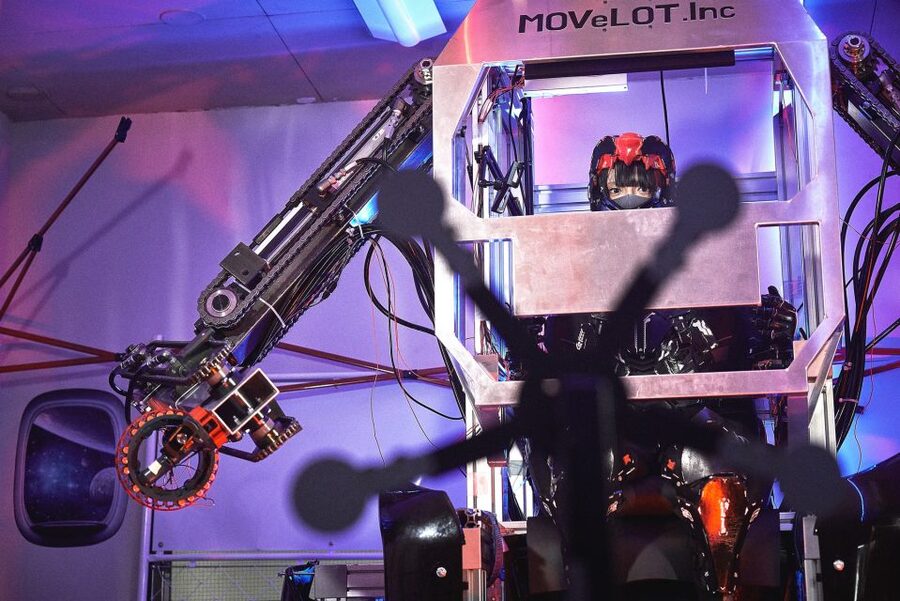
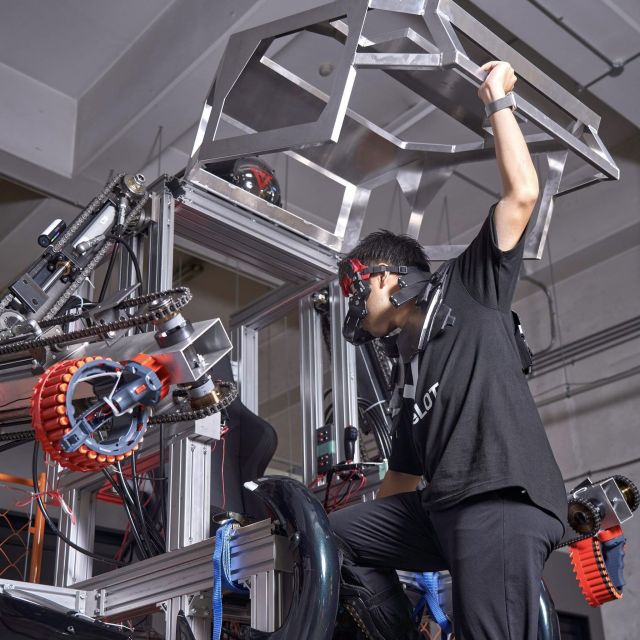
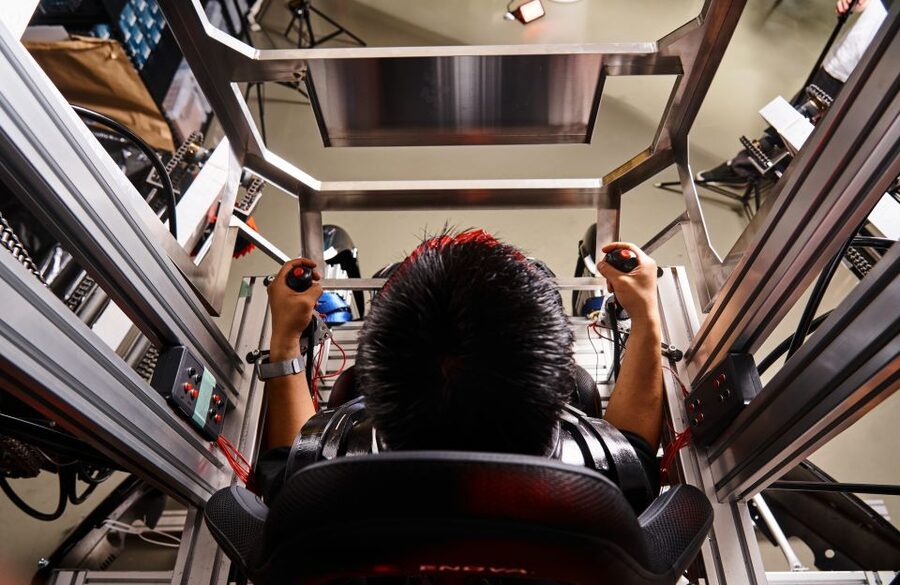
The highlight is the robot pilot experience. You enter the prototype and follow the staff’s instructions to activate it, aim its blasters, and move its arms.
The most important expectation is also the one most likely to prevent disappointment: ASTRO is still in the first phase of development. Its legs have been removed so the robot can fit in the lab, and the current system lets you move the arms and shoot. You are not walking a giant robot through Tokyo, and you are not operating every part of a finished combat machine.
That limitation does not make the experience pointless. In fact, it gives you a clearer sense of what a real prototype involves. The machine is being improved over time, and returning visitors may see new systems and added features. One repeat participant specifically noted changes between visits and the team’s continued work on the robot.
Your piloting time lasts about 10 minutes per person. With two or three people, that can feel like a fair chance to take the controls. If your group has more than three people, the operator warns that individual time may be shorter. This is an important point for families and groups of friends. The ticket price is per person, but the most memorable part is shared among a limited number of pilots.
The controls are described as easy to learn, and staff stay close while you operate the machine. Follow every instruction. This is a small room with equipment around you, so awareness matters as much as enthusiasm. Do not swing the arms casually or forget what is behind you.
The story helps you focus. First, you prepare the base. Then you activate the robot. Finally, you use the arm controls and blasters to deal with the threat. It is a short sequence, but it makes the 10 minutes feel like a complete mission rather than a demonstration.
A few more Tokyo tours and experiences worth a look




The human side of a developing robot project
The machine is the obvious attraction, but the people behind it give the visit more depth. Guides such as Tomo and Atsu explain the systems, the project’s background, and the ideas behind robotics, artificial intelligence, and mechatronics.
English and Japanese instruction is available. The English support is especially useful because the activity depends on understanding safety directions and control steps. Several sessions have been led by friendly, helpful hosts who take time to make the process clear.
I would not treat this as a formal research tour. The session is built for participation, not a long technical lecture. Still, you get a glimpse of the decisions involved in turning a science-fiction idea into a working machine. The team’s enthusiasm is part of the appeal. You can ask about the robot and see a project that is still changing.
That is also why this attraction feels different from a standard VR arcade. You are not only consuming a finished product. You are seeing an early machine and supporting a small robotics project while having fun with it.
Is $32 a good value?
At $32 per person, the value depends on what you want from a Tokyo activity. If you are paying only for 10 minutes inside the robot, the price may seem high. If you count the VR games, the mini-robot programming, the safety briefing, and the guided look at a live development project, the package makes more sense.
The 50-minute duration is long enough to feel like a proper appointment but short enough to fit around sightseeing in Ryogoku. There is no transportation included, so you need to make your own way to the facility. The station walks are manageable, but allow time to find the entrance and check in.
The small group limit helps. With no more than four participants, the staff can give direct attention. Still, do the math if you are bringing a large group. More than three people may mean less individual piloting time, and the robot itself is in a compact space.
I see this as a good-value specialty experience rather than a general Tokyo attraction. Robot fans, VR players, families with older children, and people interested in practical technology are likely to get more from it than someone seeking a long sightseeing tour.
Who should book, and who should skip it
You should consider booking if you:
- Like Gundam-style robots, anime, science fiction, or video games.
- Want a hands-on activity rather than another observation deck or museum.
- Enjoy seeing how prototypes work before they become finished products.
- Are visiting Tokyo with children aged 11 or older who like VR, building, or coding.
- Prefer a small group where the guide can offer direct assistance.
- Want something unusual to pair with a visit to Ryogoku.
You should think twice if you want a fully mobile giant robot. ASTRO does not walk, and the current controls are limited to its arms and blasters. You may also find the session too short if you have come mainly for piloting time.
The activity is not suitable for children under 11, pregnant women, people with mobility impairments, people under 110 centimeters, or people over 100 kilograms. Wear comfortable shoes, bring a drink, and carry a passport or other identification. Overseas insurance is required in case of injury, even though safety measures are in place.
A practical plan for your visit
Book ahead if the timing matters. The group is small, and available start times can fill. The provider offers free cancellation up to 24 hours before the session, and you can reserve now and pay later, which helps if your Tokyo schedule is still shifting.
Do not arrive late. Staff cannot extend the time slot, and a late arrival can cut into your activities. Since there may be no waiting area, arriving exactly on time is more useful than arriving very early.
Wear shoes and clothing that let you move comfortably. The lab is compact, and you need to follow instructions while operating the robot. Keep your surroundings in mind, especially when moving the arms.
If you want more time at the facility, an extension costs extra. Ask the staff about that option rather than assuming the 50-minute booking can be stretched.
How it fits into a Tokyo day
The Robot Base is in Ryogoku, so it works well as a focused stop in that part of Tokyo. The activity itself does not include sightseeing or transport, which is helpful if you want to control your own schedule.
You can build a day around the robot visit, but do not treat it like a hop-on, hop-off attraction. The booking has a fixed start time, and the 50-minute session depends on the group arriving together and following the staff’s pace.
The compact format is useful on a busy Tokyo trip. You get a memorable activity without giving up half a day. For families, it also offers a break from temples, shops, and long train rides. For adults, it provides a playful change from the city’s more traditional sights.
Should you book Tokyo’s Robot Piloting Attraction?
I would book this if the words real robot prototype make you curious. The combination of VR games, mini-robot programming, and hands-on control of ASTRO gives you more than a simple photo opportunity. The warm, direct guidance from Tomo and the MOVeLOT team adds real value, especially if you want explanations in English.
Go in with the right expectations. ASTRO cannot walk, the piloting portion lasts about 10 minutes per person, and a larger group may reduce that time. But those limits are balanced by the chance to see a developing machine up close and take part in the team’s larger robot-building story.
For robot fans and families with older children, this is one of Tokyo’s most unusual short activities. It is playful, technical, and still a work in progress. That unfinished quality is exactly what makes the visit worth your time.
FAQ
Where is the Robot Piloting Attraction in Tokyo?
It takes place at Robot Base, operated by MOVeLOT Inc., in Ryogoku. The facility is a seven-minute walk from the A3 exit of Toei Ryogoku Station on the Oedo Line and a 13-minute walk from JR Ryogoku Station.
How long does the experience last?
The booked experience lasts 50 minutes. The robot piloting portion lasts about 10 minutes per person.
How many people can join a group?
The activity is limited to four participants. If more than three people are in your group, each person may receive less time to pilot the robot.
Can the robot walk?
No. ASTRO is a first-phase prototype, and its legs have been removed to fit inside the lab. At present, you can move its arms and fire its blasters.
What activities are included?
The experience includes VR shooting games, programming the launch of a robot, and piloting ASTRO. A mini-robot building and coding activity may be part of the session.
Is English instruction available?
Yes. The activity is offered in English and Japanese. Staff guide you through the safety briefing and operating instructions.
Who cannot take part?
The activity is not suitable for children under 11, pregnant women, people with mobility impairments, people under 110 centimeters, or people over 100 kilograms.
What should I bring?
Bring a passport or identification card, comfortable shoes, and drinks. All visitors must also have overseas insurance in case of injury.
More Tickets in Tokyo
More Tickets & Passes in Tokyo


More tours in Tokyo we've reviewed











Tickets, compared.
 ★ 4.5Tokyo: TOKYO SKYTREE® Admission ticketFrom $131 day
 ★ 4.6Tokyo: teamLab Planets TOKYO Digital Art Museum Entry TicketFrom $251 day
 ★ 3.9Tokyo: Hop-On Hop-Off Sightseeing Bus TicketFrom $301 - 2 days
 ★ 4.6Tokyo Tower: Admission TicketFrom $91 hour - 3 days
 ★ 4.8Tokyo: Japanese Dance Cabaret Theater Asakusa-Kaguwa TicketFrom $492 hours
 ★ 4.5Tokyo: Kamakura & Enoshima Day Trip including Temple TicketsFrom $589 hours - 570 minutes