Reviewed · SUSHI MAKING CLASSES
Tokyo: Authentic Sushi Making at a Local Sushi Restaurant
The best part of this Tokyo class is simple: you do not just watch a chef make sushi, you make it yourself. Inside a traditional restaurant with more than 50 years of history, you learn how fish, rice, and technique come together, then eat your own work.
In This Article
- Key points to know before booking
- Entering a 50-year-old sushi restaurant in Meguro
- Learning what sushi means before making it
- Slicing fish, seasoning rice, and shaping sushi
- Eating the sushi you made yourself
- Why the group size matters
- What the strongest praise tells you
- Timing, transport, and the practical details
- Who should book this sushi class?
- Is $130 a fair price?
- Cancellation and booking advice
- Should you book this Tokyo sushi experience?
- FAQ
- How long does the sushi-making experience last?
- How much does the activity cost?
- Where does the activity begin?
- Where does the activity end?
- Is transportation included?
- Is the restaurant near public transportation?
- What kinds of sushi will I make?
- Will I eat the sushi I prepare?
- How many people can join the class?
- Can I cancel for a full refund?
I like the small group of up to eight, which should give you room to ask questions, and I like that the lesson covers both sushi history and practical skills. The main drawback is the price: at $130 per person for about two hours, it is not a cheap meal. You are paying for instruction and access to a working sushi setting, not just lunch.
Key points to know before booking
- A hands-on lesson: You make traditional rolls, nigiri, and other sushi instead of only watching a demonstration.
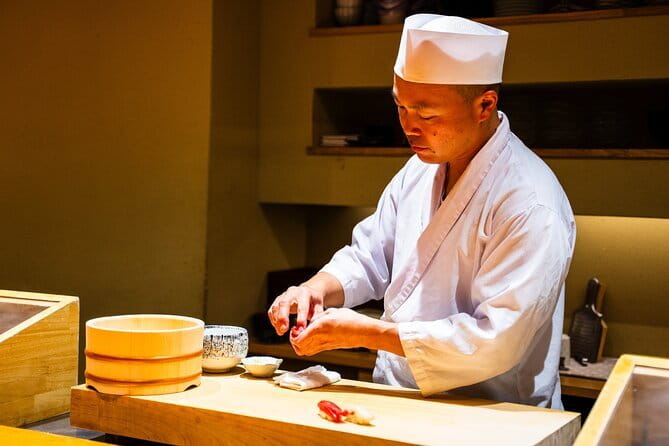
- A seasoned sushi chef: The chef teaches fish-slicing, rice seasoning, and sushi assembly, with time for questions.
- A restaurant with more than 50 years of history: The setting gives the class a sense of place beyond a standard cooking studio.
- Your own creations become the meal: After making the sushi, you sit down and eat what you prepared.
- A small class size: The experience accepts a maximum of eight people, a useful limit for a practical lesson.
- A central practical detail: Transportation is not included, and the class begins and ends at 3-chōme-15-25 Takaban in Tokyo’s Meguro City.
Entering a 50-year-old sushi restaurant in Meguro
The class begins at Japan, 〒152-0004 Tokyo, Meguro City, Takaban, 3-chōme-15-25, in the Toriyoshi Building. The restaurant is near public transportation, but you arrange your own way there. Since transportation is not included, I would check the route before leaving and allow enough time to find the exact building.
The setting matters here. You are not learning sushi in a generic cooking classroom. You are stepping into a restaurant that has been operating for more than five decades. That does not automatically make a meal better, but it gives the lesson a useful connection to everyday sushi culture in Tokyo.
The restaurant is also described as clean, with one participant noting that they even caught a glimpse of the kitchen. Do not assume that a full kitchen tour is part of the class, but the comment suggests that the working restaurant environment is part of the appeal.
The start and end point are the same. That makes the activity easy to fit into a day of sightseeing, especially if you plan another stop nearby. The meeting address is specific, so keep it available on your phone along with your mobile ticket.
A few more Tokyo tours and experiences worth a look
Learning what sushi means before making it
The chef begins by explaining the history of sushi and the traditions behind the food. This is a valuable part of the lesson because sushi is often reduced to raw fish, yet the experience focuses on several elements: rice, seasoning, slicing, shaping, and presentation.
You should expect the history section to be an introduction rather than a long lecture. With only about two hours for the full class, the chef needs to leave time for practice and eating. Still, even a short explanation can help you understand why the rice is seasoned in a particular way and why the shape of nigiri matters.
The chef is also available to answer questions. That is useful if you have always wondered how sushi keeps its shape, how fish is prepared, or how rolls are assembled. The published comments repeatedly point to the chef’s friendly manner and clear instruction, so I would treat the chance to ask questions as one of the strongest reasons to choose this class.
The lesson is designed for sushi lovers, but you do not need to be an expert. The supplied information says most people can participate. That makes it suitable for a first sushi-making class, a food-focused afternoon, or a shared activity with friends.
Slicing fish, seasoning rice, and shaping sushi
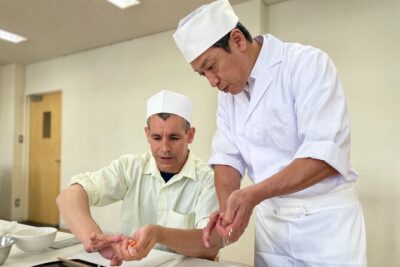
The practical part of the class covers the basic actions that turn separate ingredients into sushi. You learn how to slice fish, season rice, and assemble your creations. Those steps sound straightforward, but each one affects the final result.
Rice is especially important. Too much seasoning can overpower the fish, while poorly handled rice can fall apart or become too compact. The class gives you a chance to see how the chef approaches the rice and then try the process yourself.
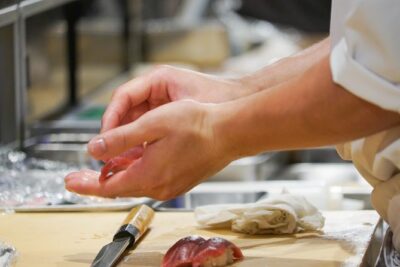
Fish slicing is another skill that benefits from direct instruction. The chef can show you how the cut affects the bite, though the exact fish and cutting method are not specified. I would not book this expecting professional knife training. The value is in learning the basic technique and seeing how much care goes into a simple piece of nigiri.
You also make different forms of sushi, including traditional rolls and nigiri. That variety is important. A roll involves spreading rice and arranging fillings before wrapping and cutting, while nigiri depends more on shaping rice and placing fish neatly on top. You get a broader lesson than you would from a class focused on only one style.
A sushi chef is not simply teaching you how to put ingredients together. The chef is showing you how balance, proportion, and handling affect the food. Your pieces may not look perfect, and that is part of the fun. You get a better sense of the craft when your own first attempts are sitting in front of you.
Eating the sushi you made yourself
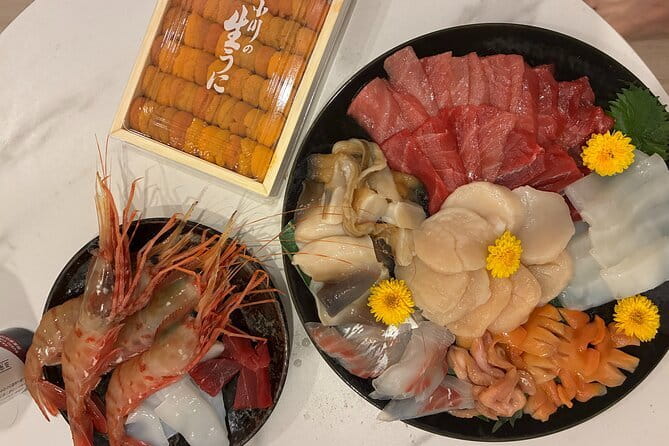
After the preparation, you eat the sushi you have made. This turns the class into a complete food experience rather than a demonstration followed by a separate meal.
There is a particular satisfaction in tasting something you shaped yourself. You notice details that might otherwise pass unnoticed: the texture of the rice, the amount of seasoning, the firmness of the fish, and the difference between a well-formed piece and a rushed one.
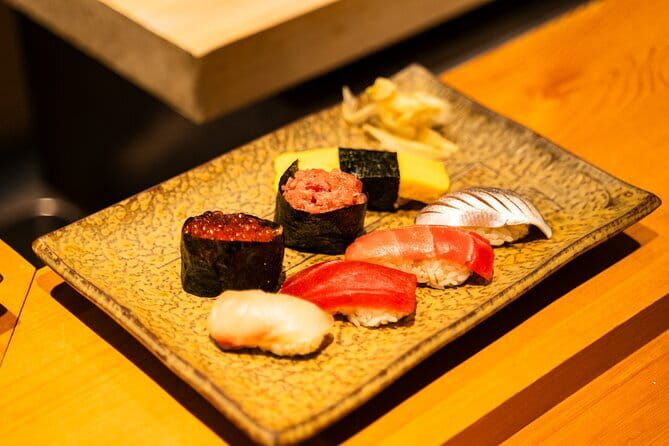
The ingredients are described as fresh, but no specific menu or fish selection is provided. That means the exact sushi you make may depend on the restaurant’s offering that day. If you have allergies, strong dislikes, or dietary restrictions, ask about them before booking or at the beginning of the activity. The available information does not promise substitutions.
The meal is also part of the price calculation. At $130, you are not paying only for ingredients. You are paying for the chef’s time, instruction, the restaurant setting, and the chance to eat your own sushi. If you compare it with a normal sushi dinner, the cost is high. If you compare it with a private food lesson in Tokyo, the value becomes easier to understand.
The experience is likely to appeal most to people who want to understand sushi from the inside. If you only want a large plate of high-end sushi, this is not the most direct use of your money. If you want food, conversation, and a practical skill in one sitting, the price has a clearer purpose.
Why the group size matters
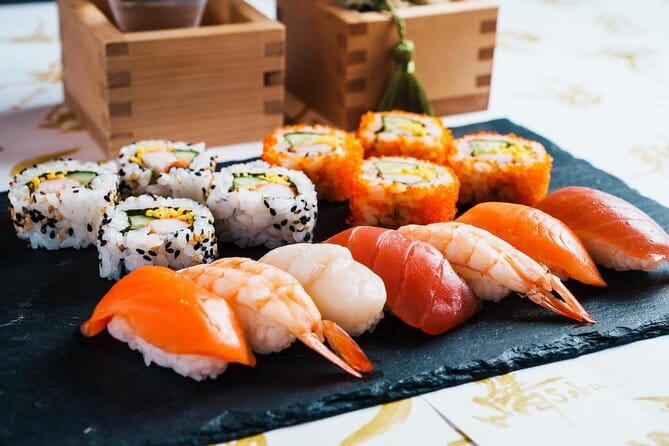
The maximum group size is eight people. That is small enough to make the class feel personal without promising a private lesson.
A smaller class gives you a better chance to see the chef’s technique and ask questions. It also means you will not be lost in a crowd when it is your turn to work with the rice, fish, or rolling mat. The exact staff-to-participant ratio is not stated, so I would not assume constant one-on-one coaching.
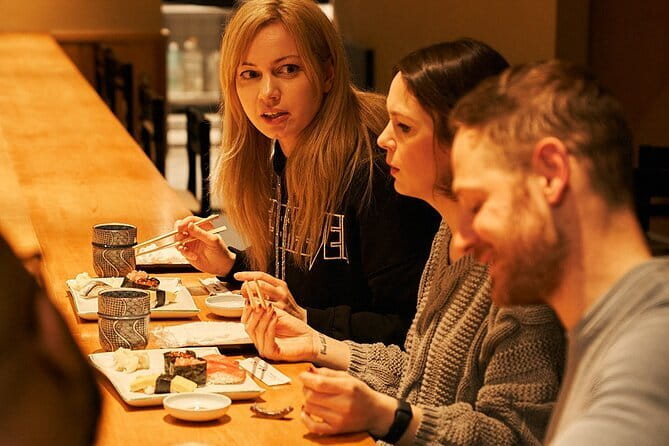
Your group also affects the mood. A couple may find the experience relaxed and focused. Friends can make it playful, especially when everyone compares their first attempts. Solo participants may appreciate the built-in social setting, though the activity is not described as a private booking.
The class is limited to eight, but that does not guarantee every session will reach that number. Either way, the small maximum is a useful sign for anyone who dislikes large group demonstrations.
A few more Tokyo tours and experiences worth a look
What the strongest praise tells you
The most consistent positive points are the chef, the hands-on work, and the local restaurant setting. One person valued learning both the history and the art of making nigiri, while another appreciated how willing the chef was to answer questions.
That combination gives the class more depth than a simple photo opportunity. You are not only arranging food for a few minutes. You are learning why the food is prepared in a certain way and then testing those ideas with your own hands.
The chef’s manner also matters. The comments describe the chef as kind, professional, and good at sharing interesting facts. Those qualities can make a big difference in a short class. A technically skilled teacher who rushes people would be less helpful than a patient chef who explains each step clearly.
The restaurant setting received praise as well. It was described as clean and local, with the feel of a place where residents actually eat. You should take that as a useful clue, not a promise that the class will reveal every side of Tokyo’s sushi world. The setting is traditional and established, but the activity itself remains a compact introduction.
Timing, transport, and the practical details
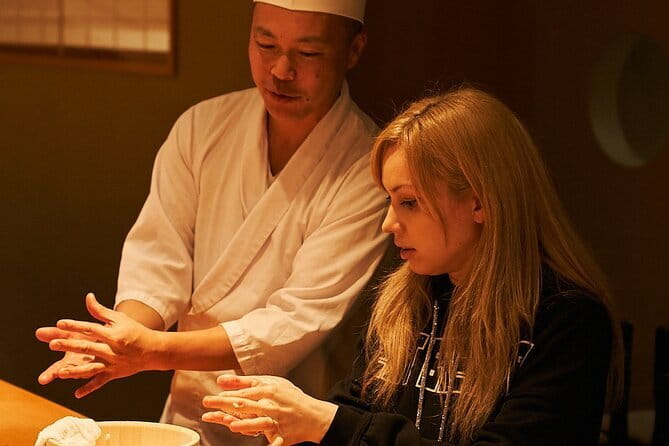
The class lasts about two hours. That is long enough to cover a short history lesson, practical instruction, sushi preparation, and eating without taking up an entire day.
You arrange transportation yourself. The meeting point is near public transportation, which helps, but the experience does not include pickup or drop-off. I would plan this as a timed appointment rather than a casual stop you can squeeze in whenever you happen to be nearby.
Your confirmation arrives at booking, and the ticket is mobile. Keeping the ticket on your phone should make arrival simple, provided your phone is charged and you can display the meeting details.
The activity ends back at the meeting point. That makes the next step easy to plan, but the provided information does not name a particular nearby attraction or station. Avoid building a tight connection immediately afterward until you know how long it will take you to leave the restaurant and reach your next stop.
Most people can participate, according to the available activity details. No more specific accessibility information is provided, so anyone with mobility, dietary, or other participation concerns should confirm directly before booking.
Who should book this sushi class?
I would recommend it most strongly to:
- People who love sushi and want to understand how it is made
- First-time visitors seeking a food activity with local character
- Couples and friends looking for a shared, hands-on experience
- Families or mixed-age groups who can take part in a two-hour lesson
- Anyone who enjoys asking questions and learning through practice
I would be more cautious if you are mainly seeking a long sushi dinner, a private chef, or a detailed professional cooking course. The class is short, the exact menu is not specified, and the chef’s name is not provided. You should book it for the combination of instruction, restaurant atmosphere, and the meal you prepare, not for a guaranteed luxury menu.
The maximum group size of eight makes it a good middle ground. You get more contact with the chef than in a large demonstration, but you may still share the space with several other people.
Is $130 a fair price?
The price is $130 per person. That is a serious expense for a two-hour activity, especially in a city where you can find inexpensive sushi meals. The question is not simply how much food you receive. It is what kind of memory and understanding you want from the meal.
You receive guided instruction from a seasoned chef, a lesson in sushi history, practice with several techniques, and the sushi you make. You also get the atmosphere of a restaurant with more than 50 years of history. For someone who would happily pay for a cooking class and a sushi meal separately, the package can make sense.
The value is weaker if you are judging it only by portion size. Your own sushi may not look restaurant-perfect, and the experience is not presented as an all-you-can-eat meal. The satisfaction comes from making the food and learning how it works.
I would call the price reasonable for a special food activity, but not an automatic bargain. It is best for a trip where you have room in the budget for one memorable class.
Cancellation and booking advice
Free cancellation is available if you cancel at least 24 hours before the experience start time. Cancellations made less than 24 hours in advance are not refunded, and changes within that period are not accepted.
The cut-off follows the experience’s local time. Since the activity uses a mobile ticket and confirmation arrives when you book, keep the booking information handy and check the start time carefully.
Should you book this Tokyo sushi experience?
Book it if you want to do more than eat sushi. The chef’s instruction, the chance to make nigiri and rolls, the restaurant’s 50-year history, and the small group limit create a strong food lesson in a short time.
Skip it if $130 feels too high for a two-hour activity or if your priority is simply a large, expertly prepared sushi meal. For everyone else, especially curious sushi lovers and people who enjoy learning by doing, this is a thoughtful way to spend part of a Tokyo day.
FAQ
How long does the sushi-making experience last?
The experience lasts approximately two hours.
How much does the activity cost?
The price is $130 per person.
Where does the activity begin?
It begins at Japan, 〒152-0004 Tokyo, Meguro City, Takaban, 3-chōme-15-25, Toriyoshi Building.
Where does the activity end?
The activity ends back at the meeting point.
Is transportation included?
No. Transportation is not included, so you arrange your own way to and from the restaurant.
Is the restaurant near public transportation?
Yes. The meeting point is described as being near public transportation.
What kinds of sushi will I make?
The activity includes making traditional rolls, nigiri, and other sushi. The exact menu is not specified.
Will I eat the sushi I prepare?
Yes. Eating the sushi you have crafted is included.
How many people can join the class?
The activity has a maximum of eight participants.
Can I cancel for a full refund?
Yes, if you cancel at least 24 hours before the experience start time. Cancellations made less than 24 hours before the start time are not refunded.
More Dining Experiences in Tokyo
More Sushi Making Classes in Tokyo
More tours in Tokyo we've reviewed












Sushi Making Classes, compared.
 ★ 5.0Sushi Making Tokyo Roll and Authentic Japanese Sushi ClassFrom $59
 ★ 4.9Tokyo: Roll and Authentic Sushi Making Class in AsakusaFrom $581h 40m
 ★ 4.9Tokyo: Sushi Making Class in a Happi Coat near a Famous SpotFrom $421h 30m
 ★ 5.0Sushi Making Tokyo! Popular Maki Sushi & Japanese Sushi(+Recipe!)From $63
 ★ 5.0Tokyo Sushi Making Class in Tsukiji with Professional ChefFrom $49
 ★ 5.0Tokyo Night Foodie Tour in Shinjuku – Seasonal Sushi, Wagyu BeefFrom $111