Reviewed · TOKYO FOOD TOURS
Tokyo Tsukiji Fish Market Food Tour: 15 Stops & Walk Local Street
Tsukiji is at its best when you treat it as more than a fish counter. This 2 to 3-hour walk links Tsukiji Hongwanji Temple, the market streets, a small wholesale area, and Namiyoke Inari Shrine, with a Japanese guide explaining food customs along the way. I like the compact route and the chance to ask about sushi etiquette as you eat or shop.
In This Article
- Key points at a glance
- Why Tsukiji works so well for a food walk
- Starting at Tsukiji Hongwanji Temple
- Spending 90 minutes in Tsukiji Jogai Market
- Seeing the mini wholesale market
- A short pause at Namiyoke Inari Shrine
- What the $80 price really buys you
- Group size, weather, and pace
- Food etiquette and the value of a local guide
- Who should book this Tsukiji walk
- Booking details worth checking first
- Should you book it?
- FAQ
- How long does the Tokyo Tsukiji Fish Market Food Tour last?
- Where does the tour start?
- Where does the tour end?
- Is food included in the tour price?
- How many people can join the tour?
- Are photos included?
- What communication app is used on the day?
I also like the small-group cap of 15 people and the promise of photos after the tour. The main caution is important: the description suggests food tastings, but the included section says food is not included. Confirm exactly what you pay for before booking.
Key points at a glance
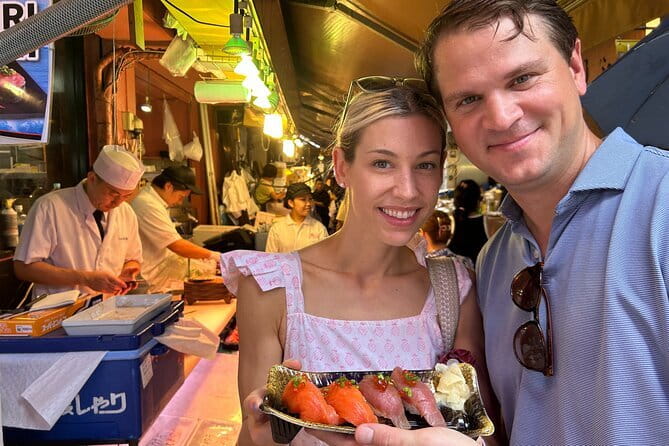
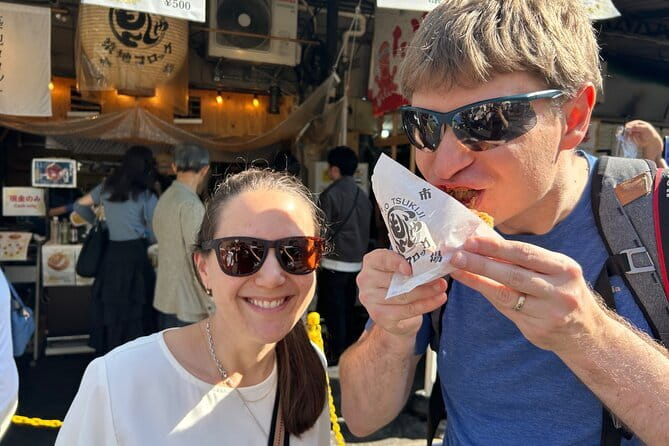
- Four distinct Tsukiji stops: Begin at Hongwanji Temple, walk through Jogai Market, pass a mini wholesale area, and finish at Namiyoke Inari Shrine.
- Food guidance, not just sightseeing: The guide explains sushi etiquette, Japanese food culture, and local customs.
- A practical 2 to 3-hour route: The market receives most of your time, with shorter temple and shrine visits.
- Small group, maximum 15 people: A manageable size for questions and market navigation.
- Photos are sent afterward: Bring your phone, but you do not need to spend the tour taking pictures.
- Check the food wording carefully: Food tastings are promoted, yet food is also listed as an extra cost.
Why Tsukiji works so well for a food walk
Tsukiji is no longer Tokyo’s main wholesale fish market. That role moved to Toyosu, but Tsukiji still has a famous outer market, known as Jogai Market, where shops sell seafood, kitchen tools, prepared food, and other Japanese specialties.
That distinction matters. You are not signing up for a behind-the-scenes tour of the old wholesale auction floor. You are walking through the public market district, where you can see how food is sold, prepared, discussed, and enjoyed.
I think a guide adds real value here. The lanes can feel confusing, and many shops are aimed at local cooks rather than first-time visitors. A Japanese guide can explain what you are looking at, how to approach a stall, and how to handle basic dining customs without making you guess.
The tour also gives you a little cultural balance. Tsukiji Hongwanji Temple and Namiyoke Inari Shrine frame the market walk with places tied to local religious life. That helps you see Tsukiji as a neighborhood with more than seafood.
A few more Tokyo tours and experiences worth a look
Starting at Tsukiji Hongwanji Temple
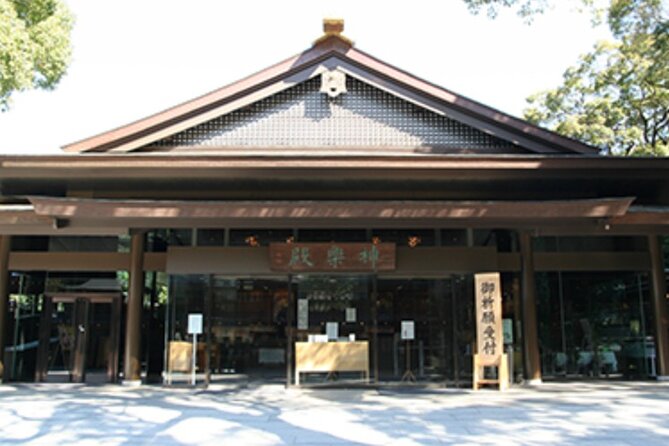
The meeting point is in front of Tsukiji Hongwanji Temple at 3-chōme-15-1 Tsukiji. The tour begins with about 15 minutes at the temple, and admission is free.
Hongwanji is a useful opening stop because it gives you a quiet reset before entering the market streets. Your guide can explain the temple, Japanese customs, and how to behave respectfully at a religious site. Do not expect a long formal temple visit. This is a short orientation stop before the food walk begins.
The meeting point is near public transportation, but the tour does not include transportation to or from the temple. You need to make your own way there and return after the walk. Check the location carefully on your phone, especially if you are arriving during a busy morning.
You should also download WhatsApp before the tour. It is used for communication on the day. That is a small detail, but it can matter if your guide needs to find you or send a last-minute message.
Spending 90 minutes in Tsukiji Jogai Market
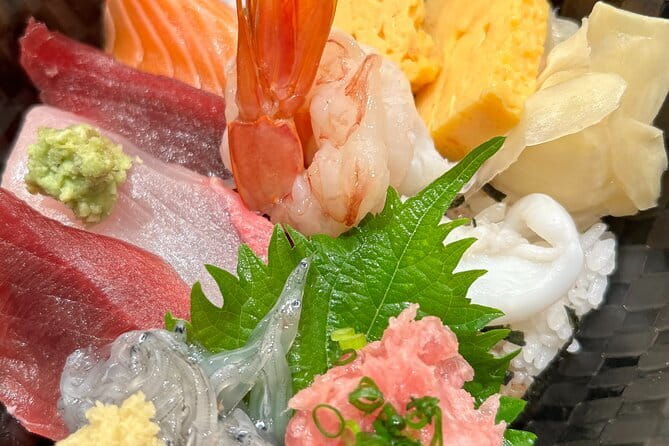
The main part of the tour is Tsukiji Jogai Market, with about 1 hour and 30 minutes set aside for walking and eating. This is where the experience earns its keep, provided your expectations match the price.
The market has more than 400 shops along its streets. You might find seafood, sushi, oysters, grilled items, Japanese sweets, seasonings, knives, and other food-related goods. The exact stops can change, since individual businesses may close for holidays or operate on different schedules.
A local guide helps you use this time well. Instead of wandering past unfamiliar signs, you can ask what a food is, how it is normally eaten, and which customs matter. One guide named Sakura is specifically associated with the experience, and the useful part of her approach is the focus on sushi-eating etiquette and Japanese dining manners.
I would treat the food portion as guided sampling and advice, not as a guaranteed multi-course meal. The title refers to 15 stops, but the named route provides four main locations rather than 15 individually described food venues. The wording also conflicts on payment: one section says tastings are included, while the exclusions say food is not included.
That is the single biggest booking issue. Contact Fuji Tour before paying and ask three direct questions:
- Are any food tastings included in the $80 price?
- If so, how many tastings are covered?
- Should I bring extra money for sushi, oysters, lunch, or other purchases?
Do not assume the price covers a full lunch. A separate account describes lunch as fantastic, but that does not establish a fixed meal for every departure. Market conditions, shop hours, and the guide’s route may affect what is available.
Seeing the mini wholesale market
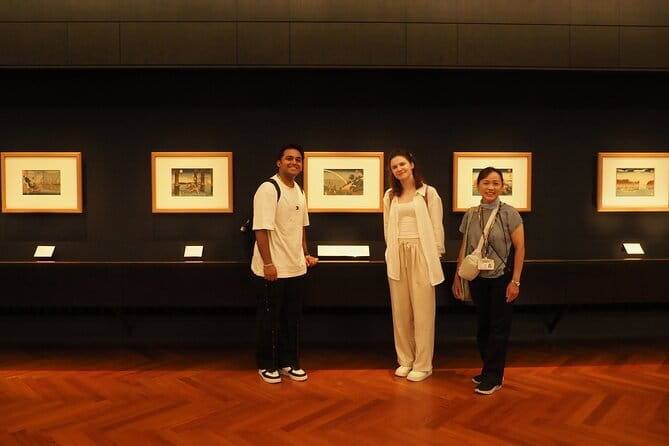
The route then spends about 30 minutes passing by a mini wholesale market. The purpose is to see a broad range of fresh fish, with the description referring to hundreds of kinds.
This stop offers a different view from the public shopping lanes. Jogai Market is designed for shoppers and people buying prepared food. A wholesale area gives you a better sense of the supply side, where fish and seafood are handled for businesses.
Still, keep the scale in mind. This is a pass-by visit, not a long technical tour or a visit to the former main wholesale market. You should expect observation and explanation rather than access to restricted work areas.
I like this part because it connects the food on your plate with the market system behind it. If you are interested in seafood, ask your guide how the fish differs by season or use. The supplied details do not promise a formal lesson on species or auctions, so take the guide’s explanation as an introduction rather than a specialist course.
A short pause at Namiyoke Inari Shrine
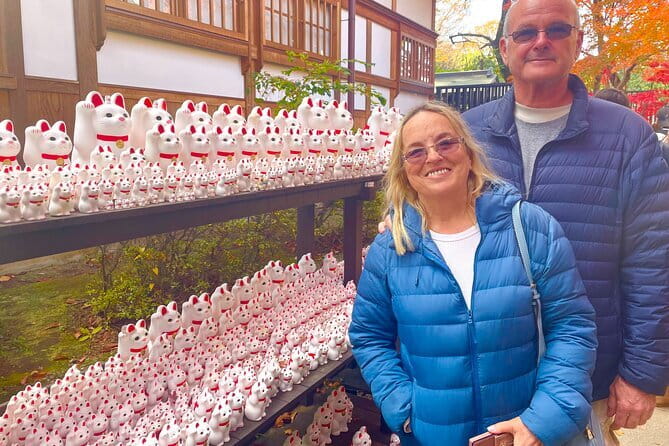
The final named stop is Namiyoke Inari Shrine, with about 15 minutes scheduled. The shrine is associated with Namiyoke Inari, a deity described as warding off disasters and weathering the waves.
The shrine fits the setting. Tsukiji’s identity has long been linked to the sea, fishing, and the work of handling seafood. A short visit here gives the market walk a local spiritual connection rather than ending at the last food stall.
This stop is brief, so you should not expect an elaborate ceremony or a long guided religious tour. It is best understood as a compact cultural stop and a chance to ask your guide about shrine manners.
The activity ends back at the original meeting point. That makes the route simple, but it also means you do not receive a ride to your hotel or another part of Tokyo.
A few more Tokyo tours and experiences worth a look



What the $80 price really buys you
At $80 per person, this tour is not the cheapest way to see Tsukiji. You can walk through the outer market on your own, and a basic market walk may cost much less. The value here comes from having a Japanese guide, receiving cultural explanations, getting help with food choices, and staying with a planned route.
The price is easier to justify if you want structure. First-time visitors can spend a lot of time trying to choose between unfamiliar stalls, finding the right lanes, or worrying about etiquette. A guide can reduce that friction and help you focus on the food and surroundings.
The value drops sharply if you expect the $80 fee to cover a substantial amount of food. The information supplied for this experience is inconsistent on that point. Since personal food costs are listed as not included, you should budget extra money unless Fuji Tour confirms otherwise.
Photos are included and sent after the tour. That is a pleasant bonus, though I would not choose the activity for photography alone. The main benefit is access to local explanation and a more efficient route through Tsukiji.
Group size, weather, and pace
The maximum group size is 15 people. That is small enough for a guide to explain basic etiquette and answer questions, though it is not the same as a private tour. If the full group arrives, the narrow market streets may make it harder to stay close to the guide.
A useful detail is that cancellations can occasionally leave a much smaller group. One experience became a one-to-one walk with Sakura after other people canceled. You cannot count on that, but the possibility means the actual feel may range from intimate to moderately sized.
The tour takes 2 to 3 hours, with most of the time spent walking and standing. Wear comfortable shoes and dress for the weather. A previous departure took place in cold, unpleasant conditions, yet the guide adjusted and kept the visit useful. That is encouraging, but you should still check the forecast and bring suitable clothing.
Market schedules can change around holidays. Some shops may be closed, so the exact food selection is not fixed. A good guide can adjust the route, but no one can guarantee every named dish or stall on every date.
Food etiquette and the value of a local guide
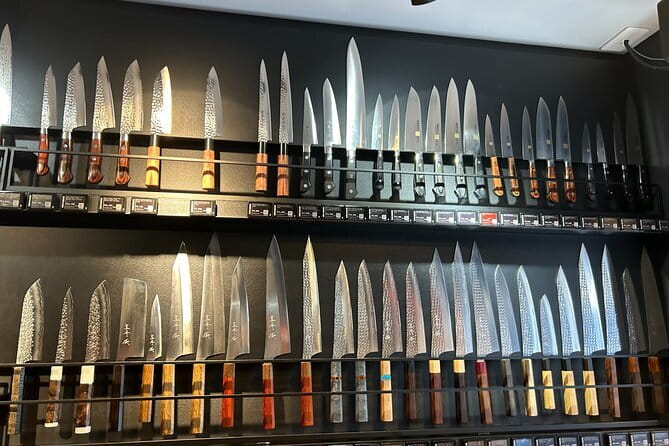
The strongest part of this experience is likely the explanation around eating. Sushi and market food often come with small rules that are easy to miss, from how to handle a piece to how to behave at a crowded counter.
You are not simply shown a plate and told to enjoy it. The guide explains Japanese food culture, local customs, and etiquette. That can help you feel more comfortable for the rest of your Japan trip, not just during the market walk.
I would use the time to ask practical questions. What should you do when a stall has no English menu? Is a particular food eaten hot or cold? Should you dip the sushi or let the chef prepare it? The supplied details do not promise answers to each question, but food etiquette is clearly part of the guide’s role.
The guide also speaks Japanese, which can help when you are dealing with local businesses. Do not expect every shopkeeper or guide to offer a full English-language food lecture. The quality of the experience will depend partly on the guide assigned that day.
Who should book this Tsukiji walk
I would consider this tour a good match for:
- First-time Tokyo visitors who want a clear introduction to Tsukiji.
- People interested in sushi, seafood, and Japanese dining manners.
- Solo visitors who prefer a guide rather than exploring the market alone.
- Couples or small groups who want a short morning or midday activity.
- Anyone who values local explanation more than a long list of formal attractions.
I would be more cautious if you are seeking a wholesale fish auction, a private food tour, or a guaranteed meal included in the price. This activity does not promise access to the old Toyosu auction facilities, and the food payment details need confirmation.
It may also be less suitable if you dislike walking, standing, or crowded market lanes. Most people can participate, but the route is an active walk rather than a seated tasting.
Booking details worth checking first
Confirmation is provided when you book, and the experience uses a mobile ticket. You need to arrange your own transportation to Tsukiji Hongwanji Temple, and hotel pickup and drop-off are not provided.
Free cancellation is available if you cancel at least 24 hours before the start time. Cancellations made within 24 hours are not refunded, and late changes are not accepted. The cut-off follows Tokyo local time.
The tour is operated by Fuji Tour. Since WhatsApp is used for same-day communication, install it before you set out and make sure the phone number on your booking can receive messages.
Most important, ask for written clarification about the food. The advertised idea is a food-focused walk with tastings, but the exclusions say food is extra. That one question can determine whether the experience feels like good value or an expensive guided stroll.
Should you book it?
Book this walk if you want a well-organized introduction to Tsukiji, with a Japanese guide, food etiquette, a temple and shrine, and time in the outer market. The route is short enough to fit into a busy Tokyo plan, and the small-group format gives you a better chance to ask questions.
Skip it if your main goal is a large included meal, a wholesale auction visit, or the lowest-cost way to walk through Tsukiji. At $80, the experience only makes sense if the guidance and cultural context matter to you.
Before booking, confirm what food is included and what you must pay for yourself. Once that point is clear, the decision is simple: pay for the local guidance and market context, not merely for entry to a place you can visit independently.
FAQ
How long does the Tokyo Tsukiji Fish Market Food Tour last?
The tour lasts approximately 2 to 3 hours.
Where does the tour start?
It starts in front of Tsukiji Hongwanji Temple at 3-chōme-15-1 Tsukiji, Chuo City, Tokyo 104-8435, Japan.
Where does the tour end?
The activity ends back at the original meeting point.
Is food included in the tour price?
The supplied tour details are inconsistent. The overview refers to food tastings, while the exclusions say food is not included. Confirm the current food policy with Fuji Tour before booking.
How many people can join the tour?
The maximum group size is 15 people.
Are photos included?
Yes. Photos are taken during the tour and sent after the experience.
What communication app is used on the day?
WhatsApp is used for communication on the day, so you should download it before the tour.
More Walking Tours in Tokyo

More Tokyo Food Tours in Tokyo
More Tsukiji Market Tours in Tokyo
More tours in Tokyo we've reviewed












Tokyo Food Tours, compared.
 ★ 5.0Tokyo: Shinjuku Food Tour (13 Dishes at 4 Local Eateries)From $86
 ★ 4.9Tokyo: Shinjuku Food Tour (13 Dishes and 4 Eateries)From $97
 ★ 5.0Tokyo Night Foodie Tour in Shinjuku – Seasonal Sushi, Wagyu BeefFrom $111
 ★ 5.0Eat and Drink Like a Local: Tokyo Ueno Food Tour-Taverns&RamenFrom $95
 ★ 5.0Tokyo: Shibuya Food Tour (13 dishes and 4 Eateries)From $77
Tokyo: Shinjuku Food Tour – 15 Dishes, 3 Drinks, 4 EateriesFrom $723 hours
★ 5.0Tokyo: Shibuya Food Tour (13 dishes and 4 Eateries)From $77
Tokyo: Shinjuku Food Tour – 15 Dishes, 3 Drinks, 4 EateriesFrom $723 hours