Reviewed · WALKING TOURS
Authentic Kimono Culture Experience Dress, Walk, and Capture
Wearing an authentic silk kimono is the heart of this Tokyo experience. Sayoko dresses you carefully, teaches you how to walk and sit, then leads you through old Yanaka to Nezu Shrine for photos among red torii gates and handsome shrine buildings. It is part cultural lesson, part photo session, and part gentle stroll.
In This Article
- What makes this kimono outing worth considering
- A kimono lesson with a real Tokyo walk
- Meeting Sayoko near Sendagi Station
- Choosing between a kimono and a summer yukata
- Yanaka: the first photo-friendly streets
- Nezu Shrine and the red torii gates
- What the photo session feels like
- Adding hair, makeup, or a tea ceremony
- Who will enjoy this most
- Timing, weather, and practical value
- Should you book this kimono experience?
- FAQ
- Where does the kimono experience begin?
- Where does the activity end?
- How long does the experience last?
- What clothing is provided?
- Can I choose my kimono in advance?
- Are hair and makeup included?
- Are professional photographs included?
- Is a tea ceremony included?
- What happens if it rains?
I like the small maximum of four people, which gives Sayoko time to adjust each outfit and explain the manners behind it. I also like that your photos and videos are taken on an iPhone 14 Pro, so you do not need to arrange a separate camera or ask strangers to take pictures. The main caution is the walk in wooden sandals, especially in rain, and hair and makeup are not included in the $71.49 price.
What makes this kimono outing worth considering

- Choose from about 50 kimonos: You can discuss colors and accessories in advance, then wear an authentic silk garment made in the traditional way.
- Learn more than how to dress: Sayoko explains walking, sitting, holding a purse and umbrella, and proper shrine manners.
- Yanaka gives you an old Tokyo setting: Quiet streets and traditional details provide a more natural backdrop than an indoor rental studio.
- Nezu Shrine supplies the big photo moment: Red torii gates and ornate shrine buildings create plenty of places to pose.
- Your guide takes iPhone 14 Pro photos and videos: You receive personal vacation images without paying for a professional shoot.
- The group stays very small: With no more than four people, the pace can remain personal and manageable.
A kimono lesson with a real Tokyo walk
This is not simply a costume rental followed by a few quick snapshots. The experience treats the kimono as clothing with its own rules. You learn how to move in it, how to sit down, and how small gestures change your posture.
That distinction matters. A kimono is layered, secured with an obi belt, and worn with accessories that affect how you walk and carry yourself. Sayoko’s aim is to help you look comfortable rather than simply dressed up. You can also learn how to hold a silk purse and umbrella with the right sense of care.
The setting helps. Yanaka has an older, slower feel than the polished shopping districts around Tokyo Station or Shibuya. You walk through local streets instead of staying inside a dressing shop, giving the afternoon a sense of place. You may attract friendly comments as you pass, particularly from older residents, so be ready for a little public attention.
The experience costs $71.49 per person and lasts about two and a half hours. For that price, you receive the kimono, obi, accessories, an upcycled kimono umbrella from AKIZAKURA, a plastic umbrella if rain arrives, cultural instruction, a neighborhood walk, and personal photos and videos. I consider that fair value if you care about both the lesson and the images. It is less attractive if you only want to wear a kimono for ten minutes and move on.
Other walking tours we've reviewed in Tokyo


Meeting Sayoko near Sendagi Station

You meet at Sendagi Station, at 3 Chome-38 Sendagi in Bunkyo City. The activity returns to the same meeting point, so you do not need to work out a second pickup location at the end.
Sayoko communicates before the appointment, and you can select your preferred kimono ahead of time from roughly 50 options. This is useful because color and pattern can make a big difference in your photos. If you are booking for two people, a mother and daughter, or a small family group, early discussion also helps coordinate colors without making everyone look identical.
The dressing process takes around 30 to 60 minutes, depending on the size of your group. That is a meaningful part of the experience, not wasted time. Properly securing the layers and obi takes care, and rushing would make the outfit less comfortable and the lesson less useful.
The group limit is four people. That makes this a good fit for a solo booking, a couple, or a small family. It also means the pace may feel more focused than a large rental shop, where you might receive less individual attention.
Choosing between a kimono and a summer yukata
The clothing changes with the season. In summer, you wear a yukata, the lighter cotton garment commonly associated with warm weather. In winter, the experience uses a kimono, and the current offering emphasizes authentic silk garments made by traditional methods.
The choice is not just about appearance. A yukata is generally easier to wear in hot weather, while a winter kimono creates a more formal look. The exact selection depends on the season and the available garments, but you can state your preference before arriving.
Your outfit includes the obi and the accessories needed to complete the look. The upcycled kimono umbrella is an especially nice touch because it gives you something decorative to hold during portraits while also connecting the photo session to Japanese textile culture.
Hair and makeup are separate. That keeps the base price lower, but you should know this before booking if you want a polished studio-style transformation. Hair and makeup can be arranged for an additional fee, and one booking included salon makeup with a noticeably white, geisha-inspired finish. If you want a natural look, ask about the style before paying for the add-on.
Yanaka: the first photo-friendly streets

Once dressed, you spend about 30 minutes walking through Yanaka. Sayoko shows you how to take smaller steps, sit down properly, and behave in a kimono. She also explains aspects of Japanese culture as you go.
The walk is short, but it changes the experience from dress-up to participation. You are not only looking at the clothing in a mirror. You are testing how it feels on real streets, learning where the obi affects your movement, and practicing the gestures that make the outfit look natural.
Allow for about a ten-minute walk in wooden sandals on the way to the shrine. This detail deserves attention. The walk is manageable for most people, but wooden footwear can feel unfamiliar, and the outing includes standing, posing, and walking on city streets. Comfortable socks and a willingness to move at a measured pace will help.
Rain can also alter the mood. A plastic umbrella is supplied if needed, and the activity requires good weather. If poor weather forces cancellation, you can choose another date or receive a full refund. That policy protects the photo part of the experience, but it means you should keep some flexibility in your Tokyo schedule.
Nezu Shrine and the red torii gates

The main photography session takes about one hour at Nezu Shrine. Sayoko first teaches you how to visit a full-scale Japanese shrine, then helps you pose around the grounds.
Nezu Shrine is a strong choice for this type of portrait session. Its shrine buildings provide a formal architectural backdrop, while the many red torii gates add color and repeating lines behind your kimono. You can take attractive photos in several settings without spending the entire afternoon traveling between locations.
The cultural instruction is important here. Shrine visits involve manners, and learning them gives the photo stop more meaning. You are not just using the grounds as a backdrop. You are being shown how to approach the site respectfully, which is a useful lesson for the rest of your time in Japan.
Sayoko takes many photos on an iPhone 14 Pro. She can also shoot video if you request it. This is a practical setup for modern holiday photos: the images are made on a phone, easy to share, and suitable for social media. You should not expect the same controlled lighting, editing, or formal direction as a dedicated portrait studio, but the phone format keeps the experience simple.
A professional camera shoot can be arranged for an extra 13,000 yen. I would consider that add-on if the photos are the main reason you are booking, especially for a birthday, anniversary, wedding-related visit, or family portrait. If you mainly want a record of the afternoon, the included phone photos should be enough.




What the photo session feels like

The best results will come from treating this as a guided portrait walk rather than a fixed studio shoot. Sayoko helps with posture, movement, and the way you hold the umbrella or purse. That guidance matters because a kimono can look stiff if you simply stand and face the camera.
You should expect plenty of images rather than one carefully lit portrait. The shrine offers several backdrops, and the guide can take both still photos and video. The personal approach is particularly useful for solo visitors, since you do not have to depend on a passing stranger to frame the shot correctly.
The phone camera also makes it easy to share pictures during your trip. If you maintain a strong social media account, this experience is designed with that use in mind. Families can also come away with a large set of images instead of one group photo.
Keep your expectations sensible. The standard price does not include a professional photographer, professional hair, or makeup. If you want magazine-style portraits, budget for the 13,000 yen camera option and ask about the beauty services before the day.
Adding hair, makeup, or a tea ceremony

Hair and makeup can be added for an extra fee. This is useful for a special occasion, but it changes the time and feel of the outing. You should ask for details about the look in advance, particularly if you do not want a traditional white-face style.
A tea ceremony can also be arranged as an optional extra. The supplied information does not give a price or duration for it, so confirm those details before booking the add-on. It can make sense if your main goal is cultural learning rather than photography, but the standard activity already fills about two and a half hours.
These extras are not necessary for the core experience. The kimono, dressing, walking lesson, shrine etiquette, and iPhone session are already included. I would add one only if it matches a clear goal, such as preparing for a formal event or building a fuller Japanese culture afternoon.
Who will enjoy this most

I would recommend this for a solo visitor who wants personal photos, a couple seeking a shared Tokyo memory, or a parent and adult child looking for a gentle cultural activity. The small group size and patient dressing process suit people who prefer attention rather than a rushed rental counter.
It also works well for first-time visitors who want help with shrine etiquette. You receive context while walking, then put that knowledge to use at Nezu Shrine. The experience is social without requiring a large group.
You should think twice if you dislike being photographed, have difficulty walking in wooden sandals, or want to spend the entire time indoors. The outing depends on walking through Yanaka and reaching the shrine. Rain may make the route less pleasant, even though an umbrella is provided.
Service animals are allowed, public transportation is nearby, and most people can participate. The available information does not give detailed accessibility measurements, so contact the operator if you need specific help with steps, walking distance, seating, or clothing adjustments.
Timing, weather, and practical value
The stated duration is about two hours and 30 minutes, but the dressing time varies from 30 minutes to one hour. Plan your day around the full block rather than trying to squeeze this between tightly timed attractions.
The walk and shrine visit are free of admission charges, but food and drinks you buy along the way are not included. Yanaka can make you curious to stop for a snack, so carry a little spending money if you want to pause in the neighborhood.
The activity is generally booked about 39 days ahead. That suggests planning early is sensible, especially if you need a particular date, want to coordinate several people, or hope to add hair and makeup. Confirmation arrives at booking, and free cancellation is available up to 24 hours before the local start time. Changes or cancellations inside that window are not accepted for a refund.
The weather rule is generous if conditions force the operator to cancel. You receive another date or a full refund. If you cancel because you simply dislike the forecast, the normal 24-hour rule applies, so watch the local time carefully.
Should you book this kimono experience?
Book it if you want more than a rented outfit. Sayoko combines careful dressing, basic kimono manners, a Yanaka walk, shrine instruction, and a large collection of easy-to-share phone photos. The strongest value comes from the personal attention and the chance to learn how the clothing is meant to be worn.
I would book early for a birthday, family outing, or solo portrait session. Add the professional photographer only if image quality is central to your plans. Hair, makeup, and tea can add interest, but they are optional and should be discussed before you commit.
Skip it if you want a short indoor photo booth session, dislike walking in traditional footwear, or have a schedule that cannot tolerate weather changes. For everyone else, this is a thoughtful way to connect a memorable outfit with two genuinely atmospheric Tokyo areas.
FAQ
Where does the kimono experience begin?
You meet at Sendagi Station, at 3 Chome-38 Sendagi, Bunkyo City, Tokyo 113-0022, Japan.
Where does the activity end?
The experience ends back at the original meeting point near Sendagi Station.
How long does the experience last?
It lasts approximately two hours and 30 minutes. Dressing takes about 30 to 60 minutes, the Yanaka walk takes about 30 minutes, photography at Nezu Shrine takes about one hour, and changing back takes about 15 minutes.
What clothing is provided?
The experience provides a kimono or summer yukata, an obi belt, and all accessories needed to wear it. In summer, you wear a yukata. In winter, you wear a kimono.
Can I choose my kimono in advance?
Yes. You can state your preference in advance from a selection of about 50 kimonos or yukata.
Are hair and makeup included?
No. Professional hair and makeup are not included in the standard price, but they can be arranged for an additional fee.
Are professional photographs included?
The standard experience includes photos and videos taken with an iPhone 14 Pro. A professional photographer can be arranged for an additional 13,000 yen.
Is a tea ceremony included?
No. A tea ceremony is an optional extra that can be arranged separately.
What happens if it rains?
The experience requires good weather. If the operator cancels because of poor weather, you can choose another date or receive a full refund. A plastic umbrella is supplied if rain occurs during the activity.
More Walking Tours in Tokyo


More tours in Tokyo we've reviewed












Walking Tours, compared.
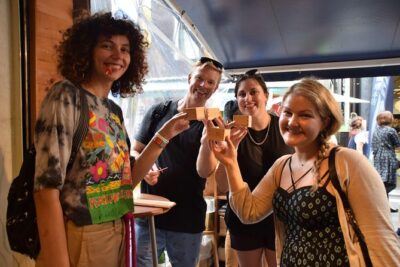 ★ 5.0Tokyo Tsukiji Fish Market Food and Culture Walking TourFrom $99
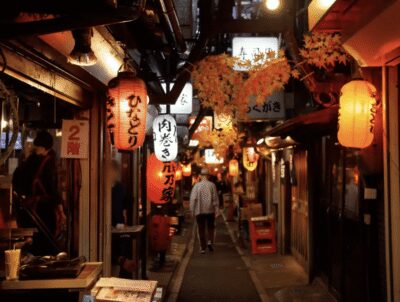 ★ 4.9Tokyo: Shinjuku Local Bar and Izakaya Guided Walking TourFrom $343 hours
 ★ 5.0Tokyo: Tsukiji Fish Market Food and Walking tourFrom $30
 ★ 4.8Tokyo: Asakusa Walking Tour with Sensoji Temple VisitFrom $222 hours
 ★ 4.9Tokyo: Tsukiji Fish Market Guided Walking TourFrom $222 hours
 ★ 4.7Tokyo Castle & Imperial PalaceーShogun Walking TourFrom $232 hours